The 2026 Preventive Maintenance Guide to Differential Fluid Condition
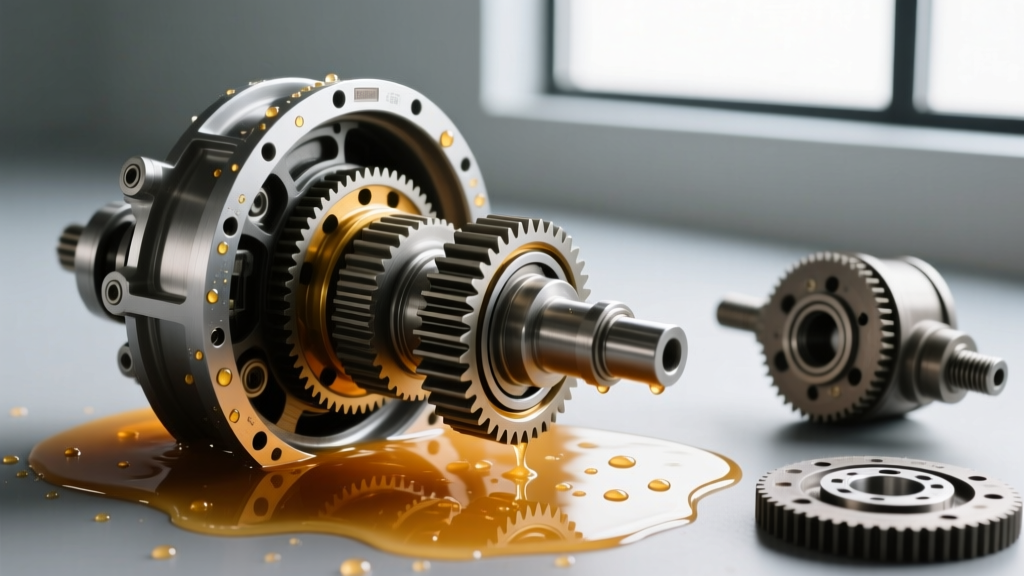
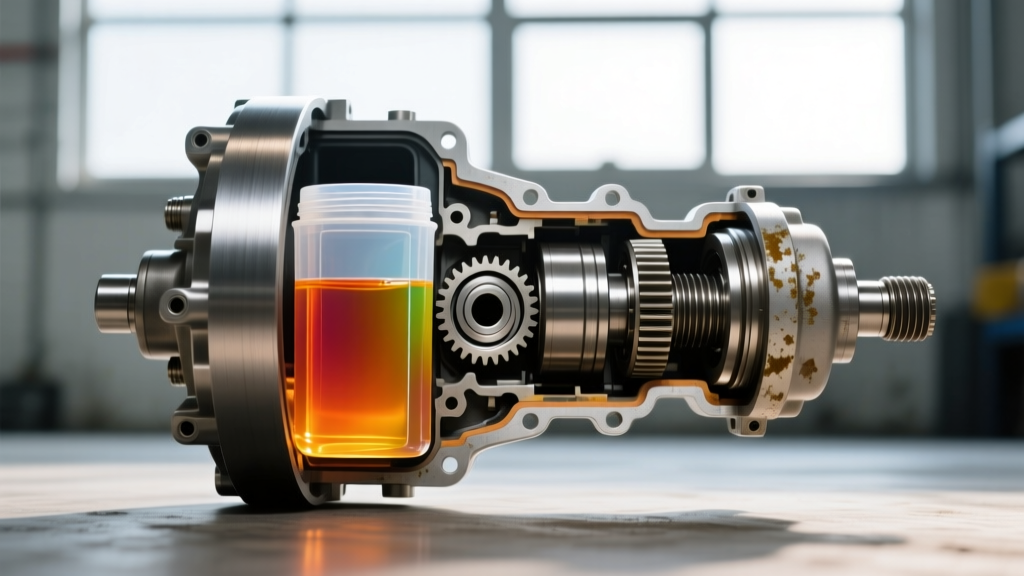
As of 2026, axle assemblies in heavy-duty trucks, high-torque EV conversions, and hardcore off-road rigs are subjected to unprecedented thermal and mechanical loads. The differential gear oil is the sole barrier preventing catastrophic metal-on-metal failure between the ring and pinion gears, bearings, and clutch packs. While many enthusiasts rely strictly on mileage-based intervals, true preventive maintenance requires a deep understanding of differential fluid color and condition. Visual inspection is your first line of defense, but modern tribology offers advanced diagnostic tools that reveal the microscopic truth hidden within the oil.
The Visual Spectrum: Decoding Differential Fluid Color
Before pulling a drain plug or sending a sample to a lab, a visual and olfactory assessment provides immediate, actionable data about the health of your axle assembly. Gear oils are formulated with specific base stocks and additive packages that dictate their baseline appearance.
Honey to Light Amber: The Healthy Baseline
Fresh 75W-90 or 75W-140 GL-5 gear oil typically exhibits a clear, honey-like or light amber hue. This indicates that the base oil is unoxidized and the extreme pressure (EP) additive package—primarily composed of sulfur and phosphorus compounds—is fully intact. If your fluid looks like this but has 30,000 miles on it, your axle is running cool and efficiently.
Dark Brown to Opaque Black: Thermal Degradation
When differential fluid turns dark brown or pitch black, it signifies thermal breakdown and base oil oxidation. In high-load scenarios, such as towing heavy trailers up steep grades, localized gear tooth temperatures can exceed 300°F (149°C). This heat causes the oil to oxidize, forming sludge and varnish. Black fluid often carries a sharp, acrid, "burnt" smell, indicating that the sulfur-phosphorus EP additives have been thermally depleted, leaving the ring and pinion vulnerable to micropitting and spalling.
Milky or "Chocolate Milk": Water Intrusion
A milky, frothy, or chocolate-milk appearance is an immediate red flag for water contamination. This emulsion occurs when water bypasses the axle seals, submerges a faulty breather tube during water crossings, or accumulates via severe condensation cycles. Water drastically reduces the oil's load-bearing film strength and reacts with sulfur-based EP additives to form corrosive sulfuric and phosphoric acids, which rapidly eat away at bearing cages and gear teeth.
The "Glitter" Factor: Metallic Wear
While a slight metallic sheen is normal for the first 5,000 miles as gears undergo initial break-in, visible flakes or "glitter" suspended in the fluid indicate active, abnormal wear. Bronze-colored flakes point to thrust washer or synchronizer degradation (in manual transfer cases integrated with axles), while steel-colored shards suggest severe ring and pinion or bearing failure.
Beyond the Eyeball: Advanced Fluid Condition Diagnostics
Visual inspection has its limits. By the time gear oil turns black or smells burnt, the damage to the additive package is already complete. For fleet managers, competitive rock crawlers, and heavy-duty commercial operators, Used Oil Analysis (UOA) is the gold standard for preventive maintenance.
What is a Differential Pulse Voltammogram in Tribology?
Standard UOA relies on spectrometry to count wear metals (iron, copper, lead) and measure viscosity. However, assessing the chemical health of the additive package requires advanced electrochemistry. When assessing the remaining useful life (RUL) of extreme pressure additives and antioxidants, advanced tribology labs may generate a differential pulse voltammogram to measure the electrochemical oxidation of sulfur-phosphorus compounds and zinc dialkyldithiophosphate (ZDDP) equivalents.
By applying a varying voltage to the oil sample mixed with a specialized solvent electrolyte, the lab captures a current response curve. This differential pulse voltammogram provides a precise graphical map of the antioxidant depletion rate and the exact concentration of active EP additives. This data tells you exactly how much protective chemistry remains in the fluid, allowing you to optimize drain intervals and prevent catastrophic axle failure before visual symptoms ever appear.
Limited Slip Differentials: The Friction Modifier Variable
If your vehicle is equipped with a clutch-type Limited Slip Differential (LSD), such as the Ford 8.8-inch Trac-Lok or the Dana 44 Trac-Lok, fluid condition directly impacts drivability. These axles require specific friction modifiers (e.g., Ford XL-3 or GM EOS) to prevent clutch pack chatter during low-speed cornering.
Over time, the friction modifier shears and depletes. If your fluid is relatively clean in color but you experience binding or chatter during tight turns, the fluid's friction coefficient has degraded. In these cases, a simple fluid and friction modifier refresh is required, typically costing between $40 and $60 for high-quality synthetic gear oil and the modifier additive.
Preventive Maintenance Specifications & Torque Data
Adhering to exact fluid specifications and torque values is critical. Over-torquing drain plugs can crack aluminum differential housings, while under-torquing leads to leaks and fluid starvation. Below is a reference table for common light-duty and heavy-duty axles.
| Axle Assembly | Recommended Fluid Spec | Approx. Capacity | Drain/Fill Plug Torque | Common Application |
|---|---|---|---|---|
| Dana 44 (Jeep Wrangler) | 75W-85 GL-5 Synthetic | 2.0 Quarts | 25 lb-ft | Jeep Wrangler Rubicon (Front/Rear) |
| Ford 9.75-inch (12-bolt) | 75W-140 GL-5 Synthetic | 2.5 Quarts | 33 lb-ft | Ford F-150 (Heavy Duty Payload Pkg) |
| GM 9.5-inch (14-bolt SF) | 75W-90 GL-5 Synthetic | 2.75 Quarts | 24 lb-ft | Chevy Silverado 1500 (Max Tow) |
| Toyota 9.5-inch (Tundra) | 75W-85 GL-5 | 3.2 Quarts | 30 lb-ft | Toyota Tundra / Sequoia |
Note: Always consult your specific 2026 OEM service manual, as capacities and torque specs can vary based on the presence of differential coolers or deep-sump covers.
Step-by-Step Condition Assessment & Sampling Protocol
To accurately assess fluid condition or pull a sample for lab analysis (including voltammetry testing), you must avoid contamination. Never pull a sample from the bottom drain plug, as the heavy sludge and large metal particles settled there will skew the data and provide a false alarm regarding active wear.
- Warm the Axle: Drive the vehicle for at least 15 miles to bring the differential fluid to operating temperature (approx. 140°F - 180°F). This suspends wear metals and contaminants evenly throughout the oil.
- Clean the Area: Thoroughly degrease the differential cover and fill plug area to prevent external dirt from entering the housing.
- Extract via Fill Port: Remove the fill plug. Insert a clean, dedicated vacuum extraction tube down to the center of the ring gear (avoiding the very bottom sump).
- Pull the Sample: Extract 2 to 3 ounces of fluid into a sterile lab bottle. If performing a visual check, wipe the fluid on a clean white paper towel to check for water emulsion and metallic glitter.
- Top Off and Seal: If you pulled a sample, top off the axle with the exact matching GL-5 fluid. Reinstall the fill plug using a new crush washer or appropriate RTV/Teflon tape, torquing to the manufacturer's specification.
Sourcing Authoritative Data and Lab Services
For those looking to implement advanced UOA programs, partnering with certified tribology laboratories is essential. Organizations adhering to ASTM Lubricant Standards provide the most accurate spectrographic and electrochemical analysis. Furthermore, consulting resources like Machinery Lubrication can help you interpret complex lab reports, including voltammogram data and particle count metrics.
For exact torque specifications, fluid capacities, and breather tube routing diagrams, always refer to the Dana Spicer Resource Center or your vehicle manufacturer's OEM service portal.
Conclusion: Proactive Axle Preservation
Differential fluid color and condition are the vital signs of your drivetrain. While a quick visual check during an oil change can save you from water intrusion and severe thermal breakdown, integrating advanced diagnostic concepts into your maintenance routine ensures maximum longevity. Whether you are reading the honey-amber hue of fresh synthetic GL-5 or relying on a laboratory's differential pulse voltammogram to track EP additive health, proactive fluid analysis is the key to keeping your axles turning smoothly for hundreds of thousands of miles.