The Drivetrain Dilemma: Choosing the Right Differential for Your SUV
As the 2026 automotive market continues to blur the lines between daily commuting and hardcore off-roading, the search for the perfect SUV with locking differential capabilities has reached an all-time high. However, many buyers mistakenly conflate locking differentials with limited-slip differentials (LSD) or standard open differentials. Understanding the mechanical distinctions, maintenance requirements, and traction limits of these axle systems is critical before signing the paperwork on your next vehicle or planning an aftermarket axle upgrade.
In this comprehensive comparison and buyer's guide, we will dissect the operational differences between open, limited-slip, and locking differentials. We will also dive deep into the specific gear oil specifications, friction modifier requirements, and torque specs necessary to keep these drivetrain components alive under severe stress.
Open Differentials: The Baseline of Modern SUVs
The open differential is the most common axle configuration found in base-model crossovers, commuter SUVs, and light-duty trucks. Its primary engineering goal is to allow the outer wheel to rotate faster than the inner wheel during cornering, preventing tire scrubbing and drivetrain binding.
Mechanical Operation and Limitations
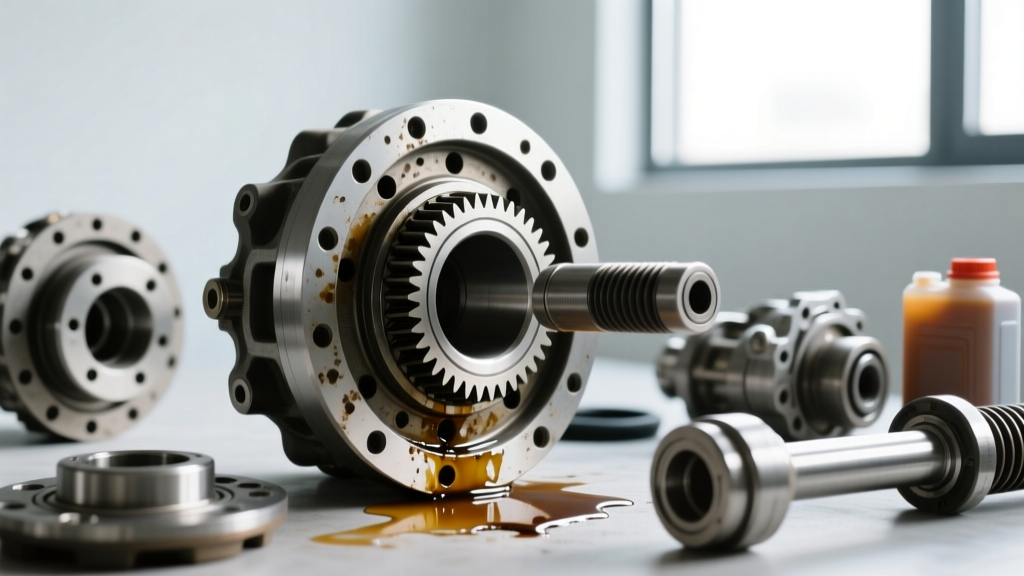
Inside an open differential carrier, a set of spider gears meshes with two side gears connected to the axle shafts. Torque is distributed equally to both wheels, but the system inherently follows the path of least resistance. If your left wheel is on dry pavement and your right wheel is on ice, the open differential will send 100% of the available torque to the spinning ice-bound wheel, leaving you stranded.
- Best Application: Paved roads, light rain, and mild snow where traction loss is rare.
- Common Axle Housings: AAM 8.0", Dana 35, and various aluminum independent rear suspension (IRS) housings.
- Fluid Specification: Standard 75W-90 API GL-5 gear oil. No friction modifiers are required, as there are no clutch packs to engage.
Limited Slip Differentials (LSD): The Middle Ground
For buyers who need more traction than an open diff provides but do not want the harsh, low-speed binding of a full locker, the Limited Slip Differential is the ideal compromise. LSDs are frequently found in performance SUVs, tow rigs, and mid-tier off-road packages (such as older Jeep Quadra-Trac II systems or Ford Explorer Limited models).
Clutch-Pack vs. Helical Gear Designs
There are two primary types of LSDs, and their maintenance requirements differ drastically:
- Clutch-Pack LSDs (e.g., Eaton Posi, Auburn Gear): These utilize a series of friction discs and steel plates behind the side gears. Under normal cornering, the clutches slip. When one wheel loses traction, the preload springs and cone clutches force the side gears to lock together. According to Spicer Differentials by Dana, maintaining the correct clutch friction is paramount to preventing the dreaded 'diff chatter' during tight turns.
- Helical Gear LSDs (e.g., Torsen, Detroit Truetrac): As highlighted by Torsen Traction Systems, these rely on complex worm and spur gear geometry to multiply torque to the wheel with traction. They operate purely on mechanical binding and gear friction, meaning they do not require specialized friction modifiers.
Expert Warning: If your SUV features a clutch-type LSD, using standard GL-5 gear oil without a limited-slip friction modifier (such as Motorcraft XL-3 or GM Part No. 88900401) will result in violent chattering, rapid clutch pack degradation, and eventual failure of the carrier bearings.
Locking Differentials: The Ultimate Traction Solution
When enthusiasts specifically search for an SUV with locking differential hardware, they are looking for a mechanism that mechanically forces both axle shafts to rotate at the exact same speed, regardless of available traction. This is the holy grail for rock crawling, deep mud, and extreme off-camber trails.
Electromagnetic and Pneumatic Lockers
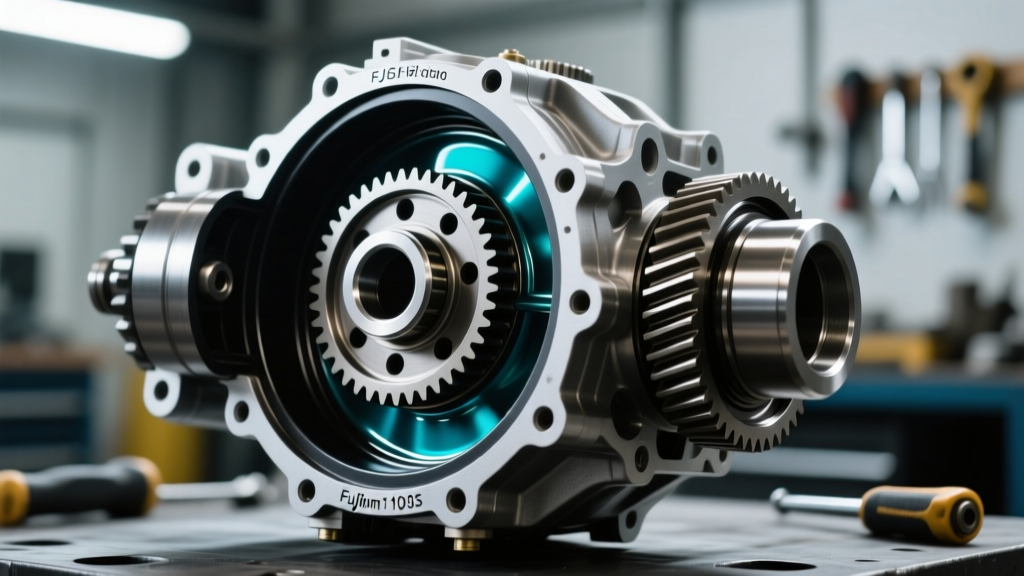
Modern off-road SUVs like the Jeep Wrangler Rubicon, Toyota 4Runner TRD Pro, and Ford Bronco Badlands utilize selectable locking differentials. The Eaton eLocker is a premier example of an electromagnetic locker. When the driver presses the dash switch, a 12-volt electromagnetic coil engages a ramp ring that forces the locking teeth together, creating a solid axle shaft.
- Pros: 100% torque transfer to both wheels; operates as a standard open diff when disengaged for civilized street driving.
- Cons: High initial cost ($900 - $1,400 for the unit, plus labor); requires careful maintenance of the wiring harness and actuator switches; turning with the locker engaged on dry pavement will snap axle shafts or shatter ring and pinion teeth.
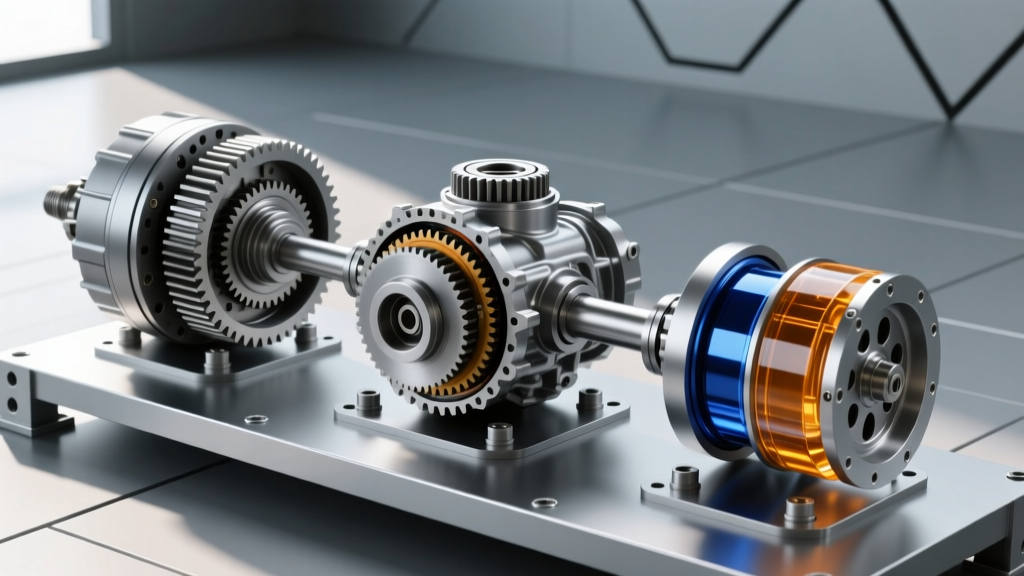
Drivetrain Comparison Matrix: Open vs. LSD vs. Locking
| Feature | Open Differential | Limited Slip (Clutch) | Selectable Locker |
|---|---|---|---|
| Traction on Split Surfaces | Poor (1-wheel drive) | Moderate to Good | Perfect (2-wheel drive) |
| Cornering Behavior | Smooth, no binding | Smooth (if fluid is correct) | Severe binding (must disengage) |
| Gear Oil Requirement | 75W-90 GL-5 | 75W-90 GL-5 + Friction Modifier | 75W-90 or 75W-140 GL-5 |
| Aftermarket Upgrade Cost | N/A (Baseline) | $600 - $900 + Install | $1,000 - $1,500 + Install |
| Typical Rebuild Interval | 150,000+ miles | 80,000 - 120,000 miles (clutches) | 150,000+ miles (mechanical) |
Differential Fluid Maintenance and Torque Specifications
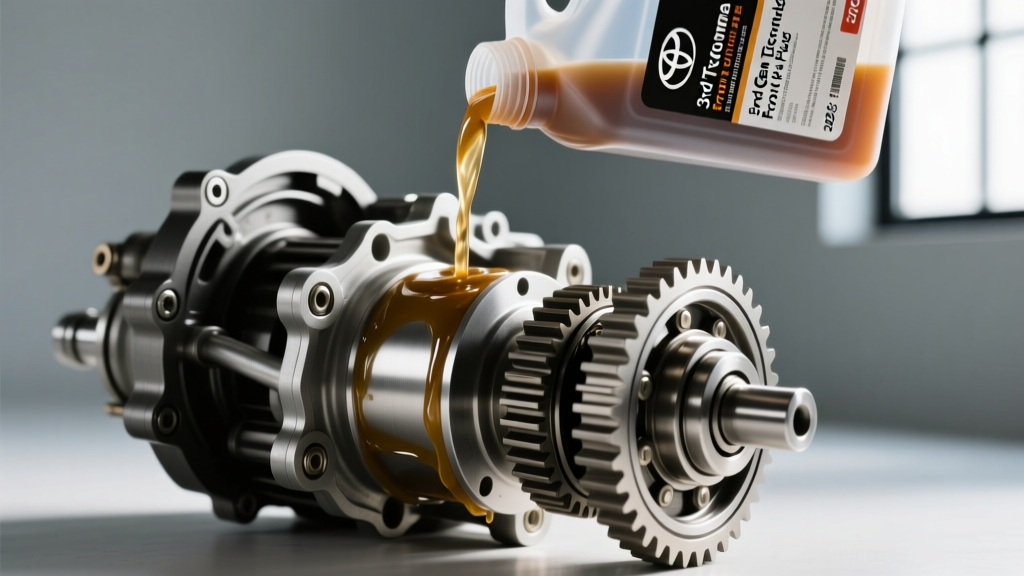
Whether you are maintaining an open differential or servicing a heavy-duty locking axle, the gear oil is the lifeblood of the ring and pinion set. For the 2026 model year, many manufacturers are moving toward synthetic 75W-85 or 75W-90 formulations to meet strict CAFE fuel economy standards, but severe-duty applications demand higher viscosity.
Viscosity and API Ratings
Always use API GL-5 rated gear oil for hypoid ring and pinion gears. The extreme pressure (EP) additives in GL-5 contain sulfur-phosphorus compounds that protect the sliding action of hypoid gear teeth. Never use GL-4 in a hypoid differential, as it lacks the necessary EP additives and will lead to rapid gear spalling.
- Standard/Towing: 75W-90 Synthetic (e.g., Amsoil Severe Gear, Mobil 1 Synthetic Gear Lube).
- Heavy Towing/Off-Road: 75W-140 Synthetic. The thicker 140-weight maintains its protective film strength when differential temperatures exceed 250°F under heavy loads or low-speed rock crawling.
Critical Torque Specs and Service Procedures
When performing a differential fluid change or installing a new locker, adhering to precise torque specifications is non-negotiable. Over-torquing differential cover bolts will warp the housing, leading to leaks and bearing misalignment.
- Dana 44 / Spicer 44 Cover Bolts: 25 - 30 lb-ft. (Use a star pattern sequence).
- AAM 9.25" / 9.5" Cover Bolts: 30 - 35 lb-ft.
- Fill/Drain Plugs (Standard 3/8" NPT or Metric): 20 - 25 lb-ft. Do not over-torque, as stripping the aluminum housing threads requires a costly Helicoil repair or housing replacement.
- Ring Gear Bolts: Typically 70 - 85 lb-ft with red Loctite (Grade 8 or 10.9 hardware), depending on the specific carrier manufacturer.
When resealing a differential cover, abandon cheap cork gaskets. Clean the mating surfaces with brake cleaner and apply a continuous 3mm bead of high-temp RTV silicone (such as Permatex Black or The Right Stuff). Allow the RTV to cure for at least two hours before filling with gear oil to prevent the silicone from extruding into the oil galleries and clogging the pinion bearing races.
The 2026 Buyer's Verdict: Which Differential Fits Your Needs?
If your SUV spends 95% of its time on pavement and you only encounter light snow, an open differential paired with a high-quality traction control system is entirely adequate and offers the lowest long-term maintenance costs.
For those who tow heavy trailers, launch boats on slippery ramps, or drive on unplowed forest roads, a Limited Slip Differential is the smartest investment. The helical gear designs (like the Detroit Truetrac) are particularly appealing for buyers who want LSD traction without the burden of adding friction modifiers during every 30,000-mile fluid service.
However, if you are modifying your rig with 35-inch tires, upgrading to 4.56:1 ring and pinion gears, and tackling technical off-road trails, nothing replaces a true SUV with locking differential hardware. The upfront cost of an Eaton eLocker or ARB Air Locker is easily justified by the sheer capability and axle-saving traction it provides when the terrain gets brutal. Choose your drivetrain based on the worst conditions you plan to face, and maintain your gear oil religiously to ensure your axle survives the journey.