Decoding the Comp Clutch Stage 4 Architecture for Track Use
As we move deeper into the 2026 track season, the demands placed on amateur and semi-pro track day vehicles have never been higher. Modern chassis dynamics and sticky 200-treadwear tires transfer immense shock loads directly through the drivetrain the moment you dump the clutch at the starter's flag. For high-horsepower platforms like the Subaru GR STI, Nissan 370Z, or Mitsubishi Evo X, the comp clutch stage 4 has emerged as a benchmark solution for dedicated lapping cars. But simply bolting in a high-performance clutch is a recipe for catastrophic drivetrain failure if you ignore the supporting physics.
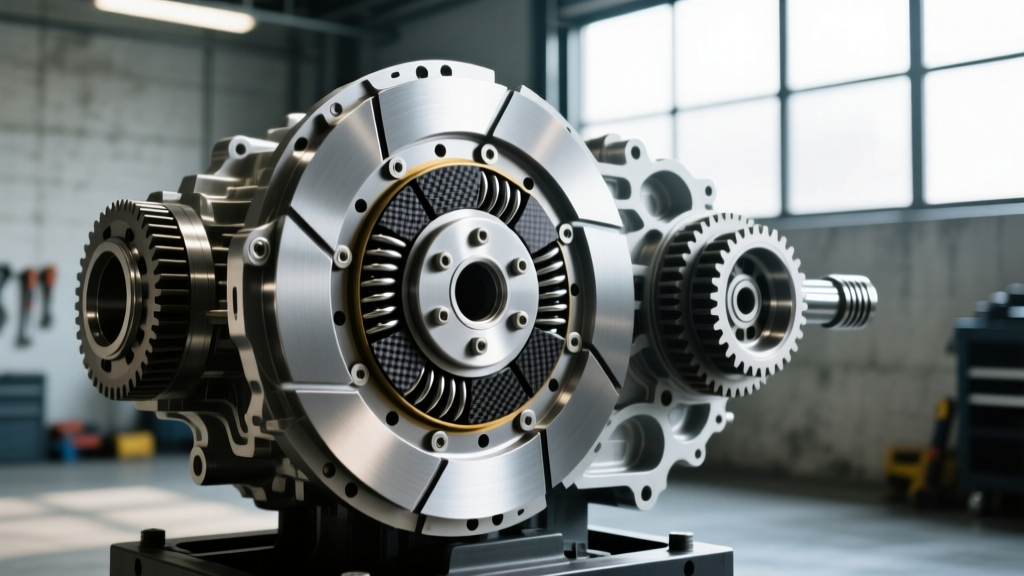
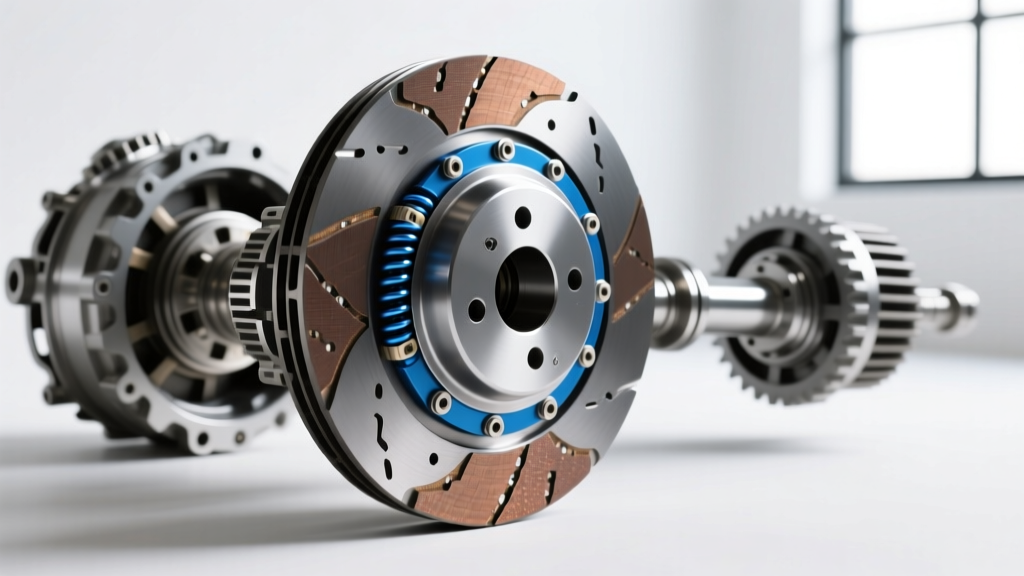
The Competition Clutch Stage 4 platform utilizes a heavy-duty, high-clamp-load pressure plate paired with a segmented cerametallic friction disc. Unlike organic or Kevlar compounds that prioritize low-temperature streetability, cerametallic materials operate optimally at surface temperatures between 400°F and 800°F. This thermal threshold makes the Stage 4 virtually immune to the brake and drivetrain heat soak that plagues 20-minute NASA or SCCA lapping sessions. However, its aggressive coefficient of friction (typically ranging from 0.45 to 0.50) requires meticulous setup to prevent destroying your transmission's synchronizers and input shaft bearings.
The Harmonics Dilemma: Sprung vs. Rigid Hub Flywheel Pairing
The most common failure mode we diagnose in track-prepped vehicles running a comp clutch stage 4 kit is improper flywheel pairing. The Stage 4 disc is frequently offered in a rigid (unsprung) hub configuration to maximize clamping surface area and reduce rotational mass. If you pair a rigid hub disc with an unsprung, ultra-lightweight chromoly flywheel (under 12 lbs), you eliminate the drivetrain's primary torsional damper.
The Consequences of Double-Unsprung Setups
- Gear Rattle and Chatter: Without a sprung element to absorb engine firing pulses at idle and low RPM, the transmission's input shaft and counter gears rattle violently, accelerating synchro wear.
- Input Shaft Bearing Failure: The harmonic shock loads bypass the clutch and strike the transmission's front input shaft bearing, leading to premature case wear and eventual gear misalignment.
- Dog Gear Chipping: For sequential or dog-box conversions, the lack of torsional damping causes micro-shocks that chip the edges of the dog rings during flat-foot shifts.
Expert Best Practice: If your track build utilizes a rigid hub Stage 4 disc, you must pair it with a sprung flywheel (such as a multi-stage sprung chromoly unit). Conversely, if you are using an unsprung, ultra-lightweight flywheel to maximize engine spool and throttle response, you must source a Stage 4 disc with a heavy-duty sprung hub. Never run unsprung on both sides of the friction interface in an H-pattern track car.
Hydraulic System Overhaul for Pedal Modulation
Track day drivers often overlook the hydraulic circuit until their left leg is shaking from fatigue during the final lap of a session. The comp clutch stage 4 pressure plate generates between 1,800 and 2,400 lbs of clamp load, depending on the specific application (e.g., part number 4-1900 for the Subaru STI generates roughly 2,100 lbs). Pushing this load through a stock 5/8-inch master cylinder results in a pedal effort exceeding 45 lbs.
Upgrading the master cylinder is mandatory for consistent modulation. According to hydraulic engineering principles outlined by Wilwood Engineering, increasing the master cylinder bore size alters the pedal ratio and fluid displacement. Swapping to a 3/4-inch bore master cylinder reduces physical foot effort by approximately 22%, albeit with a slight increase in pedal travel. Furthermore, you must replace the factory rubber clutch line with a stainless steel braided line (e.g., Techna-Fit or Goodridge) to prevent hydraulic expansion under the high thermal loads generated near the exhaust and transmission bell housing.
Installation Specs: Clearances and Torque Protocols
Track environments expose marginal installation tolerances. When installing a Stage 4 kit, adhere strictly to OEM and manufacturer torque specifications. For example, when installing the flywheel on a Subaru EJ257 block, the factory specification is 76 lb-ft (103 Nm) followed by an additional 90-degree turn. The pressure plate M8 bolts must be torqued to 18 lb-ft (25 Nm) in a star pattern to prevent diaphragm spring distortion.
The Pivot Ball and Fork Inspection
High clamp loads accelerate wear on the clutch release mechanism. Before installing the transmission, inspect the clutch fork pivot ball. On high-mileage track cars, the fork often wears a groove deeper than 0.020 inches into the pivot ball. This alters the throwout bearing geometry, causing the bearing to ride at an angle against the pressure plate fingers. This misalignment will destroy a Stage 4 release bearing in under 500 track miles. Always replace the pivot ball and apply a high-temperature molybdenum disulfide grease to the contact points.
Track Day Clutch Material Comparison Matrix
Understanding where the Stage 4 sits in the broader ecosystem of track clutch materials is vital for selecting the right tool for your specific grip level and power output. The following data table, synthesized from technical insights provided by Competition Clutch and Grassroots Motorsports, breaks down the operational characteristics of common track day clutch compounds.
| Material / Stage | Optimal Temp Range | Torque Capacity | Drivetrain Shock | Best Track Application |
|---|---|---|---|---|
| Stage 2 (Kevlar/Organic) | 150°F - 400°F | +30% over OEM | Low | HPDE Novice / Autocross |
| Stage 4 (Cerametallic) | 400°F - 800°F | +60% to +80% | High | HPDE Advanced / Time Attack |
| Stage 5 (Multi-Plate Sintered) | 300°F - 900°F | +100% to +150% | Extreme | Dedicated Race / Drag |
The 500-Mile Track Bedding Protocol
Cerametallic friction materials do not offer immediate bite out of the box. The resin binders and metallic sintering require a precise thermal cycling process to transfer a uniform layer of friction material onto the flywheel surface. Skipping this step on a Stage 4 clutch will result in severe glazing, where the metallic surface polish prevents the disc from grabbing, leading to catastrophic slip during high-boost launches off the grid.
Expert Warning: Never attempt to bed a Stage 4 cerametallic clutch in stop-and-go street traffic. The temperatures required to properly mate the segmented disc to the flywheel cannot be achieved at 35 MPH. You must bed the clutch on the track or during controlled highway pulls.
The Bedding Procedure:
- Warm-Up (Miles 1-50): Drive the vehicle on the track using partial throttle and early, soft upshifts. Allow the clutch to slip slightly during shifts to generate initial surface heat.
- Heat Cycling (Miles 51-200): Increase shift RPMs and apply moderate throttle on exit. Perform 10-15 hard accelerations from 3,000 RPM to 6,000 RPM in 3rd gear, allowing the vehicle to coast down between pulls to introduce cooling air.
- Cool Down (Miles 201-500): The friction material is now transferring. Avoid holding the car on inclines using the clutch pedal. Allow the drivetrain to cool completely between 20-minute track sessions to set the metallic matrix.
Paddock Etiquette and Thermal Soak Management
Finally, track day veterans know that the comp clutch stage 4 is highly susceptible to 'paddock glaze.' Because the cerametallic material requires high heat to engage, riding the clutch while inching forward in the staging lanes or paddock areas will overheat the localized segments of the disc without the cooling airflow present on the main straight. This localized overheating burns the resin, leaving a glassy, frictionless glaze on the metallic pucks.
To mitigate this, practice 'brake torque' holding in the staging lanes. Use your left foot to modulate the brake pedal while keeping the clutch fully engaged in first gear, rather than slipping the clutch to control your crawling speed. By respecting the thermal boundaries of the Stage 4 architecture, optimizing your hydraulic leverage, and correctly pairing your flywheel harmonics, your drivetrain will survive the brutal realities of modern track day competition.