The Core Question: Supra Competition Clutch Stage 2 – How Much HP?
When enthusiasts and track-day novices type supra competition clutch stage 2 how much hp into search engines, they are usually met with conflicting marketing jargon and forum hearsay. The Toyota Supra—whether you are pushing a legendary Mk4 2JZ-GTE or navigating the complexities of a Mk5 B58 manual swap—demands precise drivetrain engineering. In the aftermarket clutch industry, 'Stage 2' is not a standardized SAE metric; it is a marketing designation that generally refers to a cerametallic or heavy-duty organic friction disc paired with a high-clamp-load pressure plate.
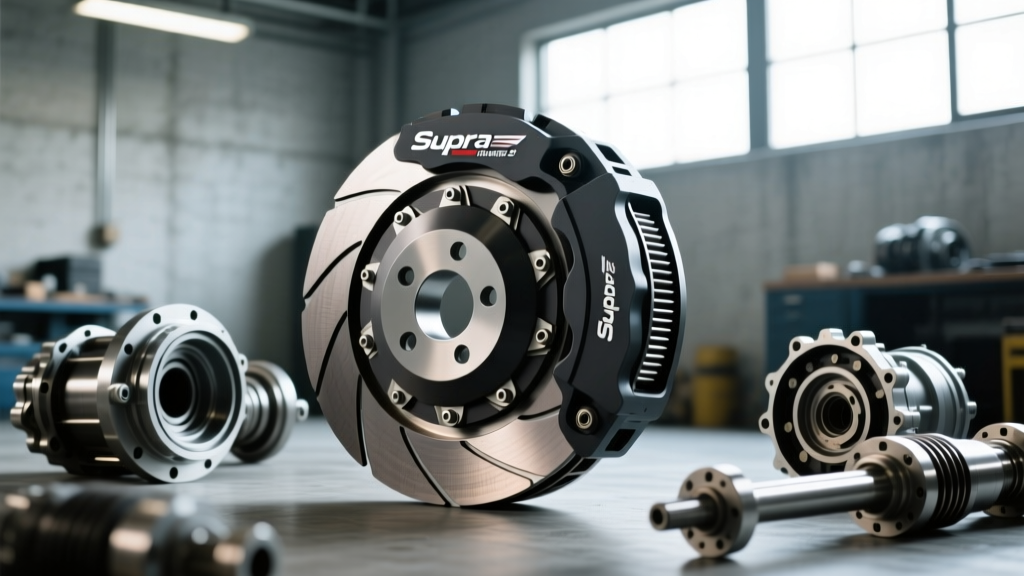
For the Supra ecosystem (specifically the W58 and Getrag V160 transmissions), a true Stage 2 competition clutch from reputable manufacturers like Exedy Globalparts or Advanced Clutch Technology (ACT) will reliably hold between 450 and 550 Wheel Horsepower (WHP), which translates to roughly 550–650 crank horsepower. However, holding power is only half the battle. Selecting the right racing clutch requires a systematic approach to friction materials, rotational mass, and hydraulic actuation.
The Marketing Myth: A clutch rated for 600 HP will not save you if your flywheel is warped, your pilot bearing is walking out, or your master cylinder lacks the hydraulic volume to fully disengage the heavy pressure plate.
Step-by-Step Racing Clutch Selection Guide for the Supra
Step 1: Map Your Power Curve and Usage Profile
Peak horsepower numbers are misleading when selecting a racing clutch. A 2JZ-GTE running a massive 72mm single turbo might make 550 WHP, but the torque curve is lazy, spooling late and reducing shock load on the friction disc. Conversely, a 2.8L stroker with a quick-spooling 62mm turbo and aggressive boost-by-gear mapping will generate massive low-end torque spikes that can shatter ceramic pucks and strip input shaft splines. If your Supra is a dedicated drag car, you need a sintered iron multi-disc setup. If it is a street/track hybrid, a Stage 2 cerametallic full-face disc is your optimal choice for 2026 build trends.
Step 2: Decode Friction Materials
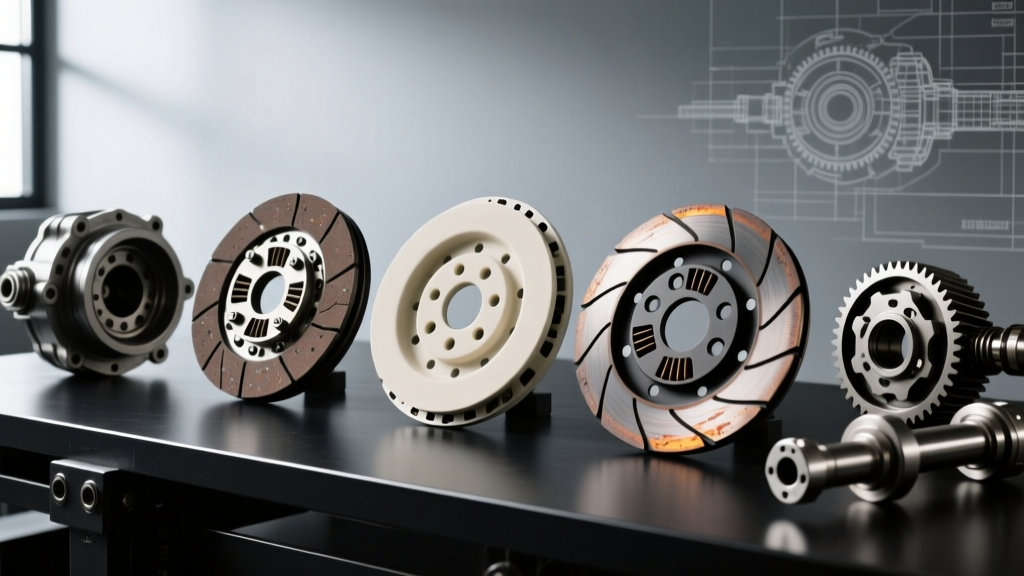
Understanding the metallurgy of your friction surface is critical. Below is a breakdown of what 'Stage' designations typically mean in the Supra aftermarket:
| Clutch Stage | Friction Material | WHP Capacity (Supra) | Pedal Effort | Best Application |
|---|---|---|---|---|
| Stage 1 | Heavy-Duty Organic | 350 - 450 WHP | +15% over OEM | Street, Light Track |
| Stage 2 | Cerametallic / Kevlar Blend | 450 - 550 WHP | +30% over OEM | Street/Track, Drift |
| Stage 3 | 4-Puck or 6-Puck Ceramic | 550 - 700 WHP | +50% over OEM | Time Attack, Drag |
| Stage 4+ | Sintered Iron / Twin Disc | 700 - 1200+ WHP | +80% over OEM | Purpose-Built Race |
For a Stage 2 setup, expect to pay between $550 and $850 in 2026 for a quality kit. Avoid unbranded eBay ceramic pucks; they will chatter violently at low RPMs and chew through your W58 input shaft splines.
Step 3: Address the Supra Hydraulic Bottleneck
The Mk4 Supra’s factory clutch master cylinder (CMC) and slave cylinder were designed for a light, organic OEM disc. When you install a Stage 2 pressure plate with 2,400+ lbs of clamp load, the factory hydraulics often fail to fully disengage the clutch, leading to gear crunching and premature disc wear. Actionable fix: Upgrade to an adjustable aftermarket CMC (like the Wilwood 3/4-inch high-volume unit) or install a braided stainless steel clutch line to eliminate hydraulic expansion under heavy pedal pressure.
Step 4: Flywheel Mass and Rotational Inertia
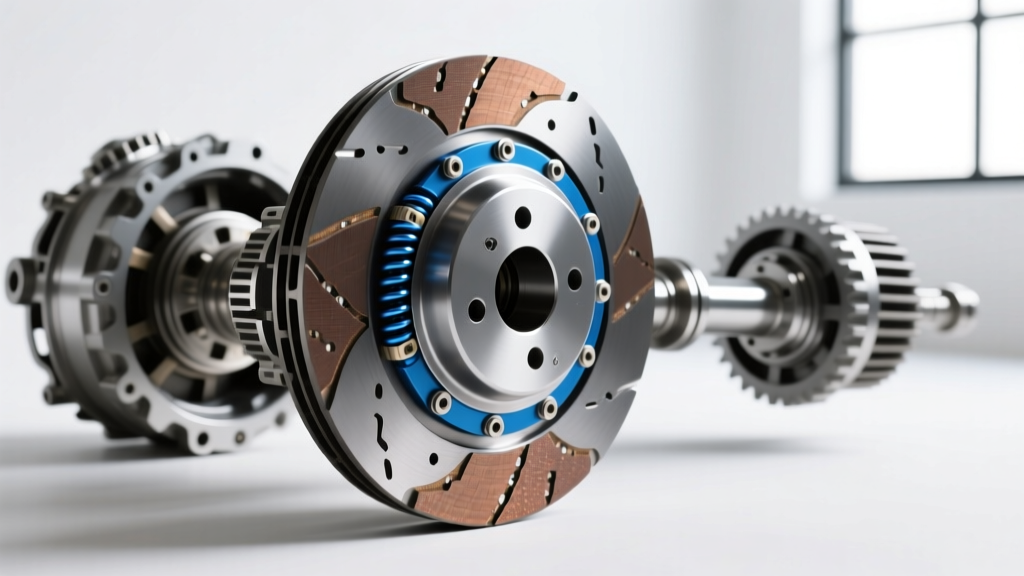
A Stage 2 clutch kit is only as good as the flywheel it mates to. For the 2JZ, dropping the heavy OEM dual-mass or thick single-mass flywheel for a 12-14 lb chromoly billet flywheel drastically improves throttle response. However, lighter flywheels store less kinetic energy, meaning you will need to slip the clutch more during 1-2 shifts to avoid bogging. Ensure your chosen flywheel is SFI-certified if you plan to run in organized drag or drift events, as chromoly wheels can fragment catastrophically if they exceed their RPM safety limits.
Critical Supra-Specific Drivetrain Weak Points
Before dropping the transmission to install your new Stage 2 clutch, you must address two notorious Supra failure points:
- The Pilot Bearing Walk-Out: The 2JZ crankshaft pilot bearing bore is known to wear slightly oversized. If the bearing walks out toward the transmission, it will bind the input shaft and destroy your new clutch and gearbox. Always use a high-quality Japanese bearing (e.g., Koyo or NTN) and apply a high-strength retaining compound (Loctite 638) to the outer race if the bore is loose.
- Throw-Out Bearing Collar Wear: The W58 and V160 input shaft bearing collars (quills) wear down over time, causing the throw-out bearing to rattle and bind. Inspect the collar for deep grooves. If worn, replace the collar or use a specialized sleeve repair kit before installing the new clutch fork.
- Rear Main Seal: A $15 OEM Toyota rear main seal is mandatory during a clutch job. A leaking RMS will contaminate your $700 Stage 2 cerametallic disc, ruining it instantly.
Factory Torque Specifications (W58 vs. V160)
Precision torque is non-negotiable when dealing with high-horsepower Supra drivetrains. Over-torquing the pressure plate can warp the diaphragm springs, leading to uneven clamping and catastrophic slipping at high boost. Below are the exact factory service manual (FSM) specifications for 2026 reference:
| Component | W58 (5-Speed) Torque Spec | Getrag V160 (6-Speed) Torque Spec |
|---|---|---|
| Flywheel to Crankshaft | 74 lb-ft (100 Nm) | 74 lb-ft (100 Nm) |
| Pressure Plate to Flywheel | 14 - 18 lb-ft | 22 lb-ft (30 Nm) |
| Bellhousing to Engine Block | 33 lb-ft | 54 lb-ft (Use new stretch bolts) |
| Driveshaft to Differential | 56 lb-ft | 56 lb-ft |
Pro-Tip: Always use a flywheel lock tool or engage the starter ring gear with a pry bar against the block when torquing the flywheel. Do not rely on the transmission being in gear to hold the crankshaft, as this places undue stress on the gearbox internals.
The 500-Mile Break-In Protocol
Installing a Stage 2 competition clutch is only 50% of the job; the break-in process dictates its lifespan. Cerametallic and Kevlar materials require heat cycling to transfer a uniform layer of friction material onto the flywheel and pressure plate faces.
- Miles 0-100: Drive in moderate traffic. Perform 10-15 gentle stop-and-go launches. Allow the clutch to slip slightly to generate moderate heat, but avoid aggressive launches or holding the car on an incline using the clutch pedal.
- Miles 100-300: Introduce highway driving and moderate acceleration. Perform 3-4 controlled 3rd-gear pulls at 50% throttle to elevate the friction surface temperature, followed by coasting to allow complete cooling.
- Miles 300-500: Avoid full-boost, wide-open-throttle (WOT) launches. The friction matrix is still curing. Hitting 500 WHP on a cold Stage 2 clutch at mile 50 will glaze the ceramic pucks, permanently ruining their coefficient of friction.
By treating your Supra's drivetrain with mechanical sympathy and adhering to precise selection and installation protocols, a Stage 2 competition clutch will provide thousands of miles of reliable, high-horsepower grip.