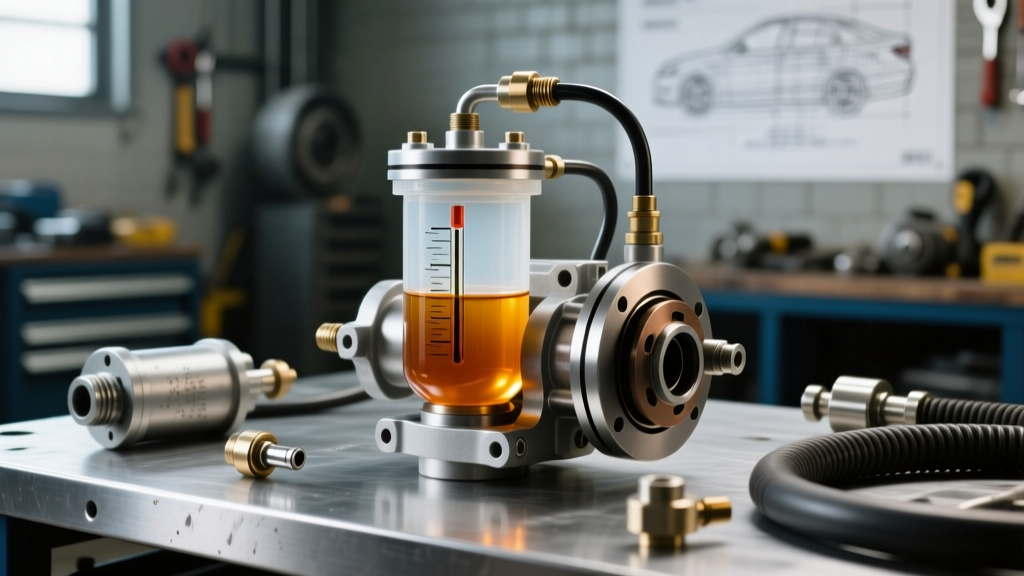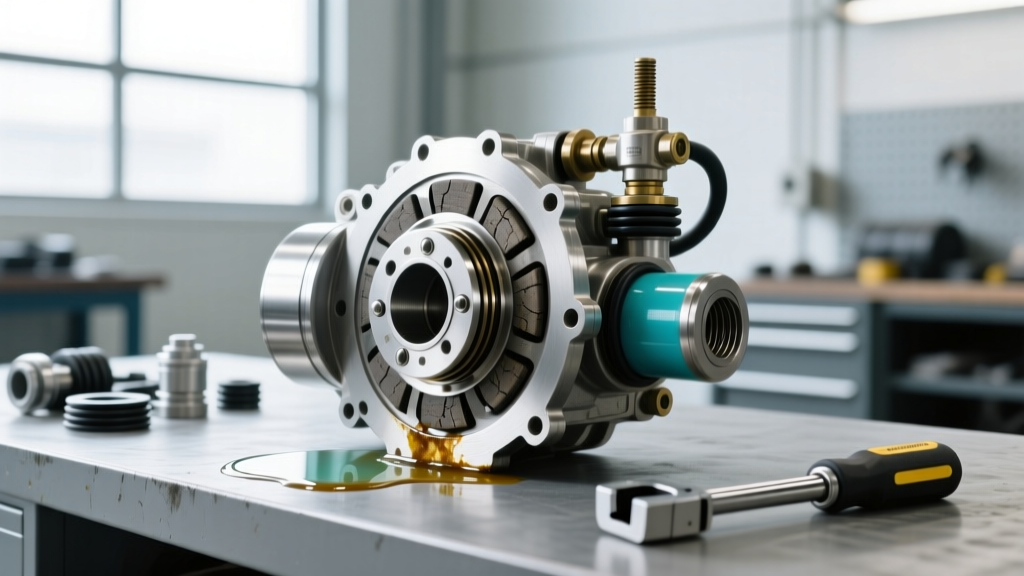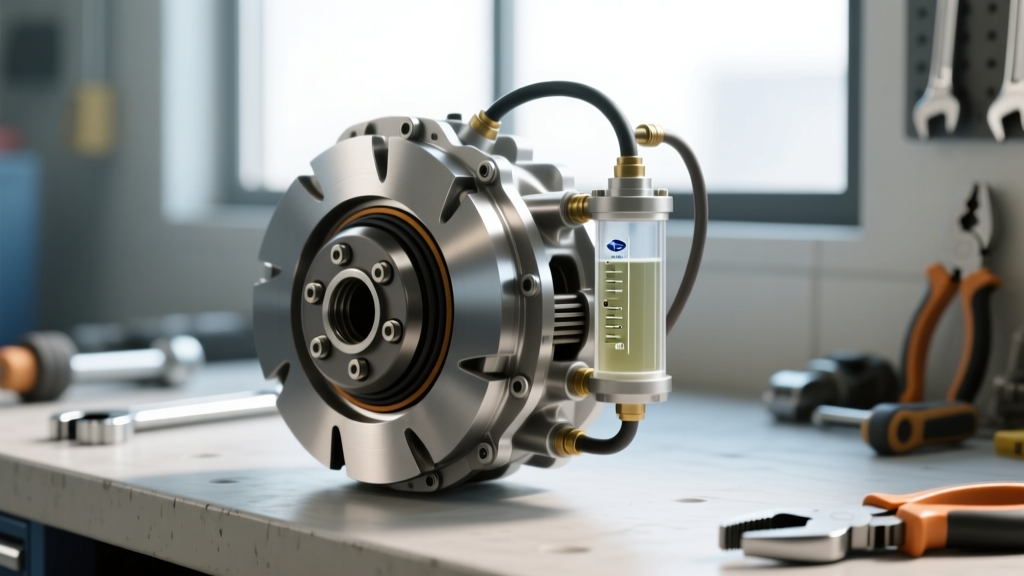
The Architecture of the WRX Clutch Hydraulic System
For enthusiasts pushing the limits of the Subaru TY75 (5-speed) and TY85 (6-speed) manual transmissions, the hydraulic clutch actuation system is often the weakest link. While the all-wheel-drive drivetrain and boxer engine configuration dominate the spotlight, the Subaru WRX clutch master cylinder (CMC) and its associated hydraulic network are critical for consistent gear engagement. As we navigate the 2026 performance landscape, aging GD, GE, GV, and VA chassis platforms are exhibiting widespread hydraulic fatigue, making proactive maintenance and strategic upgrades mandatory for both track-day competitors and street-driven rally builds.
The WRX hydraulic clutch system operates on a closed-loop, non-adjustable architecture. It begins at the pedal assembly, where the CMC converts mechanical foot pressure into hydraulic force. This pressure travels through a hard steel line routed along the chassis, transitions into a flexible soft line (often housing the controversial clutch delay valve), and terminates at the external slave cylinder mounted on the passenger side of the transmission bellhousing. The slave cylinder actuates the release fork, which presses the throw-out bearing against the pressure plate diaphragm fingers to disengage the clutch.
Diagnosing the Dreaded 'Pedal Sink' and Delayed Engagement
Subaru's hydraulic systems are notorious for two specific failure modes: the 'pedal sink' (where the pedal slowly drops to the floor while holding the car in gear at a stoplight) and delayed engagement (the clutch fails to disengage instantly, resulting in gear grind during rapid shifts). Diagnosing these issues requires isolating the CMC from the slave cylinder and the transmission internals.
Diagnostic Isolation Protocol
- Step 1: Visual Inspection. Check the external slave cylinder boot for weeping DOT fluid. Inspect the hard line flare nuts and the soft line banjo fittings for micro-leaks. A wet bellhousing indicates a failing slave cylinder seal or a leaking hydraulic line connection.
- Step 2: The Zip-Tie Test (Pedal Sink). If the pedal sinks under pressure but no external leaks are visible, the CMC internal seals are bypassing fluid back into the reservoir. Zip-tie the clutch pedal to the steering wheel overnight. If the pedal remains depressed in the morning, the slave cylinder or a line is leaking. If the pedal returns to its normal height, the internal seals of the Subaru WRX clutch master cylinder have failed and are bypassing fluid under sustained load.
- Step 3: Delayed Engagement Analysis. If the pedal feels firm but the transmission grinds during fast 2nd-to-3rd gear shifts, the issue is rarely the CMC bore size. It is almost always air trapped in the slave cylinder, a worn clutch fork pivot ball, or the restrictive clutch delay valve choking fluid flow.
OEM vs. Aftermarket: CMC and Slave Cylinder Data Matrix
When replacing or upgrading your hydraulic components, understanding bore sizing is critical. A larger bore CMC moves more fluid per pedal stroke, resulting in a heavier pedal feel but faster clutch disengagement. Below is a comparative matrix of common setups for the 2002-2021 WRX/STI platforms.
| Component Type | Part Number / Brand | Bore Size | Est. Price (USD) | Best Application |
|---|---|---|---|---|
| OEM Replacement CMC | Subaru 30610AA052 | 5/8' (0.625') | $65 - $85 | Stock clutch, daily driving |
| OEM Slave Cylinder | Subaru 30620AA040 | 3/4' (0.750') | $45 - $60 | Stock clutch, daily driving |
| Performance CMC | Grimco / Wilwood | 7/8' (0.875') | $120 - $160 | Heavy twin-disc, track use |
| Aftermarket Slave | IAG Performance / OEM | 3/4' (0.750') | $80 - $110 | Upgraded single/twin discs |
Expert Note: Upgrading to a 7/8' bore CMC without reinforcing the firewall will result in severe pedal flex. The increased hydraulic pressure will literally bend the sheet metal behind the pedal assembly, mimicking the symptoms of air in the lines. Always pair a large-bore CMC with a billet aluminum firewall reinforcement plate or spacer kit.
Fluid Dynamics: DOT 3, DOT 4, and High-Temp Alternatives
The factory service manual historically specifies DOT 3 brake fluid for the clutch hydraulic system. However, DOT 3 is highly hygroscopic and has a relatively low dry boiling point (approx. 401°F / 205°C). In a performance WRX, heat soak from the turbocharger and exhaust routing near the transmission tunnel can elevate fluid temperatures, leading to vapor lock and a spongy pedal.
For any modified WRX, flushing the system with a high-quality DOT 4 or DOT 5.1 fluid is a mandatory maintenance step. Fluids like Motul RBF 600 (Dry BP: 593°F / 312°C) or Castrol SRF provide vastly superior thermal stability. Because the clutch system shares the reservoir with the brake master cylinder on most Subaru models, upgrading your clutch fluid inherently upgrades your brake fluid, provided you perform a complete system flush. Flush intervals should not exceed 24 months, as moisture absorption degrades boiling points and corrodes the internal aluminum and steel components of the CMC and slave cylinder.
Precision Replacement: Torque Specs and Installation Protocol
Replacing the Subaru WRX clutch master cylinder requires working in the tight confines of the driver's side footwell and the engine bay. Stripped flare nuts or cracked reservoir tanks are common pitfalls for amateur mechanics. Follow these precise torque specifications to ensure a leak-free, structurally sound installation.
Fastener Torque Specifications
- CMC to Firewall Mounting Nuts (12mm head): 14.5 ft-lbs (19.6 Nm). Do not overtighten; the firewall sheet metal will deform, altering pedal geometry.
- Hard Line Flare Nut to CMC (10mm): 11 ft-lbs (15 Nm). Use a high-quality flare nut wrench to prevent rounding the soft brass/steel nut.
- Reservoir Tank to CMC Bolts: Hand-tighten plus 1/4 turn. Over-torquing will crack the plastic reservoir neck.
- Slave Cylinder to Bellhousing Bolts (12mm head): 18 ft-lbs (24.4 Nm). Apply blue Loctite to the threads to prevent backing out under drivetrain vibration.
When installing a new CMC, it is critical to bench-bleed the unit before connecting the hard line. Clamp the CMC in a vise, fill the reservoir, and use a blunt tool to slowly depress the piston while submerged in fluid. This expels trapped air from the primary and secondary seals, drastically reducing the time required to bleed the chassis lines later.
Advanced Bleeding and the Clutch Delay Valve Deletion
Gravity bleeding and standard pedal-pumping methods are notoriously ineffective on the Subaru WRX. The routing of the hard line over the transmission bellhousing creates natural high points where air bubbles become trapped, completely immune to gravity bleeding. Furthermore, the OEM soft line contains a restrictive 'clutch delay valve' designed to soften engagement for novice drivers. This valve acts as an air trap and restricts the rapid fluid movement required for high-RPM shifting.
The Reverse Bleed and Delay Valve Delete Protocol
- Delete the Delay Valve: Remove the OEM soft line. Replace it with a direct-fit stainless steel braided clutch line (available from manufacturers like Rallysport Direct or IAG Performance). This eliminates the restrictive valve and removes a major failure point.
- Prepare the Reverse Bleeder: Connect a reverse bleeder (such as a Motive Products 0107) to the slave cylinder bleeder nipple. Reverse bleeding forces fluid UP through the system, naturally carrying air bubbles back into the CMC reservoir, following the path of least resistance.
- Pressurize and Flush: Pump the reverse bleeder to 12-15 PSI. Open the slave cylinder bleeder valve and push approximately 16oz of fresh DOT 4 fluid through the system until zero micro-bubbles are visible in the master cylinder reservoir.
- The 'Clutch Fork' Massage: With the system pressurized, use a prybar to gently push the clutch release fork forward and release it. This mechanical shockwave dislodges stubborn air bubbles trapped inside the slave cylinder bore or behind the throw-out bearing collar.
By addressing the hydraulic architecture holistically—upgrading the bore size, deleting the delay valve, reinforcing the firewall, and utilizing reverse bleeding techniques—you transform the WRX clutch pedal from a vague, unreliable liability into a precise, telepathic instrument. Proper maintenance of the Subaru WRX clutch master cylinder and its peripheral components ensures that the power generated by your EJ20, EJ25, or FA24 engine is effectively and instantly translated to the tarmac.
For further technical documentation on Subaru transmission hydraulics and OEM part supersessions, consult the official Subaru Parts catalog or reference service bulletins provided by your local dealer network.