The Class 8 Hydraulic Clutch Landscape
In the heavy-duty trucking sector, downtime is the ultimate enemy. For owner-operators and fleet managers running manual Eaton Fuller 10, 13, or 18-speed transmissions, the hydraulic clutch system is a critical link between driver input and drivetrain engagement. At the heart of this system is the freightliner cascadia clutch master cylinder (CMC). While the Cascadia is an aerodynamic and mechanical marvel, its OEM composite and plastic-backed hydraulic components are prone to degradation under extreme thermal cycling and high-mileage vibration.
As we navigate the 2026 freight landscape, heavier loads and stricter efficiency mandates mean trucks are working harder than ever. A spongy pedal or a slow fluid leak isn't just an annoyance; it is a precursor to missed shifts, clutch brake failure, and catastrophic transmission damage. This guide moves beyond basic troubleshooting, offering a deep-dive into advanced leak diagnosis and performance-oriented upgrades to fortify your Cascadia's clutch hydraulics.
Anatomy of the Cascadia Clutch Master Cylinder
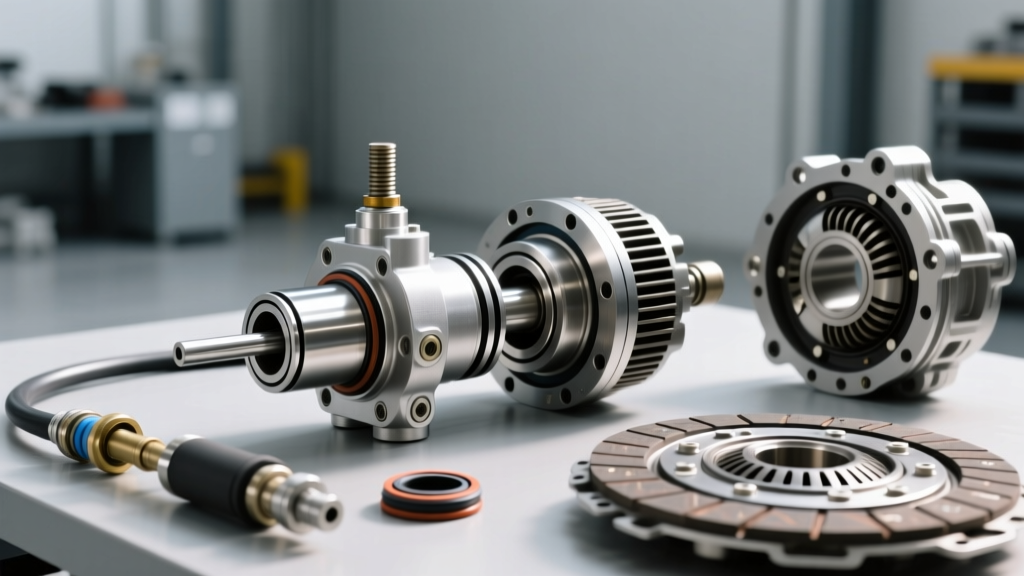
Before diagnosing a leak, you must understand the operating environment of the OEM CMC. Most Freightliner Cascadia models equipped with manual transmissions utilize a firewall-mounted, push-rod actuated master cylinder, typically manufactured by LuK Clutch Systems or Eaton. These units operate under immense pressure, routinely seeing line pressures between 400 and 600 PSI during heavy clutch engagement.
The OEM units often feature a composite plastic body to save weight and reduce manufacturing costs. While adequate for standard highway cruising, the plastic-to-metal threaded inserts and internal rubber cup seals are highly susceptible to micro-fractures and thermal expansion mismatches when the truck is subjected to steep grade descents or prolonged stop-and-go drayage operations.
Step-by-Step Hydraulic Leak Diagnosis
Hydraulic leaks in Class 8 trucks generally fall into two categories: external weeping and internal bypassing. Accurate diagnosis requires a systematic approach to avoid misdiagnosing a failing slave cylinder as a master cylinder fault.
1. External Leak Identification
External leaks are visible but can be deceptive due to the Cascadia's complex firewall routing and aerodynamic chassis fairings.
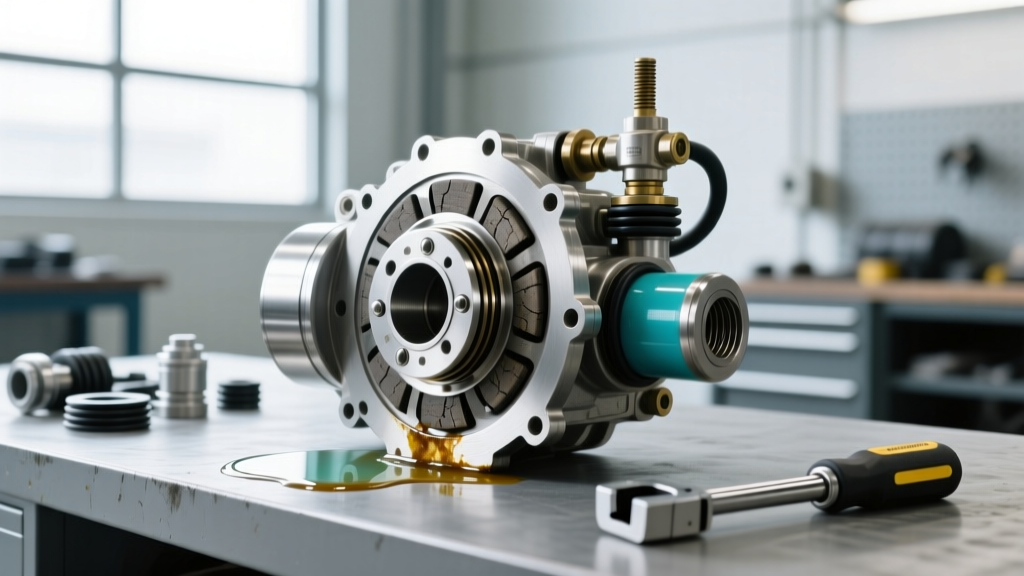
- The Firewall Weep: Inspect the carpet and insulation directly behind the brake and clutch pedals. A wet, oily residue smelling of glycol indicates the CMC rear push-rod seal has failed. Fluid bypasses the seal and drips down the firewall.
- The Line Fitting Seepage: The quick-connect fittings on the OEM plastic CMC are notorious for developing hairline cracks. Use a UV dye additive in the DOT 4 fluid and inspect the quick-connect collars under a blacklight. If the plastic collar shows stress fractures, the entire CMC or the hard-line assembly must be replaced.
- The Reservoir Breather Cap: Often overlooked, a clogged breather cap on the shared or standalone fluid reservoir can cause vacuum lock or force fluid out past the cap seal during high-heat expansion, mimicking a CMC body leak.
2. Internal Bypass and Pedal Drop
Internal leaks leave no puddles but are far more dangerous. When the internal primary or secondary cup seals wear out or score the cylinder bore, fluid bypasses internally from the high-pressure side back to the low-pressure reservoir side.
Diagnostic Test: With the engine off and the parking brakes set, press the clutch pedal to the floor and hold steady pressure for 60 seconds. If the pedal slowly rises toward your foot, or if it sinks to the floor without any external fluid loss, the internal CMC seals have failed. This is a common failure mode on high-mileage Cascadias exceeding 600,000 miles.
Performance Upgrades: Eliminating the Weak Links
Once a leak is diagnosed and the OEM unit is condemned, the performance-oriented approach is not simply to replace it with another identical plastic OEM unit. Upgrading the hydraulic circuit ensures consistent pedal feel, prevents vapor lock, and extends service intervals.
High-Temperature Fluid Conversions
OEM specifications typically call for standard DOT 3 or basic DOT 4 fluid. However, the proximity of the Cascadia's clutch hydraulic lines to the diesel particulate filter (DPF) and exhaust manifolds creates extreme under-hood ambient temperatures. Upgrading to a high-performance DOT 4 or DOT 5.1 fluid (such as Motul RBF 600 or Castrol SRF) raises the dry boiling point from 446°F (230°C) to over 620°F (325°C). This virtually eliminates vapor lock, which often mimics a hydraulic leak by introducing compressible gas into the system.
Braided Stainless Lines and Heavy-Duty CMCs
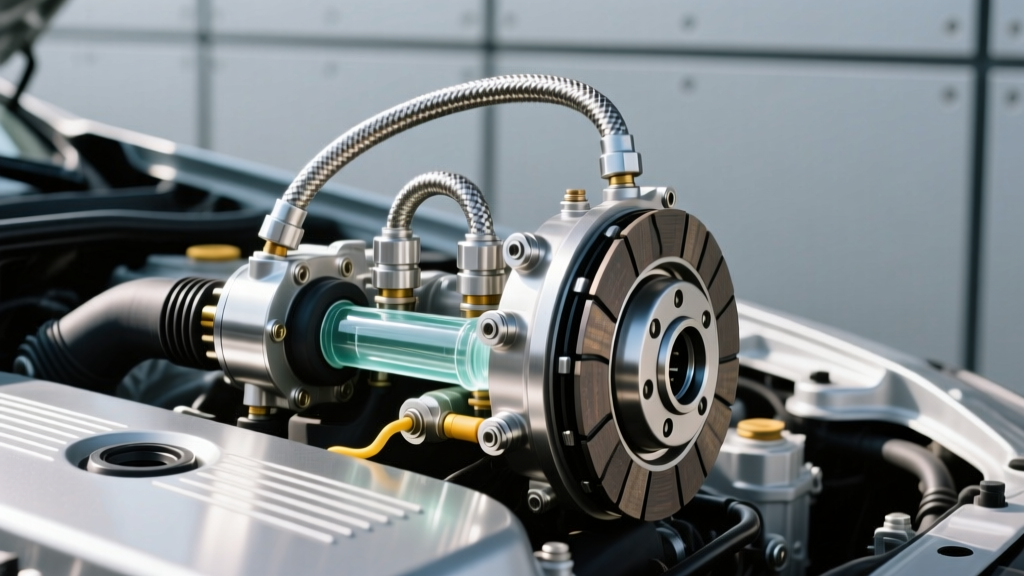
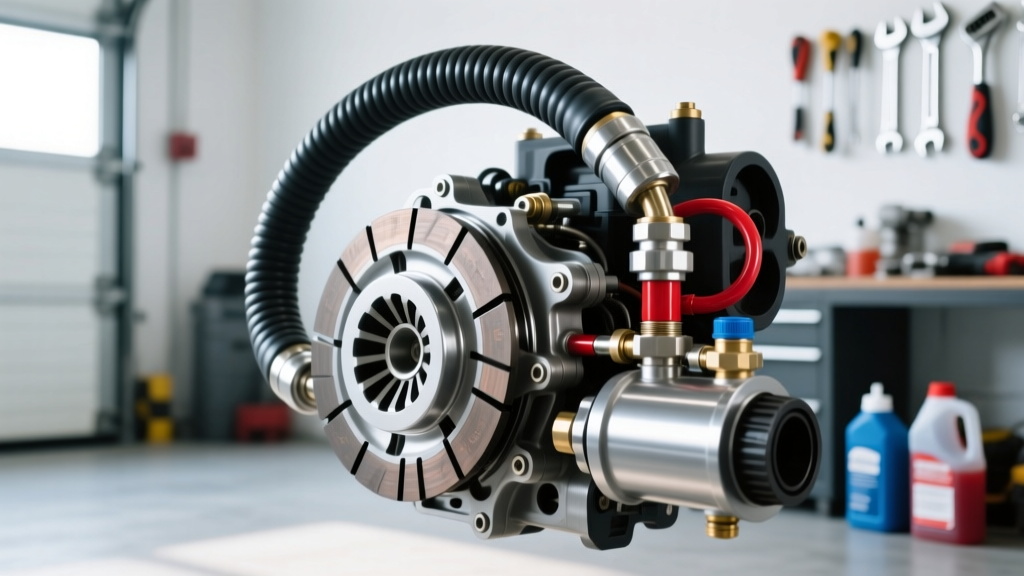
The OEM hard plastic lines running down the chassis frame rail are vulnerable to road debris and chafing. Replacing the CMC-to-slave line with a DOT-certified braided stainless steel hose eliminates expansion under pressure. When paired with an aftermarket heavy-duty aluminum-body CMC (available from performance heavy-duty suppliers), you eliminate the plastic body flex that contributes to a spongy pedal feel and premature seal wear.
OEM vs. Performance Upgrade Comparison
The following table contrasts the standard replacement route against a comprehensive performance upgrade for the Cascadia's clutch hydraulic system.
| Feature | OEM Composite CMC & Plastic Line | Performance Aluminum CMC & Braided Line |
|---|---|---|
| Body Material | Glass-filled Nylon / Composite | Billet or Cast Aluminum with Steel Sleeves |
| Estimated Cost (Parts) | $110 - $160 | $280 - $450 |
| Pedal Feel | Softens over time; prone to flex | Immediate, rigid, and consistent |
| Thermal Resistance |