The Anatomy of BRZ and Toyota 86 Clutch Pedal Failures
The 2013-2020 Subaru BRZ and Toyota 86, powered by the FA20 engine and mated to the Aisin TL70 6-speed manual transmission, are celebrated for their balanced chassis and communicative steering. However, as these vehicles age and enter the 2026 market as highly modified track staples, a glaring weak point has emerged: the hydraulic clutch system and release mechanism. Clutch pedal problems in this chassis are rarely just 'low fluid.' They are usually symptomatic of specific, model-oriented failure points ranging from the infamous clutch delay valve (CDV) to catastrophic clutch fork pivot ball wear.
Understanding these nuances is critical, especially when you need to perform emergency maneuvers or figure out how to clutch start a car when the hydraulic system has completely abandoned you. This model-specific repair guide breaks down the exact symptoms, diagnostic procedures, and mechanical repairs required to restore your TL70 transmission's pedal feel.
Decoding Clutch Pedal Symptoms: Soft, Hard, and Vibrating
Before tearing into the bellhousing, you must accurately map the pedal's behavior to the corresponding TL70 failure mode.
1. Soft or Spongy Pedal (The CDV and Master Cylinder)
If your clutch pedal feels spongy, delays its return during rapid shifts, or slowly sinks to the floor at a stoplight, you are likely dealing with one of two issues:
- The Clutch Delay Valve (CDV): Subaru installed a restrictor valve in the OEM clutch line (and sometimes integrated into the master cylinder) to smooth out engagement for novice drivers. This restricts fluid flow, trapping air and causing a spongy, inconsistent pedal. Deleting the CDV is the most common first step for track-focused builds.
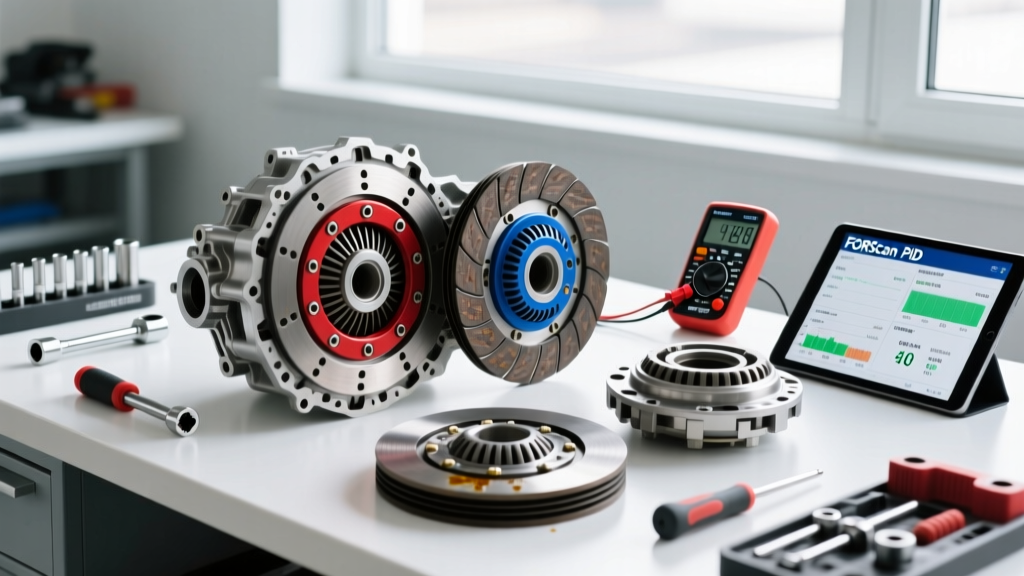
- Master Cylinder Internal Bypass: The OEM master cylinder (Part # 30610AJ020) is prone to internal cup seal degradation. Fluid bypasses the piston inside the bore, resulting in a pedal that slowly drops to the floor when held down, even with no external leaks.
2. Hard, Notchy, or Stuck Pedal (The Clutch Fork Pivot Ball)
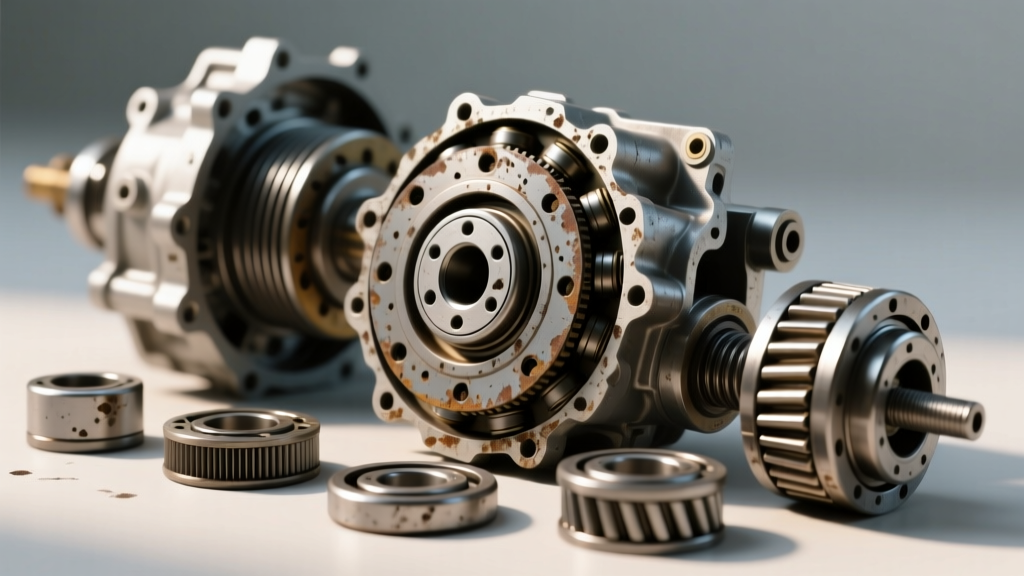
This is the most notorious and expensive failure on the TL70 transmission. The stamped steel clutch release fork rides on a small, hardened steel pivot ball pressed into the aluminum bellhousing. Over 60,000 to 80,000 miles, the fork wears a deep groove into the pivot ball. Symptoms include a vibrating pedal at the top of its travel, a 'notchy' feeling when engaging first gear, and eventually, a pedal that becomes rock-hard or sticks to the floor because the fork has physically bound against the worn ball. If left unchecked, the fork will snap, leaving you stranded.
3. Vibrating Pedal on Engagement
If the pedal vibrates violently only at the friction zone (clutch chatter), the issue is rarely hydraulic. On the FA20/TL70 platform, this is typically caused by a failed engine pitch stop mount (the 'T-bone' mount on top of the engine), allowing engine harmonics to transfer directly through the transmission bellhousing into the pedal box. Secondary causes include a contaminated Exedy single-mass flywheel friction surface or worn clutch hub springs.
How to Clutch Start a Car with Pedal Failure
Modern manual vehicles, including the BRZ, utilize a clutch interlock safety switch. The starter solenoid will not receive power unless the clutch pedal is fully depressed, actuating the plunger switch on the pedal bracket. But what happens when your clutch pedal problems prevent the car from starting?
Scenario A: Bypassing the Interlock Switch (Hydraulic Failure)
If your master cylinder has failed and the pedal is entirely soft, it may not travel far enough to hit the interlock switch, or the pushrod may have snapped. To clutch start a car (initiate the starter motor) in this emergency:
- Locate the 2-pin clutch interlock switch connector on the pedal box.
- Unplug the connector and use a paperclip or jumper wire to bridge the two terminals.
- CRITICAL WARNING: Because your hydraulic system is failed, you cannot disengage the clutch. You must ensure the transmission is in NEUTRAL before turning the key. If you crank the engine in gear with a failed clutch disengagement system, the car will violently lurch forward, potentially causing severe injury or property damage.
Scenario B: The Emergency Bump Start (Push Start)
If your battery is dead AND your clutch pedal is spongy (meaning you cannot rely on the starter motor even if you bypass the switch), you must perform a traditional bump start. According to drivetrain experts at FT86Club, the TL70 transmission's synchros are robust, but bump starting requires precise technique to avoid drivetrain shock:
- Turn the ignition to the 'ON' (II) position.
- Depress the clutch (even if spongy) and shift into 2nd gear (1st gear is too aggressive and will lock the drive wheels).
- Have helpers push the car to 10-15 mph.
- Release the clutch pedal abruptly. As the engine catches and RPMs rise, immediately press the clutch back in to prevent stalling.
Note: If you suspect clutch fork pivot ball wear (hard/notchy pedal), do NOT attempt a bump start. The sudden shock load can shear the compromised fork or shatter the bellhousing.
Model-Specific Repair Guide: Hydraulics and Fork Inspection
When sourcing replacement parts, the aftermarket has vastly improved upon OEM designs. As of 2026, upgrading to an Exedy master cylinder (which deletes the CDV internally) and a heavy-duty slave cylinder is the industry standard. You can source these reliably through platforms like RockAuto or FCP Euro.
The Borescope Diagnostic Trick
Before ordering a new clutch kit, you must verify the condition of the clutch fork pivot ball. You do not need to drop the transmission to do this:
- Remove the two 12mm bolts securing the slave cylinder to the bellhousing.
- Carefully push the slave cylinder aside and peel back the rubber dust boot.
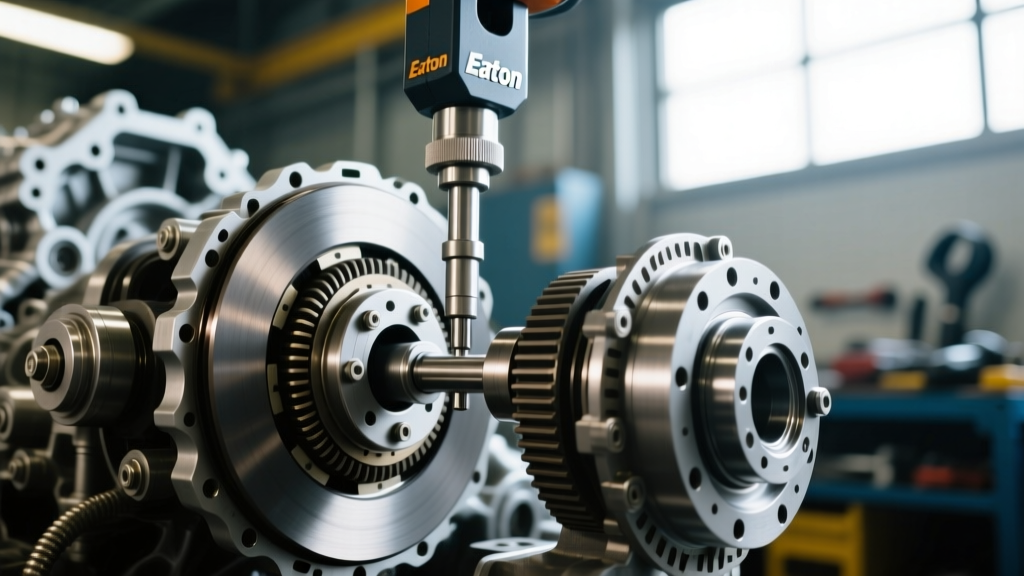
- Insert an articulating borescope camera into the slave cylinder opening.
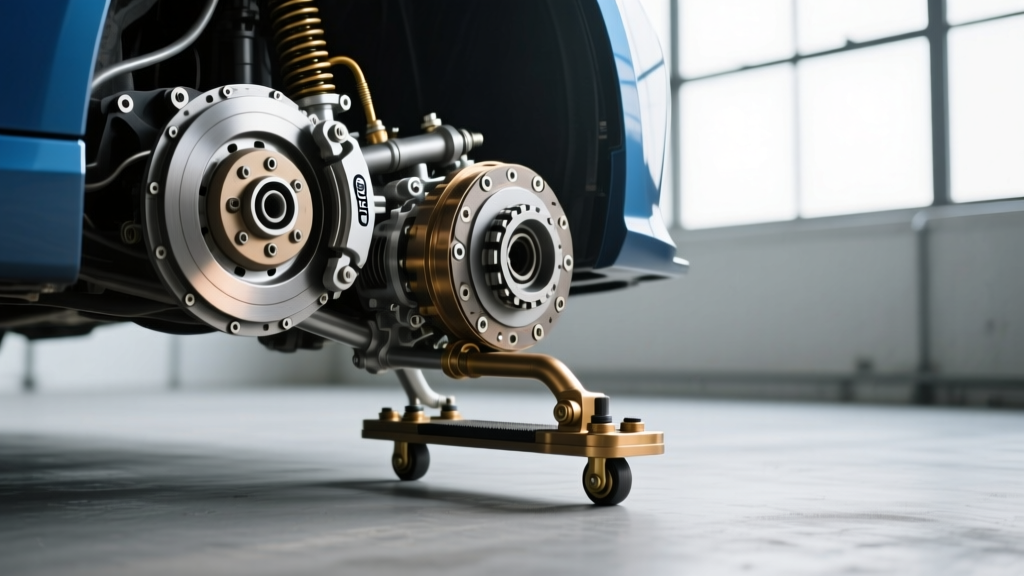
- Inspect the slot where the clutch fork rides on the pivot ball. If you see deep scoring, metal shavings, or a visible lip worn into the ball, the transmission must be removed to replace the fork and upgrade to a brass/bronze aftermarket pivot ball.
Torque Specs and Fluid Bleeding Protocol
The BRZ clutch hydraulic system holds approximately 0.3L of fluid. Because the clutch line routes up and over the transmission bellhousing before dropping down to the slave cylinder, it creates a high-point air trap. Gravity bleeding is entirely ineffective on this chassis.
Required Torque Specifications
- Master Cylinder Mounting Nuts (x2): 13 Nm (9.6 lb-ft)
- Slave Cylinder Mounting Bolts (x2): 25 Nm (18 lb-ft)
- Clutch Line Flare Nut: 15 Nm (11 lb-ft) - Use a flare-nut wrench to avoid rounding.
- Transmission Bellhousing to Engine Block: 50 Nm to 75 Nm (depending on bolt length/location).
The Pressure Bleed Method
Use a high-quality DOT 4 fluid like Motul RBF 600. Attach a pressure bleeder to the master cylinder reservoir and set the pressure to exactly 15-20 PSI. Do not exceed 25 PSI, or you risk blowing out the OEM slave cylinder seals. Open the bleeder valve on the slave cylinder and let fluid flow until it is completely free of micro-bubbles. Have a helper slowly pump the pedal 10 times while maintaining pressure to dislodge any air trapped in the master cylinder compensator port.
Subaru BRZ Clutch Repair Data & Cost Breakdown (2026)
| Component | OEM Part Number | Aftermarket Upgrade | Est. Cost (2026) |
|---|---|---|---|
| Master Cylinder | 30610AJ020 | Exedy EM081 (No CDV) | $95 - $140 |
| Slave Cylinder | 30620AJ000 | Exedy ES081 | $55 - $85 |
| Clutch Fork & Pivot | 30531AA051 | Aftermarket Brass Pivot Kit | $130 - $190 |
| Clutch Interlock Switch | 83281AJ000 | OEM Replacement Only | $25 - $40 |
| Fluid (Motul RBF 600) | N/A | DOT 4 High Temp | $18 - $25 |
By understanding the specific failure points of the TL70 transmission and mastering emergency starting procedures, you can keep your FA20-powered coupe on the road—and the track—safely and reliably.