The Stage 1 Clutch Kit Philosophy for Daily-Driven Performance
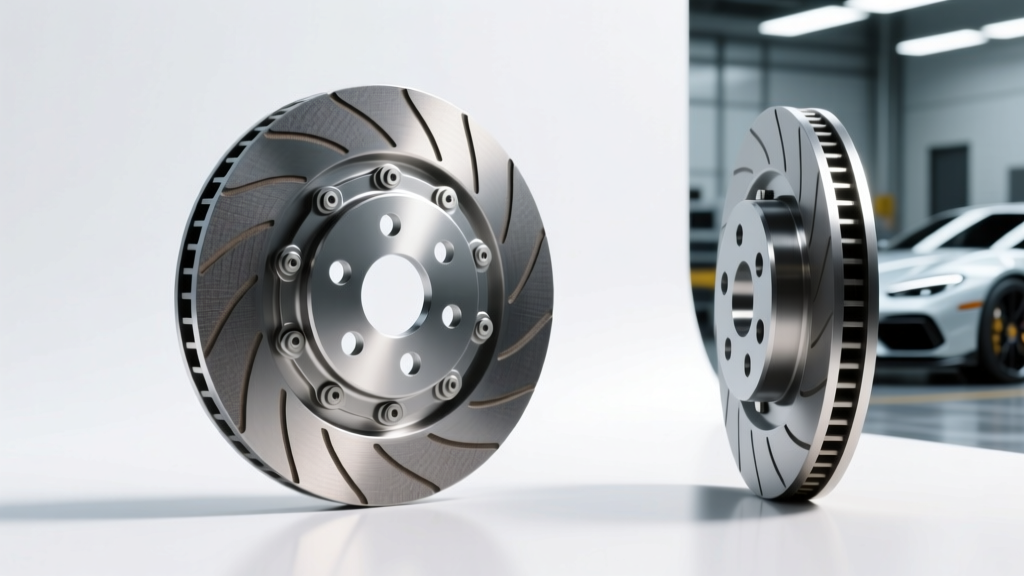
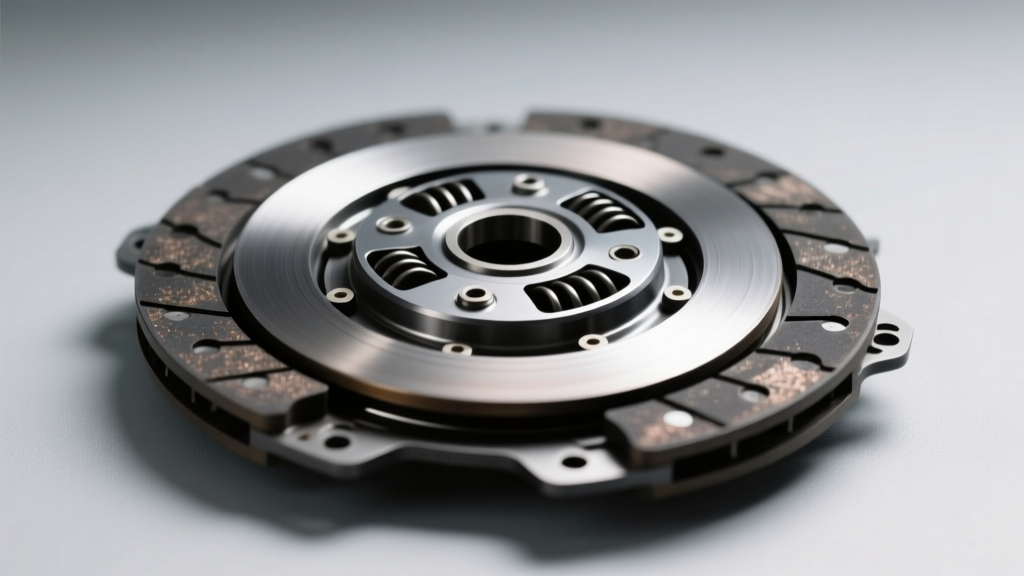
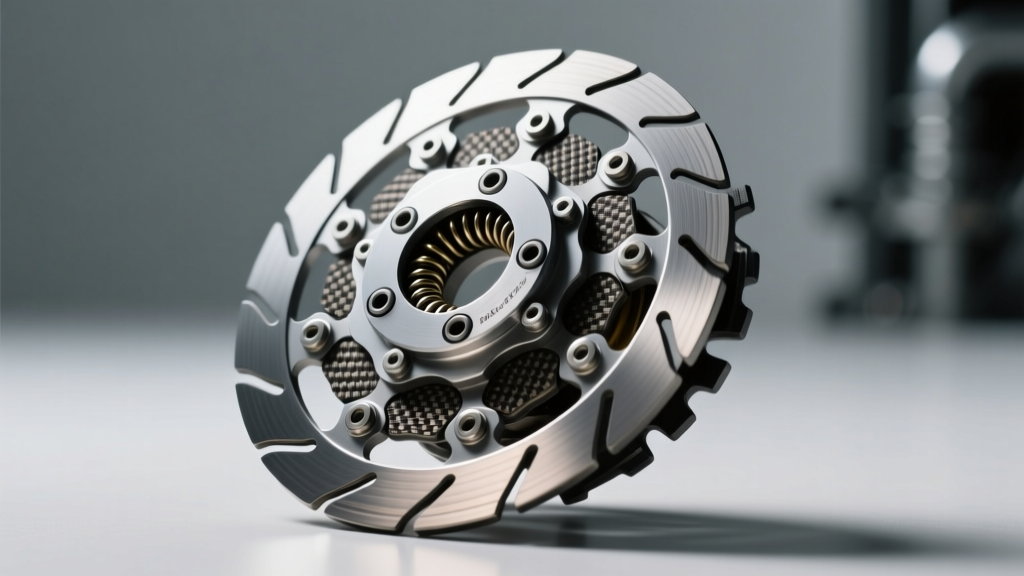
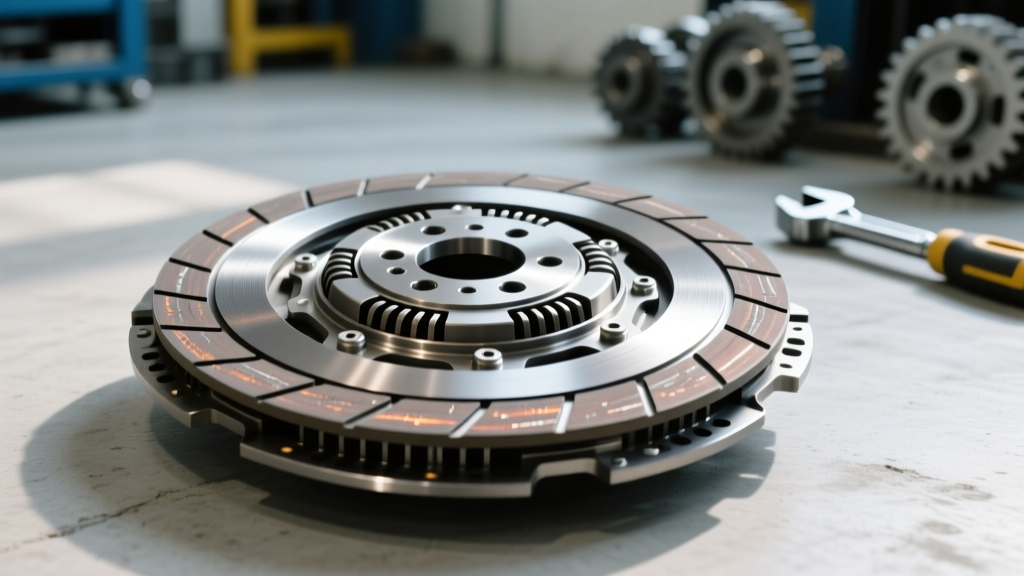
In the modern performance landscape, the definition of a stage 1 clutch kit has evolved. Gone are the days when an entry-level upgrade meant sacrificing your left knee to a heavy, on-off pedal feel. For 2026, a true Stage 1 setup prioritizes a 15% to 30% increase in clamping load over OEM, paired with a full-faced organic or carbon-Kevlar friction disc. Crucially, these kits retain the Marcel (wave) spring and heavy-duty hub dampeners to absorb drivetrain shock and maintain daily-drivable engagement. Whether you are tuning a high-revving turbo four-cylinder or a torque-heavy V8, selecting the right friction material and pressure plate combination is vital to protect your transmission input shaft and dual-mass or lightweight single-mass flywheel.
This guide breaks down the exact specifications, part numbers, and installation torque values for three of the most popular performance platforms on the road and track today: the Honda Civic (Type R/Si), the Subaru WRX, and the Ford Mustang GT.
Honda Civic (K20C1 & L15B7): High-Revving Organic Grip
The Honda Civic platform, particularly the K20C1 (Type R) and L15B7 (Si), operates at high RPMs and relies heavily on precise rev-matching and rapid engagement. The OEM dual-mass flywheel (DMF) on the K20C1 is notoriously fragile under tuned conditions, often failing when torque exceeds 320 lb-ft at the wheels. When upgrading, pairing a Stage 1 kit with a lightweight single-mass flywheel (SMF) is the industry standard.
Recommended Kit: ACT HD/Performance Street
For the K20C1 and L15B7, the ACT HD/Performance Street kit (Part Number: HA3-HDSS for DMF replacement or HA3-HDG6 for SMF) remains the benchmark. It utilizes ACT's Heavy Duty pressure plate, which increases clamp load to approximately 2,300 lbs (a 22% increase over stock). The disc features a full-faced organic friction material with a heavy-duty spring-centered hub.
- Friction Material: Premium organic blend with high-copper content for thermal stability.
- Clamp Load: ~2,300 lbs.
- Torque Capacity: Rated for up to 380 lb-ft at the crank.
- 2026 Pricing: $680 - $750 (Kit only, excluding flywheel).
Installation Torque Specs & Flywheel Notes
When mating the ACT pressure plate to the flywheel on the K20C1, the M8x1.25 pressure plate bolts must be torqued in a star pattern to 19 lb-ft (26 Nm). Do not use impact wrenches for final tightening, as this will warp the diaphragm springs. The flywheel-to-crankshaft bolts (M12x1.25) require a torque-to-yield sequence: 76 lb-ft (103 Nm) plus an additional 90-degree turn. Always use new OEM Honda flywheel bolts, as the factory TTY bolts stretch and are unsafe for reuse.
Subaru WRX (FA20DIT & EJ257): AWD Launch Dynamics
Subaru's symmetrical all-wheel-drive system introduces unique drivetrain stresses. During a hard launch, the pitching moment of the engine and the instantaneous grip of all four wheels place massive shear stress on the clutch disc hub. A Stage 1 clutch kit for the WRX must feature an ultra-rigid hub damper to prevent the center spline from wallowing out the transmission input shaft, a common failure point on the 6-speed and 5-speed manual transmissions.
Recommended Kit: Exedy Stage 1 Organic
Exedy is the OEM supplier for Subaru, making their aftermarket Stage 1 Organic kit (Part Number: SUB023U for 2015+ VA chassis, or SUB021U for older GR/GV models) the most reliable choice for street-to-strip duty. Exedy's Stage 1 disc utilizes a specialized carbon-organic composite that provides a slightly more aggressive bite than pure organic, which is necessary to prevent slip during AWD launches.
- Friction Material: Carbon-organic composite with high-silica facing.
- Clamp Load: ~2,150 lbs (18% increase over OEM).
- Torque Capacity: Rated for up to 350 lb-ft at the crank.
- 2026 Pricing: $420 - $480.
AWD-Specific Clutch Drag & Release Bearing Wear
A common issue on the FA20DIT WRX is premature release bearing wear due to the self-adjusting clutch cable/hydraulic geometry. When installing the Exedy Stage 1, ensure the clutch fork pivot ball is inspected for wear. Torque the M8x1.25 pressure plate bolts to 18 lb-ft (24 Nm). The flywheel bolts (M10x1.25 for EJ25, M12 for FA20) must be torqued to 69 lb-ft (94 Nm) plus 90 degrees. If you experience clutch drag or difficulty entering 1st gear from a stop, bleed the hydraulic system using a pressure bleeder at 15 PSI to ensure all air is purged from the slave cylinder line.
Ford Mustang GT (5.0L Coyote): Managing V8 Shock Loads
The 5.0L Coyote V8 produces massive low-end torque, and when paired with the MT-82 or Tremec T-56 Magnum transmissions, the shock load during 1-2 and 2-3 shifts can shatter brittle ceramic pucks. A Stage 1 clutch kit for the Mustang GT must prioritize torsional dampening. Full-faced discs with robust polyurethane or heavy steel spring dampeners are mandatory to protect the transmission synchros and gear teeth.
Recommended Kit: Clutch Masters FX100
The Clutch Masters FX100 (Part Number: 08025-HD00 for 2018-2023 models) is engineered specifically for the Coyote's torque curve. It features a high-leverage diaphragm pressure plate that actually reduces pedal effort by 10% while increasing clamping force by 25%. The disc is a full-faced organic/kevlar blend that offers smooth, progressive engagement, making it ideal for daily driving and occasional track days.
- Friction Material: Organic/Kevlar blend with high-temperature resin.
- Clamp Load: ~2,800 lbs (25% increase over stock).
- Torque Capacity: Rated for up to 550 lb-ft at the crank.
- 2026 Pricing: $710 - $790.
Hydraulic Throwout Bearing Bleeding & Alignment
The Mustang's hydraulic throwout bearing (concentric slave cylinder) is notoriously difficult to bleed. When installing the FX100, it is critical to bench-bleed the slave cylinder before installing the transmission. Use a syringe to push DOT 4 brake fluid from the slave cylinder port upward to the master cylinder reservoir to force out trapped air. Torque the pressure plate bolts (M8x1.25) to 22 lb-ft (30 Nm) in a crisscross pattern. The flywheel bolts require 59 lb-ft (80 Nm) plus 90 degrees.
2026 Stage 1 Clutch Kit Comparison Matrix
| Vehicle Platform | Brand / Part Number | Clamp Load (lbs) | Friction Material | Est. Price (2026) |
|---|---|---|---|---|
| Honda Civic (K20/L15) | ACT HA3-HDSS | 2,300 | Premium Organic | $680 - $750 |
| Subaru WRX (FA20/EJ25) | Exedy SUB023U | 2,150 | Carbon-Organic | $420 - $480 |
| Ford Mustang GT (5.0L) | Clutch Masters FX100 | 2,800 | Organic/Kevlar | $710 - $790 |
Final E-E-A-T Verdict: Bedding-In and Drivability
Regardless of the vehicle, the longevity of your new stage 1 clutch kit hinges entirely on the bedding-in process. Organic and carbon-organic blends require a heat-cycling process to cure the resins and seat the friction material to the flywheel's mating surface. For the first 500 miles, strictly limit your driving to stop-and-go city traffic. Avoid highway driving, towing, or any wide-open-throttle (WOT) pulls. Keep RPMs below 4,000 and shift early. This gentle slippage generates the low-level heat required to transfer a uniform layer of friction material onto the flywheel, preventing glazing and ensuring maximum torque holding power for the life of the clutch.