The OEM Compromise: Why Stock Sportbike Clutches Fail
Modern liter-class and middleweight sportbikes produce immense crankshaft torque, often exceeding 85 lb-ft in a package weighing under 450 lbs. To manage this power while maintaining a manageable lever pull at stoplights, OEM manufacturers utilize paper-based friction discs and relatively soft clutch springs. While adequate for street riding, this compromise rapidly degrades under track-day abuse, aggressive canyon carving, or when paired with aftermarket ECU flashes and exhaust systems.
The most common failure mode in OEM sportbike clutches is not the friction material itself, but the aluminum clutch basket. Repeated high-RPM impacts from the friction plate tabs cause the basket tangs to notch and deform. This notching prevents the discs from separating cleanly, resulting in clutch drag, false neutrals, and premature transmission wear. Upgrading to a performance-oriented motorcycle clutch kit is one of the most critical reliability modifications you can make to a modern sportbike drivetrain.
Core Components of a Performance Motorcycle Clutch Kit
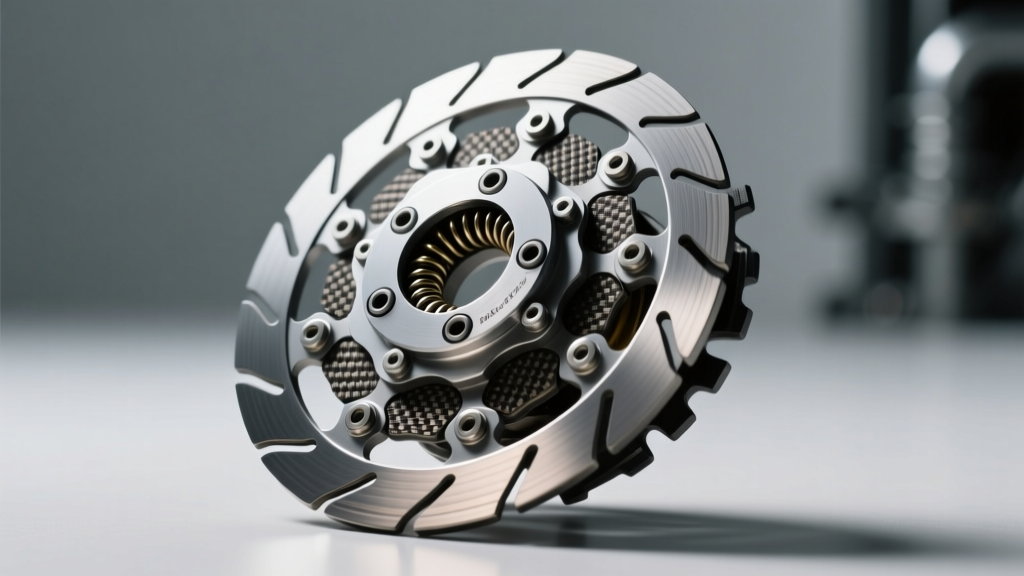
A complete aftermarket upgrade typically addresses three distinct areas of the clutch assembly:
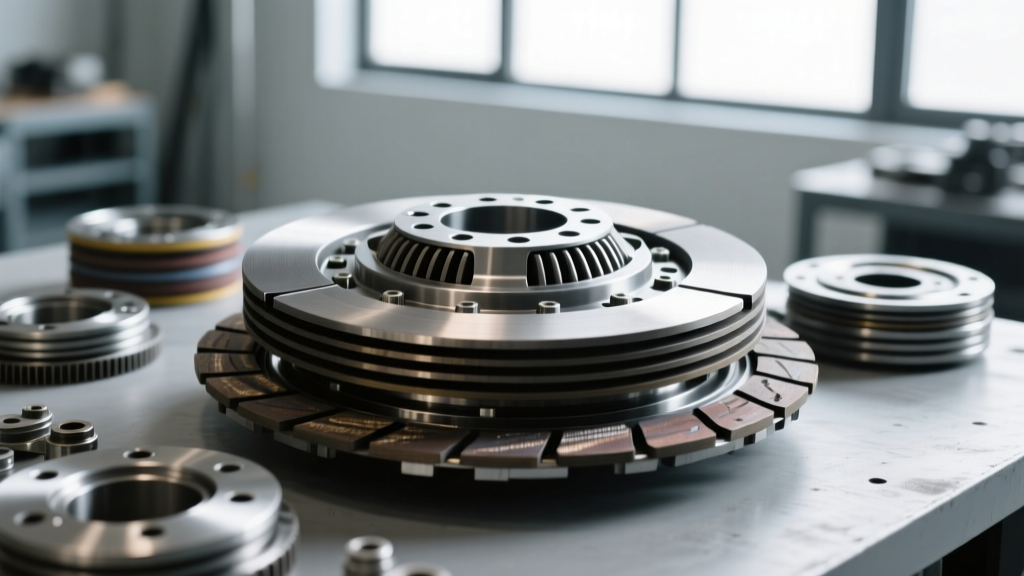
- Friction Plates: Upgraded kits replace organic paper linings with Kevlar, carbon fiber, or sintered bronze. These materials offer higher coefficients of friction and resist glazing at extreme temperatures.
- Steel Separator Plates: High-end kits include tempered steel plates that resist warping under heavy thermal loads, ensuring clean disengagement.
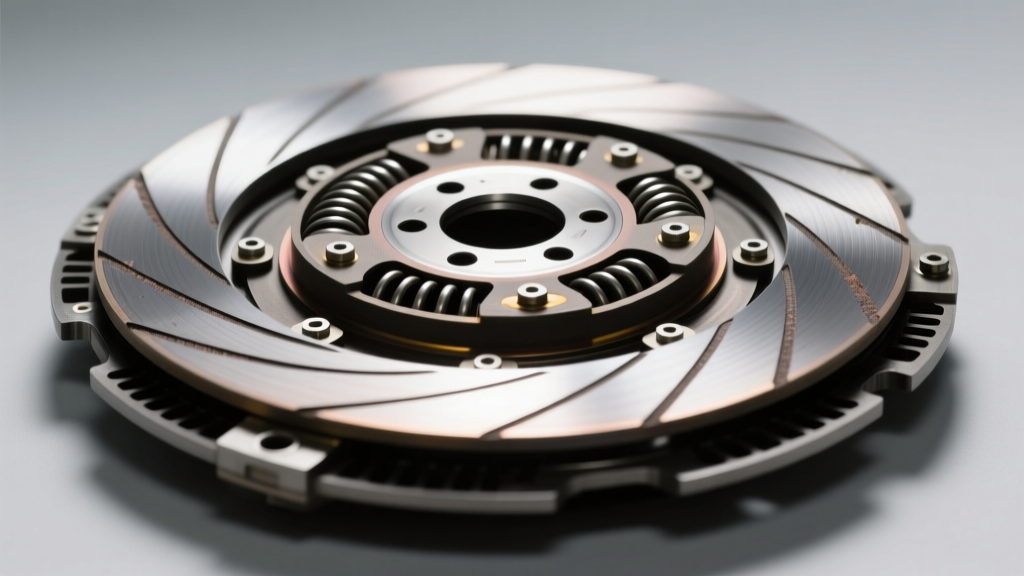
- Heavy-Duty Springs: Stiffer springs increase the clamping force to prevent slip under hard acceleration. The trade-off is a heavier lever pull, which can be mitigated by upgrading the clutch cable or hydraulic master cylinder.
2026 Market Contenders: Barnett vs. EBC vs. Hinson
The aftermarket landscape for 2026 offers distinct solutions depending on your riding discipline. Below is a comparative breakdown of the top-tier manufacturers.
| Brand / Kit Type | Friction Material | Spring Rate Increase | Avg. Price (2026) | Best Application |
|---|---|---|---|---|
| EBC SRC Clutch Kit | Sintered Bronze | +15% to +20% | $140 - $170 | Track Days, Aggressive Street |
| Barnett Kevlar Kit | Kevlar / Carbon | +10% to +15% | $190 - $240 | Daily Riding, Touring, Canyon |
| Hinson FSC Full Kit | Proprietary Fiber | +25% (w/ Billet Springs) | $850 - $1,100 | Professional Racing, Big Bore |
Expert Note: If you are installing an EBC Sintered Bronze kit, you must ensure your steel separator plates are perfectly flat or replaced. Sintered material is highly aggressive and will rapidly score warped OEM steel plates.
Vehicle-Specific Upgrade Paths & Fitment Data
Selecting the correct motorcycle clutch kit requires understanding the specific drivetrain architecture of your machine. Below, we detail the exact requirements for two of the most popular sportbikes on the grid.
Yamaha YZF-R1 (2015-2025 Crossplane CP4)
The Yamaha R1’s CP4 crossplane engine delivers a unique, tractor-like torque curve that puts immense shearing stress on the clutch pack. The OEM paper-based friction plates are known to glaze and slip around the 12,000 to 15,000-mile mark, especially if the bike has an aftermarket slip-on exhaust and a fuel tune.
Recommended Upgrade: Barnett Kevlar Clutch Kit (Part #303-30-10024). Barnett’s Kevlar lining provides a progressive, predictable engagement that perfectly complements the CP4’s low-end grunt without making the lever overly stiff.
Critical Installation Specs:
- Stack Height: The OEM service manual specifies a clutch pack stack height of 71.0mm to 72.5mm. If your new Barnett pack measures below 71.0mm out of the box, you must source a thicker OEM steel base plate to achieve the correct clamping geometry.
- Basket Inspection: Before installing the new discs, run your fingernail across the inner hub and outer basket tangs. If you catch a fingernail in a notch, the basket must be replaced, or the new Kevlar tabs will be destroyed within 500 miles.
- Hub Nut Torque: The R1 uses an M20x1.0 clutch hub nut. Torque to 72 Nm (53 lb-ft) and secure with a fresh staked washer or high-strength red Loctite (271). Do not reuse the OEM staked washer.
Kawasaki Ninja ZX-10R (2016-2025)
Kawasaki’s 998cc inline-four utilizes a sophisticated hydraulic assist-and-slipper clutch. The assist ramps use engine torque to pull the pressure plate tighter under acceleration, allowing Kawasaki to use softer clutch springs from the factory for a feather-light lever pull. However, under heavy braking, the slipper ramps force the clutch open to prevent rear-wheel hop.
Recommended Upgrade: EBC SRC (Sintered Raced Clutch) Kit (Part #CKC1086). The sintered bronze material handles the extreme heat generated by the ZX-10R’s high-RPM track use without fading.
Critical Installation Specs:
- Spring Interaction: Because the ZX-10R relies on the assist ramps for clamping force, installing excessively stiff aftermarket springs can cause the assist mechanism to bind or the slipper function to become overly aggressive. EBC’s SRC kit includes springs that are only 15% stiffer than stock, preserving the OEM slipper geometry while eliminating high-gear slip.
- Spring Bolt Torque: The pressure plate spring bolts are small and prone to snapping if over-torqued. Apply a drop of blue Loctite (243) and torque to exactly 10 Nm (89 in-lb) in a crisscross pattern.
- Pushrod Bearing: The ZX-10R utilizes a small needle bearing and thrust washer between the clutch pushrod and the pressure plate. This part is notorious for falling into the transmission casing during disassembly. Use assembly grease to hold it in place during reinstallation.
Precision Installation: Clearances, Soaking, and Torque
The longevity of your new motorcycle clutch kit is entirely dependent on your preparation process. Skipping the soaking phase or using the wrong lubricant will result in immediate failure.
The Soaking Protocol
All wet-clutch friction plates must be soaked in your exact engine oil for a minimum of two hours prior to installation. Dry friction plates will instantly glaze and burn upon first engagement. Furthermore, you must strictly use a JASO MA or MA2 certified motorcycle oil. Automotive oils (API SN Plus or SP) contain friction modifiers designed to improve fuel economy; these modifiers will cause a motorcycle wet clutch to slip uncontrollably.
Measuring Steel Plate Warp
If you are reusing your OEM steel separator plates, they must be checked for thermal warping. Place the steel plate on a perfectly flat piece of tempered glass. Attempt to slide a 0.1mm feeler gauge between the plate and the glass. If the gauge passes underneath, the plate is warped beyond the service limit and must be replaced. Warped plates cause clutch drag, making it impossible to find neutral at a stop and resulting in harsh, clunky gear shifts.
Break-In Procedure for Maximum Lifecycle
Aftermarket friction materials require a precise heat-cycling break-in period to mate the lining to the steel plates and bed the material into the microscopic pores of the metal.
- Miles 0-10: Ride gently. Keep RPMs below 6,000 and avoid hard acceleration or aggressive downshifts. Allow the engine to cool completely after the first 10 miles.
- Miles 10-50: Gradually increase engine load. Perform moderate accelerations and utilize engine braking. This generates the necessary thermal cycles to cure the resin binders in the Kevlar or sintered bronze material.
- Miles 50-100: The clutch is now fully bedded. You may resume normal track or aggressive street riding.
By adhering to these vehicle-specific tolerances and installation protocols, your upgraded drivetrain will deliver flawless, slip-free power delivery for tens of thousands of miles. For further technical documentation on material compounds and fitment, consult the engineering resources at Barnett Clutches and EBC Brakes. For professional racing applications and billet component integration, Hinson Racing remains the industry benchmark.