The Hydraulic Clutch Conundrum: Isolating the Failure
When a manual transmission vehicle experiences shifting anomalies, the immediate culprit is often the hydraulic actuation system. However, pinpointing whether you are dealing with clutch slave cylinder symptoms or the classic signs of a bad clutch master cylinder can save you hundreds of dollars in misdiagnosed parts and unnecessary labor. In the modern 2026 automotive landscape, where Concentric Slave Cylinders (CSCs) are hidden deep inside the bellhousing of transmissions like the Tremec T56 Magnum and ZF S6-53, a misdiagnosis means pulling the transmission twice.
This comprehensive comparison and buyer’s guide will dissect the distinct failure modes of both components, provide a diagnostic matrix, and offer concrete replacement recommendations with exact part numbers, pricing, and torque specifications.
Decoding Clutch Slave Cylinder Symptoms
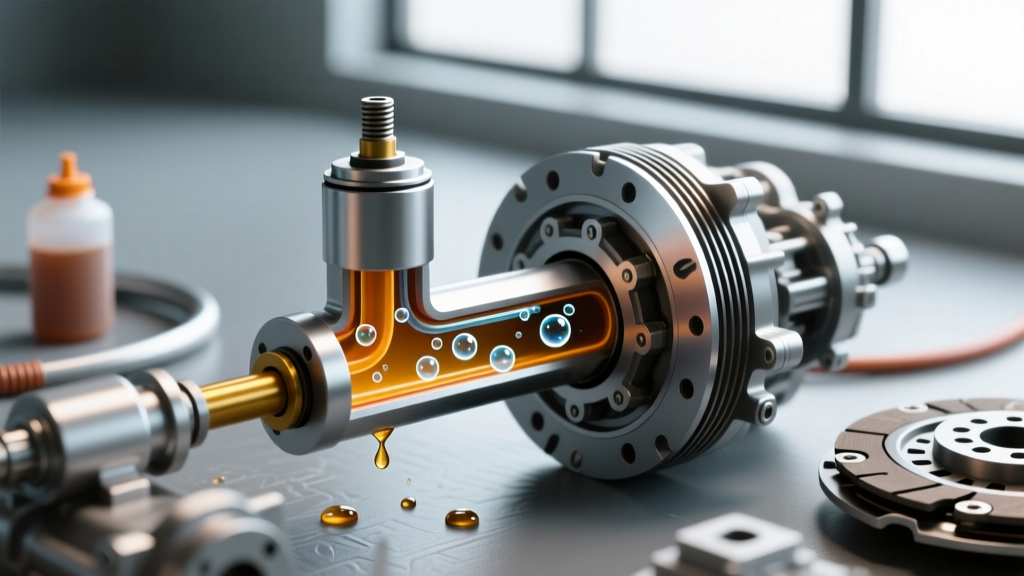
The slave cylinder is the terminal point of the hydraulic system, translating fluid pressure into mechanical force to disengage the clutch. Symptoms vary drastically depending on whether your vehicle utilizes an external pushrod-style slave or an internal Concentric Slave Cylinder (CSC).
Internal CSC Failures (e.g., Tremec T56, ZF S6-53, Ford MT-82)
Modern performance and heavy-duty vehicles favor CSCs because they eliminate pivot-point geometry issues and reduce pedal effort. However, when a CSC fails, the symptoms are uniquely destructive:
- Bellhousing Fluid Contamination: Unlike external cylinders, a leaking CSC dumps DOT fluid directly onto the clutch friction disc and flywheel. You will experience severe clutch slip under load, especially in higher gears.
- The 'Sweet' Burning Smell: As brake fluid hits the hot exhaust or bellhousing, it produces a distinct, sweet acrid odor inside the cabin.
- Low-Engagement Pedal: The clutch disengages only when the pedal is pressed fully to the floor, indicating a loss of hydraulic volume at the release bearing.
External Slave Failures (e.g., Honda K-Series, Subaru FA20)
External slaves push a release fork. Failure here is highly visible. You will spot fluid weeping from the rubber dust boot at the front of the transmission. The pedal will feel 'spongy' or fail to return to the top of its travel due to air ingestion through the failing outer seal.
Recognizing the Signs of a Bad Clutch Master Cylinder
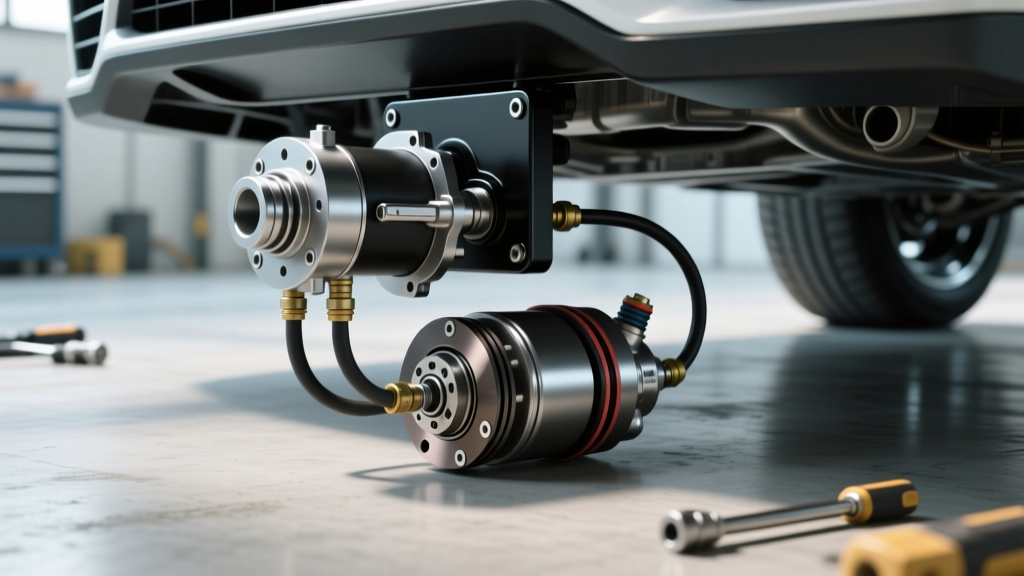
While the slave cylinder executes the work, the master cylinder generates the pressure. The signs of a bad clutch master cylinder are primarily characterized by internal seal degradation and firewall-side leaks.
- Internal Bypassing (The 'Creep' Effect): If you press the clutch pedal to the floor and hold it while in gear, the vehicle will slowly begin to creep forward after 10 to 15 seconds. This means the internal cup seals are bypassing fluid back into the reservoir rather than holding pressure at the slave.
- Cabin Fluid Leaks: A failing rear seal on the master cylinder will leak DOT fluid down the firewall and onto the driver’s side carpet, often corroding the steel pedal box bracket in the process.
- Pedal Sticking to the Floor: If the master cylinder fails to draw fluid back through the compensation port on the upstroke, the pedal will remain on the floorboard, requiring you to pull it up with your toe.
Diagnostic Comparison Matrix
Use this table to quickly isolate your hydraulic failure based on physical evidence and pedal feedback.
| Diagnostic Indicator | Internal Slave Cylinder (CSC) | External Slave Cylinder | Master Cylinder |
|---|---|---|---|
| Fluid Leak Location | Inside bellhousing / Weep hole | Front of transmission casing | Firewall / Driver footwell |
| Pedal Feel | Spongy, low disengagement point | Inconsistent, requires 'pumping' | Creeps to floor under constant pressure |
| Clutch Slip | High (fluid on friction material) | Low (unless severely neglected) | None (unless fluid drops empty) |
| Labor Intensity to Replace | High (Transmission removal required) | Low (Accessible from engine bay) | Medium (Firewall access required) |
2026 Buyer’s Guide: OEM vs. Aftermarket Replacements
When replacing hydraulic components, the market is flooded with cheap, unbranded alternatives. Based on our 2026 teardown analysis, budget CSCs often feature poorly honed bores and inferior release bearings that fail within 15,000 miles. Always stick to Tier-1 OEM suppliers like Sachs, LuK (Schaeffler), or Exedy.
Top Replacement Picks by Platform
- GM LS / Tremec T56 Magnum: LuK LSC109 Concentric Slave Cylinder. Pricing ranges from $185 to $240. This unit includes the integrated hydraulic release bearing. Pair it with a Sachs SH5003 Master Cylinder ($90-$130).
- Ford Coyote / MT-82: Motorcraft CM-7154 Slave Cylinder. Priced around $140. The OEM Ford unit features an updated internal seal compound that resists the high thermal loads generated by the MT-82's proximity to the exhaust.
- Subaru BRZ / Toyota GR86 (FA20/U71F): Exedy TYC501 External Slave. A highly reliable JDM staple costing between $45 and $65.
- Performance/Track Upgrades: If you are converting to a twin-plate clutch requiring higher line pressure, bypass the OEM plastic master cylinders and install a Wilwood 0.75-inch bore Twin Master setup ($350+), which eliminates firewall flex.
Installation Torque Specs and Bleeding Protocols
Proper installation is just as critical as part selection. Over-torquing hydraulic fittings is a leading cause of immediate post-installation failures.
Critical Torque Specifications
- CSC to Transmission Input Shaft/Bellhousing (M8 Bolts): 22-25 Nm (16-18 lb-ft). Use medium-strength threadlocker.
- Master Cylinder Firewall Nuts (M6 / 10mm Hex): 12-15 Nm (9-11 lb-ft). Over-tightening will crack the plastic reservoir or distort the cylinder bore.
- Hydraulic Line Banjo Bolt (M12x1.0): 25-30 Nm (18-22 lb-ft). Crucial: Never reuse aluminum crush washers. Reusing them guarantees a slow weep at the fitting.
Fluid Selection and Reverse Bleeding
For standard street applications, a high-quality DOT 4 fluid is sufficient. However, for track-driven vehicles where bellhousing temperatures exceed 300°F (149°C), standard DOT 4 will boil, causing vapor lock. We recommend Motul RBF 600 or Castrol SRF (DOT 4 / DOT 5.1 equivalents) which boast dry boiling points over 590°F (310°C). For bleeding, especially on internal CSCs where air gets trapped in the upward loop of the hardline, utilize a reverse-bleeding syringe system to push fluid from the slave nipple up to the master reservoir, ensuring a 100% air-free pedal on the first attempt.
Expert Verdict: If you have verified the master cylinder holds static pressure but the pedal remains spongy, and you detect a drop in reservoir fluid without external puddles, you are almost certainly looking at clutch slave cylinder symptoms requiring a transmission drop. Consult Tremec's official technical resources or Exedy USA's clutch application catalog for platform-specific clearance shims before reassembly.