The True Cost of Mechanical to Hydraulic Clutch Conversions
For restomod builders, classic truck restorers, and off-road enthusiasts, the archaic mechanical Z-bar clutch linkage is a notorious weak point. Frame flex, pivot ball wear, and heavy pedal effort make driving in stop-and-go traffic a miserable experience. The definitive solution is a clutch hydraulic conversion. However, sourcing high-end universal hydraulic kits can easily push your budget past the $800 mark. This is where the 94 ford ranger clutch master cylinder enters the conversation as the ultimate budget-friendly benchmark for custom hydraulic swaps.
In this 2026 cost analysis, we break down the exact financial and mechanical requirements of utilizing a mid-90s Ford Ranger hydraulic setup to convert older mechanical-linkage vehicles. We will cover OEM versus aftermarket pricing, hidden fabrication costs, and the critical torque specifications required to ensure your M5R1 or aftermarket TKX transmission operates flawlessly.
Why the 94 Ranger Master Cylinder is the Conversion Standard
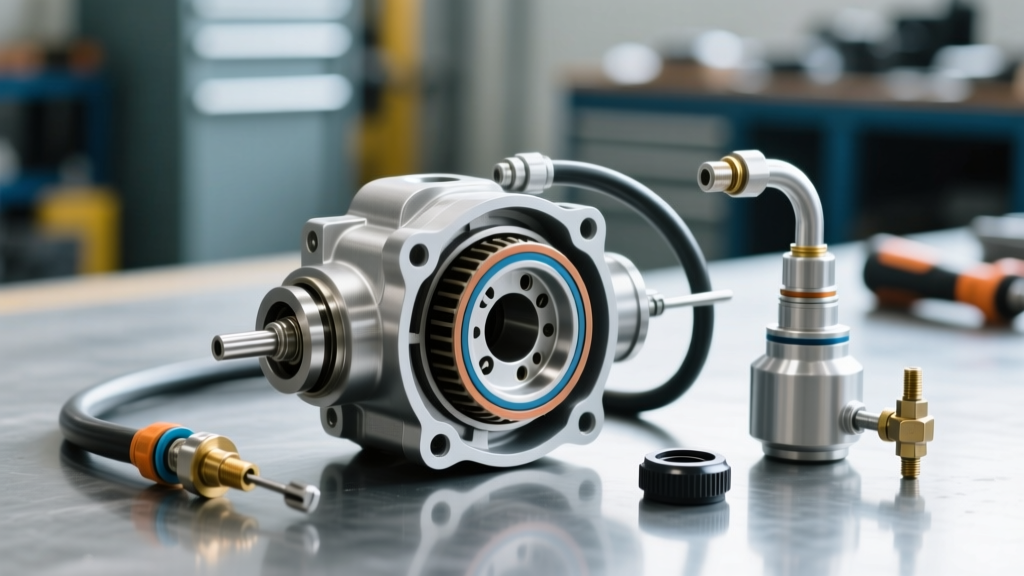
The 1994 Ford Ranger transitioned fully into a refined hydraulic clutch architecture, abandoning the problematic mechanical rods of the 1980s. The master cylinder used in the 94 Ranger (specifically for the 4.0L V6 and 3.0L Vulcan applications) features a compact 5/8-inch (0.625") bore, a firewall-mounting flange that is easily adaptable to flat or mildly curved sheet metal, and a pushrod geometry that mates perfectly with custom pedal boxes.
Because Ford produced hundreds of thousands of these trucks, the aftermarket support is massive, keeping replacement costs incredibly low compared to boutique hot-rod hydraulic kits. When planning a clutch hydraulic conversion, using this specific master cylinder as your baseline allows you to source high-quality, direct-fit slave cylinders and braided lines without paying the "custom tax" associated with universal Wilwood or Tilton setups.
2026 Component Cost Matrix: OEM vs. Aftermarket
When sourcing the core components for your conversion, you have three primary tiers. Below is a market analysis of current pricing and application notes for the master cylinder itself.
| Brand / Tier | Part Number | Bore Size | 2026 Avg. Price | Application Notes |
|---|---|---|---|---|
| Dorman (Economy) | M640151 | 5/8" | $38 - $45 | Best for budget builds; cast aluminum body, plastic reservoir. Adequate for street use. |
| Motorcraft (OEM) | CM138915 | 5/8" | $82 - $98 | Factory Ford spec. Highest quality internal seals and corrosion-resistant bore coating. |
| Wilwood (Performance) | 260-1304 | 5/8" | $145 - $160 | Universal billet aluminum. Requires custom bracket fabrication and AN-3 line adapters. |
Expert Insight: For 90% of mechanical-to-hydraulic conversions on street-driven trucks and restomods, the Motorcraft CM138915 offers the best balance of longevity and cost. The internal bypass ports are machined to exacting tolerances, preventing the dreaded 'clutch drag' issue common in cheap offshore castings.
Itemized Conversion Ledger: Full System Pricing
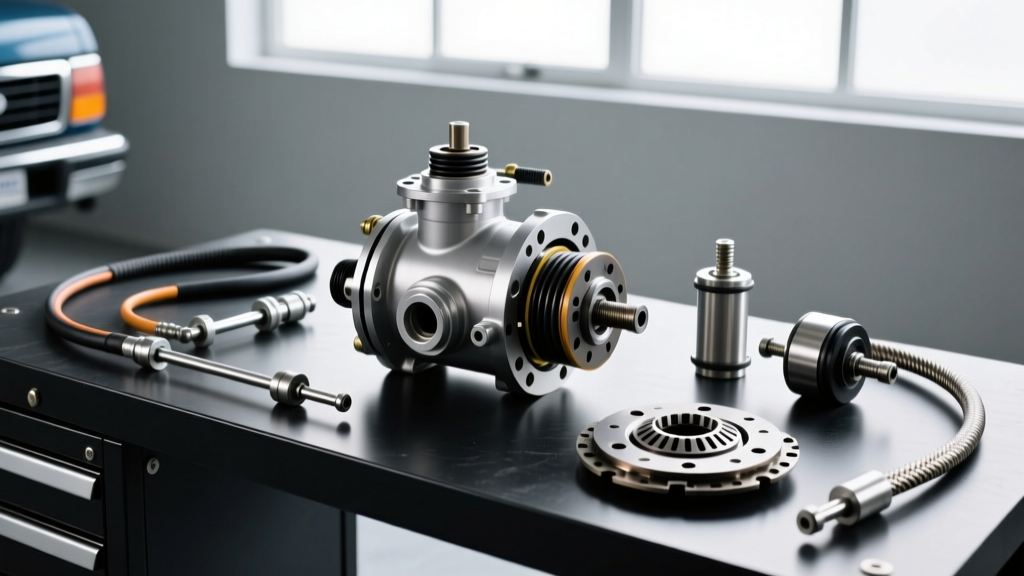
A master cylinder is only one piece of the puzzle. A complete clutch hydraulic conversion requires a slave cylinder, hydraulic lines, fittings, and specialized fluid. Here is the itemized cost breakdown for a standard external-slave conversion (typical for M5R1, T5, or TKO/TKX bellhousings).
- Master Cylinder (Motorcraft CM138915): $89.00
- External Slave Cylinder (Sachs SH5003 / Dorman CM640054): $52.00 - $65.00
- Firewall Reinforcement Plate (Custom / LMC Truck): $35.00
- Hard Line to -3 AN Braided Soft Line Kit (Earl's Performance): $85.00
- 3/16" Inverted Flare to -3 AN Adapter Fittings (x2): $24.00
- High-Performance DOT 4 Fluid (Motul RBF 600, 500ml): $19.50
- Pushrod Clevis and Heim Joint Kit: $28.00
- Total Estimated Parts Cost: $332.50 - $350.00
Compared to a pre-packaged universal hydraulic conversion kit from boutique manufacturers—which often retail between $650 and $950—sourcing a system built around the 94 ford ranger clutch master cylinder saves you roughly 50% while utilizing readily available, replaceable OEM-style components.
Hidden Labor and Fabrication Costs
While the parts are cheap, the labor and fabrication required to execute a clean hydraulic swap will dictate your final budget. If you are paying a professional speed shop, expect to be billed for the following procedures:
Firewall Drilling and Reinforcement
The 94 Ranger master cylinder utilizes a specific two-bolt mounting pattern. When adapting this to a classic Chevy C10, an early Bronco, or a custom chassis, the firewall must be drilled and reinforced. The factory Ranger firewall is double-walled in the pedal area. If your project vehicle has a single-sheet firewall, you must weld or bolt a 14-gauge steel reinforcement plate behind the mounting surface. Without this, the firewall will flex under the 400+ PSI of hydraulic line pressure, resulting in a spongy pedal and incomplete clutch disengagement. Shop rate for TIG welding and fabrication: $150 - $250.
Pushrod Geometry and the Bypass Port
The most critical—and frequently botched—aspect of the conversion is pushrod length. The master cylinder piston must fully retract to uncover the internal compensation (bypass) port. If your custom pushrod is even 1/16-inch too long, the piston will rest over the port. As the engine bay heats up, the DOT fluid expands. With the port blocked, the expanding fluid has nowhere to go, effectively applying the clutch for you. This leads to catastrophic premature wear on the throwout bearing and clutch slip. You must machine an adjustable pushrod with a heim joint to guarantee exactly 0.060" of free play at the pedal face.
Torque Specifications and Assembly Protocol
When assembling your hydraulic conversion, adhering to proper torque specs is non-negotiable to prevent leaks and stripped threads in cast aluminum housings.
- Master Cylinder to Firewall (M8x1.25 Flange Nuts): 18 lb-ft. Use a backing plate to distribute the load.
- Slave Cylinder to Bellhousing (M8 Bolts): 20 lb-ft. Apply blue Loctite 243 to prevent vibration-induced backing out.
- 3/16" Hard Line Fitting to Master Cylinder: 11 lb-ft. Warning: Do not overtighten brass or steel inverted flare fittings into the aluminum master cylinder body; the threads will strip instantly.
- Slave Cylinder Bleeder Screw: 5 - 7 lb-ft. The cast iron/aluminum bleeder housings are notoriously brittle.
Fluid Selection: Why DOT 5 is a Conversion Killer
A common mistake in classic truck hydraulic conversions is the use of silicone-based DOT 5 fluid under the assumption that it won't damage vintage paint if spilled. Never use DOT 5 in a system designed around the 94 ford ranger clutch master cylinder. Silicone fluid does not absorb moisture (hygroscopic); instead, water pools in the low points of the system—namely, the slave cylinder. This leads to rapid internal pitting and seal failure. Furthermore, DOT 5 is highly compressible, resulting in a spongy, vague pedal feel that makes finding the friction zone in a heavy-duty clutch nearly impossible.
2026 Fluid Recommendation: Use a high-quality DOT 4 or DOT 5.1 fluid like Motul RBF 600 or Castrol SRF. These fluids have a dry boiling point exceeding 620°F (327°C), preventing vapor lock even when the hydraulic line is routed near the exhaust headers of a tight engine bay.
Final Verdict: Is the Budget Conversion Worth It?
Executing a clutch hydraulic conversion using a 94 ford ranger clutch master cylinder is arguably the highest ROI modification you can make to a classic manual transmission vehicle. For an all-in parts cost of under $350, you eliminate the parasitic drag of mechanical linkages, isolate cab movement from drivetrain articulation, and drastically reduce pedal effort. While the fabrication of the firewall bracket and adjustable pushrod requires a weekend of careful measurement and welding, the resulting OEM-level drivability and extended transmission input shaft bearing life make this swap an absolute necessity for any serious build.
Authoritative Sourcing and References
For further technical diagrams, part cross-referencing, and community-driven fabrication templates, consult the following resources:
- RockAuto's 1994 Ford Ranger Clutch Catalog - For real-time OEM and aftermarket pricing matrices.
- Modern Driveline Technical Resources - Industry-leading guides on hydraulic clutch geometry, pushrod free-play, and TKX/M5R1 bellhousing adaptations.
- Ford Truck Enthusiasts Ranger Forum - Extensive community archives on firewall reinforcement templates and Z-bar elimination swaps.