Diagnosing the Issue: Clutch Slave Cylinder Symptoms That Trigger Service
In the modern automotive landscape, manual transmissions are increasingly rare, making the hydraulic systems that control them more critical than ever. Recognizing early clutch slave cylinder symptoms is the difference between a routine $120 fluid flush and a catastrophic $1,800 transmission removal. The clutch hydraulic system operates under immense pressure—often exceeding 1,500 PSI during heavy pedal actuation. When air enters this closed loop, or when internal seals begin to degrade, the hydraulic multiplication of force fails.
Before discussing the cost of clutch hydraulic system bleeding procedures, it is vital to confirm that bleeding is actually the required service. The most common clutch slave cylinder symptoms that indicate trapped air or failing seals include:
- Spongy or Inconsistent Pedal Feel: The pedal sinks to the floor or feels "mushy," indicating air in the lines or a failing master cylinder cup.
- Difficulty Engaging Gears: Specifically grinding when shifting into 1st or Reverse while stationary, meaning the clutch is not fully disengaging.
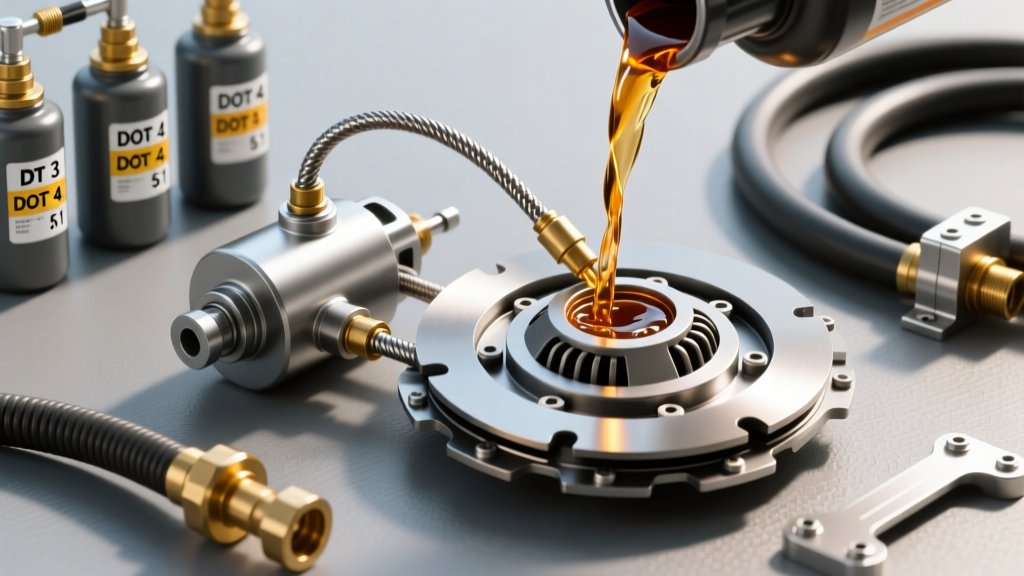
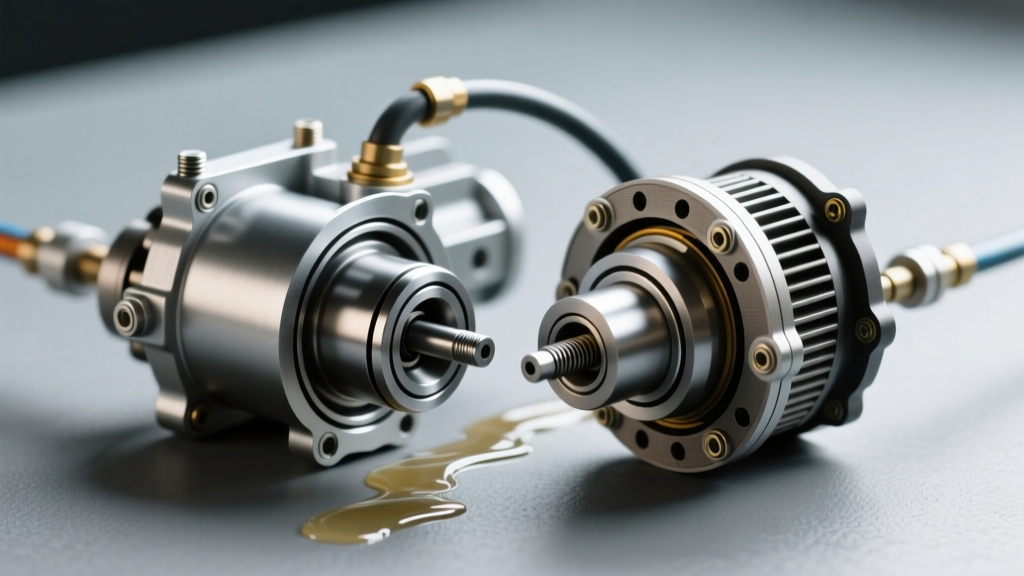
- Fluid Drops on the Bell Housing: Visible DOT 3 or DOT 4 fluid weeping from the transmission weep hole, signaling a blown external slave cylinder seal.
- Pedal Sticking to the Floorboard: Often caused by a collapsed internal return spring or severe fluid bypass inside the slave cylinder.
If your vehicle exhibits these clutch slave cylinder symptoms but shows no external leaks, a thorough hydraulic bleed is your first and most cost-effective diagnostic step.
The True Cost of Clutch Hydraulic System Bleeding Procedures (2026 Data)
The cost to bleed a clutch hydraulic system varies wildly depending on whether you choose a DIY approach or professional service, as well as the specific bleeding method required by your vehicle's architecture. According to 2026 industry data from RepairPal, average independent shop labor rates now hover between $145 and $195 per hour, while dealership rates frequently exceed $225 per hour.
Because a standard clutch bleed takes between 0.5 and 1.0 hours of book time, professional labor will typically cost between $85 and $195, plus the cost of fluid and shop supplies. Below is a comprehensive cost breakdown of the four primary bleeding methods.
| Bleeding Method | Tool Investment | Fluid Cost (1L) | Time Required | Best Application |
|---|---|---|---|---|
| Manual (Two-Person) | $0 - $15 (Wrench) | $8 - $25 | 45 - 60 mins | Simple external slaves (e.g., Honda K-Series) |
| Vacuum Bleeding | $35 - $60 | $8 - $25 | 30 - 45 mins | Accessible external bleeders |
| Pressure Bleeding | $50 - $120 | $8 - $25 | 20 - 30 mins | Most OEM master cylinder setups |
| Reverse Bleeding | $110 - $140 | $8 - $25 | 15 - 20 mins | GM LS/T56, upward-facing slave ports |
Deep Dive: Bleeding Methods and Cost-to-Effectiveness Ratios
1. Manual (Two-Person) Pedal Pumping
The traditional "pump and hold" method requires one person to press the clutch pedal while the other opens and closes the M10x1.0 bleeder valve at the slave cylinder. While the tool cost is virtually zero (assuming you own a standard 8mm or 10mm flare-nut wrench), the labor cost in terms of time and frustration is high. Furthermore, repeatedly bottoming out the clutch pedal can damage the internal plastic snap-rings found in modern master cylinders, potentially turning a $15 DIY job into a $250 master cylinder replacement.
2. Vacuum Bleeding
Using a hand-operated vacuum pump (like the Orion Motor Tech set, typically $40) attached to the bleeder valve draws fluid downward. While effective for brake calipers, vacuum bleeding can sometimes pull air past the threads of the bleeder valve if the valve is opened too far, giving a false indication of air in the system. Expert Tip: Wrap the bleeder threads in Teflon tape or use a specialized rubber vacuum cap to ensure an airtight seal.
3. Pressure Bleeding (e.g., Motive Products 0108)
Pressure bleeders attach directly to the master cylinder reservoir cap and push fluid downward at roughly 10-15 PSI. A high-quality pressure bleeder costs around $70. This method is excellent for pushing out old, moisture-laden fluid, but it struggles with certain clutch slave cylinder architectures where the bleeder port is positioned lower than the slave cylinder's internal bore, trapping air at the top of the cylinder.
4. Reverse Bleeding (The Industry Gold Standard)
For modern performance vehicles, reverse bleeding is the undisputed champion. Tools like the Mityvac MV6840 (approx. $125) push fluid from the slave cylinder bleeder valve up into the master cylinder reservoir. Because air naturally rises, this method perfectly aligns with physics, eliminating trapped pockets of air that downward pressure bleeding leaves behind. If you own a vehicle with a Tremec T56 Magnum or a GM LS-platform hydraulic throwout bearing, investing in a reverse bleeder will save you hours of diagnostic guesswork.
Hidden Costs: Internal vs. External Slave Cylinder Complications
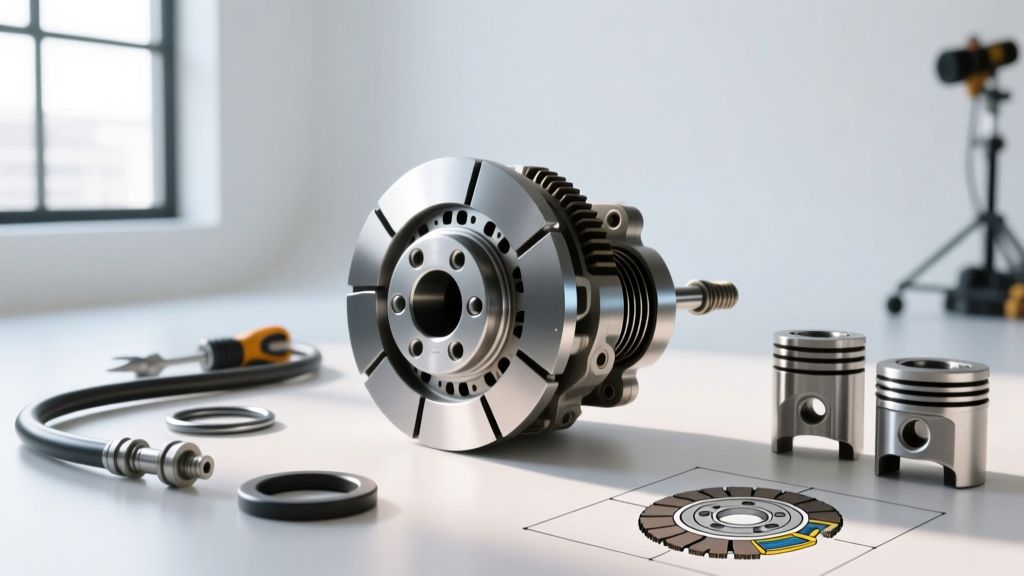
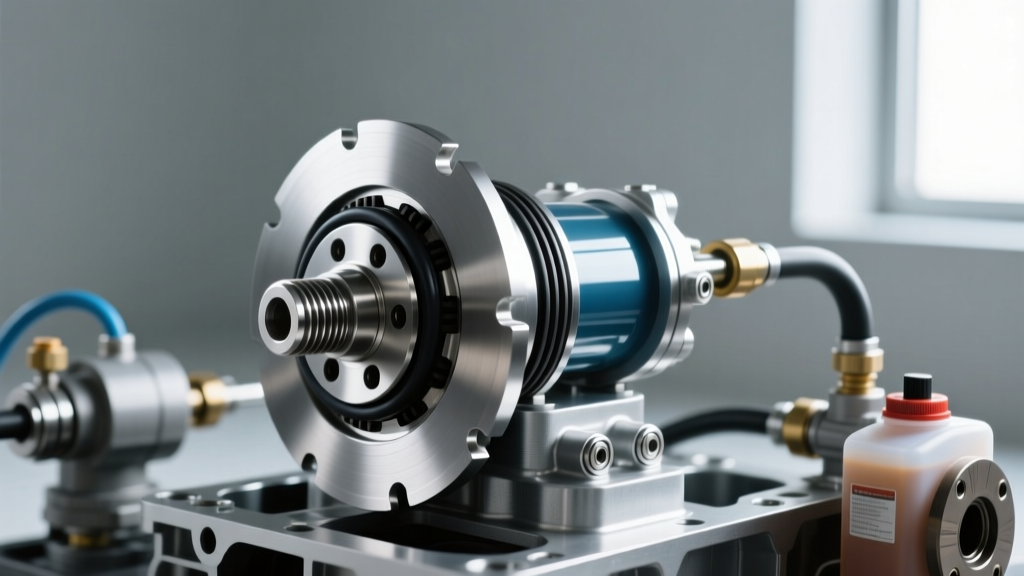
When evaluating the cost of a hydraulic service, you must know whether your vehicle utilizes an External Slave Cylinder (ESC) or an Internal Concentric Slave Cylinder (CSC).
External Slave Cylinder (ESC)
Found on vehicles like the Mazda MX-5 Miata, Honda Civic Si, and Subaru WRX. The slave cylinder is mounted on the outside of the transmission bell housing. If bleeding fails to resolve your clutch slave cylinder symptoms, replacing an ESC is a $60 to $150 parts job (sourcing from RockAuto) and takes roughly 45 minutes of labor. Total out-the-door cost: $200 - $350.
Internal Concentric Slave Cylinder (CSC)
Found on the Ford Mustang (MT-82 transmission), Nissan 370Z, and many heavy-duty diesel trucks. The CSC is located inside the bell housing, wrapping around the transmission input shaft. If an internal CSC fails or develops a leak, it cannot be serviced without removing the entire transmission. What starts as a suspected "air in the lines" issue can quickly escalate into a $1,200 to $2,500 repair bill when factoring in transmission R&R labor, a new CSC (e.g., Sachs or LuK part numbers), and a mandatory rear main seal replacement while the trans is out.
Fluid Selection: Do Not Compromise on Chemistry
Clutch hydraulic systems rely on glycol-based fluids (DOT 3, DOT 4, or DOT 5.1). These fluids are highly hygroscopic, meaning they absorb moisture from the atmosphere over time. According to fluid engineering data from Motul, a DOT 4 fluid that has absorbed just 3% water by volume will see its boiling point drop from 446°F (230°C) to roughly 311°F (155°C). While clutch systems do not experience the extreme heat of brake calipers, moisture contamination causes internal corrosion in the master and slave cylinders, leading to pitted bores and torn seals.
Cost-Saving Fluid Recommendations:
- Standard Commuter (DOT 3/4): ATE Type 200 or Castrol SRF. Cost: $15 - $25 per liter. (Note: A 500ml bottle is usually sufficient, as most clutch systems hold less than 0.3 liters).
- High-Performance/Track (DOT 4/5.1): Motul RBF 600 or Endless RF-650. Cost: $30 - $45 per 500ml. Required for vehicles with high line-pressure master cylinders or engine-bay heat soak issues.
Warning: Never use DOT 5 (Silicone-based) fluid in a standard clutch hydraulic system. It does not mix with glycol, it compresses differently under pressure, and it will ruin the EPDM rubber seals in your slave cylinder.
Torque Specs and Hardware Preservation
A frequently overlooked cost in clutch bleeding procedures is the breaking of the bleeder screw. Clutch slave cylinder bleeder valves are typically made of soft brass or mild steel and are threaded into aluminum or cast-iron housings. Corrosion often seizes them in place.
The factory torque specification for most M10x1.0 bleeder valves is incredibly low: 6 to 8 Nm (approx. 53 to 71 lb-in). Applying standard wrench force without pre-soaking the valve in penetrating oil (like PB Blaster or Kroil) will result in a snapped bleeder screw. Drilling out a broken bleeder screw or replacing the entire slave cylinder due to stripped threads will instantly add $150+ to your project cost. Always use a 6-point flare-nut wrench and apply gentle heat if the valve is seized.
Summary: Maximizing Value on Hydraulic Service
Addressing clutch slave cylinder symptoms immediately is the single best way to protect your wallet. If you catch a spongy pedal early, a $20 bottle of Motul DOT 4 and a $125 Mityvac reverse bleeder can restore factory pedal feel in under 20 minutes. However, if you ignore the symptoms and allow moisture-laden fluid to destroy the internal seals of a Concentric Slave Cylinder, you are looking at a multi-day repair and a four-figure invoice. Maintain your clutch fluid every 2 years or 30,000 miles, and treat your hydraulic system with the same respect you give your engine oil.