The Hidden Economics of Clutch Hydraulic System Bleeding Procedures
Replacing a failing clutch hydraulic component is only half the battle. The true test of a technician’s mettle—and the most volatile variable in your repair bill—lies in the clutch hydraulic system bleeding procedures. When installing clutch slave cylinder assemblies, whether an external pushrod type or an internal Concentric Slave Cylinder (CSC), improper bleeding leads to spongy pedals, premature synchro wear, and catastrophic gear grind. In 2026, with dealership and independent shop labor rates averaging $140 to $225 per hour, understanding the cost breakdown of bleeding methodologies is critical. A botched bleed doesn't just waste fluid; it wastes expensive labor hours and can destroy a $400 transmission synchronizer in a matter of weeks.
Labor vs. Parts: Where Your Money Actually Goes
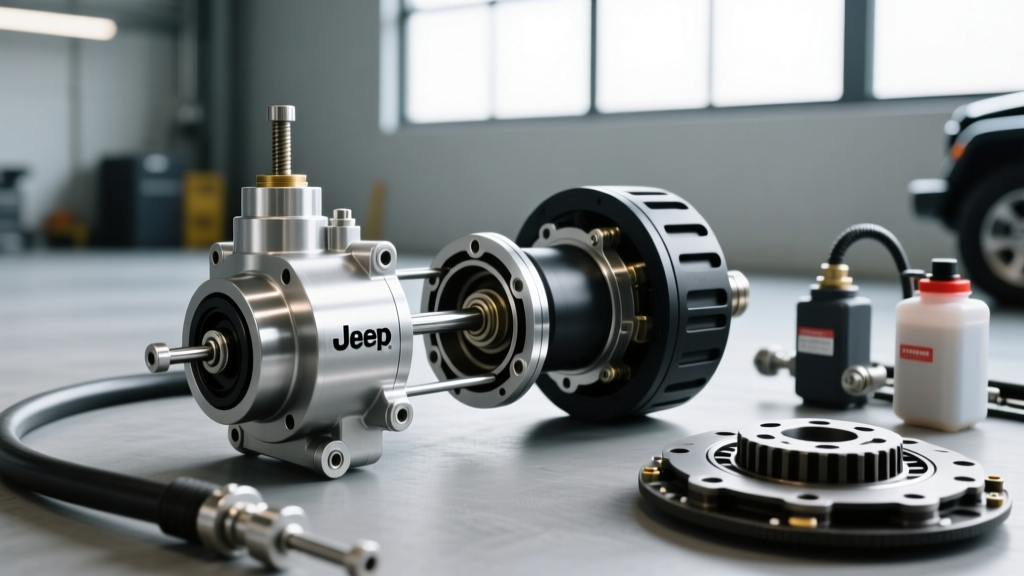
The financial impact of your chosen bleeding procedure depends heavily on the physical location of the slave cylinder. Internal CSCs, commonly found in modern GM LS/T56 and Ford Coyote applications, require transmission removal for replacement. External slaves, typical of older Jeep AX15 or Honda K-Series setups, are accessible from the engine bay or through an inspection cover. This accessibility drastically shifts the cost-to-benefit ratio of investing in premium bleeding tools.
| Cost Category | Internal CSC (e.g., Tremec T56) | External Slave (e.g., Honda K-Series) |
|---|---|---|
| OEM Slave Cylinder Part | $180 - $350 (LUK / FTE) | $45 - $120 (Aisin / Exedy) |
| Hydraulic Fluid (Premium DOT 4) | $15 - $25 | $15 - $25 |
| Labor: R&R Slave Cylinder | $650 - $1,100 (Trans Removal) | $90 - $180 (Direct Access) |
| Labor: Bleed Procedure | $45 - $70 (0.5 hrs) | $45 - $70 (0.5 hrs) |
| Total Average Shop Cost | $890 - $1,545 | $195 - $395 |
Evaluating Bleeding Procedures by Cost and Efficiency
Not all clutch hydraulic system bleeding procedures are created equal. The method you or your mechanic chooses will dictate the tooling cost, the time spent in the bay, and the ultimate longevity of the hydraulic seal.
1. Gravity Bleeding (The Budget Approach)
Tool Cost: $0
Time Investment: 2 to 4 hours
Gravity bleeding relies on opening the bleeder valve and allowing gravity to pull fluid from the master cylinder reservoir down through the lines. While it requires zero specialized tools, it is notoriously unreliable for modern FTE concentric slave cylinders because the fluid velocity is too low to dislodge micro-bubbles trapped in the CSC's internal annular chambers. If you are paying a shop by the hour, gravity bleeding is a financial drain.
2. Two-Person Manual Pumping (High Labor Risk)
Tool Cost: $0
Time Investment: 45 to 90 minutes
The traditional "pump and hold" method requires an assistant to stroke the clutch pedal while the technician opens and closes the bleeder screw. Cost Warning: If the assistant over-strokes the pedal past its normal travel limit, the master cylinder piston can scrape across corrosive buildup in the unused bore, tearing the internal cup seal. This turns a simple $20 fluid flush into a $250 master cylinder replacement job.
3. Pressure Bleeding (The Professional Standard)
Tool Cost: $60 - $120 (e.g., Motive Products 0108 Power Bleeder)
Time Investment: 15 to 20 minutes
Pressure bleeders attach to the master cylinder reservoir and push fluid through the system at roughly 12-15 PSI. This is the gold standard for shops. The continuous, pressurized flow forces air out of the complex internal galleries of a CSC without risking master cylinder cavitation. For DIYers doing frequent track car maintenance, the $80 investment in a pressure bleeder pays for itself after a single use by eliminating the need for a helper.
4. Vacuum Bleeding and the "False Air" Trap
Tool Cost: $40 - $90 (e.g., Mityvac MV6830)
Vacuum bleeders pull fluid from the bleeder screw at the slave cylinder. While fast, this method introduces a hidden diagnostic cost. If the bleeder screw threads are worn or lack proper thread sealant, the vacuum will pull atmospheric air past the threads rather than from the hydraulic line. Technicians often mistake this "false air" for a failing master cylinder, leading to unnecessary parts replacements and inflated labor bills.
5. Reverse Bleeding (The CSC Savior)
Tool Cost: $100 - $150 (e.g., Phoenix Systems MaxPro)
Reverse bleeding pushes fluid from the slave cylinder bleeder up into the master cylinder reservoir. Because air naturally rises, this method is exceptionally effective for stubborn internal CSC installations where air pockets become trapped beneath the master cylinder pushrod cup. Though the tooling cost is higher, it frequently saves the cost of dropping a transmission a second time to re-bleed an uncooperative T56 or TR-6060 hydraulic system.
Fluid Selection: Price vs. Boiling Point Economics
The hydraulic fluid you choose directly impacts both the immediate repair cost and long-term maintenance intervals. Clutch systems do not require the extreme lubricity of brake systems, but they do demand high boiling points and low compressibility.
- Standard DOT 3 ($8 - $12 / Liter): Minimum dry boiling point of 205°C (401°F). Prone to rapid moisture absorption. False economy for performance vehicles.
- High-Performance DOT 4 ($15 - $25 / Liter): ATE Type 200 or Motul DOT 4 offers a dry boiling point of 280°C (536°F). The optimal balance of cost and longevity for daily drivers and weekend track cars.
- Racing DOT 5.1 / DOT 4 ($45 - $65 / Liter): Castrol SRF or Motul RBF 600. Essential for heavy-duty towing or dedicated track builds where clutch slip generates massive hydraulic heat.
CRITICAL WARNING: Never use DOT 5 (Silicone-based) fluid in a clutch hydraulic system. Unlike glycol-based DOT 3, 4, and 5.1, silicone fluid is highly compressible. It will result in a permanently spongy pedal and erratic clutch engagement, regardless of how thoroughly you bleed the system.
The High-Stakes Reality of Torque Specifications
One of the most expensive mistakes made during clutch hydraulic system bleeding procedures involves the bleeder screw itself. Modern CSCs manufactured by LUK and FTE utilize lightweight aluminum or composite housings with delicate M6x1.0 or M8x1.25 bleeder screws.
The factory torque specification for these bleeder screws is incredibly low—typically 8 to 10 Nm (71 to 88 lb-in)
You have installed the new slave cylinder, executed a flawless reverse-bleed procedure, and the clutch pedal still sinks to the floor mat. What now? The issue is rarely trapped air at this stage; it is a mechanical failure elsewhere in the hydraulic circuit. Diagnosing this requires a hydraulic line pressure test. A technician will install a 0-1000 PSI gauge inline between the hard line and the slave cylinder. A healthy clutch master cylinder should generate and hold 400 to 600 PSI under pedal load. If pressure bleeds off while the pedal is held static, the master cylinder's internal bypass seal has failed, or the flexible rubber hose connecting the chassis to the transmission has internally collapsed, acting as a one-way check valve. Expect to pay 0.5 to 1.0 hours of diagnostic labor ($70 - $225) to isolate these secondary failures. When installing clutch slave cylinder components, view the bleeding procedure not as an afterthought, but as the critical final calibration of the drivetrain. For external slaves, a pressure bleed offers the best return on investment. For internal CSCs, investing in reverse-bleeding tooling and premium DOT 4 fluid prevents catastrophic labor overruns. By understanding the exact torque specs, fluid dynamics, and tooling costs involved, you can ensure your hydraulic system operates flawlessly without blowing past your repair budget.Diagnostic Costs: When the Bleed Fails
Summary: Protecting Your Repair Investment