The Economics of Ditching the Z-Bar: 2026 Conversion Pricing
Swapping a vintage mechanical Z-bar linkage or a stretched steel cable for a modern hydraulic clutch system is one of the most transformative upgrades you can perform on a classic muscle car, hot rod, or resto-mod. Beyond the dramatic improvement in pedal feel and the precise modulation required for modern high-torque clutches, a hydraulic conversion frees up critical exhaust clearance around the bellhousing and eliminates the dreaded firewall flex associated with heavy mechanical linkages. However, as we navigate the 2026 aftermarket landscape, the cost of these conversions has stratified into distinct tiers based on component quality, transmission compatibility, and installation complexity.
Whether you are mating a Tremec TKX to a Gen III Hemi or dropping an LS3 into a classic Chevy C10, understanding the true cost breakdown—from the master cylinder bore sizing to the specialized tooling required for a flawless bleed—is essential for budgeting your project accurately. Below, we break down the exact pricing, fabrication requirements, and hidden costs of a professional-grade hydraulic clutch conversion.
Component Breakdown: Where Your Budget Goes
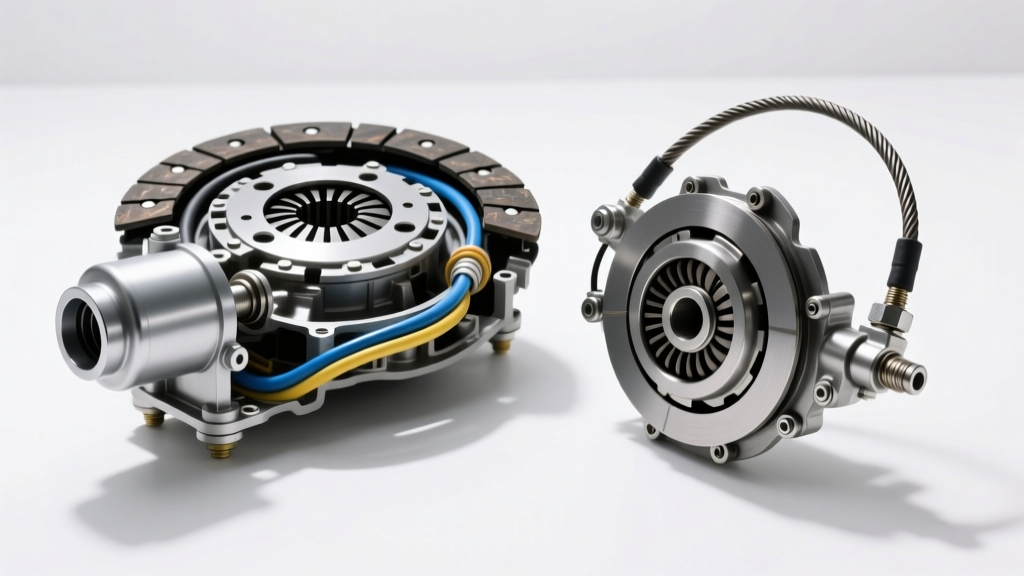
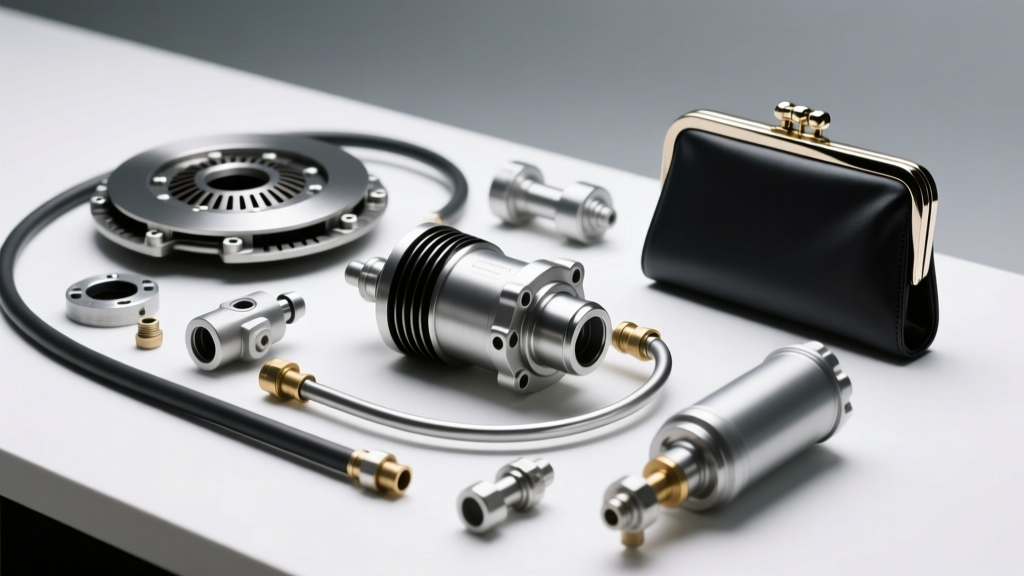
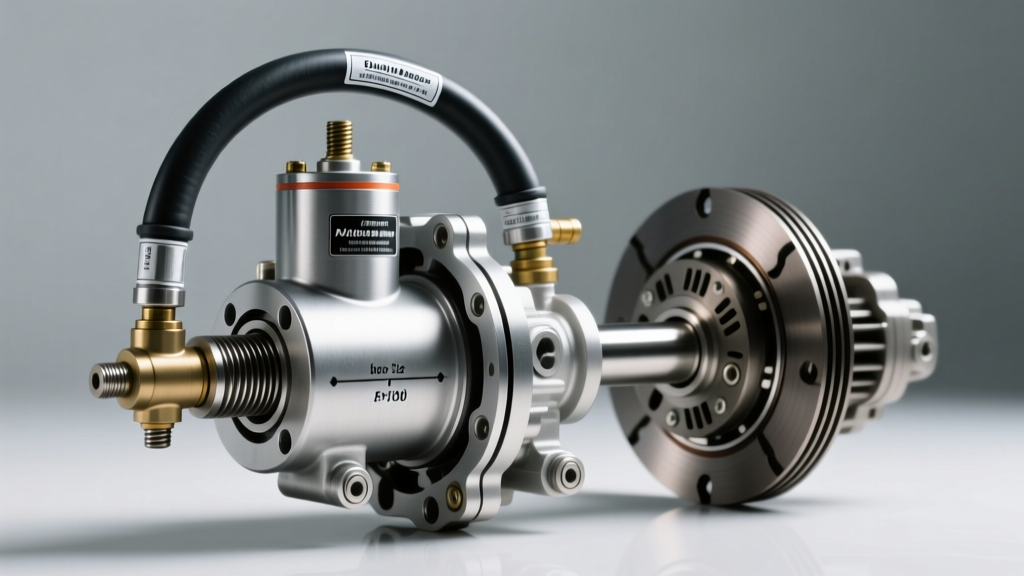
The core of any conversion is the master cylinder, the slave cylinder (or hydraulic throwout bearing), and the connecting lines. Pricing varies wildly based on whether you need a universal push-rod setup or a vehicle-specific firewall-mounted kit.
| Kit Tier | Brand / Example | Master / Slave Type | Line Material | Estimated 2026 Cost |
|---|---|---|---|---|
| Budget Universal | Wilwood Universal (260-11487) | 7/8" Bore / External Pull-Slave | Standard Rubber Hose | $420 - $550 |
| Mid-Range Direct Fit | McLeod Street Master | 3/4" CNC Master / External Push | AN-3 Stainless Braided | $650 - $850 |
| Premium SystemMAX | American Powertrain (Tremec TKX) | 1" Bore / Internal Hydraulic TOB | Hardline + AN Fittings | $950 - $1,350 |
Bore Sizing and the Cost of Pedal Ratio
The most common mistake DIYers make is purchasing a master cylinder with an incorrect bore size. A 7/8-inch bore master cylinder moves more fluid volume but generates less line pressure, requiring less pedal effort—ideal for lighter single-disc clutches. Conversely, a 3/4-inch or even 1-inch bore is required for heavy dual-disc setups (like a McLeod RXT or Centerforce DYAD) to generate the 2,500+ PSI needed to overcome the pressure plate springs. Upgrading from a standard cast-iron master to a CNC-machined aluminum unit with an integrated fluid reservoir typically adds $120 to $180 to your parts bill, but it eliminates the risk of internal pitting and seal degradation over time.
The Hidden Savior: Why a Reverse Bleed Clutch Method is Non-Negotiable
When routing AN-3 stainless lines or hard tubing around modern chassis crossmembers, catalytic converters, and exhaust headers, high-points and loops in the hydraulic line are inevitable. Because air naturally rises, these high-points become traps for micro-bubbles. Traditional top-down vacuum bleeding or gravity bleeding almost always fails in these complex routing scenarios, resulting in a spongy pedal, incomplete clutch disengagement, and eventual gear grind.
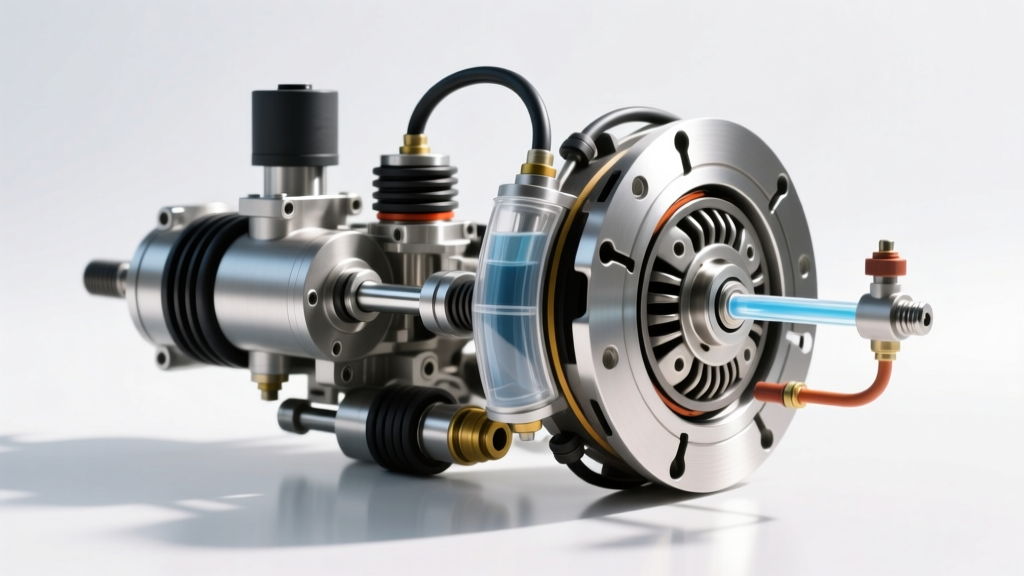
This is where executing a proper reverse bleed clutch procedure becomes your most valuable asset. By injecting fluid directly into the slave cylinder’s bleeder valve and pushing it upward through the master cylinder reservoir, you force the air out in the exact direction it naturally wants to travel. The cost of the tooling to perform a reverse bleed clutch setup is minuscule compared to the labor hours wasted fighting a spongy pedal.
Tooling Costs for Reverse Bleeding
- Basic Syringe Method ($15 - $30): A large 100ml veterinary syringe with a clear vinyl tube fitted snugly over the 8mm or 10mm bleeder screw. Highly effective for driveway mechanics on a budget.
- Pneumatic Reverse Bleeders ($120 - $180): Tools like the Motive Products Power Bleeder (adapted for reverse flow) or specialized Caplugs kits. These use regulated shop air to push fluid at a constant 15 PSI, ensuring zero cavitation during the fill.
- Professional Shop Labor Surcharge ($85 - $150): If you pay a shop to bleed the system, expect a 1-hour labor surcharge if they have to drop the transmission to re-bleed an internal hydraulic throwout bearing (TOB) that was installed without pre-bleeding the unit on the bench.
For a deep dive into the physics of hydraulic cavitation and proper bench-bleeding techniques for internal TOBs, refer to the installation guidelines provided by McLeod Racing. They emphasize that failing to reverse-bleed an internal TOB before mating the transmission to the bellhousing is the number one cause of warranty claims and premature TOB seal failure.
Firewall Reinforcement and Fabrication Fees
A hidden cost that catches many restorers off guard is firewall reinforcement. A high-quality 3/4-inch master cylinder generating 2,000 PSI of line pressure will easily bow a factory 18-gauge steel firewall backward by 1/4 inch under heavy pedal load. This flex translates to a spongy pedal and inconsistent clutch engagement points.
Fabrication Cost Breakdown:
- Bolt-in Reinforcement Plates: $35 - $65. Companies like American Powertrain and Wilwood Engineering offer stamped steel or laser-cut aluminum backing plates that sandwich the firewall, distributing the load across a 12-square-inch area.
- Custom Weld-in Brackets: $150 - $300 (shop labor). If your engine swap requires offsetting the master cylinder to clear a brake booster or valve cover, a custom TIG-welded steel bracket must be fabricated. This typically requires 2 to 3 hours of shop time at current 2026 rates of $125-$160 per hour.
Fluid Selection and Maintenance Economics
The type of hydraulic fluid you choose impacts both the initial cost and the long-term maintenance schedule of your conversion.
| Fluid Type | Cost (12oz) | Boiling Point (Dry) | Maintenance Interval | Best Application |
|---|---|---|---|---|
| DOT 3 | $6 - $9 | 401°F (205°C) | Annually | Low-RPM Street Cruisers |
| DOT 4 (Low Viscosity) | $10 - $15 | 446°F (230°C) | Every 2 Years | High-Performance Track/Autocross |
| DOT 5.1 | $14 - $22 | 518°F (270°C) | Every 2 Years | Heavy-Duty Dual Disc / Towing |
Warning: Never use DOT 5 (Silicone-based) fluid in a system designed for DOT 3/4/5.1. DOT 5 does not absorb moisture, leading to localized water pooling that will corrode your slave cylinder internals and destroy the rubber seals.
Critical Torque Specifications for the Conversion
To ensure your expensive hydraulic components survive the harsh environment of an engine bay, adhere strictly to these torque specifications during installation. Over-tightening aluminum master cylinders or brass bleeder valves is a primary cause of catastrophic fluid leaks.
- Master Cylinder Firewall Mounting Nuts: 18 - 22 ft-lbs (Use a backing plate to prevent crushing the sheet metal).
- External Slave Cylinder Bracket Bolts (Grade 8): 35 - 45 ft-lbs (Apply medium-strength blue threadlocker to prevent vibration backing-out).
- AN-3 Stainless Fitting Connections: 12 - 15 ft-lbs (Always use an aluminum or brass crowfoot wrench to prevent marring the anodized fittings).
- Slave Cylinder Bleeder Valve: 8 - 10 ft-lbs (Snug plus 1/8 turn. Overtightening will strip the soft brass threads, requiring a $150 slave replacement).
Final Verdict: Is the Conversion Worth the Investment?
When you tally the component costs ($600-$900), the fabrication and reinforcement materials ($50-$100), and the specialized reverse bleed clutch tooling ($30), a complete mechanical-to-hydraulic conversion typically lands between $700 and $1,100 for a DIY installer. If you factor in professional labor at an average of 6 hours, expect to add $800 to $1,000 to the final invoice.
However, the return on investment is undeniable. You eliminate the annual adjustments required by cable linkages, you gain the exhaust clearance necessary for long-tube headers, and you achieve the precise, feather-light pedal modulation required to safely launch a 600-horsepower vehicle. By budgeting correctly for high-quality AN lines, a firewall reinforcement plate, and the correct reverse bleeding tools, your hydraulic conversion will provide a lifetime of maintenance-free, flawless shifting.
Expert Insight: If you are running an internal hydraulic throwout bearing (TOB) with a Tremec Magnum or TKX transmission, always measure the TOB pre-load clearance using a dial indicator and clay before bolting the bellhousing to the block. An incorrect air gap will cause the TOB to ride constantly on the pressure plate fingers, leading to catastrophic bearing failure within 500 miles. For precise measurement procedures, consult the technical bulletins at Motive Products regarding hydraulic system pressure testing and clearance verification.