Diagnosing Silverado Transmission Overheating Under Load
When pulling a 7,500-pound travel trailer up a 6% grade, the drivetrain of a modern Chevrolet Silverado is subjected to immense thermal stress. Whether you are operating a 2018 Silverado 1500 with the notorious 8L90 8-speed or a 2023 model equipped with the 10L90E 10-speed, transmission fluid temperature (TFT) management is the single most critical factor in drivetrain longevity. From a diagnostic perspective, transmission overheating rarely presents as a sudden catastrophic failure; instead, it manifests through a cascade of progressive symptoms that demand immediate troubleshooting.
The earliest indicator of inadequate cooling is often a subtle torque converter clutch (TCC) shudder during light-throttle cruising or a harsh, delayed 2-3 upshift. As temperatures climb past 230°F, the automatic transmission fluid (ATF) begins to oxidize rapidly. For Silverados utilizing Dexron VI or the newer Dexron ULV (Ultra Low Viscosity) fluid, sustained temperatures above 240°F will degrade the friction modifiers, leading to clutch pack slip and varnish buildup on the valve body. If your OBD2 scanner pulls a P0218 (Transmission Fluid Over Temperature Condition) code, or if the driver information center displays a "Hot Oil" warning, your factory cooling system has reached its thermal bottleneck. At this stage, a comprehensive Silverado transmission cooler upgrade is no longer optional—it is a mechanical necessity.
The Factory Flaw: Thermal Bypass Valve Diagnostics
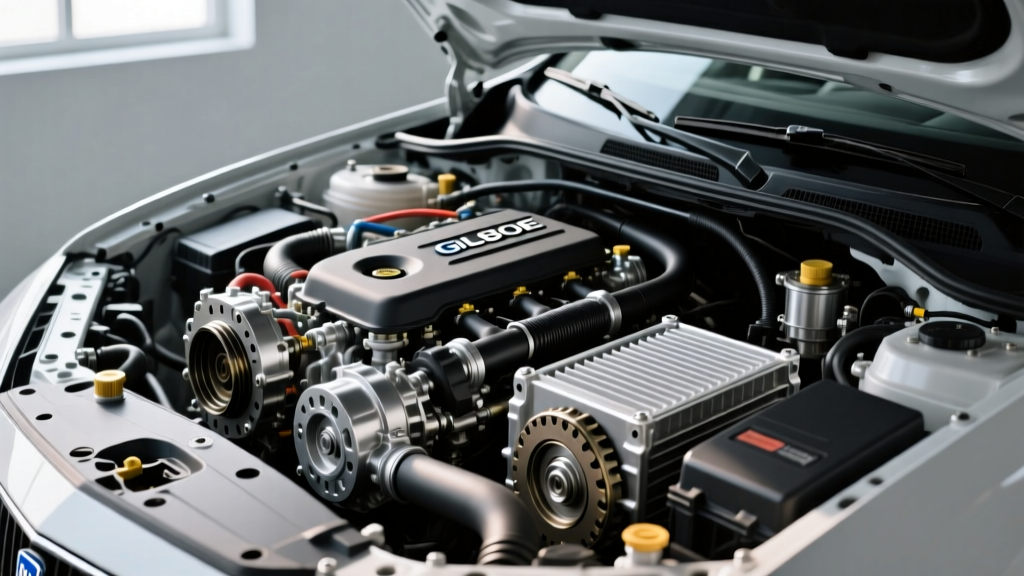
Before selecting an auxiliary cooler, you must diagnose a factory design flaw inherent to the GM 6L80, 8L90, and early 10L90E transmissions: the thermal bypass valve. Located on the passenger side of the transmission case or integrated into the cooler line routing, this valve is designed to block ATF flow to the coolers until the fluid reaches approximately 190°F. The engineering intent was to help the transmission warm up quickly for cold-start emissions compliance.
However, under heavy towing conditions, this valve creates a dangerous thermal lag. By the time the valve fully opens to allow flow to the radiator and auxiliary coolers, the fluid temperature inside the torque converter may have already spiked past 225°F. Furthermore, routing the ATF through the factory radiator's internal cooler becomes counterproductive when towing. Modern Silverado engine coolant temperatures frequently operate between 210°F and 225°F under load. Consequently, the radiator actually transfers heat into the transmission fluid rather than extracting it.
Pro-Troubleshooting Step: To verify if your thermal bypass valve is sticking or causing thermal lag, use a bi-directional OBD2 scanner to monitor the TFT PID in real-time while idling in the driveway. If the transmission takes more than 15 minutes of idle to reach 180°F, or if you experience immediate temperature spikes when hitting the highway before the valve opens, a thermal bypass delete is mandatory before installing your new cooler.
Selecting the Best Transmission Cooler for Towing
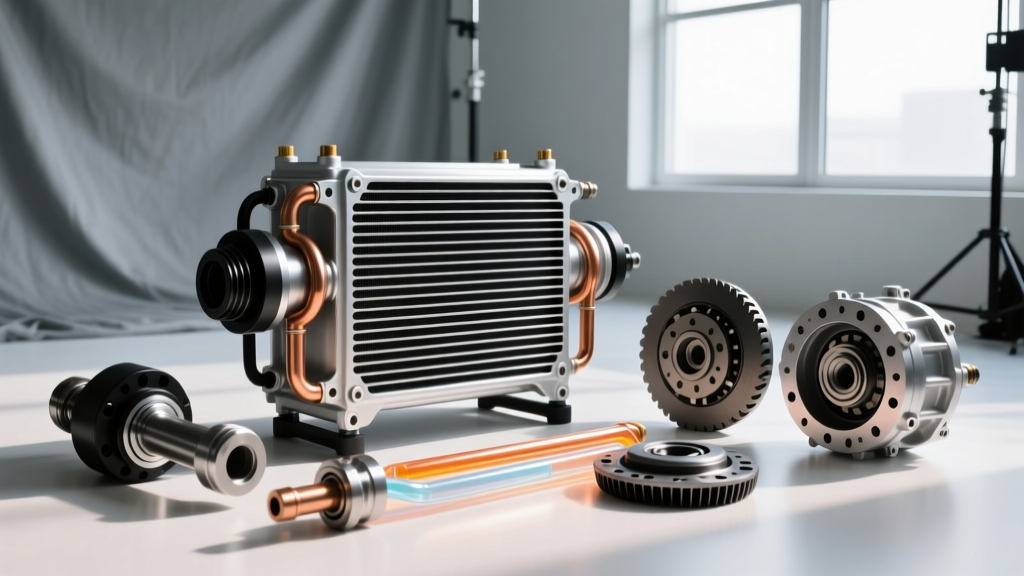
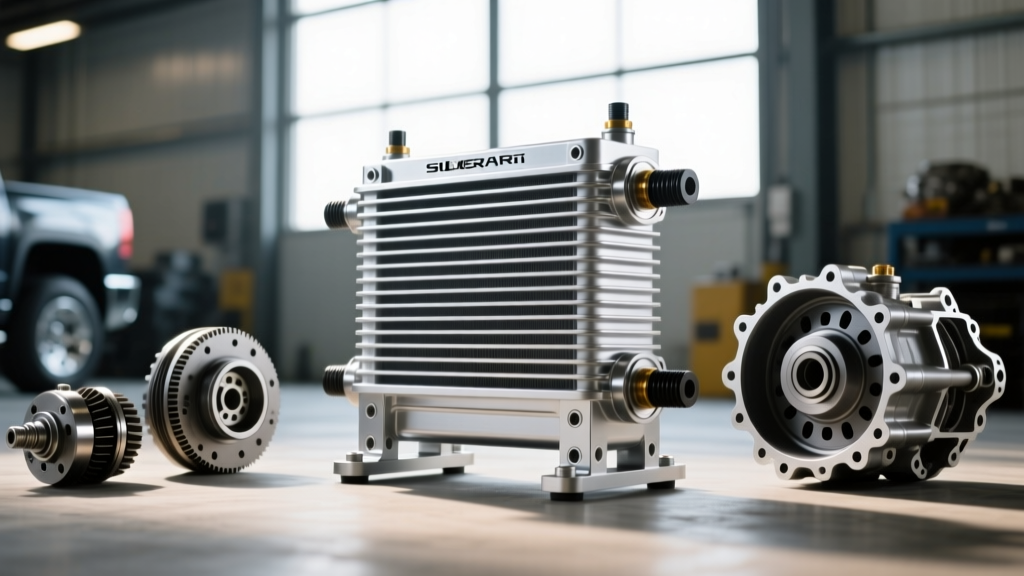
When planning a Silverado transmission cooler upgrade for towing, tube-and-fin coolers are entirely inadequate. They suffer from high pressure drops and poor thermal transfer rates. For heavy-duty applications, stacked-plate coolers are the undisputed standard. Stacked-plate designs force the ATF through a series of flat, turbulated channels, maximizing surface area contact with the ambient air while maintaining a low pressure drop to ensure the transmission's internal lubrication circuits are not starved.
Below is a diagnostic comparison of the top stacked-plate coolers proven to lower Silverado ATF temperatures by 30°F to 50°F under maximum gross combined weight rating (GCWR) conditions.
| Brand & Model | Part Number | Design & BTU Rating | Est. Price (2026) | Best Application |
|---|---|---|---|---|
| Derale Hyper-Cool Series 9000 | 13960 | Stacked-Plate / 45,000 BTU | $130 - $150 | Heavy towing (8,000+ lbs), steep grades |
| Mishimoto MMTC-2 Universal | MMTC-2 | Stacked-Plate / 38,000 BTU | $140 - $165 | Overlanding, mixed towing & daily driving |
| Hayden Rapid-Cool Heavy Duty | 678 | Plate-and-Fin / 32,000 BTU | $85 - $105 | Light towing, utility trailers, budget builds |
| Tru-Cool LPD4739 (OEM Style) | 4739 | Stacked-Plate / 40,000 BTU | $160 - $190 | Direct replacement for factory HD tow packages |
For the ultimate Silverado towing setup, the Derale Performance Hyper-Cool Series offers the highest BTU rejection rate, making it the ideal choice for 1500 and 2500HD trucks frequently maxing out their payload capacities in high-ambient summer temperatures.
Installation Specifications and Bypass Routing
Proper installation of an auxiliary cooler requires strict adherence to torque specifications and routing protocols. A common mistake during a Silverado transmission cooler upgrade is overtightening brass or steel adapter fittings into the aluminum header plates of the new cooler, leading to micro-fractures and eventual fluid leaks.
Critical Torque Specs and Fitting Data
- AN-6 Aluminum Fittings: Torque to 10-12 ft-lbs using an aluminum-specific crowfoot wrench to prevent rounding.
- Brass NPT Adapters to Aluminum Cooler: Maximum 15-18 ft-lbs. Always use a high-quality PTFE thread sealant (never Teflon tape, which can shred and block the valve body).
- GM Quick-Disconnect Lines: The factory 5/8" and 3/4" lines require a specialized line disconnect tool (e.g., Lisle 39400). Do not pry these with screwdrivers, as scoring the O-ring sealing surface will guarantee a leak.
- Hose Clamps: Use SAE J1508 fuel-injection style clamps on the low-pressure return side, torqued to 25-30 in-lbs.
The Standalone Front-Mount Routing Method
To completely eliminate the radiator's heat-soak issue, the most effective diagnostic fix is to bypass the factory radiator internal cooler entirely. Route the transmission's "OUT" (pressure) line directly to the inlet of the front-mounted stacked-plate cooler, and route the cooler's "OUT" back to the transmission's "IN" (return) port. This standalone loop ensures that the ATF is only cooled by ambient air, which, even on a 100°F day, is significantly cooler than 220°F engine coolant. According to data shared by drivetrain specialists on the GM Truck Club forums, this standalone routing method consistently yields a 15°F to 20°F drop in baseline cruising temperatures compared to the factory series-radiator loop.
Post-Upgrade Diagnostics: Verifying Flow and Delta-T
Once the cooler is installed and the system is bled of air (which requires checking the fluid level with the transmission in Park, idling, and between 180°F-200°F for the 10L90E's 13.4-quart capacity), you must verify the system's efficiency. Connect an advanced OBD2 scanner capable of reading manufacturer-specific PIDs to monitor the Transmission Fluid Temperature (TFT) and the Torque Converter Clutch (TCC) slip speed.
Take the truck for a 20-mile test drive that includes highway speeds and a moderate incline. You are looking for a specific thermal profile:
- Warm-Up Phase: With the thermal bypass valve deleted or permanently open, the fluid should reach 160°F within 5 to 8 minutes of mixed driving.
- Load Phase (Towing/Incline): The TFT should stabilize between 185°F and 205°F. If the temperature continues to climb past 220°F under load, verify that the auxiliary cooler is not blocked by the truck's grille shutters (Active Aero Shutters) or that the cooling fan clutch/viscous drive is engaging properly.
- Delta-T Verification: If you have installed inline temperature sensors before and after the cooler, a healthy stacked-plate cooler under load should show a temperature drop (Delta-T) of at least 30°F across the core.
By systematically diagnosing the thermal bottlenecks of the factory system and upgrading to a high-capacity stacked-plate cooler with standalone routing, you effectively future-proof your Silverado's drivetrain. For more in-depth analysis on managing drivetrain thermals and selecting the right fluids for modified towing setups, consult the engineering guides available at the Mishimoto Tech Center. Proper thermal management is the difference between a transmission that requires a rebuild at 80,000 miles and one that reliably pulls heavy loads well past the 200,000-mile mark.