The Thermal Reality of the ZF 8HP76 in the F90 M5
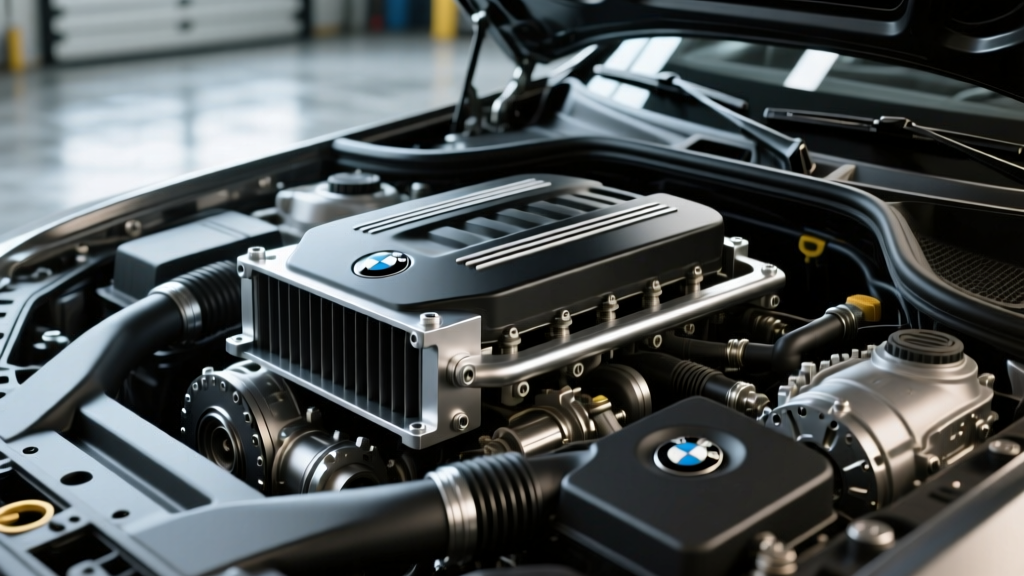
The BMW F90 M5, propelled by the formidable 4.4L S63 twin-turbo V8, represents a pinnacle of internal combustion performance. However, routing over 600 horsepower (and significantly more in tuned Competition models) through the ZF 8HP76 8-speed automatic transmission generates immense thermal energy. As high-output ECU and TCU tuning solutions continue to evolve in 2026, the thermal limits of the factory S63 cooling loop are frequently exposed during track sessions, aggressive canyon driving, or sustained highway towing.
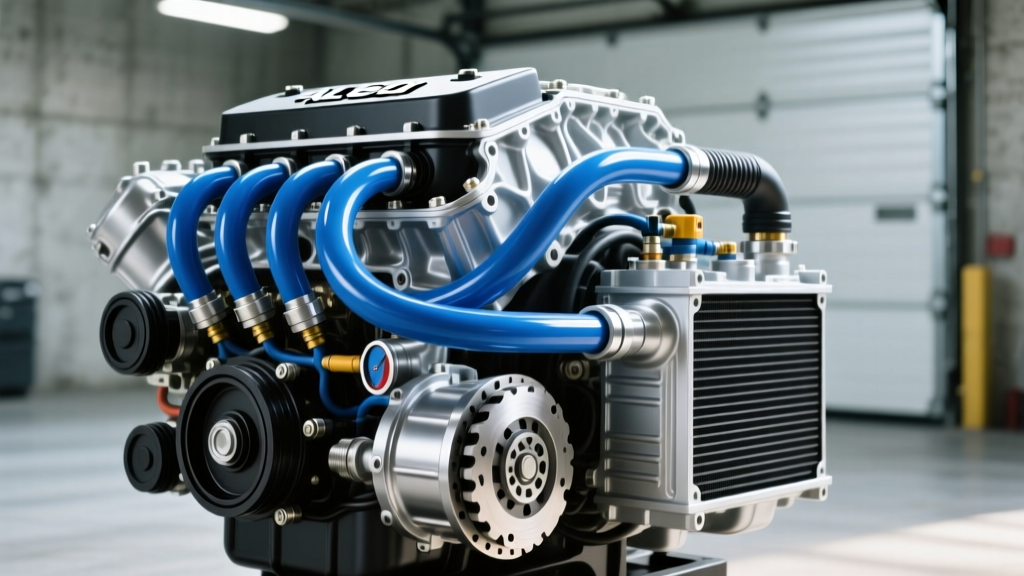
The factory cooling architecture relies on a compact heat exchanger integrated into the main coolant radiator or a small standalone air-to-oil unit. While sufficient for European emission-cycle testing and daily commuting, this setup struggles to shed heat under sustained load. Fluid temperatures in the ZF 8HP76 can easily spike past 125°C (257°F) during hard driving. At these thresholds, the OEM fluid begins to oxidize, losing its critical shear stability and friction modifiers. For owners focused on long-term reliability, upgrading to an aftermarket or auxiliary BMW F90 transmission oil cooler is no longer just a track-day luxury; it is a mandatory preventive maintenance protocol.
Core Benefits of an Auxiliary Transmission Cooler
Installing an auxiliary cooler is fundamentally about preserving the microscopic tolerances inside the ZF 8HP76. The benefits extend far beyond simply dropping peak temperatures; they directly impact the mechanical lifespan of the drivetrain.
1. Clutch Pack and Friction Material Preservation
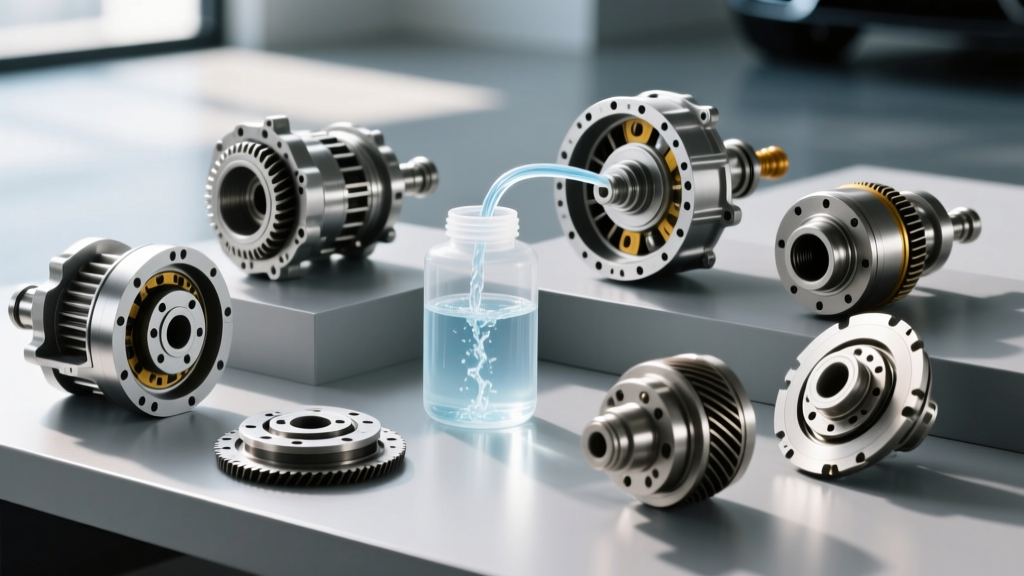
The 8HP76 utilizes four planetary gear sets and five shift elements (clutches A through E). When transmission fluid overheats, it thins out, reducing the hydrodynamic film strength between clutch plates. This leads to micro-slippage during shifts, particularly in the heavily loaded 3rd-to-4th and 5th-to-6th transitions. Slippage generates a vicious cycle of exponential heat and glazes the friction material. An auxiliary stacked-plate cooler maintains optimal fluid viscosity, ensuring crisp clutch engagement and preventing premature burnout.
2. Mechatronic Unit Longevity
The ZF mechatronic unit—a combined valve body and Transmission Control Module (TCM)—is submerged directly in the transmission fluid. The TCM's internal sensors and the solenoid valves are highly sensitive to thermal stress. Furthermore, overheated fluid accelerates the formation of varnish and sludge, which clogs the micro-filters and restricts the precise hydraulic pathways required for 8th-gear lockup and rapid downshifts. Keeping fluid temperatures in the 80°C–95°C (176°F–203°F) range drastically reduces the risk of mechatronic sleeve leaks and solenoid failures.
3. Fluid Oxidation and Service Intervals
BMW often labels ZF LifeguardFluid 8 as a 'lifetime' fluid, but ZF Aftermarket explicitly recommends fluid changes every 80,000 to 120,000 kilometers under normal conditions, and much sooner under high-stress conditions. Heat is the primary catalyst for fluid oxidation.
| Operating Temperature | Fluid State | Preventive Action Required |
|---|---|---|
| 80°C - 95°C (176°F - 203°F) | Optimal Viscosity & Friction | Standard 60k-mile service interval |
| 110°C - 125°C (230°F - 257°F) | Accelerated Oxidation Begins | Reduce interval to 30k miles; monitor TCM logs |
| 130°C - 140°C (266°F - 284°F) | Severe Shear Breakdown | Immediate fluid flush; inspect pan for clutch debris |
| Above 145°C (293°F) | Catastrophic Varnishing | TCM limp mode triggered; high risk of clutch failure |
Sizing and Selecting the Right Auxiliary Hardware
When selecting an auxiliary cooler for the F90 M5, the physical constraints of the front bumper and the flow rate requirements of the ZF 8HP76 must be balanced. The ZF 8HP series requires a high flow rate to maintain hydraulic pressure; therefore, restrictive tube-and-fin coolers should be avoided in favor of high-flow stacked-plate or plate-and-fin designs.
- Stacked-Plate Coolers (e.g., Mishimoto MMTC-U or Derale Hyper-Cool): These offer the highest thermal transfer efficiency per square inch and maintain low pressure drop. Ideal for mounting behind the front bumper grilles or in the wheel well ducts. Pricing typically ranges from $250 to $450 for the core.
- OEM-Style Upgrades (e.g., CSF Heavy-Duty Coolers): Companies like CSF manufacture direct-fit, heavy-duty replacements for the factory heat exchangers, utilizing multi-pass fluid routing and triple-core finned designs. While more expensive ($600–$900), they require less custom plumbing.
Installation Protocol: Routing and Torque Specifications
Proper installation is where preventive maintenance separates itself from amateur modifications. Incorrect routing can actually starve the transmission of fluid or cause overcooling during winter months.
Optimal Plumbing Route
The most efficient routing for an auxiliary air-to-oil cooler is post-radiator, pre-return. This means the fluid exits the transmission, passes through the factory radiator heat exchanger first (which handles the bulk of the thermal load and helps warm the fluid during cold starts), and then routes to the auxiliary air cooler before returning to the ZF 8HP76 pan. This ensures the fluid returning to the transmission is as close to ambient air temperature as possible.
Fittings, Lines, and Torque Specs
The F90 utilizes specific quick-disconnect fittings on the transmission hard lines. To adapt to an auxiliary cooler, you will need to cut the hard lines or use specialized adapter blocks to step up to AN-6 or AN-8 braided stainless steel lines.
- AN-6 Fittings: Torque to 15–20 ft-lbs using an aluminum wrench to prevent marring.
- AN-8 Fittings: Torque to 25–30 ft-lbs.
- ZF 8HP76 Aluminum Oil Pan Bolts: If dropping the pan to verify fluid levels or install a thermostat bypass, note that the OEM TTY (Torque-to-Yield) bolts must be replaced. Torque new bolts to exactly 10 Nm. Over-torquing will strip the magnesium/aluminum casing.
Expert Warning on the ZF Thermal Management Module: The ZF 8HP76 features an internal thermal bypass valve designed to restrict cooler flow until the fluid reaches optimal operating temperature (approx. 80°C). If you install a massive auxiliary cooler, the fluid may never reach this threshold in winter, causing the valve to remain closed and bypass your expensive new cooler entirely. For dedicated track cars, experts on the Bimmerpost F90 M5 Technical Forums often recommend installing a manual inline bypass valve or a secondary inline thermostat (set to 180°F) to guarantee flow to the auxiliary cooler under all conditions.
Real-World Cost vs. Rebuild Savings Analysis
From a pure financial perspective, the ROI of an auxiliary BMW F90 transmission oil cooler is undeniable when compared to the cost of ZF 8HP76 remediation. Below is a comparative breakdown of preventive maintenance costs versus reactive repair costs in the current market.
| Scenario | Estimated Cost (Parts & Labor) | Vehicle Downtime |
|---|---|---|
| Custom Auxiliary Cooler Install (Stacked-plate, AN lines, brackets) | $800 - $1,400 | 1 - 2 Days |
| ZF 8HP76 Fluid & Filter Service (OEM LifeguardFluid 8) | $350 - $500 | 4 Hours |
| Mechatronic Unit Replacement & Adaptation | $2,800 - $3,500 | 1 - 2 Weeks |
| Full ZF 8HP76 Rebuild / Replacement (Clutch packs, seals, torque converter) | $4,500 - $7,000+ | 2 - 4 Weeks |
Conclusion: Securing the Drivetrain for the Future
The BMW F90 M5 is a masterpiece of modern engineering, but its drivetrain was designed with specific, regulated thermal envelopes in mind. Once you introduce aftermarket ECU tunes, increased boost pressures, or track-day abuse, those envelopes are shattered. By investing in a high-quality auxiliary transmission cooling system, you are not just lowering temperatures; you are actively preserving the friction materials, protecting the mechatronic nervous system, and ensuring that your S63 V8 continues to put power to the pavement reliably. As ZF Aftermarket guidelines suggest, thermal management is the cornerstone of automatic transmission longevity. Treat your cooling system with the same reverence as your engine oil, and your 8HP76 will reward you with hundreds of thousands of miles of flawless, lightning-fast shifts.
For further technical data on fluid shear rates and custom bracket fabrication, refer to engineering whitepapers provided by Mishimoto Engineering and the ZF 8HP technical service bulletins.