The Truth About Sequential Gearboxes and Clutches
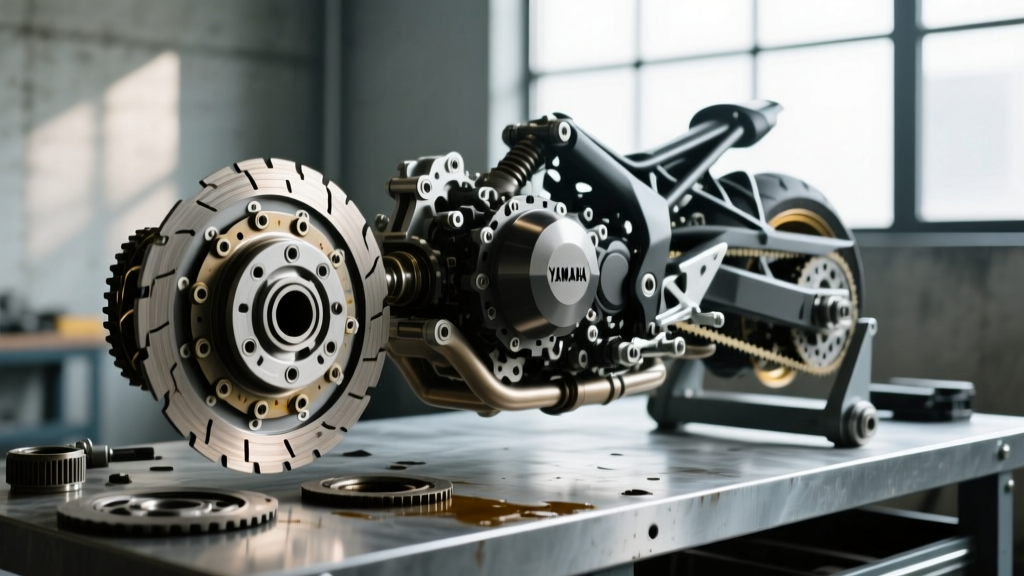
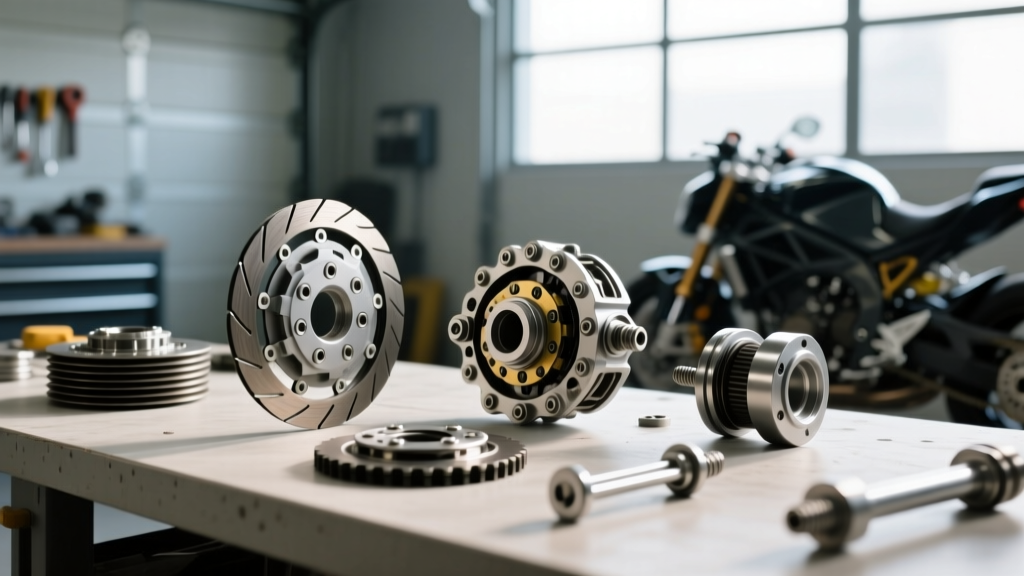
When enthusiasts and engineers ask, do sequential transmissions have a clutch, the answer requires a nuanced understanding of drivetrain mechanics. Unlike traditional H-pattern manual transmissions that require clutch disengagement for every gear change, sequential gearboxes (such as those manufactured by Xtrac, Sadev, and Holinger) utilize a dog-ring engagement mechanism. Shifting between gears is achieved by unloading the transmission—typically via an electronic ignition cut or fuel cut—allowing the dog rings to slide seamlessly into the next gear without clutch intervention.
However, a sequential transmission does have a friction clutch. This clutch is strictly required for two functions: launching the vehicle from a dead stop and pulling the gearbox into first gear from neutral. In high-performance motorsport, heavy-duty trucks, and modern automated sequential setups, this launch clutch is subjected to immense thermal and mechanical stress. To manage the extreme clamping forces required for high-horsepower launches without causing driver fatigue, these systems rely on robust hydraulic actuation. Diagnosing and maintaining this hydraulic clutch system is critical to preventing catastrophic launch failures and ensuring consistent volumetric efficiency.
Anatomy of a Sequential Hydraulic Clutch System
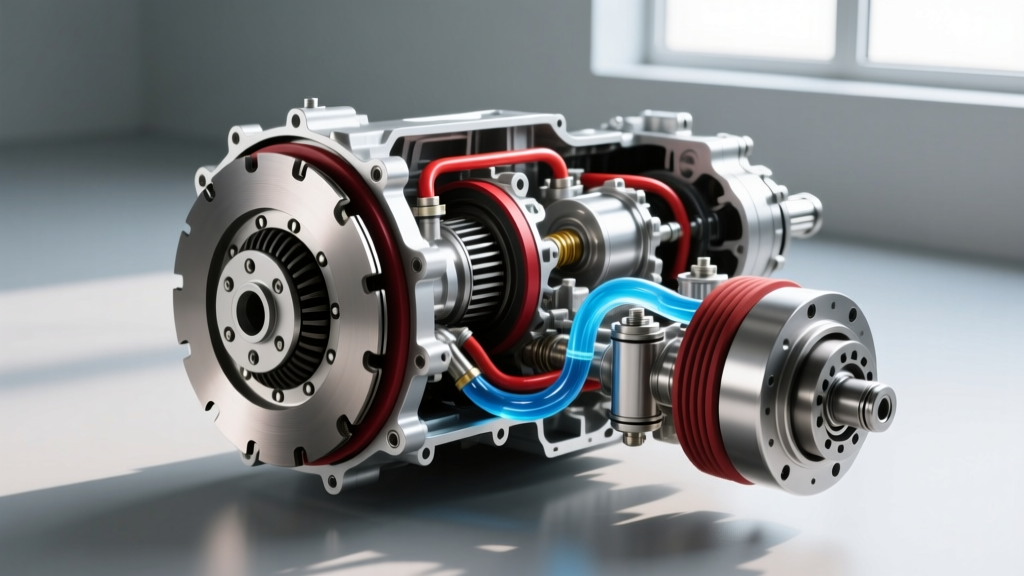
The hydraulic clutch system in a sequential setup operates on the same fundamental Pascal's law principles as a standard manual, but with tighter tolerances and higher pressure requirements. The primary components include:
- Master Cylinder: Typically a high-flow, adjustable-ratio unit (e.g., Brembo RCS19 or Magura HC3) designed to move a high volume of fluid with minimal lever travel.
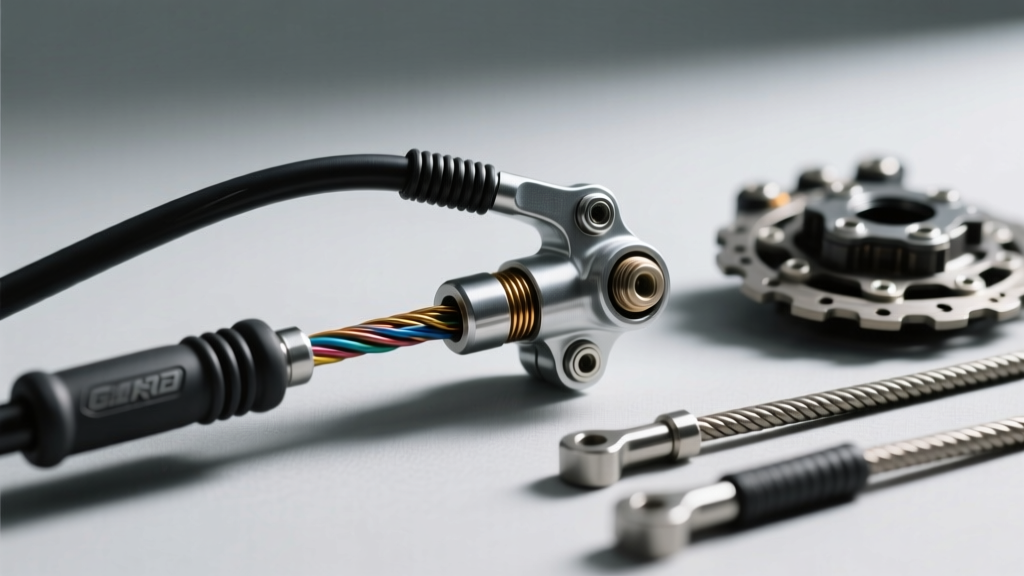
- Hydraulic Lines: Stainless steel braided hoses with PTFE inner liners to prevent line expansion under high pressure, which would otherwise result in a spongy pedal feel.
- Slave Cylinder / Hydraulic Release Bearing: Actuates the clutch fork or directly presses against the diaphragm spring fingers. In automated sequential gearboxes, this may be integrated into a complex electro-hydraulic valve block.
- Accumulator and Pump (Automated Only): In paddle-shifted sequential systems (like the BMW SMG or modern motorsport sequential actuators), a high-pressure hydraulic pump and nitrogen-charged accumulator store energy to actuate both the shift drums and the launch clutch.
Preventive Maintenance: Fluid Selection and Hygroscopic Degradation
The most common point of failure in sequential hydraulic clutch systems is fluid degradation. Most systems utilize DOT-rated glycol-based fluids, which are inherently hygroscopic (they absorb moisture from the atmosphere). As water content increases, the fluid's boiling point drops drastically. Under the extreme heat of a racing launch, the fluid boils, creating compressible gas bubbles that result in a complete loss of clutch actuation.
Hydraulic Fluid Specification Matrix
| Fluid Type | Dry Boiling Point (Min) | Wet Boiling Point (Min) | Application & Maintenance Interval |
|---|---|---|---|
| DOT 4 | 230°C (446°F) | 155°C (311°F) | Standard OEM; Replace every 24 months. |
| DOT 5.1 | 260°C (500°F) | 180°C (356°F) | High-performance street/track; Replace every 12 months. |
| Racing Fluid (e.g., Motul RBF 660) | 325°C (617°F) | 204°C (400°F) | Motorsport sequential launch; Replace every 2-3 race weekends. |
| DOT 5 (Silicone) | 260°C (500°F) | 180°C (356°F) | Do NOT use. Highly compressible and incompatible with ABS/sequential pumps. |
For dedicated track cars utilizing Xtrac or Sadev sequential gearboxes, bleeding the system with a high-temp racing fluid like Castrol SRF or Motul RBF 660 is non-negotiable. Always verify the master cylinder manufacturer's compatibility guidelines, as some specialized mineral oil systems (like certain Magura setups) will suffer catastrophic seal swelling if exposed to glycol-based DOT fluids.
Diagnostic Matrix: Hydraulic Clutch Symptoms in Sequential Gearboxes
Because sequential gearboxes do not use the clutch for upshifts or downshifts, drivers often ignore minor clutch pedal anomalies until the vehicle fails to launch or cannot be pulled into first gear. Use the following diagnostic matrix to isolate hydraulic faults before they lead to dog-ring damage or missed shifts.
| Symptom | Probable Hydraulic Fault | Verification & Diagnostic Method |
|---|---|---|
| Spongy or sinking pedal | Air ingress, boiled fluid, or worn master cylinder cup seals. | Inspect for micro-leaks at banjo bolts. Perform a pressure bleed. Check fluid color (dark/burnt indicates boiling). |
| Hard pedal / High effort | Blocked master cylinder compensation port or seized slave cylinder piston. | Crack the bleeder nipple. If fluid erupts under high pressure and pedal releases, the master cylinder compensation port is blocked. |
| Clutch dragging (won't disengage) | Weak slave return spring, contaminated fluid swelling seals, or mechanical bind. | Measure slave cylinder travel. Sequential setups require exact throw distances (typically 8-12mm) to fully disengage the heavy-duty pressure plate. |
| Delayed engagement on launch | Expanding rubber hoses or low fluid volumetric efficiency. | Replace all flexible lines with -3 AN stainless steel braided PTFE hoses. |
Step-by-Step Hydraulic Pressure Testing and Bleeding Protocols
Proper maintenance of a sequential hydraulic clutch requires more than just a gravity bleed. The tight clearances of modern hydraulic release bearings often trap micro-bubbles that standard pumping cannot dislodge.
1. Preparation and Tooling
Utilize a pneumatic or manual vacuum bleeder (such as the Mityvac MV6835). Ensure you have a calibrated torque wrench, as over-torquing bleeder nipples is a common cause of stripped slave cylinders.
2. Torque Specifications for Hydraulic Fittings
- M10x1.0 Banjo Bolts (Master Cylinder to Line): 15 - 18 Nm (11 - 13 lb-ft). Always use new crush washers (copper or aluminum) to prevent seepage.
- M10x1.0 Hardline Flare Nuts: 12 - 15 Nm (9 - 11 lb-ft).
- Slave Cylinder Bleeder Nipples (typically M6 or M7): 6 - 8 Nm (4.5 - 6 lb-ft). Do not exceed 10 Nm, or the brittle brass nipple will shear.
- Master Cylinder Mounting Bolts (M6 or M8): 10 - 12 Nm. Use medium-strength threadlocker (e.g., Loctite 243) to prevent vibration-induced backing out.
3. The Reverse-Bleed Technique
For sequential gearboxes where the slave cylinder is mounted deep within the bellhousing, reverse bleeding is highly recommended. By injecting fresh, degassed fluid from the slave cylinder bleeder upward toward the master cylinder, you force trapped air bubbles to rise naturally with the fluid flow, rather than fighting against them. Refer to the Magura technical support documentation for specific reverse-bleeding valve setups if using their integrated hydraulic units.
Component Replacement and Cost Breakdown
When preventive maintenance fails, or when upgrading a sequential setup for higher torque capacity, component replacement is necessary. High-end motorsport components carry a premium but offer the reliability required for consistent launch control.
- Performance Master Cylinder (e.g., Brembo RCS19 or Tilton 7/8"): $250 - $450. The Brembo RCS series allows for adjustable lever ratios, letting drivers tune the pedal feel between progressive and aggressive.
- Hydraulic Release Bearing (e.g., Tilton 6000 Series): $350 - $600. Essential for racing sequential gearboxes where external slave cylinders and fork setups are too bulky or lack the necessary throw speed.
- Stainless Braided Line Kit (-3 AN): $80 - $150. Eliminates volumetric loss under heavy pedal pressure.
- Fluid Flush & Bleed Service (Professional Labor): $120 - $200, depending on accessibility and whether the bellhousing requires removal to access the slave cylinder.
Conclusion: The Launch is Everything
While it is true that sequential gearboxes bypass the clutch during high-speed gear changes, the hydraulic clutch system remains the vital link between the engine and the transmission during the most critical phase of acceleration: the launch. By adhering to strict fluid replacement intervals, utilizing high-temperature DOT 5.1 or racing-grade fluids, and diagnosing hydraulic symptoms using pressure testing rather than guesswork, you ensure that your sequential transmission operates flawlessly. Neglecting the hydraulic actuation system doesn't just ruin your 0-60 times; it risks severe damage to the dog rings and shift forks when attempting to force the gearbox into first gear under load.