Understanding the Scat Pack Rear Differential Architecture
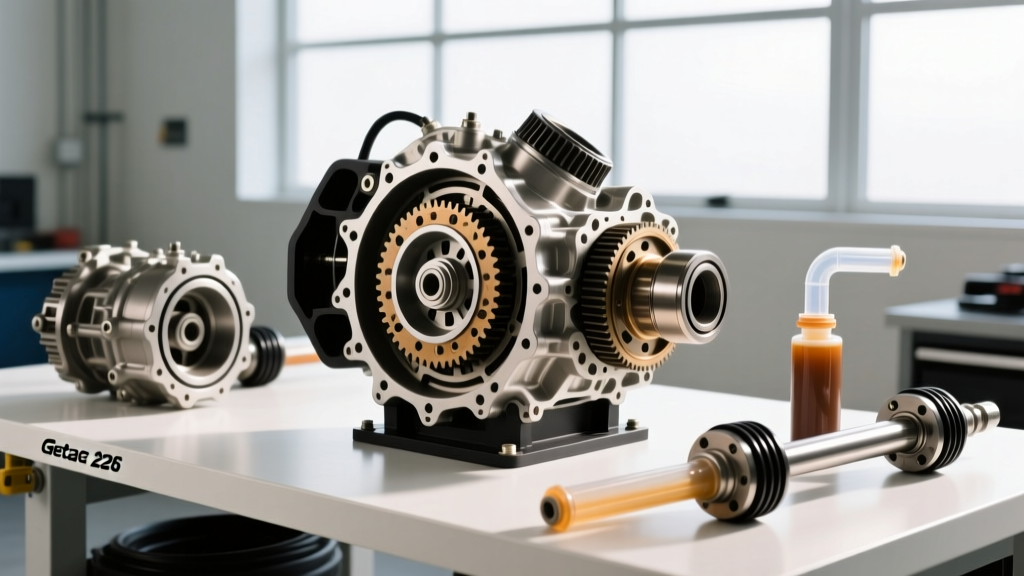
The Dodge Charger and Challenger Scat Pack models, propelled by the 485-horsepower 6.4L HEMI V8, place immense mechanical stress on the rear drivetrain. To handle this torque, Stellantis equips these vehicles with robust ZF-manufactured rear axles—specifically the 226mm standard axle or the heavy-duty 230mm axle found on Widebody variants. Whether your Scat Pack is equipped with the standard 3.09 open differential or the performance-oriented 3.92 rear axle ratio with a Trac-Lok limited-slip differential (LSD), proper maintenance and precise symptom diagnosis are critical to preventing catastrophic failure.
As of 2026, the aftermarket and dealer service landscape for these axles has evolved, but the fundamental physics of ring and pinion gear wear remain unchanged. Many owners mistake normal gear lash for impending failure, while others ignore subtle acoustic warnings that indicate bearing degradation. This guide provides a comprehensive, expert-level diagnostic matrix and service protocol for the scat pack rear differential.
Symptom Diagnosis Matrix: Decoding Differential Noise
Differential noise is highly dependent on load, temperature, and vehicle dynamics. Use the following matrix to isolate the root cause of your Scat Pack's rear axle NVH (Noise, Vibration, and Harshness) issues.
| Symptom / Noise | Operating Condition | Probable Root Cause | Required Action |
|---|---|---|---|
| High-pitched whining | Acceleration under load | Pinion bearing preload loss or ring/pinion gear wear (drive side). | Check pinion nut torque; measure backlash; inspect gear tooth contact pattern. |
| Howling / Whining | Deceleration (coasting) | Excessive ring and pinion backlash or coast-side gear wear. | Adjust side bearing shims to achieve 0.005" - 0.009" backlash. |
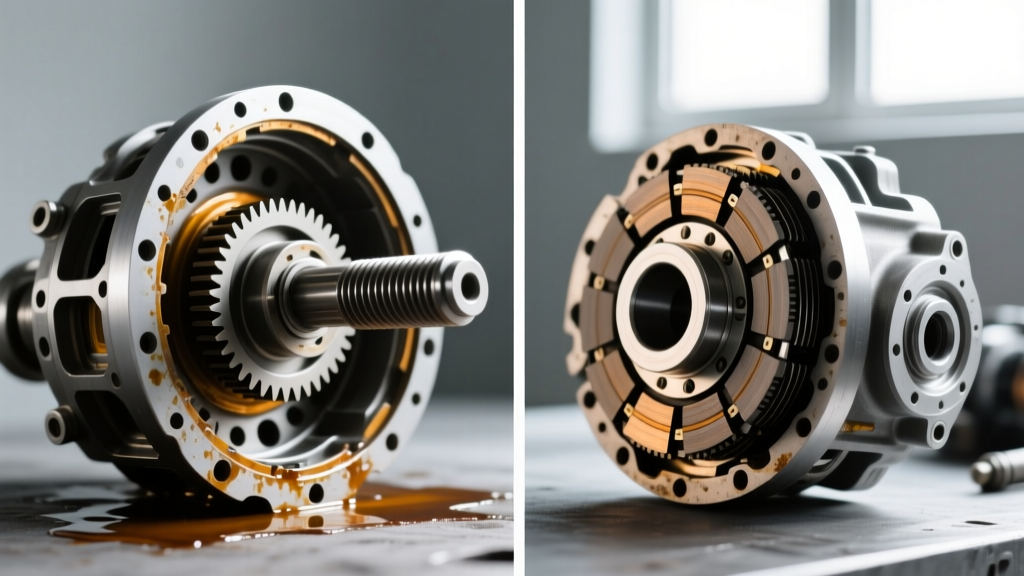
| Chatter / Shudder | Low-speed tight turns | LSD clutch pack degradation or missing friction modifier. | Drain fluid, add Mopar LSD Friction Modifier, perform figure-8 burn-in. |
| Metallic clunk | Load reversal (shifting P-R-D) | Worn crush sleeve, excessive axle backlash, or driveline U-joint slack. | Verify U-joints first; if tight, replace differential crush sleeve and reset preload. |
| Growling / Rumble | Constant speed (45+ mph) | Worn carrier bearings or pitted axle shaft bearings. | Pull axle shafts, inspect bearing races; rebuild carrier assembly. |
Deep Dive: Trac-Lok Chatter vs. Helical LSD Behavior
A frequent complaint on enthusiast forums like LX Forums is low-speed cornering chatter. It is vital to know which differential your Scat Pack houses. If you have the clutch-type Trac-Lok LSD (common with the 3.92 Super Track Pak axles), chatter is almost always a fluid chemistry issue. The clutch packs require a specific friction modifier to allow controlled slip during tight turns. Without it, the clutches bind and release violently, causing a shuddering sensation through the chassis.
Conversely, if your Scat Pack is equipped with an aftermarket or factory helical (Torsen-style) limited-slip differential, it relies on gear geometry rather than clutch friction. Helical diffs do not require friction modifier. Adding it to a helical diff will not harm it, but it is a waste of money and alters the fluid's base viscosity profile.
Advanced Diagnostics: Measuring Ring and Pinion Backlash
If your differential exhibits deceleration whine, you must measure backlash before condemning the gears. Backlash is the rotational play between the ring gear and the pinion gear. For ZF 226mm and 230mm axles, the factory specification is typically 0.005 to 0.009 inches (0.13 - 0.23 mm).
- Mount a magnetic dial indicator base to the axle housing or brake caliper bracket.
- Position the indicator plunger perpendicular to a ring gear tooth face.
- Lock the pinion yoke using a specialized holding tool or by wedging the driveshaft.
- Rotate the ring gear back and forth gently. The total indicator runout (TIR) is your backlash.
- If backlash exceeds 0.012 inches, the crush sleeve has likely collapsed, or the side bearing adjusters have backed out, requiring a partial teardown and reset.
Fluid Specifications and Capacity Data
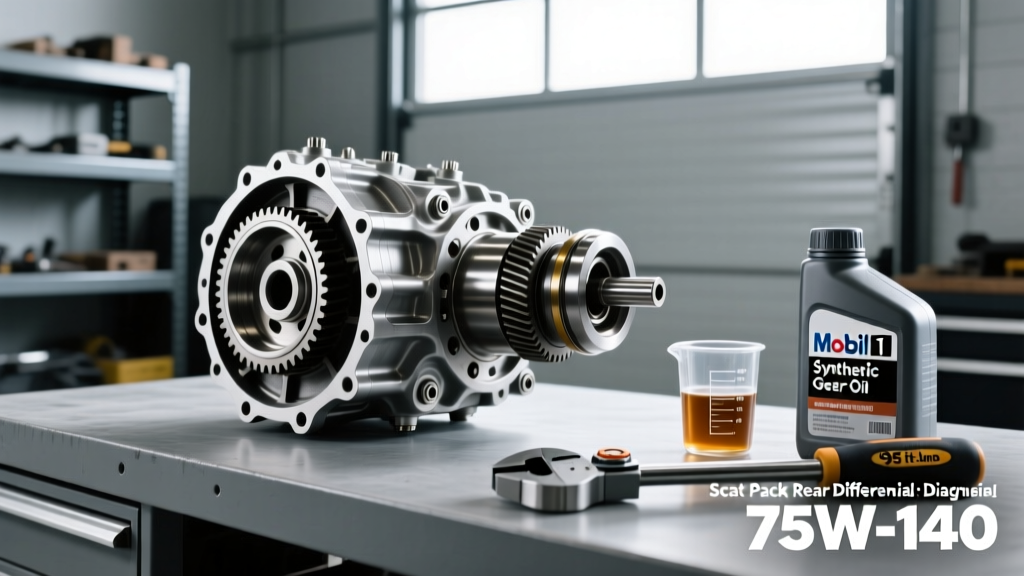
Using the correct fluid is non-negotiable for Scat Pack longevity. The factory fill is designed for standard street duty, but track-focused owners must upgrade viscosity to manage thermal breakdown. Always verify your exact requirements via Mopar Official Parts or your dealer.
| Application | Recommended Viscosity | Mopar Part Number | Capacity | Additives Required |
|---|---|---|---|---|
| Street / Daily Driver | 75W-85 Synthetic | 68218655AA | ~1.6 Liters (1.7 Qt) | LSD Modifier (if Trac-Lok) |
| Track / Drag / Heavy Towing | 75W-140 Synthetic | 05016790AC | ~1.6 Liters (1.7 Qt) | LSD Modifier (if Trac-Lok) |
| LSD Friction Modifier | N/A | 4318060AD | 4 oz (118 ml) | Required for Trac-Lok only |
Step-by-Step Rear Differential Service Procedure
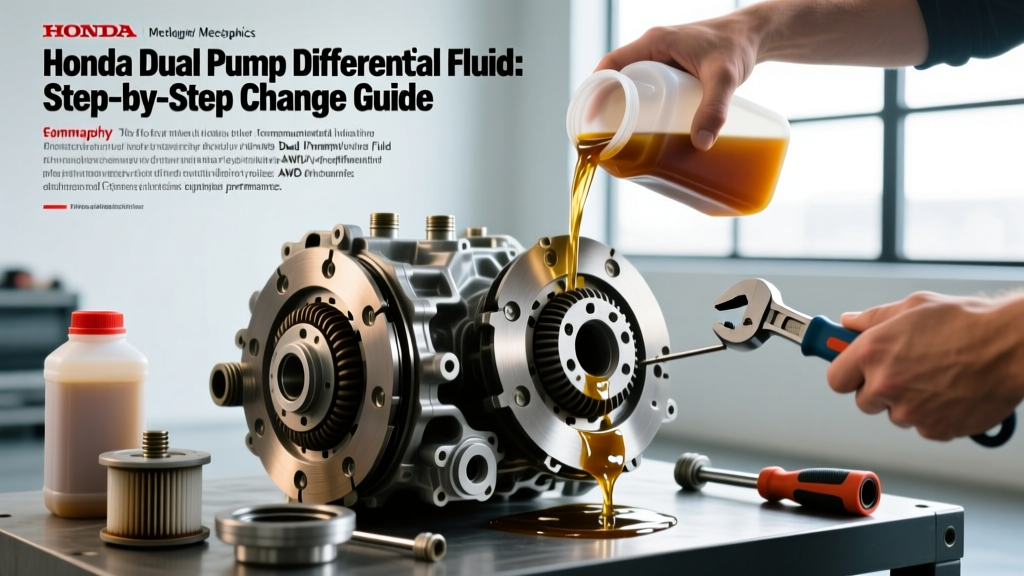
Servicing the Scat Pack rear differential requires attention to sealing surfaces and precise torque values. Unlike older solid axles with bolt-on drain plugs, many ZF axles feature a stamped steel or cast aluminum cover that must be removed, or a rubber fill plug that requires a fluid extraction pump. This guide assumes the common stamped steel cover removal method found on 3.92 LSD axles.
Tools and Materials Required
- 13mm socket and ratchet (or 10mm depending on casting year)
- Torque wrench (inch-pounds and foot-pounds)
- Gasket scraper and brake cleaner
- Mopar Black Silicone RTV (Part# 04883971) or equivalent high-temp RTV
- Fluid transfer pump
- Drain pan and shop towels
Execution Steps
1. Thermal Preparation: Drive the vehicle for 15 minutes to bring the gear oil up to operating temperature (approx. 120°F - 140°F). Warm fluid suspends metallic particulates and drains significantly faster.
2. Cover Removal: Place the drain pan beneath the axle. Loosen the 10mm or 13mm cover bolts in a crisscross pattern. Leave the top two bolts loosely threaded to act as a hinge, preventing the cover from dropping suddenly and spilling hot oil. Gently pry the bottom edge with a flathead screwdriver to break the RTV seal.
3. Inspection: Examine the fluid. A slight metallic glitter on the magnets is normal for a ZF axle. However, if you find chunky metal shavings, brass-colored debris (indicating thrust washer failure), or a burnt smell, a full differential rebuild is imminent. Consult a drivetrain specialist immediately.
4. Surface Preparation: Scrape all old RTV from both the axle housing and the cover. Wipe down with brake cleaner until the surfaces are surgically clean. Any residual oil will compromise the new RTV seal.
5. RTV Application: Apply a continuous 3mm to 5mm bead of Mopar Black Silicone RTV to the cover. Ensure you circle all bolt holes. Pro Tip: Do not over-apply. Excess RTV squeezed into the housing can break off and clog the pinion bearing oil feed galleries.
6. Reassembly and Torque: Mate the cover to the housing and hand-thread all bolts. Torque the cover bolts to 33 Nm (24 lb-ft) in a star pattern. Allow the RTV to cure for at least 2 hours before filling, and 24 hours before driving.
7. Refilling: Locate the fill plug (usually a rubber plug or a threaded hex plug on the front or side of the differential housing). Pump the 75W-85 or 75W-140 fluid into the fill hole until it reaches the bottom edge of the opening. If using a Trac-Lok LSD, inject the 4oz friction modifier before the bulk gear oil to ensure it mixes thoroughly.
Seal Leaks and External Maintenance
If your diagnosis points to fluid loss rather than internal wear, inspect the pinion seal and axle shaft seals. The pinion seal (Mopar Part# 68366054AA) is a common failure point on high-horsepower Scat Packs due to driveshaft harmonic vibrations. Replacing it requires a new pinion nut, as the original is a prevailing-torque lock nut and must never be reused. Torque the new pinion nut to achieve the exact rotational preload spec (typically 15-25 in-lbs of drag for used bearings), not just a blind foot-pound number.
2026 Service Cost Analysis and Final Verdict
Maintaining the scat pack rear differential is a high-ROI endeavor. As of 2026, a dealer-performed drain, clean, and fill service will typically cost between $250 and $350, largely driven by shop supply fees and synthetic fluid markups. An independent drivetrain shop will charge roughly $150 to $200. However, a DIY service using premium synthetic fluids and genuine Mopar RTV costs less than $60 and takes under two hours.
For street-driven Scat Packs, adhere to a 30,000-mile fluid change interval. For vehicles that see regular drag strip or road course use, drop the interval to every 5,000 miles or at the end of every track season. By pairing precise acoustic diagnostics with rigorous maintenance protocols, you ensure that your 6.4L HEMI's power makes it to the pavement efficiently, reliably, and without catastrophic drivetrain interruption.
For further technical discussions and community-verified part numbers, the enthusiast community at Challenger Forumz remains an invaluable resource for real-world axle survivability data.