The Short Answer: Factory Drivetrain Specs
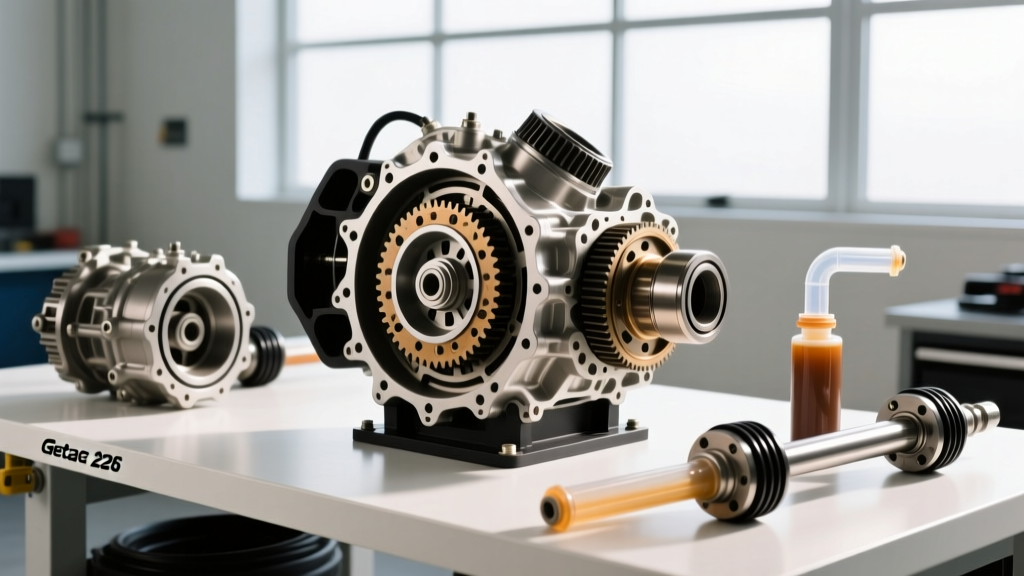
When evaluating classic and modern muscle cars, drivetrain capability is just as critical as engine output. So, does the 2008 Dodge Challenger SRT8 have a limited slip differential? The short answer is yes. The inaugural 2008 Challenger SRT8 (equipped with the 6.1L HEMI V8) came from the factory with a robust Getrag 226mm clutch-type limited-slip differential (LSD). This was a deliberate engineering choice by Chrysler’s Street and Racing Technology (SRT) division to ensure that the 425 horsepower and 420 lb-ft of torque could be effectively transferred to the pavement, rather than being wasted in a cloud of tire smoke from a single wheel.
However, understanding how this specific differential operates, how it compares to an open differential, and how to properly maintain the Getrag 226 unit is vital for any buyer or current owner. In this comprehensive comparison and buyer's guide, we break down the mechanical differences between open and limited-slip axles, provide exact maintenance specifications for the 2008 SRT8, and outline upgrade paths for high-horsepower builds.
The Physics of Traction: Open vs. Limited Slip Differentials
To appreciate the engineering behind the 2008 Challenger SRT8, it is essential to understand the fundamental differences between open differentials and limited-slip differentials. Both serve the primary purpose of allowing the left and right drive wheels to rotate at different speeds during cornering, preventing tire scrubbing and drivetrain binding. However, their behavior under load and during traction loss is vastly different.
Open Differentials and the 'One-Wheel Peel'
An open differential is the most basic and common axle setup found in standard commuter vehicles. It operates on a strict 50/50 torque split. The internal spider gears distribute power equally to both axles, but they always follow the path of least resistance. If the left tire is on dry asphalt and the right tire is on ice (or if weight transfer unloads the inside tire during a hard launch), the open differential will send 100% of the rotational energy to the wheel with the least grip. This results in the infamous 'one-wheel peel,' where one tire spins violently while the other remains completely stationary, leaving the vehicle stranded or severely limiting straight-line acceleration.
Clutch-Type LSDs and Torque Biasing
A limited-slip differential mitigates this issue by introducing internal friction or mechanical binding to resist the path of least resistance. The clutch-type LSD found in the 2008 Challenger SRT8 utilizes a series of alternating friction and steel clutch packs located behind the side gears. When one wheel begins to lose traction and spin faster than the other, the internal clutch packs bind together, forcing torque to be transferred to the wheel that still has grip. This is measured by the Torque Bias Ratio (TBR). The Getrag 226 LSD typically features a TBR of around 2.5:1 to 3:1, meaning it can send up to three times more torque to the wheel with traction compared to the slipping wheel.
Deep Dive: The Getrag 226 LSD in the 2008 SRT8
The Getrag 226mm differential is a heavy-duty, cast-iron clamshell and cover design engineered to handle the high-torque output of the 6.1L HEMI. While it is highly capable for street use and occasional drag strip duty, it is incredibly sensitive to fluid dynamics and wear.
Fluid Specifications and the Chatter Phenomenon
Because the Getrag 226 relies on clutch packs to limit slip, it requires highly specific lubrication. Using standard gear oil will lead to catastrophic chatter, premature clutch wear, and eventual failure. According to MotorTrend's original SRT8 evaluations and factory service manuals, the correct fluid setup requires a dual-chemical approach:
- Base Gear Oil: Mopar 75W-140 Synthetic Gear Lubricant (Part No. 05166260AA) or an equivalent high-quality GL-5 75W-140 synthetic. The high viscosity is required to protect the hypoid ring and pinion gears under extreme heat.
- Friction Modifier: Mopar Friction Modifier Plus (Part No. 04318060AB). This is non-negotiable. The modifier alters the static and dynamic friction coefficients of the clutch packs.
If you skip the friction modifier, the clutch packs will aggressively grab and release during low-speed, tight-radius turns (such as pulling into a parking space). This causes a violent shuddering or 'grunting' noise from the rear axle, often mistaken by inexperienced owners as a failing wheel bearing or broken axle shaft.
Differential Type Comparison Chart
When considering the broader automotive market or planning an axle swap for your Challenger, it helps to compare the factory Getrag clutch LSD against other common differential architectures. For deeper engineering insights into torque biasing, Eaton's Vehicle Differentials portal provides extensive data on helical and locking setups.
| Differential Type | Torque Bias Ratio (TBR) | Maintenance Level | Best Application | Approx. Unit Cost |
|---|---|---|---|---|
| Open Differential | 1:1 (Equal Split) | Low (Standard GL-5) | Commuting, Fuel Economy | $300 - $500 |
| Clutch-Type LSD (Getrag 226) | 2.5:1 to 3:1 | High (Requires Modifier) | Street Performance, Drag Racing | $600 - $900 |
| Helical LSD (Eaton Truetrac) | 2.5:1 to 3.5:1 | Low (Standard GL-5 Only) | Street/Strip, Autocross, Daily Driving | $700 - $850 |
| Automatic Locker (Detroit Locker) | Locked (100%) | Low (Standard GL-5) | Off-Road, Dedicated Drag Car | $650 - $800 |
| Spool | Locked (100%) | None | Purpose-Built Race Cars Only | $150 - $300 |
Essential Maintenance & Torque Specifications
Proper maintenance of the 2008 Challenger SRT8 rear axle extends the life of the ring, pinion, and clutch packs. Differential fluid degrades over time due to shearing forces and the accumulation of microscopic metallic particulates from the hypoid gear mesh. We recommend a drain and fill every 30,000 miles, or immediately after the vehicle's first 1,500-mile break-in period to remove factory assembly paste and initial gear wear metals.
DIY Service Torque Specs
If you are servicing the Getrag 226 at home, adhering to exact torque specifications is critical to prevent stripped threads in the cast-iron housing or fluid leaks. Always use a calibrated torque wrench.
- Differential Drain Plug: 25 lb-ft (34 Nm)
- Differential Fill Plug: 25 lb-ft (34 Nm)
- Rear Cover Bolts (10mm/13mm depending on exact casting): 21 lb-ft / 250 in-lbs (28 Nm). *Note: Use a crisscross star pattern and apply RTV silicone if the specific cover lacks a reusable gasket.*
- Axle Shaft Nut (Hub): 210 lb-ft (285 Nm). *Note: This is a torque-to-yield style application in some later SRT models; always use a new nut if removed.*
- Pinion Nut (Crush Sleeve): Do NOT remove or loosen the pinion nut during a standard fluid change. It requires a specialized inch-pound rotating torque measurement and a new crush sleeve to reset bearing preload. Improper tightening will destroy the pinion bearings within 500 miles.
Pro-Tip from the Garage: When filling the Getrag 226, the fluid level should be exactly flush with the bottom edge of the fill hole. Overfilling the differential will cause the gear oil to aerate and foam as the ring gear churns it at highway speeds, leading to overheating and blown axle seals.
Buyer’s Guide: Rebuilding vs. Upgrading Your Axle
If you are purchasing a used 2008 Challenger SRT8, or if your current Getrag 226 is exhibiting severe chatter that a fluid and modifier change cannot fix, you face a decision: rebuild or upgrade?
Option 1: Rebuilding the Factory Getrag 226
Rebuilding involves dropping the rear subframe or removing the axle shafts, pulling the differential carrier, and replacing the worn clutch packs, side shims, and seals. Estimated Cost: $800 to $1,200 (including OEM Mopar clutch packs, seals, bearings, and labor). This is the most cost-effective route for owners keeping the car at stock horsepower levels (425 HP) and prioritizing factory drivability.
Option 2: Upgrading to a Helical LSD (Eaton Detroit Truetrac)
For owners who have added forced induction (superchargers are common on the 6.1L HEMI) or who frequently track their Challengers, the factory clutch packs are a known weak point. They will eventually wear out and require constant fluid changes. Upgrading to an Eaton Detroit Truetrac (a helical gear-type LSD) is the ultimate buyer's choice for high-performance street cars. Why it's better: The Truetrac uses planetary helical gears instead of clutch packs. It provides smooth, progressive torque biasing without the need for friction modifiers, eliminating clutch chatter forever. It handles up to 800+ wheel horsepower reliably. Estimated Cost: $750 for the Truetrac unit (Part No. 917A5894 for the Getrag 226 housing), plus $400 to $600 for professional installation and a mandatory gear setup (checking ring and pinion backlash and contact pattern).
Option 3: The Dana 60 Swap
If your 2008 SRT8 is a dedicated drag car making over 1,000 horsepower, neither the Getrag 226 nor the standard Dana 44/SRT8 axles will survive the shock load of a trans-brake launch. The ultimate, albeit expensive, buyer's upgrade is swapping the entire rear cradle to a later-model Dodge Dana 60 solid axle setup, complete with 35-spline axle shafts and a spool or locking differential. Expect to pay upwards of $4,500 to $6,000 for a complete, bolt-in Dana 60 conversion kit from manufacturers like Strange Engineering or Driveshaft Shop.
Final Verdict
The 2008 Dodge Challenger SRT8 absolutely utilizes a limited-slip differential from the factory, and the Getrag 226 is a highly capable unit when maintained with the correct 75W-140 synthetic fluid and friction modifier. However, understanding the mechanical limitations of clutch-type LSDs compared to open or helical differentials allows buyers to make informed decisions regarding maintenance budgets and future horsepower upgrades. Whether you are simply performing a 30,000-mile fluid service or planning a Truetrac upgrade, respecting the torque specs and fluid dynamics of the SRT8 axle will ensure your HEMI's power makes it to the pavement.