The Engineering Behind Rubicon Tru-Lok Differentials
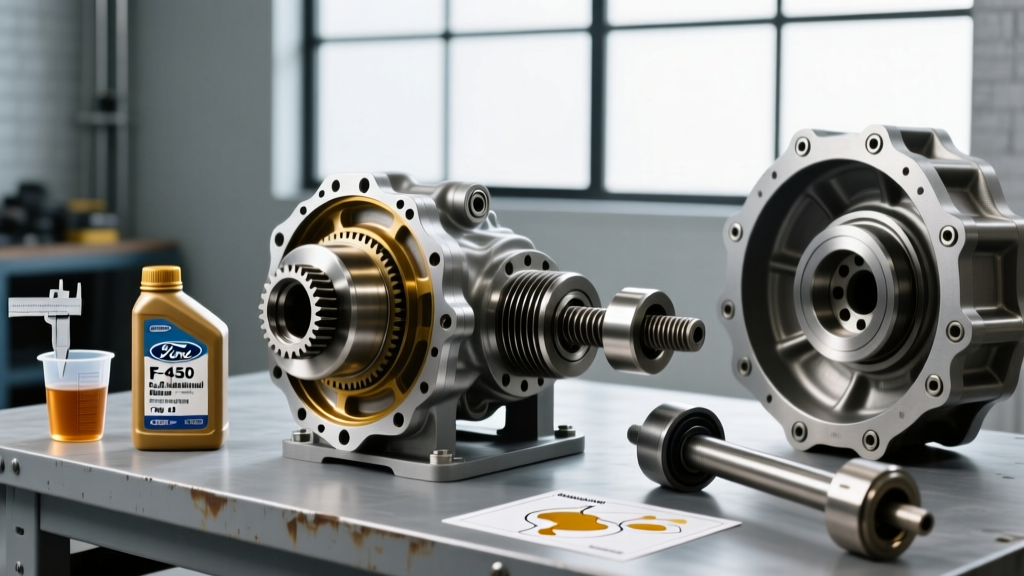
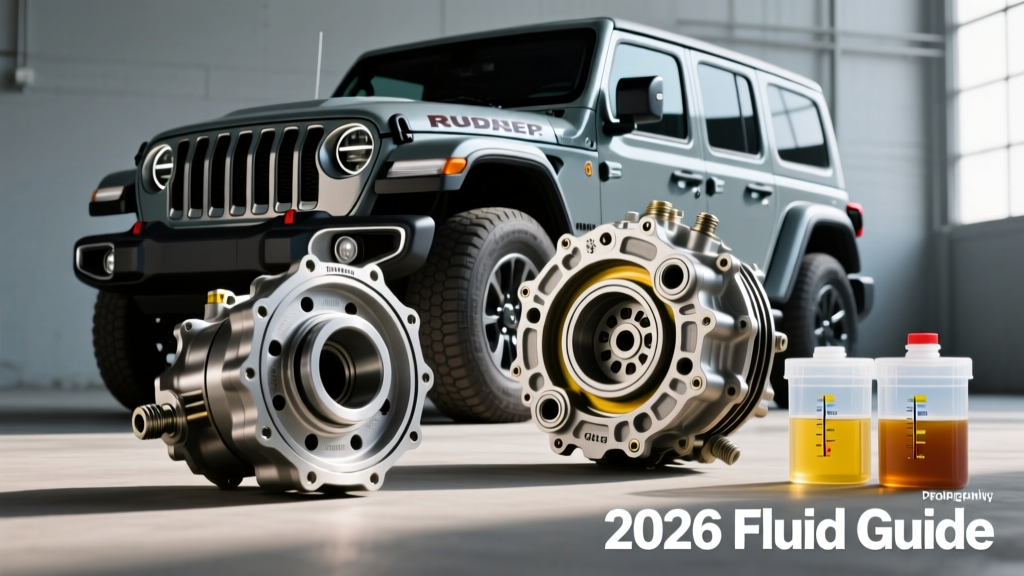
When maintaining the drivetrain of a modern JL-generation Jeep Wrangler, understanding the specific hardware is critical. The Rubicon trim comes factory-equipped with Dana 44 M210 (front) and Dana 44 M220 (rear) Advantek axles. Unlike the Sport or Sahara models that may feature the front axle disconnect, the Rubicon utilizes a solid front axle paired with front and rear electronic Tru-Lok locking differentials. These lockers engage via an electromagnetic actuator rather than traditional clutch packs, fundamentally changing the differential fluid types and specifications required for optimal performance.
Choosing the correct gear oil for your Jeep Wrangler Rubicon locking differentials front rear setup is not just about lubrication; it is about shear stability under extreme articulation, heat dissipation during low-speed rock crawling, and ensuring the electromagnetic actuator mechanisms remain free of sludge. In this 2026 buyer's guide, we break down OEM specifications, aftermarket alternatives, and the precise service data you need to keep your Dana 44s bulletproof.
The Friction Modifier Myth for Electronic Lockers
One of the most common mistakes DIYers and inexperienced lube technicians make is adding a limited-slip friction modifier to a Rubicon's differential. Friction modifiers (like Mopar Part #05010320AA) are designed for clutch-type limited-slip differentials (LSDs), such as the Trac-Lok, to prevent chatter during cornering.
The Tru-Lok electronic locker does not use clutch packs. It relies on a mechanical dog-clutch engagement driven by an electric motor. Adding a friction modifier to a Tru-Lok differential is entirely unnecessary and can actually alter the fluid's viscosity and thermal properties, potentially affecting the actuator's response time. When shopping for gear oil for your Rubicon, always look for 'Non-Slip' (NS) formulations or standard GL-5 fluids that explicitly state no friction modifier is required for lockers.
OEM vs. Aftermarket: Fluid Viscosity and Specifications
Stellantis specifies an API GL-5, SAE 75W-85 synthetic gear oil for standard operation to maximize fuel economy and reduce parasitic drag in the Dana 44 hypoid gear sets. However, the off-road community and heavy-duty towing advocates often push for higher viscosities. Here is how the 2026 landscape breaks down:
- 75W-85 (OEM Standard): Best for daily driving, highway commuting, and stock-sized tires. Provides adequate protection while minimizing drivetrain temperature.
- 75W-90 (The Sweet Spot): The most popular choice for modified Wranglers. Offers a thicker protective film for 35-inch to 37-inch tires and moderate trail use without the heavy drag of 140-weight oils.
- 75W-140 (Severe Duty): Recommended only if you are running 40-inch tires, towing near the Wrangler's max capacity, or engaging in high-speed desert running where differential temperatures exceed 250°F (121°C).
Regearing Considerations
If you have upgraded from the factory 4.10 gears to 4.56 or 4.88 ring and pinion sets to accommodate larger tires, the break-in procedure is paramount. Freshly cut aftermarket gears (like those from Yukon or Revolution Gear) must have their fluid changed at 500 miles to remove metallic break-in debris. After the initial dump, standard 30,000-mile intervals apply.
2026 Buyer's Comparison: Top Gear Oils for Dana 44 Axles
Below is a comparison of the top-performing differential fluids on the market for the Rubicon platform, evaluated on shear stability, thermal breakdown resistance, and locker compatibility.
| Brand & Product | Viscosity | Friction Modifier? | Price / Qt (Est.) | Best Application |
|---|---|---|---|---|
| Mopar Gear & Axle Lubricant (68218655AA) | 75W-85 | No | $22.00 | Stock OEM Replacement, Daily Driving |
| Red Line 75W-90 NS Gear Oil | 75W-90 | No (NS Formula) | $24.50 | Trail Rig, 35-37" Tires, Extreme Shock Loads |
| AMSOIL Severe Gear Synthetic | 75W-90 | No | $21.00 | Heavy Towing, High Temp Desert Running |
| Royal Purple Max Gear | 75W-90 | Yes (Included) | $26.00 | Mixed Fleet (Not ideal for pure Tru-Lok setups) |
| Valvoline SynPower Full Synthetic | 75W-140 | No | $16.50 | 40" Tires, Extreme Rock Crawling Heat |
Editor's Note: For dedicated Rubicon trail rigs, Red Line's 75W-90 NS remains the gold standard due to its polyol ester base stock, which clings to ring and pinion gears under extreme low-speed, high-torque articulation.
Step-by-Step Service: Capacities, Torque Specs, and Procedures
Servicing the Jeep Wrangler Rubicon locking differentials front rear requires precision. Overfilling can cause fluid to migrate into the Tru-Lok actuator housing or the axle breather tubes, leading to electrical faults or blown seals.
Front Dana 44 M210 Service Nuances
- Capacity: 2.7 pints (1.27 liters).
- Procedure: The M210 features a structural cast-aluminum center section with a removable cover. If using the stock cover, remove the bottom bolts first to drain. If equipped with an aftermarket diff cover (e.g., ARB, Spicer, or Dana), use the dedicated drain plug.
- Torque Spec: Cover bolts (typically 13mm) must be torqued to 30-35 lb-ft (41-47 Nm) in a crisscross pattern. Over-torquing will strip the aluminum housing threads.
- Fill Level: Fill until the fluid is exactly level with the bottom of the fill plug hole. Do not overfill.
Rear Dana 44 M220 Service Nuances
- Capacity: 3.6 pints (1.70 liters).
- Procedure: The rear M220 is robust but runs hotter than the front due to the driveline's inherent torque multiplication and the absence of steering friction. Ensure the vehicle is perfectly level on jack stands before checking the fill level, as the rear axle's pinion angle (especially on lifted JLs with adjustable control arms) can skew the fluid level reading.
- Torque Spec: Rear cover bolts (often 15mm or 1/2-inch depending on the casting) torque to 30-35 lb-ft. Aftermarket drain/fill plugs with O-rings typically require 15-25 lb-ft.
Troubleshooting Differential Noise Post-Service
It is not uncommon for owners to report a slight increase in gear whine immediately after switching from the OEM 75W-85 to a heavier 75W-90 or 75W-140 synthetic. This is often due to the fluid's acoustic dampening properties and the tighter clearances of the Advantek gear cut. However, if you experience a rhythmic clicking or binding sensation when the Tru-Lok is disengaged, you may have overfilled the differential, causing hydraulic pressure against the locker collar.
Furthermore, always inspect the differential breather tubes during a fluid service. While Jeep routes the JL breathers high into the engine bay, water fording can still lead to condensation. If your drained fluid resembles a chocolate milkshake, water has breached the system via a compromised axle seal or a submerged breather, necessitating an immediate flush with a cheap GL-5 oil before refilling with your premium synthetic.
Final Verdict for 2026
For the vast majority of Rubicon owners running 35-inch tires and engaging in weekend trail riding, a high-quality 75W-90 Non-Slip synthetic like AMSOIL Severe Gear or Red Line NS provides the ultimate balance of protection and thermal stability. Skip the friction modifiers, adhere strictly to the 30-35 lb-ft torque specs on your Dana 44 covers, and your Tru-Lok differentials will deliver reliable traction for hundreds of thousands of miles.