The CFMoto UFORCE 1000 Drivetrain: Why Material Science Matters
When extracting maximum performance from the 963cc V-Twin engine of the CFMoto UFORCE 1000, the continuously variable transmission (CVT) is the critical bottleneck. While automotive enthusiasts building manual swaps obsess over traditional clutch disc types and materials—such as sintered iron, ceramic, or Kevlar—UTV owners must pivot their focus to CVT sheave metallurgy, flyweight profiles, and aramid belt compounds. For the 2026 off-road season, installing an RNG clutch kit UFORCE 1000 owners rely on is the most effective method to recalibrate the shift curve, optimize the V-Twin torque band, and prevent premature belt failure.
This model-specific repair guide bridges the gap between traditional clutch disc material science and modern UTV CVT engineering. We will deconstruct the RNG clutch kit, compare manual friction materials to CVT sheave coatings, and provide exact torque specifications for your garage.
Deconstructing the RNG Clutch Kit for the UFORCE 1000
The OEM CFMoto clutch tuning is heavily compromised by EPA emissions standards and a desire for low-speed trail tractability. This results in a sluggish engagement (around 1,800 RPM) and a shift curve that falls flat on the V-Twin’s peak horsepower node. The RNG (Revolution/Performance) clutch kit replaces the internal springs and flyweights to force the primary clutch to shift out faster, keeping the engine in the 6,200–6,800 RPM sweet spot.
Kit Components and Pricing (2026 Market Data)
- Primary Spring (150/340 Rate): Provides a stiffer initial engagement to prevent belt slip at high load, with a progressive final rate for top-end shift-out. (~$35)
- Secondary Spring (200/300 Rate): Increases backshifting speed when decelerating, crucial for engine braking on steep descents. (~$30)
- Adjustable Flyweights (18g–26g baseline): CNC-machined steel with removable set-screws to dial in the exact gram-weight for your tire size and altitude. (~$180)
- Total Kit Cost: Typically ranges from $245 to $289 depending on the retailer.
Clutch Disc Types and Materials: Manual vs. UTV CVT Sheaves
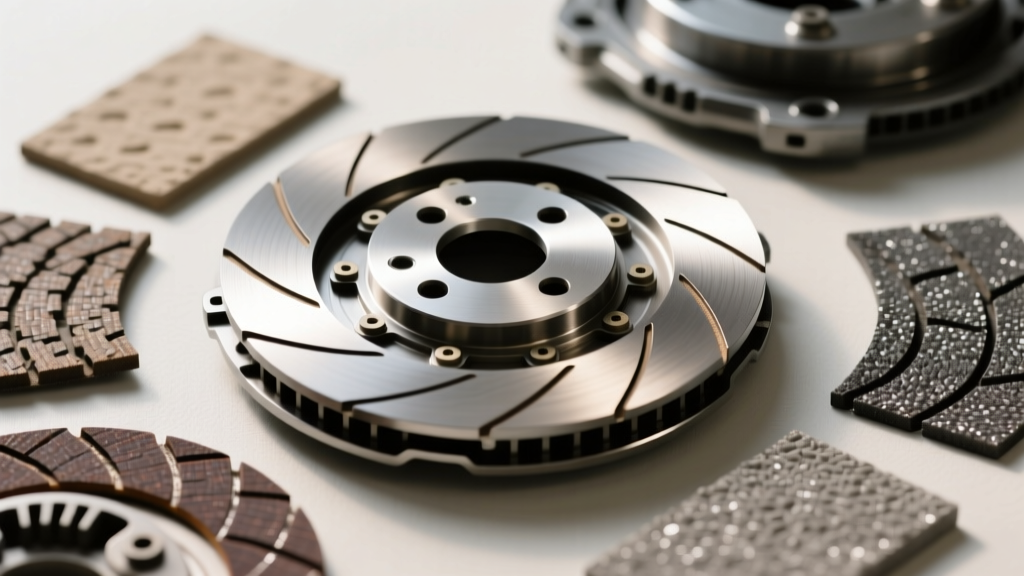
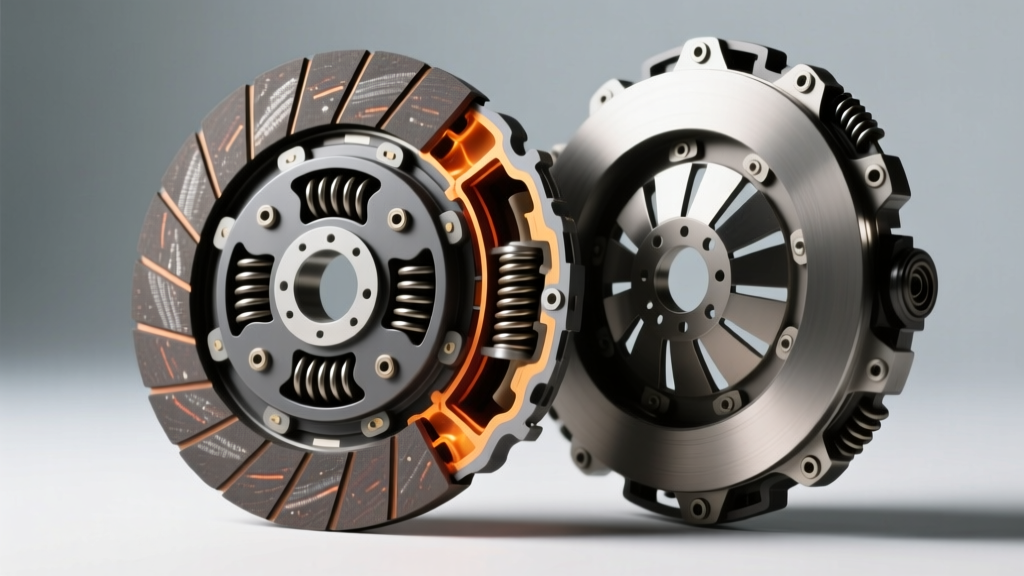
To truly understand how the RNG kit interacts with your drivetrain, we must compare traditional manual clutch disc materials to the friction surfaces inside a UTV CVT. In a manual transmission, the clutch disc is a sacrificial friction material sandwiched between a flywheel and a pressure plate. In a CVT, the 'plates' are the aluminum sheaves, and the 'friction disc' is the drive belt itself.
| Material Type | Traditional Manual Application | UTV CVT Equivalent / Sheave Coating | Friction Coefficient (μ) | Heat Tolerance |
|---|---|---|---|---|
| Organic | Daily driving, smooth engagement | OEM Cast Aluminum (Uncoated) | 0.35 - 0.40 | Low (Glazes easily) |
| Ceramic | High-torque, aggressive grab | Hard-Anodized Aluminum Sheaves | 0.45 - 0.50 | High (Resists scoring) |
| Kevlar / Aramid | High-RPM racing, high burst | Aramid-Fiber Reinforced CVT Belts | 0.50+ | Extreme (Cord integrity) |
| Sintered Iron | Pulling trucks, competition | Nickel-Silicon Carbide (Ni-SiC) Plating | 0.55+ | Maximum (Weld-resistant) |
The Metallurgy of CVT Sheaves and Belt Slip
Unlike a ceramic clutch disc that bites a steel flywheel, the UFORCE 1000 relies on the V-belt wedging into the primary and secondary sheaves. OEM sheaves are typically cast aluminum with a basic machined finish. When subjected to the 65 lb-ft of torque from the 963cc V-Twin, the raw aluminum can micro-weld to the EPDM rubber of the belt, causing 'belt slip' and catastrophic tearing. Premium aftermarket clutches and upgraded sheaves utilize Nickel-Silicon Carbide (Ni-SiC) or deep hard-anodized coatings. According to Gates Corporation belt material science data, maintaining a consistent friction coefficient between the sheave face and the aramid belt cords is critical to preventing heat degradation.
Step-by-Step Installation & Torque Specifications
Installing the RNG clutch kit requires precision. The CVT operates in a high-dust, high-vibration environment. Improper torque will result in the primary clutch detaching at 7,000 RPM, which will destroy the CVT casing and pose a severe safety hazard.
1. Primary Clutch Removal and Teardown
- Remove the CVT cover and clean the area with compressed air. Do not allow debris into the bell housing.
- Use a specialized CVT puller. For the CFMoto UFORCE 1000, the primary clutch typically requires an M20 x 1.5 puller thread. (Verify against your specific year's CFMoto Official Service Documentation, as hardware revisions occur).
- Mark the sheave halves with a Sharpie for alignment during reassembly.
- Compress the primary spring using a CVT spring compressor tool. Remove the snap ring, spider, and OEM flyweights.
- Install the RNG adjustable flyweights and the 150/340 primary spring. Ensure the spring seats perfectly in the spider and cup grooves.
2. Secondary Clutch and Reinstallation
- Compress the secondary clutch, remove the retaining clip, and swap the OEM spring for the RNG 200/300 secondary spring.
- Reinstall the primary clutch onto the engine crankshaft taper. Critical: The crankshaft taper and the inside of the clutch must be completely free of oil. Wipe both surfaces with acetone.
- Apply a medium-strength threadlocker (Loctite 243) to the primary mounting bolt.
- Torque Spec (Primary): Torque to 75 Nm (55 lb-ft). Do not use an impact wrench for final torque; use a calibrated torque wrench while holding the clutch with a strap wrench.
- Torque Spec (Secondary): Reinstall the secondary clutch and torque the mounting bolt to 55 Nm (40 lb-ft) with Loctite 243.
Troubleshooting Belt Slip and Sheave Wear
Even with the best RNG clutch kit installed, material degradation will ruin your tuning. As noted by UTV Action Magazine in their 2025 UTV reliability reports, belt slip is the number one cause of CVT failure in the side-by-side segment.
- Symptom: RPMs spike without a corresponding increase in vehicle speed under heavy load (e.g., climbing hills or mudding).
- Material Cause: The sheave faces have worn past their hard-anodized layer, exposing soft aluminum. The aluminum grabs the belt, generating friction heat exceeding 400°F, which melts the EPDM rubber matrix.
- Solution: Inspect the sheave faces with a straight edge. If you feel gouges or notice a mirror-like 'glaze' on the aluminum, the sheaves must be replaced or sent out for Ni-SiC re-coating. No clutch spring rate can overcome a glazed sheave face.
Final Verdict: Tuning for 2026 and Beyond
Upgrading to an RNG clutch kit on your UFORCE 1000 is not just about stiffer springs; it is about harmonizing the mechanical clamping force with the friction materials of your drive belt and sheaves. By understanding the parallels between traditional clutch disc types (like ceramic and sintered iron) and UTV CVT metallurgy, you can make informed decisions about sheave coatings and belt selection. Ensure you adhere strictly to the 75 Nm torque specifications, keep your CVT intake filters clean to prevent abrasive dust from ruining your sheave coatings, and enjoy a vastly superior, more responsive V-Twin drivetrain on your next trail ride.