Navigating the 2026 Clutch Market: Friction Materials and Procurement Economics
When building a high-performance drivetrain, the clutch disc is the ultimate bottleneck between your engine's torque output and the transmission's input shaft. Selecting the correct friction material is not merely a matter of grip; it is a complex balancing act involving thermal dynamics, drivability, and budget. In the current 2026 aftermarket landscape, prices for premium friction materials have stabilized, but high-end carbon and sintered iron setups remain a significant investment. For builders managing a strict budget, knowing exactly when to hunt for a clutch discount code—and when to spend the extra capital on superior metallurgy—can make or break a project.
This comprehensive cost analysis breaks down the metallurgical realities of organic, ceramic, Kevlar, and sintered iron friction materials, providing real-world pricing, torque capacities, and procurement strategies for everything from a street-driven Tremec T56 Magnum swap to a dedicated drag-spec TH400 setup.
Friction Material Metallurgy and Base Cost Comparison
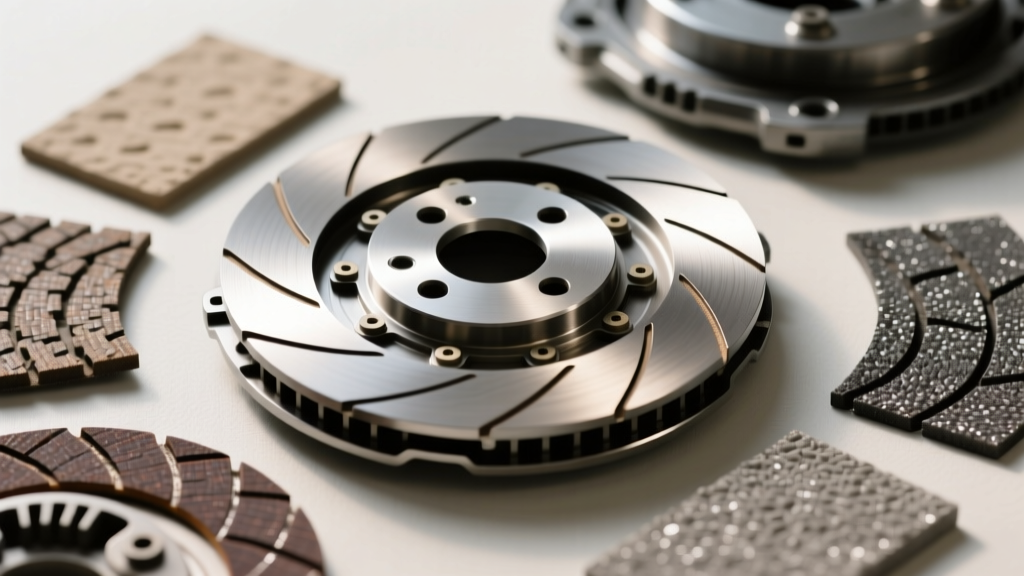
The friction material bonded or riveted to the clutch disc hub dictates the coefficient of friction (CoF), thermal threshold, and engagement characteristics. According to the engineering data published by Advanced Clutch Technology (ACT), the thermal limits of these materials vary wildly, directly correlating with their manufacturing cost and retail price.
| Material Type | Est. Torque Capacity | Thermal Threshold | Engagement Feel | Avg. 2026 Disc Price | Flywheel Requirement |
|---|---|---|---|---|---|
| Organic (Full-Face) | 350 - 500 lb-ft | ~450°F (Glazes) | Smooth, OEM-like | $150 - $280 | Nodular Iron / Aluminum |
| Kevlar / Aramid | 400 - 600 lb-ft | ~600°F | Progressive, Requires Bed-In | $250 - $450 | Hardened Steel / Nodular Iron |
| Ceramic (Puck/Sprung) | 600 - 900 lb-ft | ~1,000°F+ | Aggressive, Abrupt | $300 - $650 | Nodular Iron / Steel |
| Sintered Iron | 900 - 1,400+ lb-ft | ~1,200°F+ | On/Off Switch, Chatter | $500 - $900 | Hardened Steel (Exclusive) |
| Carbon/Carbon | 1,200 - 2,000+ lb-ft | ~1,500°F+ | High-RPM Dependent | $1,200 - $2,500+ | Proprietary Carbon Matrix |
Organic and Kevlar Composites: The Street Budget
Organic discs utilize a composite of cellulose, fiberglass, and Kevlar flakes suspended in a phenolic resin. They are inexpensive to manufacture, which keeps retail prices between $150 and $280 for most V8 applications (e.g., GM LS or Ford Coyote). However, organic materials suffer from severe fade once surface temperatures exceed 450°F. Kevlar/Aramid discs offer a 15-20% increase in torque capacity and resist glazing better than standard organic, but they require a meticulous 500-mile bedding-in process to transfer the aramid layer to the flywheel. If you slip a Kevlar clutch in stop-and-go traffic before it is bedded, you will permanently score the friction surface.
Ceramic Pucks: The Track-Day Compromise
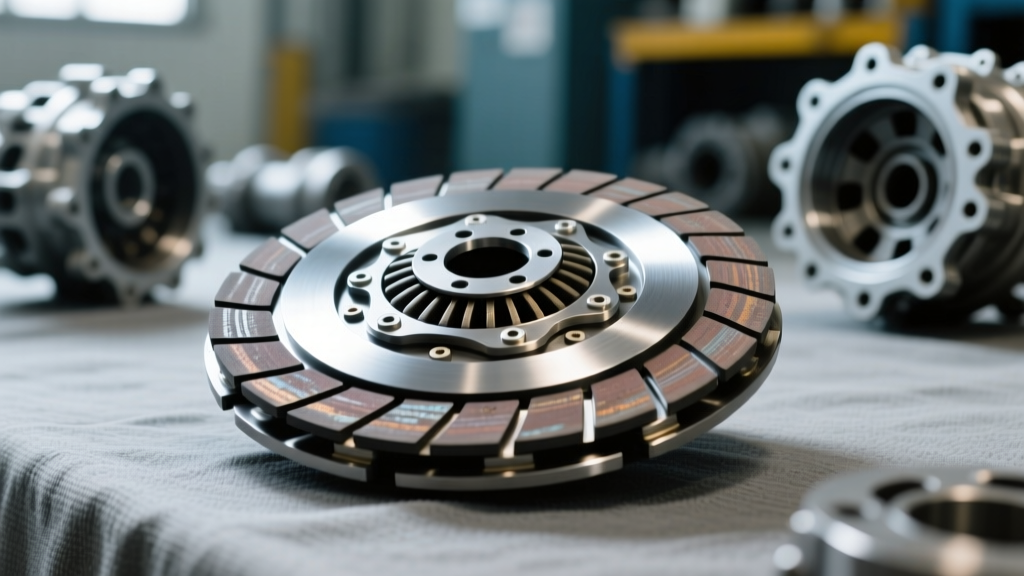
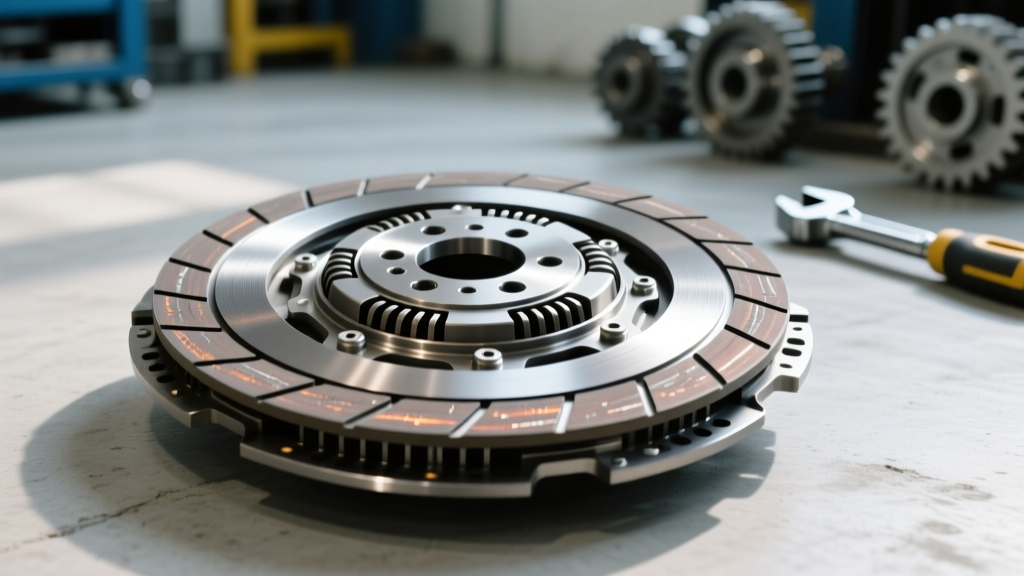
Ceramic friction pads are formed by fusing ceramic particles within a copper and iron matrix. A 6-puck sprung ceramic disc (like the ACT HD/SS series) typically costs between $300 and $650. Ceramic generates immense friction but transfers heat directly into the pressure plate and flywheel. Warning: Never pair a ceramic puck disc with an aluminum flywheel equipped with a thin steel friction ring; the localized heat will warp the steel ring and destroy the aluminum backing. Ceramic demands a solid one-piece nodular iron or billet steel flywheel.
Sintered Iron and Carbon: The Pro-Budget Tier
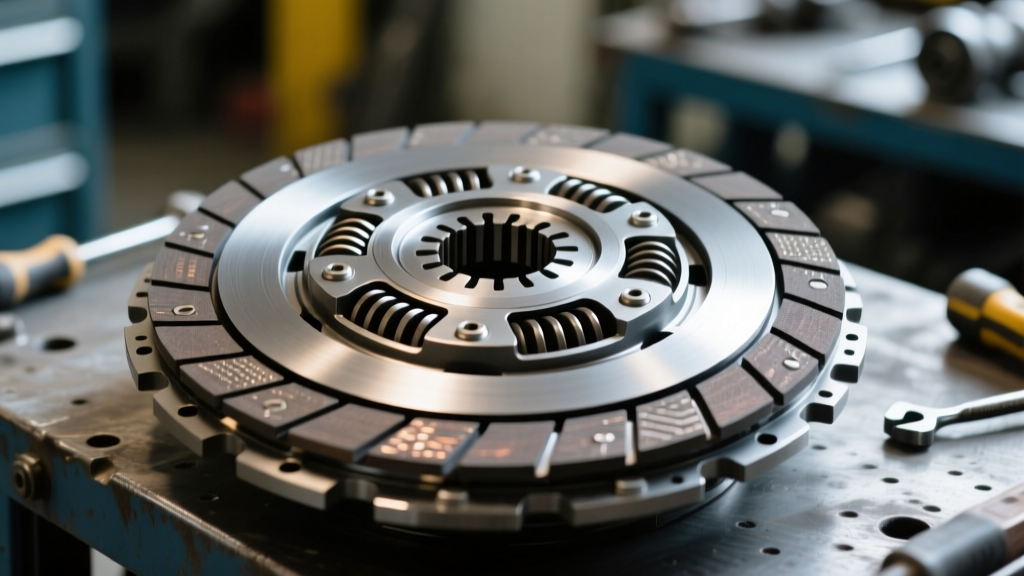
Sintered iron is created by fusing iron powder under extreme heat and pressure, resulting in a porous, incredibly aggressive friction surface. As noted in the technical documentation by Tilton Engineering, sintered iron requires a specialized hardened steel flywheel mating surface. It will instantly chew up standard cast iron. Pricing for a high-quality sintered iron disc ranges from $500 to $900. Carbon-on-carbon setups (like the Tilton OT-II) are reserved for elite motorsports, with twin-disc assemblies routinely exceeding $2,500. Carbon requires high RPM to generate the friction necessary for engagement, making it entirely unsuitable for street use.
The Economics of Procurement: Leveraging a Clutch Discount Code
Because high-performance drivetrain components carry premium price tags, smart builders time their purchases around seasonal promotional cycles. Applying a clutch discount code is a highly effective strategy, but its value scales with the tier of material you are purchasing.
- The Budget Build (Organic/OEM): If you are buying a $180 Sachs OEM replacement organic disc for a daily-driven Subaru WRX, a standard 10% off clutch discount code saves you exactly $18. This barely covers the cost of a new pilot bearing and shipping. At this tier, focus your budget on replacing the hydraulic slave cylinder rather than hunting for deep discounts on the disc itself.
- The Hybrid Build (Ceramic/Kevlar): For a $550 SPEC Stage 3+ ceramic clutch kit, a 15% promotional code yields an $82.50 savings. This is the sweet spot for discount hunting. Many major motorsport retailers release these codes during Spring prep seasons (March/April) or Black Friday. Use the savings to upgrade to an ARP flywheel bolt kit and a high-temperature throwout bearing.
- The Elite Build (Sintered/Carbon): When purchasing a $1,800 Tilton or RAM twin-disc carbon assembly, a 10% to 15% clutch discount code results in massive capital retention ($180 to $270). At this price point, buyers should contact specialized drivetrain retailers directly. Many authorized dealers will generate a custom discount code or price-match a competitor to secure the sale of a high-ticket item.
Procurement Warning: Never use unauthorized 'mega-discount' marketplaces for sintered iron or carbon clutches. The 2026 market has seen a surge in counterfeit ceramic and sintered pucks originating from overseas suppliers. These counterfeit discs use low-grade metallic resins that shatter under high-RPM centrifugal force, taking the transmission bell housing with them. Always verify the retailer is an authorized dealer for ACT, SPEC, Tilton, or Exedy.
Hidden Costs: Flywheels, Hardware, and Torque Specifications
The cost of the friction disc is only one line item in your drivetrain budget. The mating hardware and hydraulic actuation systems often represent 40% of the total clutch replacement cost. Failing to budget for these components will stall your build.
Flywheel Resurfacing vs. Replacement
If you are stepping up from an organic disc to a ceramic or sintered iron disc, your existing flywheel is likely incompatible or worn beyond the minimum thickness specification. A billet steel flywheel (required for sintered iron) costs between $350 and $600. If you are staying with organic, resurfacing a dual-mass flywheel (DMF) on a Porsche G50 or a modern Ford EcoBoost is often impossible; you must convert to a single-mass lightweight aluminum/steel setup, adding $400+ to the bill.
Fasteners and Torque Specs
Reusing stretch-to-yield OEM flywheel bolts is a catastrophic error. You must budget $40-$60 for aftermarket hardware. According to the installation guidelines provided by ARP (Automotive Racing Products), proper torque sequences are non-negotiable to prevent flywheel warping under ceramic clutch heat.
- GM LS (4.8/5.3/6.0/6.2): Using ARP part # 104-2801, torque the flywheel bolts to 74 lb-ft using ARP Ultra-Torque lubricant. Do not use standard 30W oil, as it alters the friction coefficient and leads to under-torquing.
- Ford Coyote 5.0 (2011-2026): OEM bolts are torque-to-yield. If using ARP replacements, torque to 65 lb-ft. If reusing OEM hardware (not recommended for ceramic), the factory spec is 35 lb-ft plus an additional 90 degrees of rotation.
- Subaru EJ/FA (Push-type): Torque flywheel bolts to 69 lb-ft in a star pattern. Ensure the alignment dowel pin is seated before torquing to prevent runout, which causes severe clutch chatter with aggressive friction materials.
Hydraulics and Throwout Bearings
High-clamp-load pressure plates (common with ceramic and sintered setups) place immense stress on the hydraulic throwout bearing and master cylinder. Budget an additional $150 to $300 for an upgraded hydraulic setup. For GM LS swaps utilizing a Tremec T56 Magnum, the GM LS1-style hydraulic throwout bearing (Part # 81005) is a $180 mandatory upgrade to ensure the heavier diaphragm springs are fully disengaged without premature master cylinder failure.
Final Verdict: Aligning Material with Budget
Choosing a clutch disc friction material requires an honest assessment of your vehicle's torque output and intended use case. Organic and Kevlar remain the undisputed kings of street drivability and budget-friendly builds. Ceramic offers the necessary thermal mass for track abuse but demands respect and proper flywheel pairing. Sintered iron and carbon are specialized tools for dedicated motorsports.
By understanding the true cost of ownership—including flywheel compatibility, ARP hardware, and hydraulic upgrades—you can strategically time your purchases. Utilizing a valid clutch discount code during peak promotional windows allows you to reallocate saved funds toward the critical supporting modifications that keep your drivetrain intact when the green light drops.