Bridging the Gap: Powersports and Light Commercial Drivetrains
In the diverse environment of a multi-discipline transmission shop, technicians must seamlessly transition between the high-RPM, oil-bathed environments of powersports and the high-torque, dry-friction environments of light commercial vehicles. Preventive maintenance is the cornerstone of drivetrain longevity, whether you are measuring the warpage of a motorcycle clutch plate or evaluating the release bearing travel on a heavy-duty pickup. While the fundamental physics of friction remain constant, the engineering execution varies wildly. This guide provides a deep-dive technical comparison, contrasting the meticulous wet-clutch inspection protocols required for motorcycles with the heavy-duty replacement procedures utilized when installing a clutch kit for Isuzu applications, such as the D-Max or NPR series.
The Anatomy of a Wet Multi-Plate Motorcycle Clutch
Unlike the single-plate dry clutches found in most automotive and commercial applications, modern motorcycles utilize a wet multi-plate clutch system submerged in the engine's shared transmission oil. This architecture allows for a compact diameter while multiplying the friction surface area, enabling the clutch to handle the extreme power-to-weight ratios of modern sport and adventure bikes.
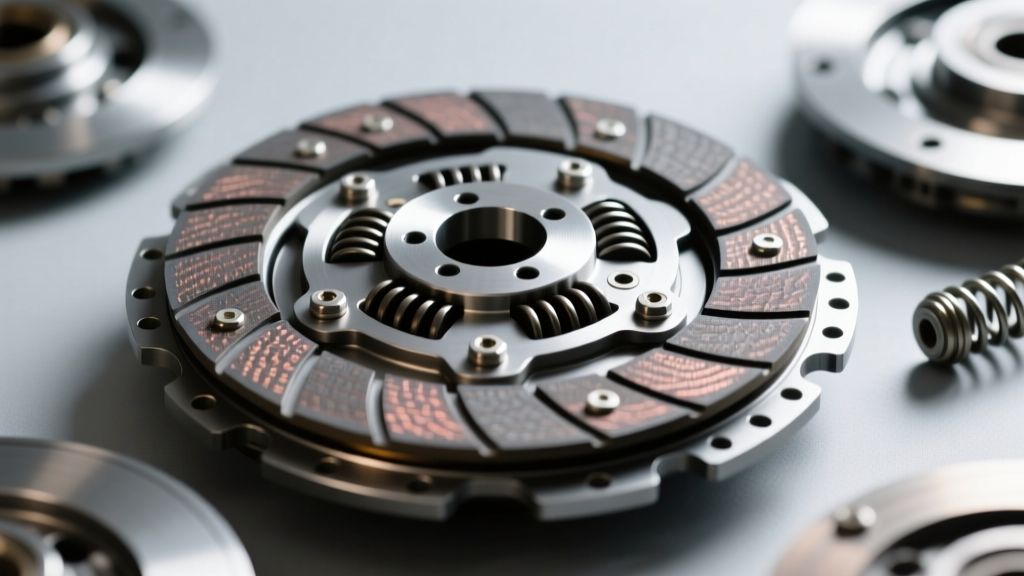
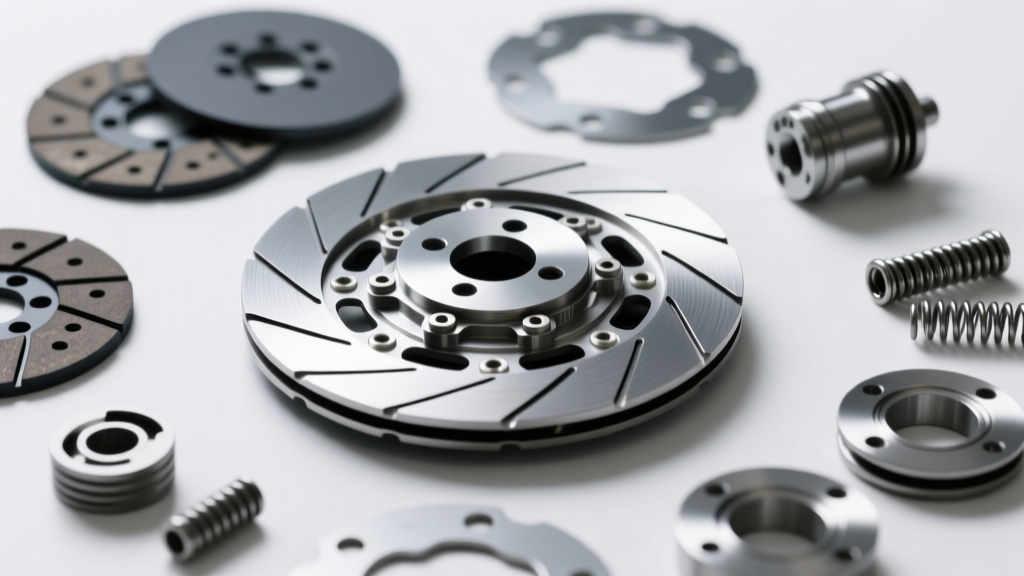
A standard motorcycle clutch pack consists of alternating friction plates and steel separator plates. The friction plates are typically stamped steel cores lined with friction material—historically cork-based, but increasingly utilizing sintered bronze, Kevlar, or carbon fiber for high-performance applications. The steel separator plates act as heat sinks and mechanical dividers. Because the entire assembly operates in an oil bath, the friction material must be specifically designed to maintain its coefficient of friction without degrading or swelling when exposed to complex petroleum or synthetic ester lubricants.
Friction Material Selection and Break-In Protocols
When performing preventive maintenance, selecting the correct replacement friction material is critical. Standard cork-based plates (often found in OEM replacements like the Exedy or EBC CK series) offer progressive, predictable engagement but wear faster under high-heat track conditions. Kevlar-based plates offer a higher coefficient of friction and exceptional heat resistance but require a strict 200-to-300-mile bedding-in period to mate properly with the steel plates. Failure to observe this break-in procedure will result in glazing, leading to permanent high-RPM slip and the premature destruction of the steel separator plates.
Inspection Protocols: Tolerances and Wear Limits
Preventive maintenance on a motorcycle clutch is not merely about replacing parts when slip occurs; it is about measuring component degradation before catastrophic failure damages the clutch basket or transmission input shaft. Technicians must use precision measuring tools, including digital micrometers, feeler gauges, and vernier calipers, to verify that components remain within factory service limits.
| Component | Nominal Specification | Service Limit (Replace) | Measurement Tool |
|---|---|---|---|
| Friction Plate Thickness | 3.00 mm | 2.70 mm (varies by OEM) | Digital Micrometer |
| Steel Plate Warpage | 0.00 mm (Flat) | 0.10 mm maximum | Feeler Gauge & Surface Plate |
| Clutch Spring Free Length | 46.5 mm | 44.0 mm minimum | Vernier Caliper |
| Clutch Basket Finger Notching | 0.00 mm | 0.20 mm step-depth | Fingernail drag / Depth Gauge |
Crucial Edge Case: If the steel separator plates exhibit bluing (discoloration from extreme heat), they have lost their temper and nitride surface hardening. Even if they measure within the 0.10mm warpage limit, blued plates must be replaced. Reusing them will cause rapid, accelerated wear on the new friction plates due to the altered surface metallurgy.
The Isuzu Contrast: Dry Single-Plate Preventive Maintenance
Transitioning from the precision of a motorcycle wet clutch to the brute force of a commercial truck drivetrain highlights the engineering compromises inherent in vehicle design. When sourcing and installing a clutch kit for Isuzu trucks—particularly those equipped with the 4JK1 or 4JJ1 turbo-diesel engines—the focus shifts from multi-plate oil chemistry to single-plate clamping force, flywheel mass, and hydraulic actuation.
Flywheel Runout and Dual-Mass Flywheel (DMF) Diagnostics
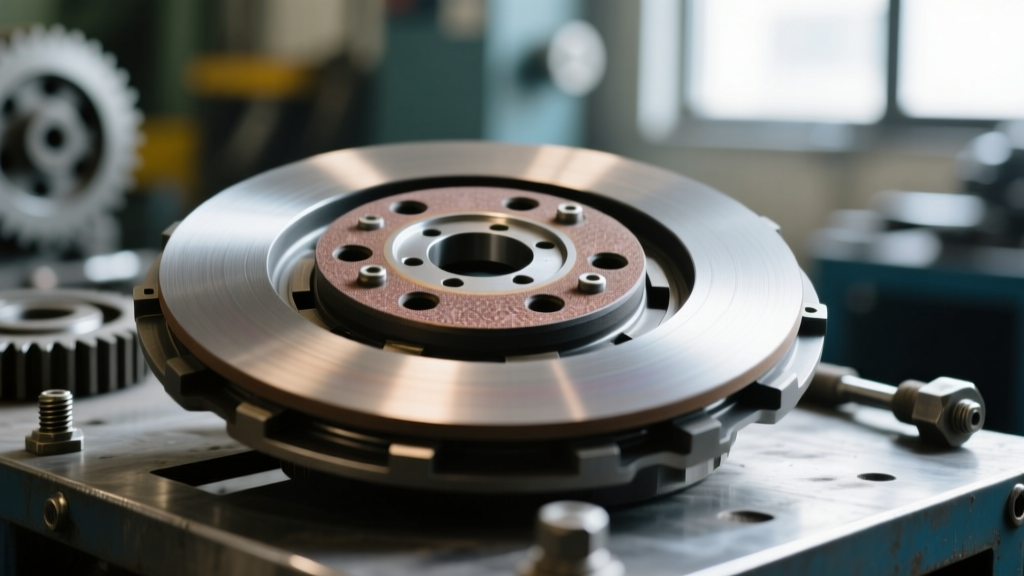
Unlike a motorcycle, where the clutch basket is integrated into the engine's primary drive gear, an Isuzu truck relies on the engine's flywheel as the primary friction mating surface. Preventive maintenance dictates that the flywheel must be inspected for runout, hot spots, and micro-cracking. For Isuzu models equipped with a Dual-Mass Flywheel (DMF), designed to dampen the severe torsional vibrations inherent to inline-four turbo diesels, technicians must check for excessive free-play. A DMF with more than 15 degrees of rotational free-play or visible grease leakage from the internal bearing must be replaced; resurfacing a DMF is strictly prohibited by OEM engineering standards.
When installing a premium replacement, such as an Exedy or Aisin clutch kit designed for the Isuzu D-Max, the pressure plate bolts must be torqued in a strict crisscross pattern to 25 Nm (18 lb-ft) to prevent distortion of the pressure plate diaphragm spring. Furthermore, the pilot bearing in the crankshaft must be inspected; a seized pilot bearing will cause input shaft drag, resulting in gear clash and premature wear on the clutch disc's hub splines.
Lubrication Chemistry: JASO MA2 vs. Automotive Friction Modifiers
The most common point of failure in motorcycle clutch preventive maintenance is the improper use of automotive engine oils. Modern passenger car oils contain friction modifiers designed to reduce internal engine drag and improve fuel economy. If these oils are introduced to a motorcycle's shared sump, the friction modifiers will coat the clutch plates, destroying their coefficient of friction and causing immediate, uncontrollable slip.
'The JASO T 903 standard was specifically engineered to classify lubricants based on their frictional characteristics in wet clutch environments. Using an oil that lacks the JASO MA or MA2 certification in a shared-sump transmission is a guaranteed path to clutch pack degradation.' — Japanese Automotive Standards Organization (JASO) Technical Overview.
For optimal preventive maintenance, always utilize lubricants that explicitly display the JASO MA2 certification on the rear label, such as those found in the Castrol Power1 Racing motorcycle oil lineup. MA2 oils possess a higher dynamic friction index, ensuring that the clutch plates bite aggressively under the extreme load of high-RPM launches and aggressive downshifts.
Hydraulic Actuation: Motorcycle Pushrods vs. Isuzu CSCs
Another vital divergence in maintenance protocols lies in the actuation mechanism. Most modern motorcycles utilize a simple, robust hydraulic pushrod system or a mechanical cable. Preventive maintenance here involves flushing the DOT 4 hydraulic fluid every 24 months to prevent moisture-induced corrosion in the master cylinder and checking the pushrod for mushrooming at the contact patch.
Conversely, many modern Isuzu commercial vehicles utilize a Concentric Slave Cylinder (CSC) that rides directly on the transmission input shaft. While this eliminates the need for a traditional clutch fork and pivot ball, it introduces a critical preventive maintenance vulnerability. The CSC is subjected to extreme under-hood heat and continuous rotational vibration. When replacing a clutch kit for Isuzu models equipped with a CSC, it is an industry best practice to replace the slave cylinder simultaneously. The labor cost to drop the transmission a second time due to a leaking CSC seal far outweighs the $80-$120 cost of a new OEM hydraulic actuator. Always bench-bleed the CSC before installation and use a pressure bleeder to ensure zero air pockets remain in the hydraulic line, which can lead to incomplete clutch disengagement and subsequent synchro damage in the manual transmission.
Precision Assembly and Threadlocking Best Practices
Whether reassembling a 600cc supersport motorcycle or a 3.0L turbo-diesel Isuzu truck, fastener retention is non-negotiable. The motorcycle clutch center nut secures the inner hub to the transmission input shaft and is subjected to immense rotational shear forces. This nut typically requires a torque setting between 55 Nm and 65 Nm (depending on the specific model), followed by the application of a medium-strength threadlocker like Loctite 242, or peening the nut into the shaft's machined groove. Never use an impact wrench to tighten a clutch center nut; the shock loading can micro-fracture the threads on the hardened input shaft.
Similarly, when mating the transmission bell housing to the engine block on an Isuzu application, ensure the alignment dowels are free of corrosion and debris. A misaligned bell housing will cause the clutch disc to bind on the input shaft splines, resulting in a 'dragging clutch' symptom that mimics hydraulic failure, ultimately leading to burnt friction material and destroyed synchronizer rings.
Conclusion
Preventive maintenance across the spectrum of manual transmissions requires a deep understanding of friction materials, metallurgy, and fluid dynamics. By adhering to strict measurement tolerances for motorcycle clutch plates, respecting the chemical requirements of JASO MA2 lubricants, and executing meticulous flywheel and hydraulic inspections when installing a clutch kit for Isuzu commercial vehicles, technicians can ensure maximum drivetrain efficiency and component longevity. True expertise lies not just in replacing worn parts, but in diagnosing the mechanical and chemical environments that caused the wear in the first place.