The Thermodynamics of Torque Converter Overheating
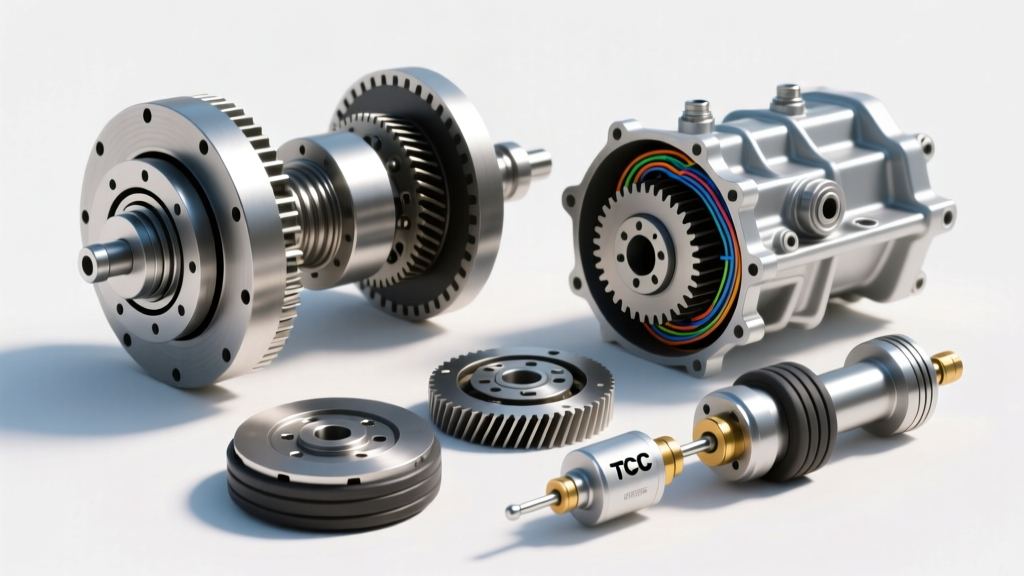
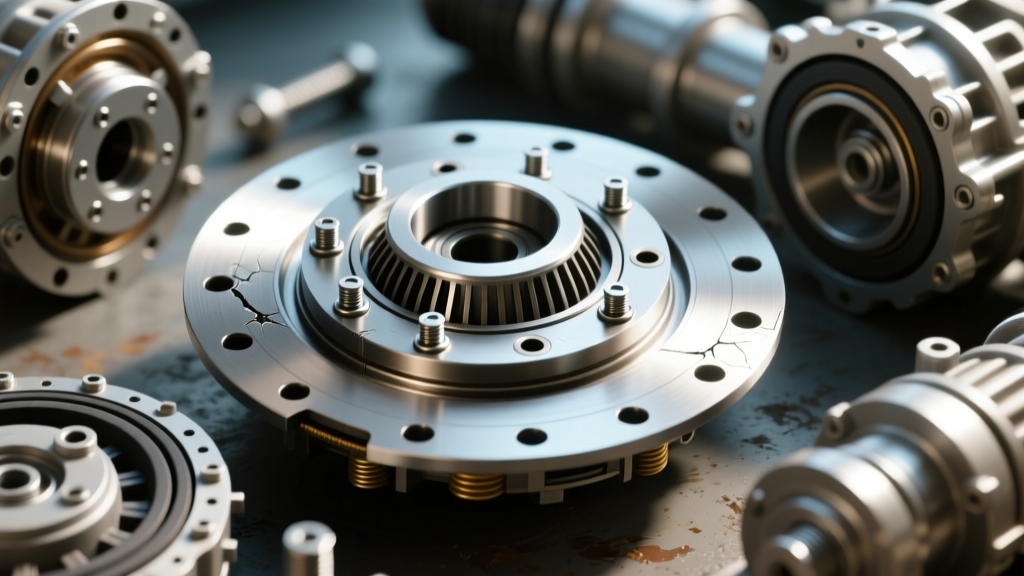
The torque converter is the fluid coupling heart of your automatic transmission, responsible for multiplying engine torque and managing power transfer. However, it is also a massive heat generator. When the Torque Converter Clutch (TCC) slips, or when the stator fails to freewheel during highway cruising, kinetic energy is converted directly into thermal energy. Normal automatic transmission fluid (ATF) temperatures hover between 160°F and 180°F. Once fluid temperatures exceed 220°F, oxidation accelerates exponentially. If temperatures breach 250°F, the internal brazed joints of the turbine and stator can fail, and the TCC friction lining will glaze or delaminate, necessitating immediate intervention.
If you are replacing the torque converter due to severe overheating, simply swapping the part is a temporary band-aid. You must understand the root thermal dynamics, compare your replacement options, and upgrade your cooling infrastructure to prevent a repeat failure. This buyer's guide breaks down the exact costs, part numbers, and technical specifications required to fix heat-induced torque converter failures across modern platforms like the GM 6L80, Ford 10R80, and ZF 8HP.
Platform-Specific Overheating Failure Modes
Different transmissions manage heat and TCC lockup in vastly different ways. Identifying your specific transmission's weak point is critical when selecting a replacement unit.
GM 6L80 / 6L90: The Thermal Bypass Bottleneck
The GM 6L80 and 6L90 transmissions are notorious for overheating under heavy towing or grade-braking scenarios. The primary culprit is the factory thermal bypass valve located in the transmission cooler lines near the radiator. This valve is designed to restrict cooler flow until the ATF reaches roughly 180°F to promote rapid cold-weather warmup. However, under sustained heavy loads, this restriction starves the torque converter of necessary cooling volume. When replacing the torque converter on a 6L80, deleting the thermal bypass valve or installing an auxiliary cooler is mandatory.
Ford 10R80: Micro-Slip Heat Generation
The Ford 10-speed 10R80 utilizes an aggressive TCC micro-slip strategy across multiple gears to reduce Noise, Vibration, and Harshness (NVH). While this provides a seamless driving experience, the constant controlled slip generates immense localized heat. Over time, this heat warps the stamped steel cover of the OEM torque converter, leading to TCC shudder, debris contamination in the valve body, and eventual lockup failure.
ZF 8HP70 / 8HP75: Integrated Mechatronic Contamination
In ZF 8-speed applications, the torque converter operates in close thermal proximity to the mechatronic valve body. When the TC overheats and the TCC friction material begins to shed, the microscopic debris is pulled directly into the mechatronic solenoids. Overheating here doesn't just destroy the converter; it degrades the specialized ZF Lifeguard 8 fluid and clogs the delicate hydraulic control circuits.
Replacement Options: OEM vs. Aftermarket Billet
When replacing the torque converter, buyers generally face three distinct paths. The right choice depends on your vehicle's application, towing requirements, and budget.
| Replacement Option | Core Material | TCC Type | Best Application | Est. Part Cost |
|---|---|---|---|---|
| OEM Remanufactured | Stamped Steel | Single Disc Friction | Stock daily drivers, light commuting | $350 - $500 |
| Aftermarket Standard | Reinforced Steel | Upgraded Single Disc | Replacement for discontinued OEM units | $450 - $650 |
| Billet Performance (Single) | Billet Steel Cover | High-Friction Single | Heavy towing, off-road, mild tuning | $750 - $950 |
| Billet Multi-Disc | Billet Steel Cover | Dual/Triple Disc | High HP builds, extreme towing, racing | $1,100 - $1,600 |
Why Upgrade to a Billet Cover?
As noted in Sonnax technical bulletins, stamped steel torque converter covers are prone to flexing and warping under high thermal loads. A billet steel cover maintains perfect flatness against the flexplate, ensuring even TCC apply pressure and drastically reducing the slip-generated heat that causes premature failure. Brands like Circle D and Precision Industries utilize furnace-brazed fins and upgraded stator assemblies that survive temperatures well beyond the 250°F threshold that destroys OEM units.
The True Cost of Replacing the Torque Converter
Budgeting for this repair requires looking beyond the part price. Because the transmission must be removed to access the torque converter, labor constitutes the bulk of the expense. Here is a realistic 2026 cost breakdown for a standard rear-wheel-drive truck or SUV (e.g., Chevy Silverado with 6L80 or Ford F-150 with 10R80):
- OEM Replacement Unit: $350 - $500 (e.g., GM 24258006)
- Billet Performance Unit: $850 - $1,200
- Labor (R&R Transmission): 6.5 to 9.0 hours @ $140-$180/hr = $910 - $1,620
- ATF Fluid (10-14 Quarts): $120 - $200 (Dexron ULV, Mercon ULV, or Lifeguard 8)
- Transmission Filter/Seal Kit: $45 - $90
- Cooler Line Flush Service: $100 - $150
- Auxiliary Cooler Upgrade (Highly Recommended): $250 - $450 (e.g., Mishimoto or PPE kits)
Total Estimated Out-the-Door Cost: $1,775 to $4,210, depending on part selection and regional labor rates.
Diagnostic Steps Before Pulling the Transmission
Before committing to the massive job of replacing the torque converter, verify that overheating is the primary failure and not a symptom of a different hydraulic issue.
- Check TCC Slip RPM: Using a bi-directional OBD2 scanner, monitor the TCC Slip Speed PID. Under steady highway cruising (above 45 mph in top gear), TCC slip should be 0 to 20 RPM. If you see 100+ RPM of constant slip, the TCC is failing to lock, generating massive heat.
- Measure Cooler Flow Rate: Disconnect the return cooler line at the transmission, start the engine, and measure fluid output into a graduated cylinder. A healthy 6L80 or 10R80 pump should push roughly 1 to 1.5 quarts per minute at idle. Low flow indicates a clogged cooler or failing pump, which will destroy a new torque converter immediately.
- Inspect Flexplate Runout: Once the transmission is out, use a dial indicator on the flexplate. Maximum allowable runout is typically 0.020 inches. A warped flexplate will cause the new TC to wobble, tearing the front pump seal and inducing vibration.
Installation Specs & Best Practices
Proper installation is critical to warranty compliance and longevity. According to Transmission Digest installation guidelines, ignoring torque specifications is a leading cause of catastrophic TC and flexplate failure.
Crucial Torque Specifications
- GM 6L80/6L90 TC to Flexplate: M10x1.5 bolts. Torque to 25 Nm (18 lb-ft). Do NOT reuse old bolts; apply a medium-strength thread locker (e.g., Loctite 243).
- Ford 10R80 TC to Flexplate: Torque to 35 lb-ft (47 Nm) in a star pattern.
- Transmission to Engine Block: Typically 37 lb-ft (50 Nm) for M12 bellhousing bolts.
- Flexplate to Crankshaft: Varies by engine, but generally 65 to 85 lb-ft with thread locker.
The Mandatory Cooler Flush
When a torque converter overheats and sheds TCC friction material, that debris is pushed directly into the transmission cooler. If you install a new torque converter without performing a high-pressure, heated cooler flush, the old debris will immediately dislodge and contaminate the new unit's lockup clutch and valve body. If the OEM cooler is heavily restricted or damaged by thermal cycling, replacing the cooler assembly is a non-negotiable step.
Expert Tip: When replacing the torque converter on GM 6L80/6L90 trucks used for towing, install a thermal bypass delete kit and an auxiliary air-to-fluid cooler mounted in front of the A/C condenser. Dropping peak fluid temperatures by just 30°F can double the lifespan of your new billet torque converter.
Final Verdict: Invest in Thermal Management
Overheating is the undisputed leading cause of premature torque converter failure. While the cost of replacing the torque converter with a high-quality billet unit and upgrading your cooling system can push the upper end of your repair budget past $3,000, it is a fraction of the cost of replacing a scorched transmission assembly and mechatronic unit. By addressing the thermal bottlenecks specific to your transmission platform and adhering to strict installation and flush protocols, your replacement torque converter will deliver reliable, shudder-free performance for hundreds of thousands of miles.