The Front Differential Dilemma: Open vs. Limited Slip
When a front axle begins to whine, clunk under load, or fail to deliver traction in adverse conditions, the decision to replace front differential assemblies becomes unavoidable. For 4x4 enthusiasts, fleet managers, and daily drivers alike, a failing carrier or worn ring and pinion presents a unique opportunity: do you reinstall a factory-style open differential, or upgrade to a limited slip differential (LSD)? This buyer's guide breaks down the mechanical realities, installation specifications, and long-term costs of both options, ensuring you make the right choice for your drivetrain.
Core Mechanics: How They Handle Torque
To understand which carrier belongs in your front axle housing, you must first understand how they manage torque distribution. The front differential operates in a harsh environment, exposed to water, mud, and extreme steering angles. The internal carrier design dictates how power reaches the ground.
The Open Differential
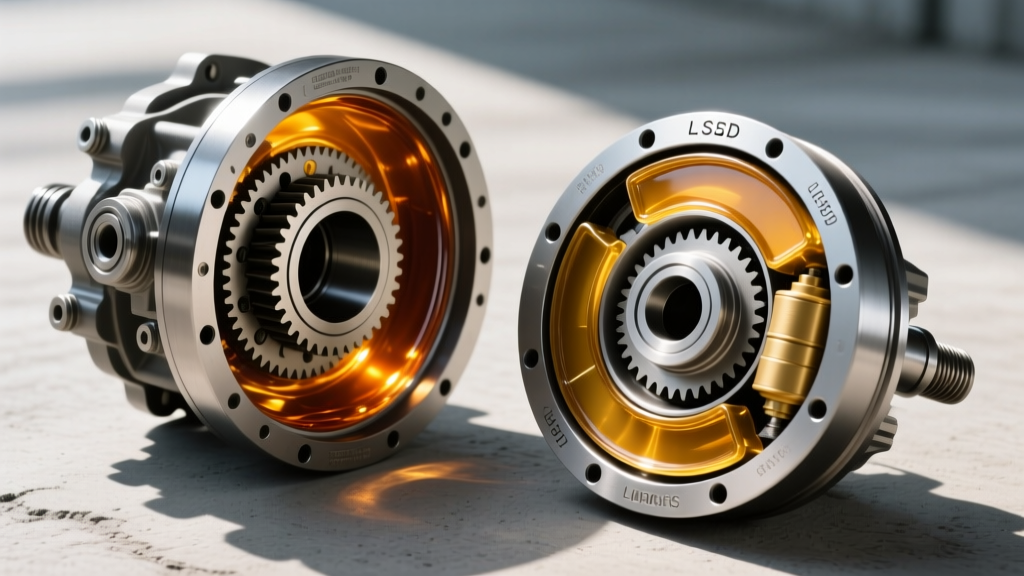
An open differential utilizes a set of spider gears and side gears that allow the left and right wheels to rotate at different speeds. This is critical for turning, as the outside wheel must travel a greater distance than the inside wheel. However, the open differential follows the path of least resistance. If the front left wheel lifts off the ground or hits a patch of ice, 100% of the torque is routed to that spinning wheel, leaving the vehicle stranded. Open carriers, such as the Spicer 706008X for Dana 44 axles, are inexpensive, require no special fluids, and impose zero stress on steering components during turns.
The Limited Slip Differential (LSD)
Limited slip differentials mitigate the one-wheel-peel effect by forcing torque to the wheel with traction. There are two primary front-axle LSD designs:
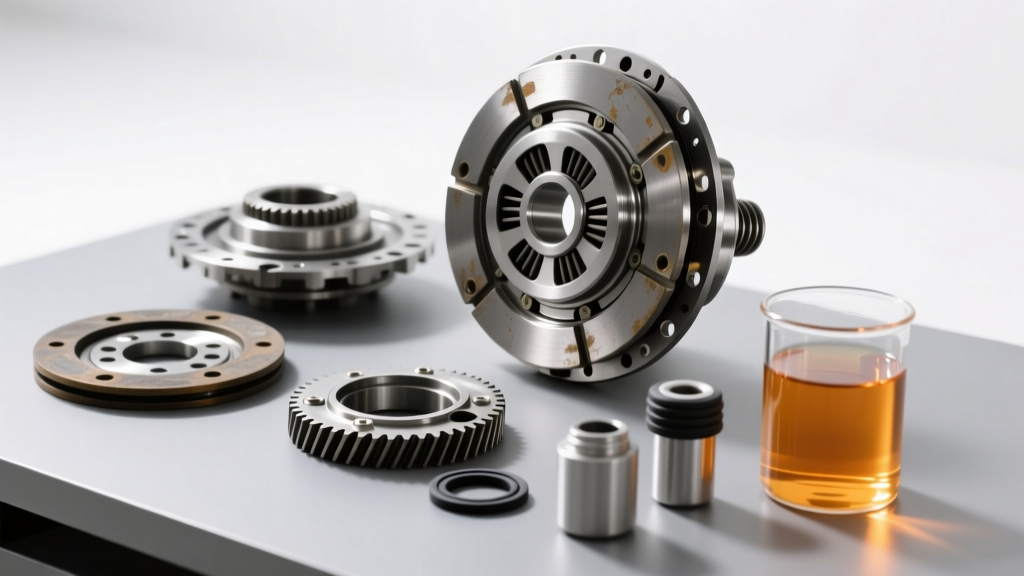
- Clutch-Type LSDs: Utilize a stack of friction clutches and cone washers. Under load, the clutches lock the side gears together. While effective, they require regular friction modifier additives to prevent chattering and eventually wear out, requiring a rebuild.
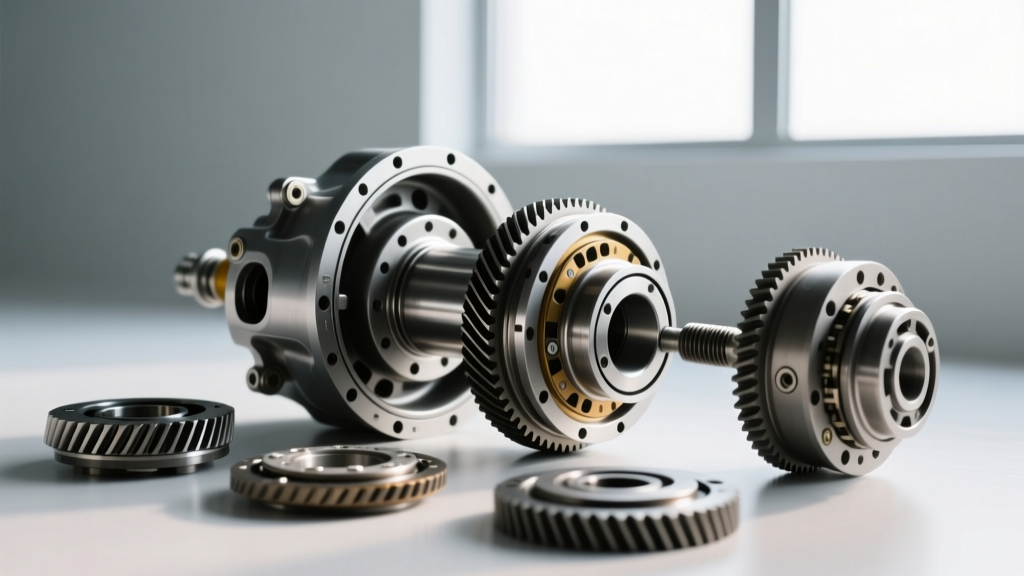
- Helical Gear LSDs: Units like the Eaton Truetrac (Part 914A485) use a gear-driven torque-biasing design. They require no friction modifiers, have no wearable clutches, and operate smoothly. They are widely considered the gold standard for front-axle traction upgrades.
The Front Axle Factor: Steering Bind and CV Joint Stress
Replacing a rear differential with an LSD is a straightforward traction upgrade. The front axle, however, introduces complex steering geometry and transfer case dynamics. When you engage 4WD, the transfer case locks the front and rear driveshafts together. If your front axle is equipped with an aggressive clutch-type LSD or a locking differential, the wheels cannot differentiate during turns on high-traction surfaces (like dry pavement or hard-packed snow).
This causes drivetrain wind-up and steering fight. The front wheels will skip and hop, transferring immense shock loads directly into the front CV joints and axle shafts. For example, the Dana 30 front axle found in older Jeep Wranglers utilizes Rzeppa-style CV joints that are highly susceptible to shattering under this exact binding scenario. If you frequently drive in 4WD on mixed surfaces, a helical gear LSD (Truetrac) is vastly superior, as it allows for enough slip during tight turns to prevent CV joint destruction while still providing a 3.5:1 torque bias when traction is lost.
Cost & Parts Breakdown: What to Expect
Budgeting for a front differential replacement requires looking beyond the initial part cost. Maintenance, fluid requirements, and setup tools all factor into the total cost of ownership.
| Specification | Open Differential | Clutch-Type LSD | Helical Gear LSD (Truetrac) |
|---|---|---|---|
| Avg. Carrier Cost | $150 - $250 | $450 - $650 | $600 - $850 |
| Fluid Requirement | Standard 75W-90 GL-5 | 75W-90 + Friction Modifier | Standard 75W-90 GL-5 |
| Maintenance Interval | 50,000 miles | 30,000 miles (Clutch wear) | 50,000+ miles |
| Front Axle Steering Bind | None | Moderate to High (in 4WD) | Low to Moderate |
| Rebuildability | High (Spider gears) | Moderate (Clutch packs) | Low (Replace entire unit) |
Installation Specs: Torque, Backlash, and Preload
Whether you are installing an open carrier or a heavy-duty LSD, the setup procedure remains exact. The Yukon Gear & Axle technical documentation emphasizes that improper setup will destroy a new ring and pinion in under 500 miles. When you replace front differential carriers, you must adhere to strict tolerances.
Ring Gear Bolt Torque
The ring gear must be bolted to the new carrier using high-strength threadlocker. For a standard Dana 44 front axle, the ring gear bolts require exactly 77 lb-ft of torque, coated with Loctite 242 (Blue) or 271 (Red). For GM 8.25 IFS front axles found in Silverado/Sierra trucks, the specification is typically 55 lb-ft. Always use new bolts; stretching old bolts can lead to catastrophic ring gear separation under load.
Backlash and Preload
Backlash is the clearance between the ring gear and pinion gear teeth. Using a magnetic dial indicator, you must set the front differential backlash between 0.006 and 0.010 inches. If you are installing a clutch-type LSD, the carrier is often slightly wider to accommodate the clutch packs, which may require adjusting the carrier bearing shims or threaded adjusters to maintain proper bearing preload. Target a rotating preload of 15 to 25 inch-pounds on the carrier bearings to prevent gear whine and bearing failure.
Fluid Chemistry: The Hidden Cost of LSDs
The type of carrier you choose directly dictates your fluid maintenance schedule. Open differentials and helical gear LSDs operate perfectly on high-quality synthetic 75W-90 GL-5 gear oils, such as Amsoil Severe Gear or Mobil 1 Synthetic. These fluids contain extreme pressure (EP) additives that protect the hypoid gear cut of the ring and pinion.
Clutch-type LSDs, however, demand a specialized friction modifier additive (such as Motorcraft XL-3 or ACDelco 10-9004). Without this additive, the clutch plates will grab and release violently during low-speed turns, resulting in a severe chattering noise that mimics a failing wheel bearing. Over time, the friction modifiers degrade, and the clutch packs glaze, requiring the differential to be drained, opened, and the clutches replaced. For a front axle that is frequently submerged in water during off-road use, this increased maintenance frequency is a significant drawback.
Verdict: Which Carrier Should You Install?
If you are operating a dedicated rock crawler that spends its life in 4WD low-range with locking hubs engaged, an open differential paired with front axle locking hubs might suffice, or you might opt for a selectable locker instead. However, for the vast majority of overlanders, daily-driven trucks, and winter commuters looking to replace front differential components, the Helical Gear LSD (Truetrac) is the ultimate buyer's choice.
It eliminates the maintenance headache of friction modifiers, prevents the catastrophic CV joint binding associated with clutch-type lockers, and provides a massive upgrade in snow, mud, and gravel traction over a factory open carrier. While the initial buy-in is roughly $500 more than a standard open Spicer carrier, the zero-maintenance design and superior front-axle drivability make it the smartest long-term investment for your 4x4 drivetrain.