The Intersection of High-Performance Friction and Hydraulic Actuation
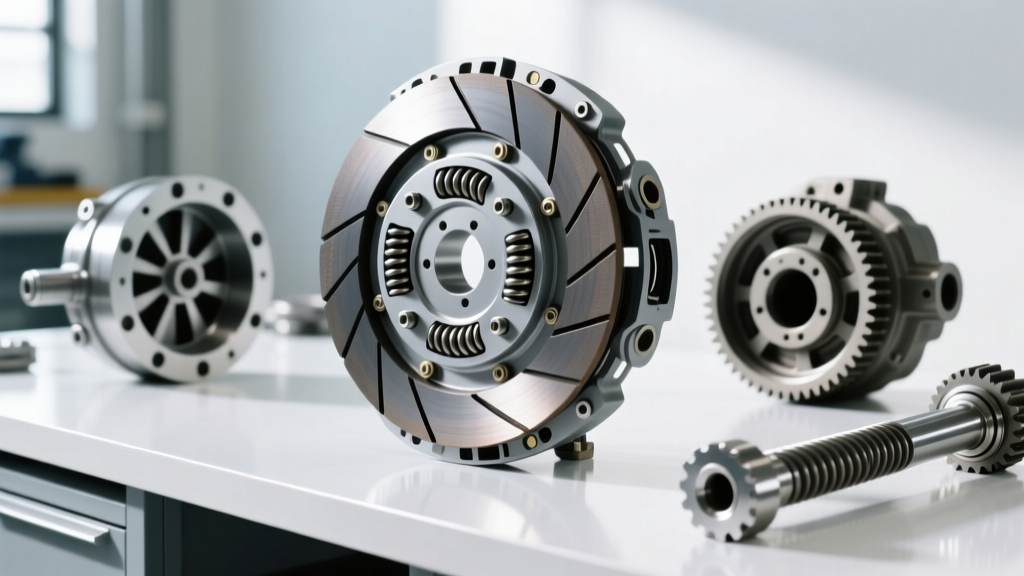
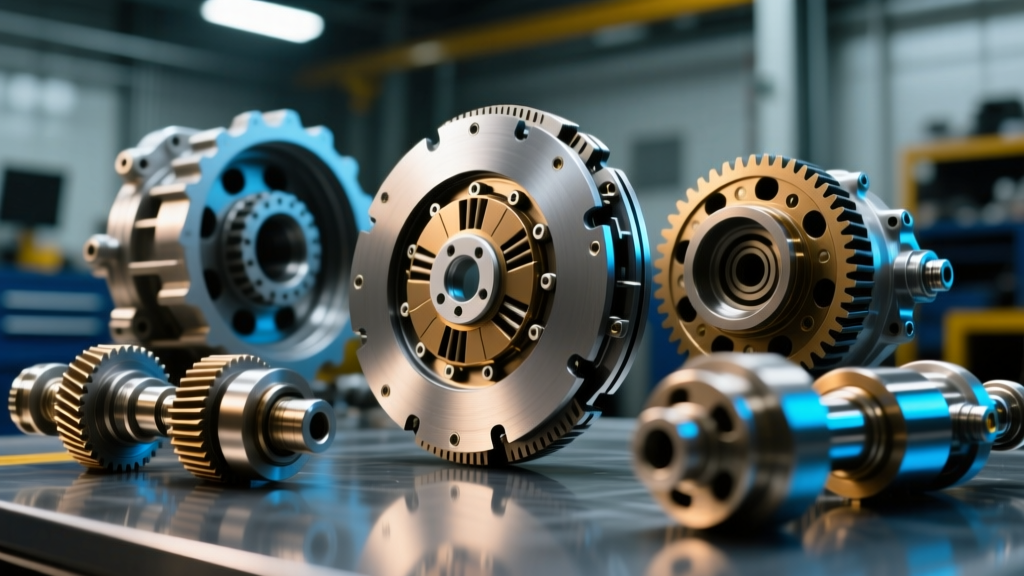
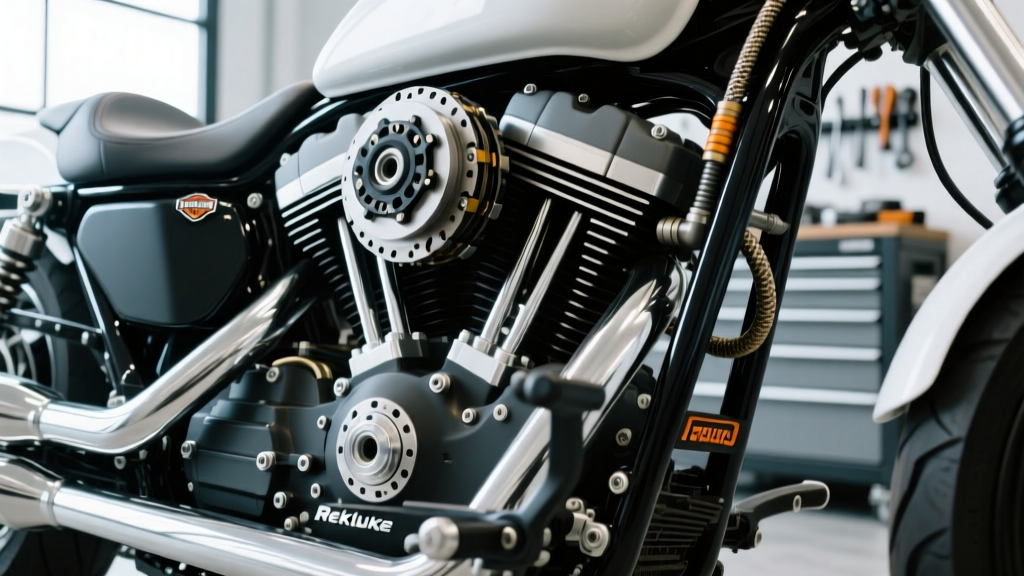
Upgrading to a Rekluse clutch Harley enthusiasts trust—specifically the TorqDrive clutch pack—fundamentally transforms your motorcycle's power delivery, thermal capacity, and lever feel. However, installing a high-performance clutch pack without addressing the baseline health of your hydraulic actuation system is a recipe for premature wear. The Harley-Davidson hydraulic clutch system, particularly on Milwaukee-Eight and late-model Twin Cam platforms, relies on precise fluid dynamics and mechanical clearances to function correctly.
From a preventive maintenance perspective, diagnosing hydraulic faults before they manifest as catastrophic clutch slip or severe drag is essential. When a Rekluse TorqDrive pack is subjected to hydraulic drag caused by a blocked master cylinder compensating port or an improperly adjusted pushrod, the resulting friction generates immense heat. This heat rapidly degrades the transmission fluid and glazes the precision-cut friction disks. This comprehensive diagnostic guide will walk you through identifying, troubleshooting, and maintaining the hydraulic clutch system to ensure your Rekluse upgrade performs flawlessly for tens of thousands of miles.
Core Symptoms of Hydraulic Failure in Harley Drivetrains
Before tearing into the primary chaincase, you must isolate whether the issue stems from the clutch pack itself or the hydraulic actuation circuit. Misdiagnosing a hydraulic fault as a worn clutch pack leads to unnecessary teardowns and wasted capital. Below are the primary indicators of hydraulic system degradation:
- Lever Creep (Pump-Up): If you pull the clutch lever in at a stoplight and it slowly creeps toward the handlebar over 10-15 seconds, your master cylinder cup seals are bypassing fluid, or the slave cylinder is weeping internally.
- Incomplete Disengagement (Clunking): A harsh 'clunk' when shifting into first gear, accompanied by the bike wanting to lurch forward while the lever is pinned to the grip, indicates the slave cylinder is not achieving full stroke. This is often caused by air in the line or a worn slave piston.
- Lever Stiffness and Notchiness: While the Rekluse TorqDrive is engineered for a lighter lever pull via optimized spring rates, a stiff lever usually points to a restricted hydraulic line, a kinked banjo fitting, or a scored master cylinder bore.
- Fluid Weeping at the Pushrod Seal: Visible DOT 4 fluid around the primary chaincase inspection cover or the transmission side cover indicates a failed slave cylinder or actuator O-ring.
Differentiating Clutch Pack Wear from Hydraulic Fade
When experiencing clutch slip under heavy acceleration, the immediate assumption is often that the friction disks are worn out. However, hydraulic fade mimics mechanical slip perfectly. If the master cylinder pushrod lacks adequate free play, it pre-loads the clutch release mechanism. This prevents the clutch pack from fully clamping, causing slip under the high torque loads that a Rekluse setup is designed to handle. Always verify hydraulic free play before inspecting the clutch basket.
Step-by-Step Hydraulic System Diagnosis & Preventive Maintenance
Proper diagnosis requires a systematic approach, moving from the handlebar controls down to the transmission actuator. Preventive maintenance intervals for hydraulic fluid should be strictly adhered to every 12 to 24 months, regardless of mileage, due to the hygroscopic nature of DOT brake fluids.
1. Master Cylinder and Pushrod Clearance Inspection
The most critical, yet frequently overlooked, diagnostic step is verifying the master cylinder pushrod clearance. When the clutch lever is fully released, there must be a slight gap between the master cylinder piston and the pushrod. If this gap is zero, the piston covers the compensating port (return port) inside the reservoir.
Diagnostic Procedure:
- Remove the clutch lever and inspect the pushrod interface.
- Measure the free play. Harley-Davidson service manuals and Brembo technical specifications dictate a pushrod gap of 0.080' to 0.100' (approx. 2.0mm to 2.5mm).
- If the gap is non-existent, adjust the pushrod length or the lever pivot position. Failure to maintain this clearance will result in clutch drag, which will rapidly overheat and destroy your Rekluse friction plates.
- Torque Spec: When reinstalling the master cylinder banjo bolt, torque to 15-20 ft-lbs (20-27 Nm) using fresh copper or aluminum crush washers to prevent micro-leaks that introduce air into the system.
2. Slave Cylinder and Actuator Diagnostics
For Milwaukee-Eight (2017-present) models, the hydraulic actuator is mounted directly to the primary side. Over time, the internal O-rings harden and the actuator piston can develop microscopic scoring from contaminated fluid.
To diagnose a failing slave cylinder without full disassembly, perform a static pressure test. Pull the clutch lever and hold it firmly against the grip. Have an assistant observe the actuator pushrod travel. If the pushrod slowly retracts while constant pressure is applied to the lever, the internal seals are compromised. The OEM actuator assembly (Part # 38000254 for many M8 applications) typically costs between $140 and $180. For preventive maintenance, rebuilding the slave cylinder using an OEM seal kit (approx. $35-$50) every 30,000 miles is highly recommended to prevent fluid from contaminating the primary chaincase oil.
Fluid Dynamics: DOT 4 vs. DOT 5.1 and Moisture Ingress
Harley-Davidson specifies DOT 4 fluid for its hydraulic clutch systems. However, when managing a high-performance Rekluse clutch Harley setup, understanding fluid boiling points and moisture absorption is vital for preventive maintenance. Never use DOT 5 (silicone-based) fluid in modern Harley hydraulic systems; it does not absorb moisture, leading to localized water pooling that causes severe internal corrosion and seal failure.
| Fluid Type | Dry Boiling Point | Wet Boiling Point (3.7% H2O) | Rekluse / Harley Compatibility |
|---|---|---|---|
| Standard DOT 4 | 446°F (230°C) | 311°F (155°C) | OEM Spec - Good for standard maintenance intervals. |
| High-Perf DOT 4 | 509°F (265°C) | 338°F (170°C) | Excellent - Recommended for heavy touring and stop-and-go traffic. |
| DOT 5.1 (Glycol) | 518°F (270°C) | 374°F (190°C) | Compatible - Superior wet boiling point, but requires more frequent flushes. |
| DOT 5 (Silicone) | 500°F (260°C) | Does not absorb water | NEVER USE - Causes seal swelling and trapped water corrosion. |
Bleeding the System: The Syringe Method vs. Gravity Bleed
Air trapped in the hydraulic line is the enemy of precise clutch modulation. Because the Harley clutch line routes downward from the master cylinder and then back up to the transmission actuator, air bubbles easily become trapped in the low points or the banjo fittings. Traditional 'pump and hold' bleeding often fails to purge these micro-bubbles.
The Reverse Syringe Bleed Protocol:
For the most effective preventive maintenance bleed, use a 50cc veterinary syringe and a length of clear vinyl tubing that fits snugly over the 10mm slave cylinder bleeder nipple.
- Extract roughly 20cc of old fluid from the handlebar master cylinder reservoir using a separate syringe to prevent overflow.
- Fill your clean syringe with fresh, high-quality DOT 4 fluid.
- Attach the tubing to the slave cylinder bleeder valve and open the valve using a 10mm line wrench to avoid rounding the soft brass nipple.
- Slowly inject the new fluid from the bottom up. Watch the master cylinder reservoir; as fresh fluid rises, you will see air bubbles purge from the system.
- Close the bleeder valve before releasing pressure on the syringe to prevent sucking air back into the slave cylinder.
- Cycle the clutch lever 10-15 times and verify lever feel. The engagement point should be crisp and consistent.
When to Rebuild: Master Cylinder Kit Part Numbers and Costs
If your diagnostic tests reveal internal bypassing (lever creep) or external weeping at the lever pivot, the master cylinder requires a rebuild. Ignoring this will eventually lead to a total loss of clutch disengagement, which can bend transmission shift forks or damage the Rekluse clutch hub during forced shifts.
For most modern Harley-Davidson models equipped with Brembo or Hayes axial master cylinders, the OEM rebuild kit (e.g., Part # 41500030 or 110400379 depending on the exact year and handlebar configuration) retails between $45 and $75. The rebuild process involves:
- Draining the reservoir and removing the master cylinder from the handlebar (Torx T25 or T27 bolts, torqued to 8-10 Nm upon reinstallation).
- Extracting the retaining circlip and pushing out the piston assembly.
- Critical Step: Inspecting the compensating port (a tiny 1mm hole inside the bore). Use a strand of copper wire to clear this port. If this port is blocked by debris or degraded rubber, the clutch will drag and burn out the TorqDrive pack within a few hundred miles.
- Lubricating the new piston seals with fresh DOT 4 fluid and reassembling.
Expert Drivetrain Insight: 'The synergy between a Rekluse TorqDrive clutch and a Harley's hydraulic system is entirely dependent on fluid integrity. A $60 master cylinder rebuild kit and a $15 bottle of high-performance DOT 4 fluid are the cheapest insurance policies you can buy to protect a $350+ performance clutch investment. Never ignore a spongy lever; it is the first warning sign of hydraulic decay.'
By integrating these hydraulic diagnostic procedures into your annual preventive maintenance schedule, you ensure that your Rekluse clutch Harley setup delivers the flawless engagement, thermal stability, and lever feel it was engineered to provide. Addressing pushrod clearances, utilizing reverse-bleeding techniques, and adhering to strict fluid replacement intervals will maximize the lifespan of both your hydraulic components and your high-performance friction materials.