Do F1 Cars Have Clutch Pedals? The Evolution of Actuation
One of the most common questions from automotive enthusiasts transitioning into motorsport is: do F1 cars have clutch pedals? The short answer is no. Modern Formula 1 cars do not feature a traditional foot-operated clutch pedal. Instead, they utilize sophisticated electro-hydraulic actuation systems controlled by paddles mounted on the back of the steering wheel. The driver uses a hand-paddle solely for launching the car from a standstill or managing the 'bite point' during pit stops. Once the car is in motion, the F1 ECU and electro-hydraulic valves manage clutch slip and engagement seamlessly during upshifts and downshifts, completely eliminating the need for a foot pedal.
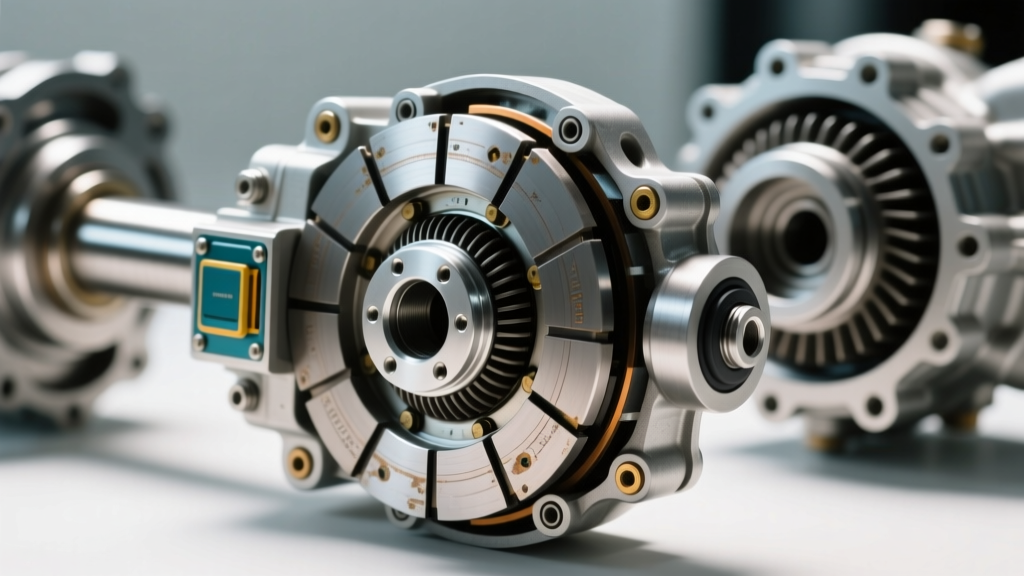
However, while the pinnacle of motorsport has moved to paddle-actuated carbon-carbon multi-plate clutches (supplied by manufacturers like AP Racing and ZF Sachs), the vast majority of amateur, semi-pro, and club-level track cars still rely on physical clutch pedals. Whether you are running a Tremec TR-6060 in a time-attack Mustang, a Porsche G50 transaxle in a 911 Cup car, or a Sadev sequential in a drift missile, physical pedals and mechanical release systems remain the norm. Consequently, these vehicles are highly susceptible to mechanical and hydraulic failures under extreme thermal loads. This step-by-step guide will walk you through diagnosing and curing clutch drag and release problems in high-performance track applications.
Why Track Cars Suffer from Clutch Drag and Release Problems
Clutch drag occurs when the friction disc(s) fail to fully disengage from the flywheel and pressure plate when the pedal is depressed. In a street car, this might manifest as difficulty shifting into first gear at a stoplight. In a track car, clutch drag is catastrophic. It causes missed shifts, over-revving during downshifts (which can bend valves or shatter piston skirts), and excessive wear on the synchros or dog rings.
High-heat track environments exacerbate release problems. Sintered metallic discs warp under repeated 1,500°F surface temperatures, hydraulic fluid boils in the slave cylinder causing vapor lock, and carbon throwout bearings wear down, altering the release geometry. Fixing these issues requires a systematic approach to the hydraulic circuit, the release mechanism, and the clutch pack itself.
Step-by-Step Guide: Diagnosing and Curing High-Performance Clutch Drag
Step 1: Eliminate Hydraulic Vapor Lock and Fluid Bypass
The most common cause of sudden clutch release failure on track is hydraulic fluid boiling. Track cars generate immense heat in the bellhousing, which transfers directly to the slave cylinder. If the fluid boils, compressible gas bubbles form in the line, resulting in a spongy pedal that fails to push the release bearing far enough to disengage the clutch.
- Flush with High-Temp Fluid: Drain your existing DOT 4 or DOT 5.1 fluid. Replace it with a dedicated racing fluid like Motul RBF 660 (Dry boiling point 617°F / 325°C) or Castrol React SRF (Dry boiling point 590°F / 310°C).
- Verify Master Cylinder Air Gap: Ensure there is a minimum 0.010-inch air gap between the master cylinder pushrod and the piston. If the pedal is too tight against the piston, the fluid return port remains blocked, trapping heat in the line and causing the clutch to drag as the fluid expands.
- Pressure Bleed the System: Gravity bleeding is insufficient for track cars with inverted slave cylinders (like many Tremec and Porsche setups). Use a motive pressure bleeder set to 15 PSI. Crack the 10mm bleeder nipple on the slave cylinder until a solid stream of fluid free of micro-bubbles emerges.
Step 2: Inspect Release Bearing Geometry and Pivot Wear
If the hydraulics are bled and the pedal feels firm, but the clutch still drags, the mechanical release linkage is likely compromised. Track cars frequently use heavy-duty pressure plates with high clamp loads (e.g., 2,400 lbs), which accelerates wear on the release mechanism.
- Check the Pivot Ball and Fork: Remove the inspection cover or drop the transmission. Inspect the steel pivot ball for grooving. A worn pivot ball changes the fulcrum point of the clutch fork, reducing the effective travel of the release bearing. Replace the pivot ball and torque it to the manufacturer's spec (typically 18-22 ft-lbs for most GM/Ford bellhousings).
- Measure Throwout Bearing Wear: If you are using a carbon-faced throwout bearing (such as the Tilton Engineering 7800 series), measure the remaining carbon thickness. If the carbon is worn past the minimum service limit (usually 0.080 inches), the bearing cannot travel far enough to fully lift the pressure plate fingers.
- Verify Slave Cylinder Travel: Have an assistant depress the clutch pedal to the floor while you measure the slave cylinder pushrod travel. For most 7.25-inch multi-plate racing clutches, you need a minimum of 0.180 inches to 0.220 inches of effective bearing travel to achieve full disengagement.
Step 3: Measure Sintered Metallic Disc Runout and Warping
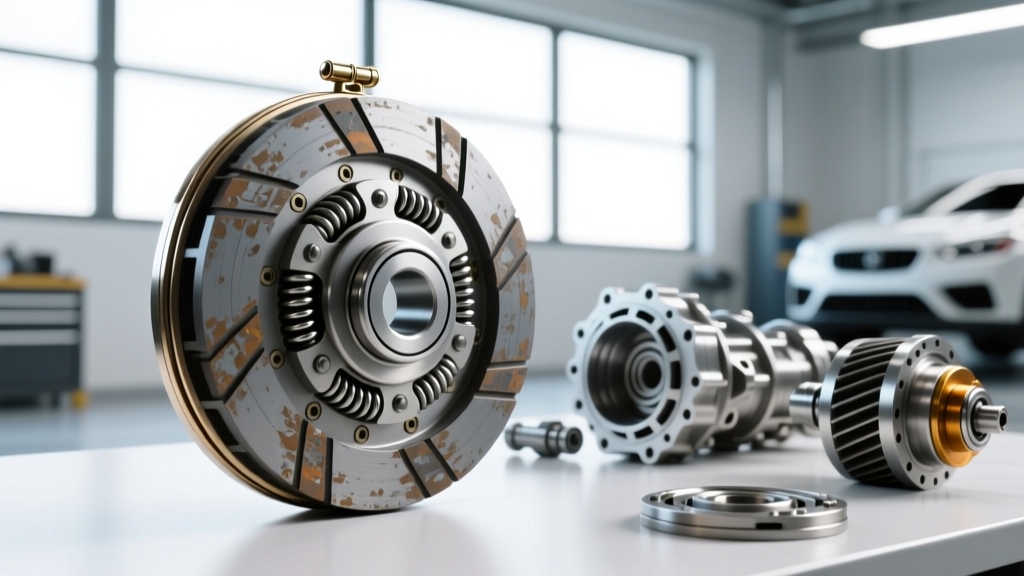
Sintered iron and cerametallic friction discs are standard in track cars because they do not suffer from the friction fade that organic discs experience at high temperatures. However, they are prone to heat spotting and warping if the car is parked with the clutch engaged after a hot session.
- Perform a Dial Indicator Test: Mount a magnetic dial indicator to the engine block or bellhousing. Place the probe on the lifting fingers of the pressure plate. Rotate the engine by hand. Total Indicated Runout (TIR) on the pressure plate fingers must not exceed 0.005 inches (0.127mm). Excessive runout means the pressure plate is lifting unevenly, leaving one side of the disc dragging against the flywheel.
- Inspect for Heat Checking: Look at the steel flywheel and floater plates. Blue spots indicate extreme localized heat. If the friction surfaces have developed radial cracks or severe heat checking, the uneven surface will physically catch the sintered disc tabs, preventing clean release. The flywheel and floater plates must be resurfaced on a Blanchard grinder or replaced.
Clutch Drag Diagnostic Matrix: Symptoms vs. Root Causes
Use the following table to quickly cross-reference your track car's specific symptoms with the most likely mechanical or hydraulic root causes.
| Symptom Observed | Primary Root Cause | Diagnostic Action & Fix |
|---|---|---|
| Pedal goes to floor, no resistance | Master/Slave cylinder internal seal bypass or blown hose | Check fluid level; rebuild or replace AP Racing/Tilton slave cylinder ($150-$250). |
| Pedal is firm, but gear engagement grinds | Hydraulic vapor lock or insufficient slave travel | Flush with Motul RBF 660; verify 0.010' pushrod air gap and 0.180' slave travel. |
| Clutch drags only when engine is hot | Sintered disc warped from parking while hot | Measure flywheel runout; replace warped sintered discs (Tilton OT-II rebuild ~$500). |
| Clutch releases, but shifts are notchy at high RPM | Worn pivot ball or bent clutch fork | Inspect fork geometry; replace grooved pivot ball; verify bellhousing alignment. |
Final Torque Specs and Reassembly Best Practices
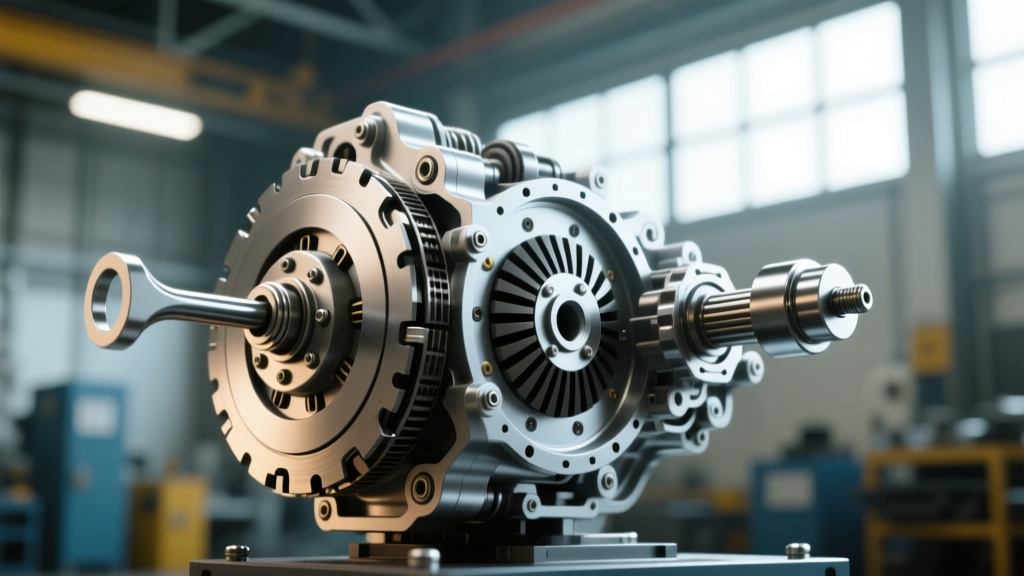
When reassembling a racing clutch pack to cure drag issues, precision is non-negotiable. Always use a calibrated torque wrench. For a typical Tilton OT-II or AP Racing twin-plate sintered clutch, the pressure plate-to-flywheel retaining bolts must be torqued in a star pattern to exactly 25 ft-lbs (34 Nm) using a medium-strength threadlocker like Loctite 243. Over-torquing these bolts can distort the pressure plate cover, leading to uneven finger lift and immediate clutch drag upon your next track session.
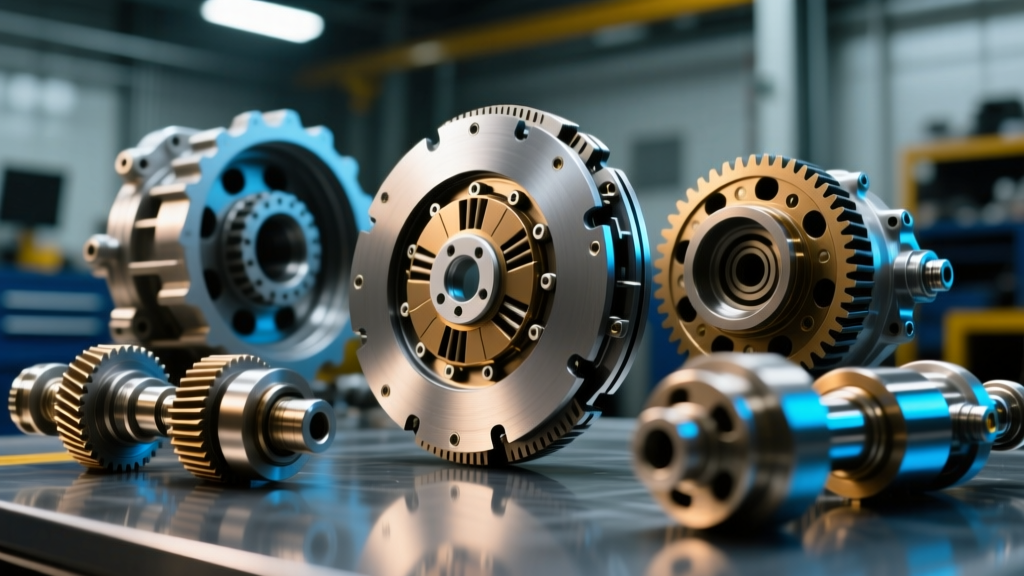
Furthermore, ensure the bellhousing is perfectly aligned with the engine block using a dial indicator. Bellhousing runout exceeding 0.005 inches will force the transmission input shaft into a bind, causing the clutch disc to hang up on the splines and drag, regardless of how perfectly the hydraulic system is bled. By treating the clutch system as a complete, interdependent assembly—from the pedal box to the flywheel—you can achieve the lightning-fast, drag-free shifts required to shave seconds off your lap times.