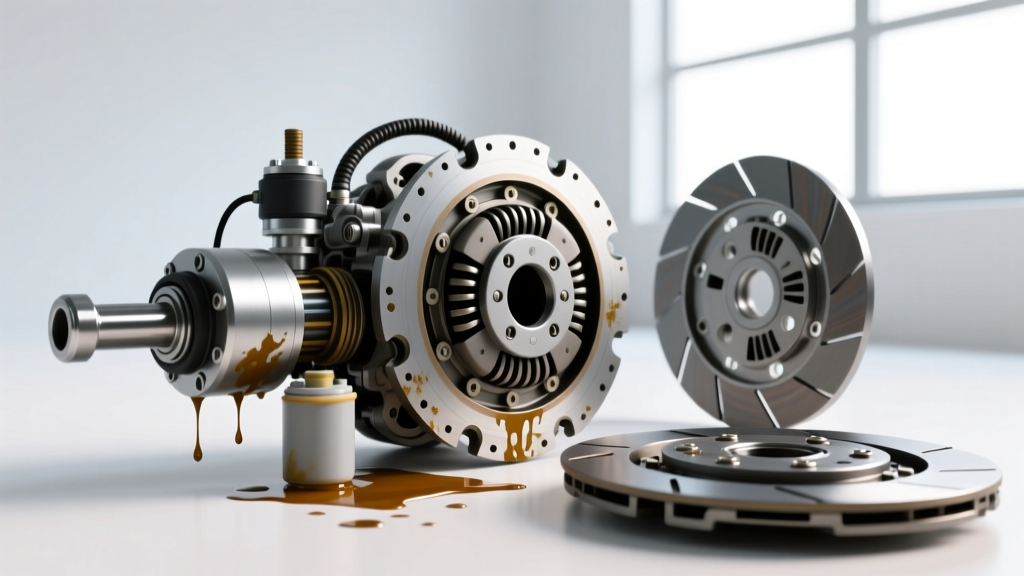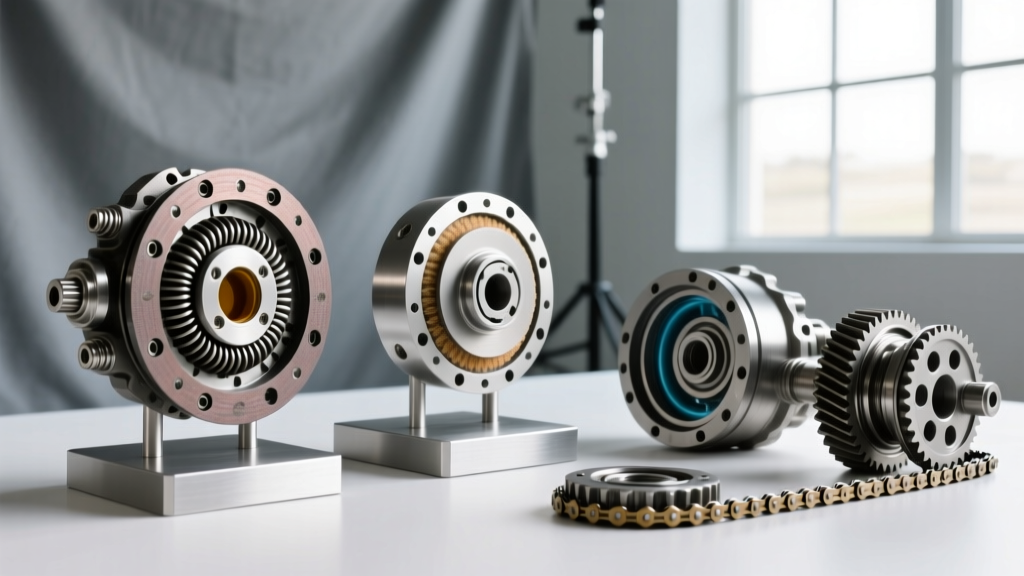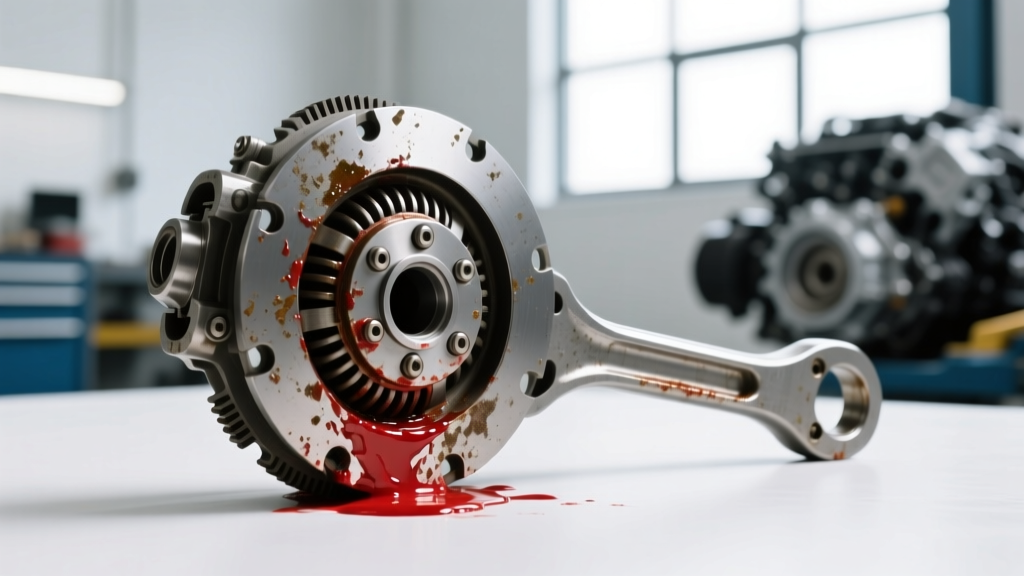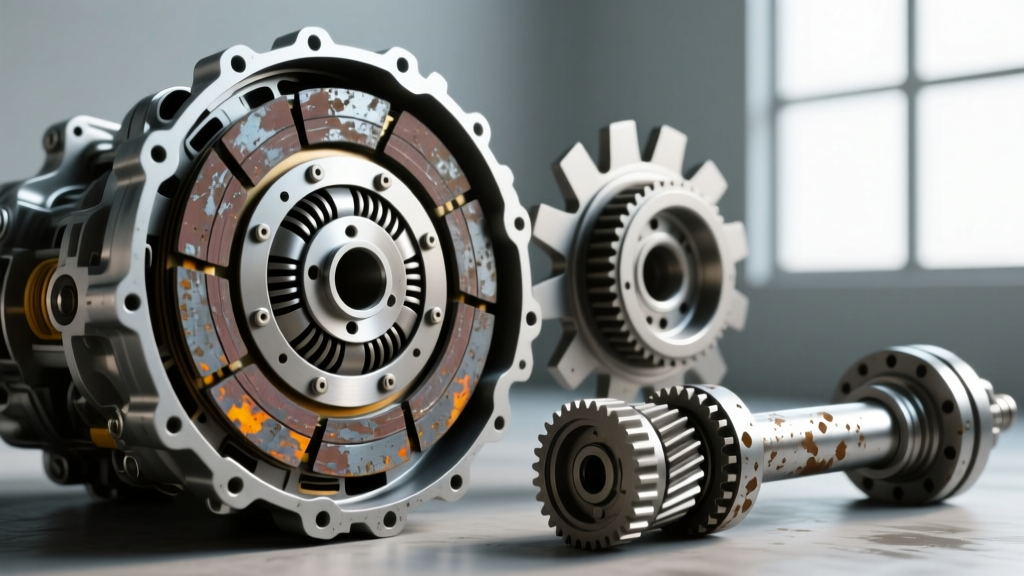
When drivers experience slipping, shuddering, or delayed engagement, a common question arises at the repair counter: do automatic transmissions have clutches? The short answer is yes. Unlike a manual transmission that relies on a single, large dry friction disc, modern automatic transmissions utilize multiple wet, multi-plate clutch packs, alongside a Torque Converter Clutch (TCC), to manage gear ratios and lock-up. Understanding how these components fail is critical for accurate diagnosis and cost-effective repair decisions.
This guide breaks down the specific failure modes of automatic clutch packs, performs a root cause analysis on notorious transmission models like the GM 6L80 and ZF 8HP, and provides a comprehensive buyer’s guide for selecting the right aftermarket replacement kits.
The Anatomy of an Automatic Clutch Pack
To diagnose a failure, you must first understand the architecture. An automatic clutch pack consists of alternating friction discs (splined to the inner hub) and steel separator plates (splined to the outer drum). When hydraulic pressure is applied to a piston, it clamps the pack together, locking the components and transferring torque. Because these packs operate submerged in Automatic Transmission Fluid (ATF), the fluid acts as both a hydraulic medium and a coolant.
According to Sonnax Technical Resources, the friction material on these discs is highly porous, designed to absorb ATF and manage the immense thermal energy generated during gear shifts. When this delicate balance of hydraulic pressure, fluid chemistry, and mechanical clearance is disrupted, catastrophic failure modes occur.
Critical Failure Modes & Root Cause Analysis
Clutch pack failures in automatic transmissions rarely happen in isolation; they are usually the symptom of a deeper hydraulic, mechanical, or thermal issue. Below are the three most prevalent failure modes encountered in modern drivetrains.
1. Thermal Burnout and Friction Glazing
Symptoms: RPM flaring during shifts, slipping under heavy load, burnt-smelling ATF.
Root Cause: Thermal burnout occurs when the clutch pack experiences prolonged micro-slip, generating heat that exceeds the ATF’s thermal breakdown point (typically above 250°F). This bakes the friction material, causing it to glaze over and lose its coefficient of friction. In heavy-duty applications, this is often traced to a failing pressure control solenoid or a clogged cooler circuit that fails to supply adequate apply pressure or cooling volume.
2. Mechanical Fatigue: The GM 6L80 3-5-R Drum Failure
Symptoms: Loss of 3rd, 5th, and Reverse gears; sudden neutraling; metal debris in the pan.
Root Cause: The GM 6L80 and 6L90 transmissions are notorious for a specific mechanical failure in the 3-5-R clutch drum. The wave plate inside the drum is subjected to extreme torque loads. Over time, the snap ring retaining the clutch pack can wear into the aluminum groove of the drum. Once the groove is compromised, the snap ring pops out under load, allowing the clutch pack to expand, destroying the frictions, steels, and the drum itself. This requires a complete drum replacement, not just a friction kit.
3. Hydraulic Piston Seal Blowout
Symptoms: Delayed engagement when hot, harsh shifts followed by slipping, neutraling at idle.
Root Cause: Apply pistons are sealed with nitrile rubber or silicone O-rings and lip seals. As the transmission ages and heat cycles, these seals harden, shrink, and develop micro-tears. When the valve body commands a shift, hydraulic fluid bypasses the torn seal rather than applying the clutch pack. This is a primary reason why a simple fluid and filter change will not cure a slipping transmission once the seals have failed.
4. Torque Converter Clutch (TCC) Shudder
Symptoms: Rhythmic vibration at 40-60 mph under light throttle, mimicking driving over rumble strips.
Root Cause: The TCC is essentially a large, single-plate wet clutch inside the torque converter. Modern transmissions use 'slip-control' strategies, keeping the TCC partially applied to save fuel. This constant micro-slip depletes the friction modifiers in the ATF. In ZF 8HP transmissions (found in BMW, Audi, and Ram trucks), degraded fluid or a failing mechatronic adapter sleeve can cause erratic TCC apply pressure, resulting in severe shudder that eventually destroys the converter's internal friction lining.
Diagnostic Matrix: Symptom vs. Root Cause
| Primary Symptom | Probable Failed Component | Root Cause / Diagnostic Check | Estimated Repair Cost (Parts) |
|---|---|---|---|
| RPM Flaring (2-3 Shift) | 2-4 Clutch Pack / Frictions | Worn frictions or leaking apply piston seal. Perform air-pressure test. | $150 - $250 (Kit) |
| Loss of 3rd, 5th, Reverse | 3-5-R Drum & Snap Ring | Snap ring groove wear in aluminum drum. Inspect drum lip with pick tool. | $300 - $450 (Drum + Kit) |
| Highway Speed Shudder | Torque Converter Clutch (TCC) | Depleted ATF friction modifiers or mechatronic sleeve leak. Check TCC slip RPM via OBD2. | $400 - $800 (Converter) |
| Delayed Reverse (Hot) | Reverse Clutch Piston O-Ring | Hardened nitrile seal shrinking at operating temp. Perform hot-stall test. | $120 - $200 (Master Kit) |
Buyer’s Guide: Selecting Replacement Clutch Kits
When rebuilding an automatic transmission, selecting the correct clutch kit is paramount. The market is dominated by a few key players, each offering different friction materials tailored to specific use cases. For professional diagnostics and rebuild standards, the Automatic Transmission Rebuilders Association (ATRA) recommends matching the friction material to the vehicle's duty cycle.
Friction Material Comparison
- Standard Paper/Cellulose (OEM Spec): Best for daily drivers and commuter vehicles. Offers smooth, progressive engagement and excellent heat dissipation in standard ATF. Cost: $120 - $180 per master kit.
- Kevlar / Carbon Matrix (Performance): Designed for towing, off-road, and modified engines. Features a higher coefficient of friction and extreme thermal resistance. Requires specific break-in procedures to avoid glazing. Cost: $220 - $350 per kit.
- Sintered Bronze (Extreme Duty): Used almost exclusively in high-horsepower drag racing or heavy industrial applications. Requires high line pressures and specialized synthetic fluids. Cost: $400+ per kit.
Brand Spotlight: Raybestos vs. Alto
For the ubiquitous GM 6L80/6L90 platform, two kits dominate the builder's bench:
- Raybestos GPZ (Part #77718-01K): Raybestos utilizes a proprietary friction material that claims 30% greater durability and higher heat tolerance than standard OEM paper frictions. The GPZ line is highly regarded for fleet and towing vehicles. Retail pricing hovers around $240.
- Alto Red Eagle (Part #G77718): Alto’s Red Eagle frictions are impregnated with a special resin that resists glazing and wear. They are a favorite among performance rebuilders handling mildly modified V8 trucks. Retail pricing is approximately $210.
Expert Tip: Never mix friction materials within the same clutch pack. The differing coefficients of friction will cause erratic apply rates, leading to shift shocks and premature failure.
Application Spotlight: ZF 8HP45 / 8HP70
The ZF 8-speed is an engineering marvel, but it is highly sensitive to clutch clearances and fluid chemistry. ZF does not traditionally sell individual friction discs; they sell complete pre-assembled clutch modules. However, aftermarket solutions from Raybestos Powertrain now allow for cost-effective teardowns.
When rebuilding the 'C' and 'D' clutch packs in an 8HP, clearance specifications are incredibly tight. Target pack clearance is generally between 0.040' and 0.060' (1.0mm - 1.5mm). Using a dial indicator and selective snap rings is mandatory. Furthermore, the ZF 8HP requires ZF LifeguardFluid 8 (or an approved equivalent like Shell Spirax S6 ATF X). Using generic Dexron/Mercon fluids will alter the TCC slip rates and cause immediate shudder upon reassembly.
Reassembly & Air-Testing Protocols
Identifying the failure mode is only half the battle; proper reassembly dictates the lifespan of the new clutches. Follow these strict protocols:
- Pre-Soaking: All paper and Kevlar-based friction discs must be submerged in the exact ATF being used for the build for a minimum of 30 minutes prior to installation. Installing dry frictions will cause instant burnout on the first test drive.
- Air-Testing: Before installing the valve body or torque converter, use a shop air line regulated to 30-40 PSI with a rubber-tipped blow gun to test each clutch pack's apply circuit. You should hear a distinct, solid 'thud' indicating the piston is seating and the pack is clamping. A hissing sound indicates a cut piston seal or misaligned O-ring.
- Clearance Verification: Always measure pack clearance using a dial indicator. The general rule of thumb for automatic clutch packs is 0.005' to 0.007' of clearance per friction plate. Too tight, and the pack will drag and overheat; too loose, and you will experience delayed shifts and flaring.
Conclusion
So, do automatic transmissions have clutches? Absolutely—and they are far more complex than their manual counterparts. Diagnosing automatic clutch failures requires looking past the burnt frictions and identifying the root cause, whether it is a worn 6L80 drum groove, a hardened piston seal, or degraded TCC fluid modifiers. By utilizing high-quality aftermarket kits from manufacturers like Raybestos or Alto, adhering to strict clearance specifications, and performing rigorous air-tests, you can restore modern automatic transmissions to OEM shifting standards and beyond.