The Anatomy of a Burning Clutch Smell
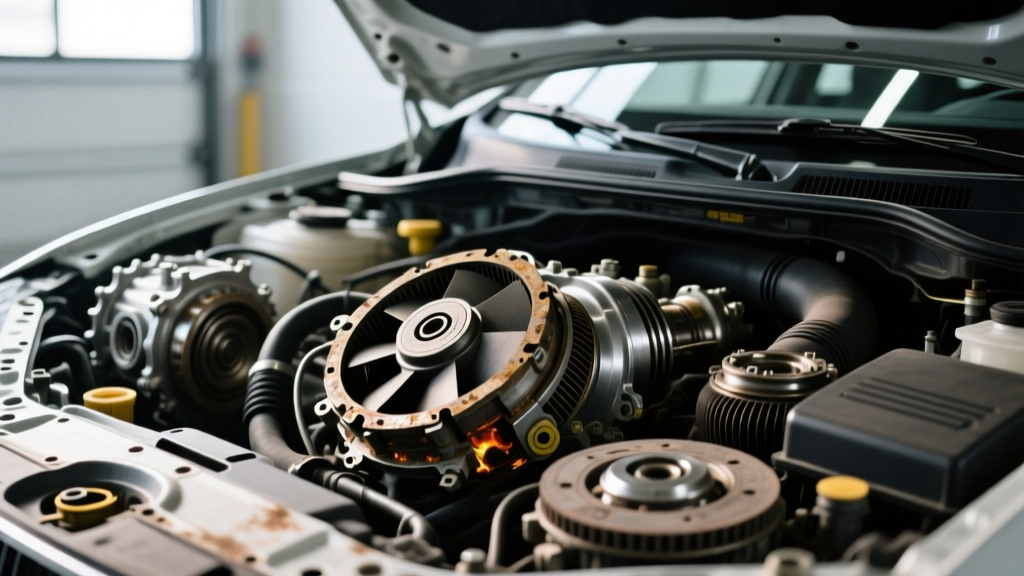
The distinct, acrid odor of a burning clutch is unmistakable. Often described as a mix of sulfur, burnt toast, and scorched brake pads, this smell is the direct result of phenolic resins and binding agents in the friction material reaching their thermal degradation point and off-gassing. For manual transmission owners and drivetrain technicians, this odor is an immediate red flag indicating severe slippage, improper pedal adjustment, or hydraulic system failure. When the friction disc slips against the flywheel and pressure plate, kinetic energy is converted into intense, localized heat. If this heat exceeds the thermal threshold of the friction material, the disc begins to literally cook, releasing noxious fumes into the cabin via the bellhousing inspection cover and transmission tunnel.
But once the smoke clears, the vehicle cools down, and the cabin airs out, the inevitable question arises regarding the transmission's remaining lifespan. To properly answer this, we must first understand the thermal limits of modern clutch materials and execute a rigorous diagnostic protocol to determine the extent of the damage.
Thermal Thresholds: Organic vs. Cerametallic
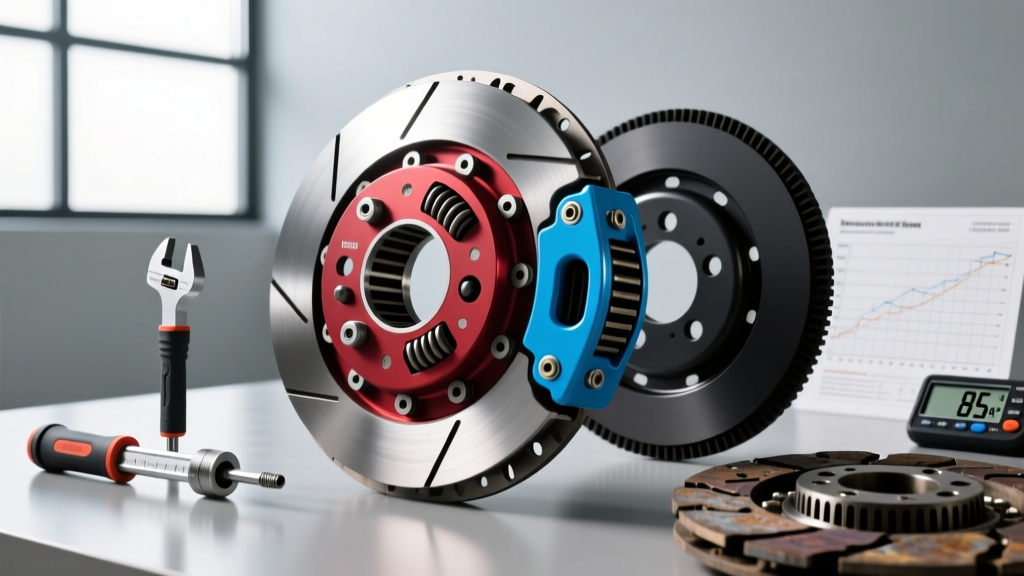
Not all clutch discs are created equal. The friction material dictates how much heat the system can absorb before catastrophic degradation occurs. Below is a breakdown of common friction materials, their thermal limits, and their ideal applications based on 2026 drivetrain standards.
| Friction Material | Thermal Threshold (°F) | Coefficient of Friction (μ) | Best Application |
|---|---|---|---|
| Organic (OEM) | 400°F - 500°F | 0.25 - 0.35 | Daily driving, stop-and-go traffic |
| Kevlar / Aramid | 500°F - 600°F | 0.35 - 0.45 | Aggressive street, light track use |
| Cerametallic | 800°F - 1000°F | 0.45 - 0.55 | Dedicated track, high-torque builds |
| Sintered Iron | 1000°F+ | 0.55 - 0.65 | Drag racing, extreme abuse |
Most passenger vehicles, from a Honda Civic K-series to a Mazda SkyActiv-MT, utilize organic friction material. Because organic facings begin to degrade at just 400°F (204°C), a prolonged slip event—such as rocking the vehicle in deep snow or holding the car on a steep incline using the throttle—will quickly push temperatures past 600°F, causing immediate resin meltdown.
Step-by-Step Diagnostic Protocol (2026 Shop Standards)
Before condemning the clutch assembly, a systematic diagnosis is required to ensure the burning smell wasn't caused by an external hydraulic or mechanical fault. According to Hagerty's technical maintenance archives, skipping these steps often leads to unnecessary transmission removals and misdiagnosed root causes.
- Verify Pedal Free-Play: Using a steel ruler, measure the clutch pedal free-play at the friction pad. Most modern hydraulic systems require 0.50 to 0.75 inches of free-play before the master cylinder piston engages. If the pedal is too tight, the throwout bearing remains in constant contact with the pressure plate diaphragm fingers, causing perpetual micro-slippage and a burning smell even during normal highway cruising.
- Inspect Hydraulic Integrity: Check the clutch master cylinder reservoir fluid level. Next, inspect the bellhousing inspection cover for signs of brake fluid weeping. A failing concentric slave cylinder (CSC) will leak fluid directly onto the friction disc, causing it to slip aggressively and burn, mimicking the symptoms of a worn-out clutch.
- The Third-Gear Load Test: Find an empty, safe stretch of road. Accelerate to 40 MPH in third gear, then apply wide-open throttle (WOT). If the engine RPMs flare upward without a corresponding increase in vehicle speed, the friction material is severely glazed or worn through to the rivets. If the RPMs hold steady and the car pulls hard, the friction material may have survived the thermal event.
The Big Question: How Long Do Car Clutches Last After Burning?
When enthusiasts and daily drivers alike ask, 'how long do car clutches last' after experiencing a severe burning event, the answer depends entirely on the distinction between a 'one-time slip' and 'chronic abuse,' as well as the physical state of the friction facing post-event.
The 'One-Time Slip' vs. 'Chronic Abuse' Framework
If the burning smell was the result of a single, isolated incident—such as a novice driver riding the pedal on a mountain pass or attempting to pull a heavy trailer out of mud—the clutch may still have tens of thousands of miles of life left. Organic facings are designed with a high thermal mass to absorb short bursts of heat. Once cooled, the resin re-hardens. However, if the heat was intense enough to melt the resin and pool it on the surface, the disc will cool with a glass-like finish known as glazing.
Technician's Note: A glazed clutch will often exhibit a 'chatter' upon initial engagement in first gear but will hold torque adequately in higher gears. While it is technically functional, the glazing reduces the coefficient of friction (μ) by up to 40%, meaning the clutch will slip again under heavy load, accelerating future wear.
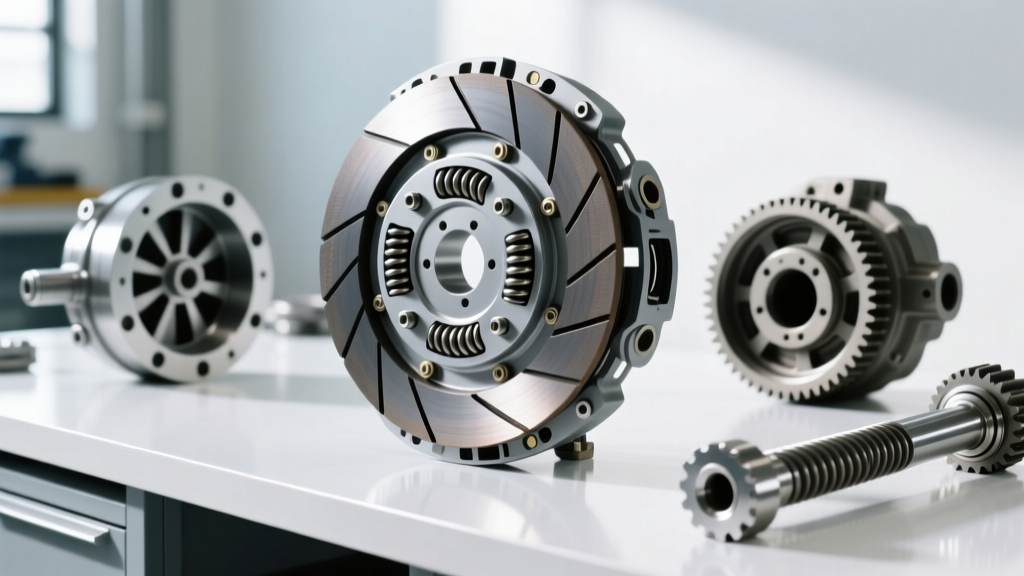
Conversely, if the burning smell is accompanied by a spongy pedal feel, a noticeable drop in engagement height, or visible blueing on the flywheel friction surface through the inspection cover, the clutch is effectively dead. In these cases of chronic abuse or total hydraulic failure, the answer to how long do car clutches last is measured in miles, not years. The disc is likely worn past the 0.030-inch minimum rivet depth specification, and continued driving will result in the steel rivets gouging the flywheel, turning a $1,200 clutch job into a $2,500 drivetrain overhaul.
Flywheel Machining Specs & Replacement Costs
When a clutch burns severely, the flywheel absorbs the brunt of the thermal shock. You cannot simply swap the friction disc; the mating surface must be evaluated. According to RockAuto's OEM clutch catalog and manufacturer service manuals, flywheel tolerances are incredibly strict.
- Single Mass Flywheel (SMF): Must be checked for lateral runout using a dial indicator. Maximum allowable runout is typically 0.002 inches. For example, a Honda K20 SMF has a minimum thickness specification of 1.098 inches (27.9 mm). If machining to remove heat cracks drops the thickness below this spec, replacement is mandatory.
- Dual-Mass Flywheel (DMF): Common in modern diesel and high-torque gasoline applications (like the Ford Mustang EcoBoost or VW GTI). DMFs cannot be machined. If the friction surface shows severe heat checking (spiderweb cracks) or if the internal damping springs exhibit excessive rotational free-play (greater than 20 degrees), the entire DMF must be replaced. Expect to pay $600 to $1,100 for a premium Sachs or LuK DMF unit in 2026.
Fastener Torque Specifications
If you are performing the replacement in your own garage, adhering to exact torque specs is critical to prevent warping the pressure plate or cracking the flywheel. For popular platforms like the GM LS-series or the Tremec T56 Magnum equipped vehicles:
- Flywheel to Crankshaft (LS V8): 74 lb-ft + an additional 60-degree turn. Use high-strength threadlocker on all bolts.
- Pressure Plate to Flywheel: 25 lb-ft, tightened in a star-pattern sequence to ensure even diaphragm spring loading.
- Bellhousing to Engine Block: 35 lb-ft. Misalignment here will cause the input shaft to bind, leading to premature throwout bearing failure and recurring slip.
Summary: When to Cut Your Losses
Ultimately, a burning clutch smell is a warning shot from your drivetrain. If the pedal feel remains firm, the engagement point is normal, and the car passes the third-gear load test without RPM flare, you likely survived the thermal event with minimal degradation. However, if the smell persists, the engagement point creeps toward the firewall, or the clutch begins to chatter violently, the friction material has reached the end of its service life. Addressing the root cause—whether it be a leaking slave cylinder, a maladjusted pedal stop, or poor driving habits—is the only way to ensure your next clutch replacement lasts for its intended 80,000 to 120,000-mile lifespan.