The Core Question: Does an Electric Car Have a Transmission?
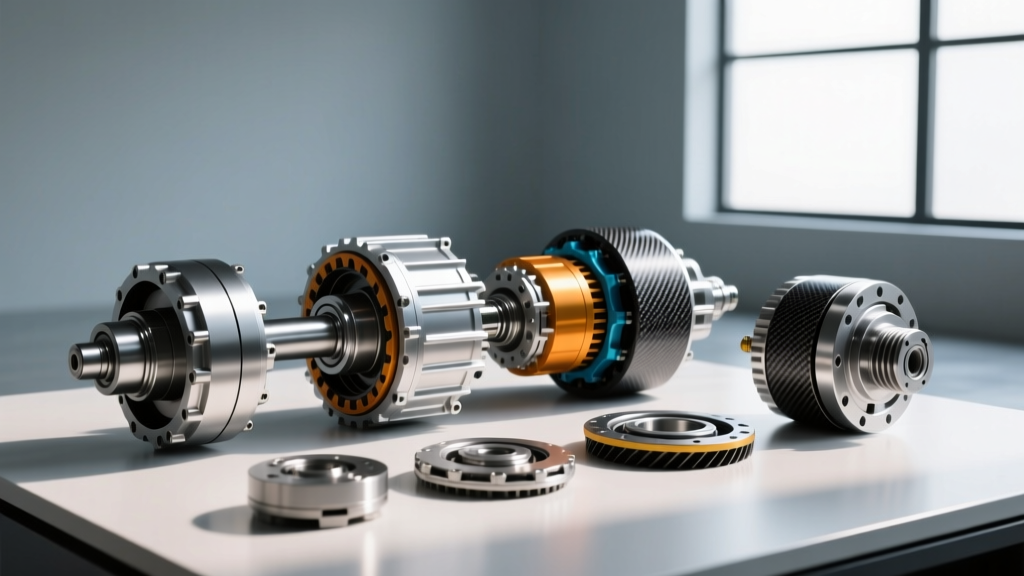
When transitioning from internal combustion engine (ICE) vehicles to electric vehicles (EVs), one of the most common questions asked by buyers and enthusiasts is: does an electric car have a transmission? The short answer is yes. However, instead of a complex multi-ratio gearbox like the ZF 8HP or the GM 6L80, most modern EVs utilize a single-speed reduction gearbox, often integrated directly into the drive unit alongside the electric motor and inverter. Hybrid vehicles, conversely, frequently use specialized continuously variable transmissions (eCVTs) or dedicated hybrid transmissions (DHTs).
While these EV transaxles have fewer moving parts than their ICE counterparts, they are subjected to unique mechanical stresses. The most significant of these stresses comes from regenerative braking. In 2026, as one-pedal driving algorithms become more aggressive and motor efficiencies push past 97%, understanding how regenerative braking interacts with the transmission is critical for long-term reliability, maintenance planning, and vehicle selection.
How Regenerative Braking Stresses the Transaxle
During acceleration, the electric motor applies torque through the reduction gears to the wheels. When you lift off the accelerator and initiate regenerative braking, the traction motor reverses its role, acting as a generator. The kinetic energy of the vehicle spins the motor rotor, which generates electricity to recharge the high-voltage battery.
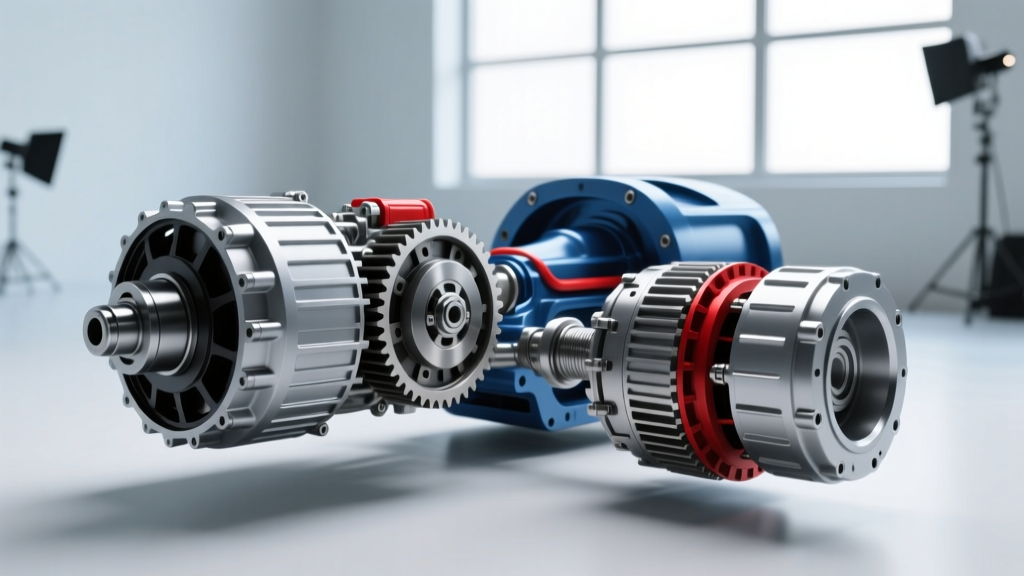
Mechanically, this causes an instantaneous torque reversal through the transmission. Most single-speed EV gearboxes utilize helical gear sets due to their high load capacity and quiet operation. However, helical gears generate axial thrust loads. During acceleration, the thrust load pushes the gear shafts in one direction, loading the tapered roller bearings. During aggressive regenerative braking, the thrust load instantly reverses, slamming the bearings against the opposite race. Over tens of thousands of miles of one-pedal driving, this continuous load reversal can lead to bearing spalling, gear whine, and eventual transaxle failure if the fluid shear stability is inadequate.
2026 Drivetrain Comparison: Single-Speed vs. Multi-Speed vs. eCVT
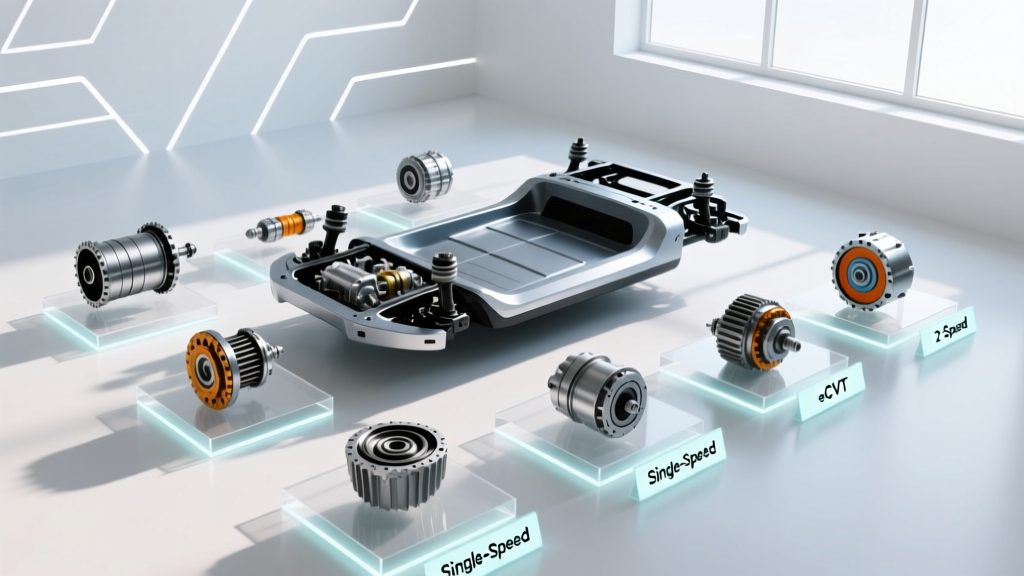
Not all EV and hybrid transmissions handle regenerative torque equally. Below is a technical comparison of the dominant architectures on the market today, focusing on their regen-braking capabilities and mechanical wear profiles.
| Architecture | Example Models | Gear Ratios | Regen Torque Path | Bearing Stress Level | Fluid Capacity & Spec |
|---|---|---|---|---|---|
| Single-Speed Reduction | Tesla Model 3 RWD, Hyundai Ioniq 5 | 1 (approx 9:1 to 10:1) | Parallel-axis helical gears | High (Axial thrust reversal) | ~2.4L (e.g., Tesla GF-0093326) |
| 2-Speed Automatic | Porsche Taycan, Audi e-tron GT | 2 (Rear Axle) | Planetary & dog-clutch | Moderate (Regen locked in 2nd) | ~3.2L (ZF LifeguardFluid EV) |
| Power-Split eCVT | Toyota Prius (P810), Ford HF45 | Infinite (Planetary) | MG2 to Ring Gear | Low (Distributed load) | ~3.4L (Toyota ATF WS) |
Deep Dive: The Porsche Taycan 2-Speed vs. Tesla Single-Speed
According to engineering data published by the Porsche Newsroom, the Taycan’s rear 2-speed transmission was designed primarily for launch performance and top-end efficiency. However, it also solves a major regenerative braking dilemma. During hard deceleration, the Taycan remains locked in second gear. Shifting down to first gear while under heavy regen load would cause a severe torque interruption and mechanical shock to the dog clutch. By keeping the car in the taller second gear for regen, the transmission reduces the peak torque multiplied through the gearset, thereby protecting the internal clutches and bearings from extreme reverse-torque spikes.
Conversely, a single-speed Tesla Rear Drive Unit (RDU) must absorb the full multiplied regenerative torque (often exceeding 3,500 Nm at the wheels) through a single pair of helical reduction gears. This is why Tesla periodically updates the RDU bearing preloads and fluid formulations to combat high-mileage whine.
Deep Dive: Toyota P810 eCVT and Planetary Regen
Hybrid buyers looking at the Toyota Prius or RAV4 Hybrid will encounter the P810 or P710 transaxle. Unlike parallel-axis EV gearboxes, these use a planetary gearset connecting the ICE, Motor Generator 1 (MG1), and Motor Generator 2 (MG2). During regenerative braking, the engine is shut off and held stationary. The wheels drive MG2 through the ring gear, converting kinetic energy into electricity. Because planetary gearsets distribute torque across multiple planet gears (typically 4 to 6 pinions), the mechanical stress of regenerative braking is spread over a much larger surface area. This results in exceptionally low bearing wear, making eCVTs arguably the most durable transmission design for heavy regen-braking applications.
Buyer’s Guide: Specifying for High-Regen Environments
If your daily commute involves steep mountain descents, frequent stop-and-go traffic, or towing, your drivetrain will be subjected to maximum regenerative braking loads. Here is how to evaluate your options as a buyer in 2026:
- For Mountain Commuters (High Continuous Regen): Prioritize vehicles with advanced thermal management for the stator and gearbox. Continuous regen generates immense heat in the motor windings and the transaxle fluid. Vehicles utilizing dedicated fluid cooling circuits (where the EV fluid passes through a heat exchanger linked to the battery chiller) will prevent fluid degradation and gear wear.
- For Towing (High Peak Torque Reversal): Avoid single-speed EVs not rated for towing. The reverse thrust loads on the helical gears when slowing down a 5,000-lb trailer can exceed the bearing load limits of standard passenger EV drive units. Look for dedicated DHTs (like those in the Ford F-150 PowerBoost or Toyota Tundra i-FORCE MAX) which use robust ICE-style planetary gearsets reinforced for high-GVWR braking.
- For City Drivers (Frequent Micro-Cycles): Single-speed EVs are perfectly suited here, provided you adhere to strict fluid maintenance intervals to manage the constant micro-reversals of thrust loads.
Maintenance, Fluids, and Torque Specifications
Many owners mistakenly believe that because an EV lacks a traditional multi-speed transmission, it requires zero drivetrain maintenance. This is a costly error. EV transaxle fluids must not only lubricate high-speed bearings (spinning up to 20,000 RPM) but also act as a dielectric coolant for the motor stator. The U.S. Department of Energy notes that EV fluids require specialized copper corrosion inhibitors and anti-foaming agents to survive the high-shear environment of regenerative braking.
Crucial Service Intervals and Part Numbers
While some manufacturers claim their single-speed gearboxes are "sealed for life," independent tribology studies referenced by AFDC show that EV fluid shear stability drops significantly after 60,000 miles of heavy regen use. To protect your investment, consider these service parameters:
- Tesla Model 3/Y Rear Drive Unit: Fluid capacity is approximately 2.4 Liters. While Tesla does not mandate a strict interval, replacing the fluid every 50,000 miles using the exact OEM formulation (Part # GF-0093326-01-A) is highly recommended. Additionally, inspect the inline fluid filter (Part # 1095199-00-A) for metallic particulates, which indicate early bearing spalling from regen thrust loads.
- Toyota P810 eCVT (Prius): Requires Toyota Genuine ATF WS. Capacity is roughly 3.4 Liters. Drain and fill every 60,000 miles. Because the planetary gears handle regen so efficiently, the fluid degrades primarily from thermal cycling rather than mechanical shearing.
- Axle Nut Torque Specs: When removing CV axles to service the transaxle seals (a common leak point due to heat expansion from heavy regen), always replace the stretch nuts. For the Tesla Model 3 rear axle nut, the factory torque specification is 290 Nm (214 lb-ft). Do not reuse old nuts, as the clamping force is vital to prevent spline fretting during torque reversals.
Final Verdict: Matching the Drivetrain to Your Drive Cycle
So, does an electric car have a transmission? Yes, and its design dictates how well the vehicle handles the immense forces of regenerative braking. If you prioritize absolute mechanical longevity under heavy regenerative loads, a hybrid eCVT with a planetary gearset remains the undisputed king of durability. However, if you demand the instant, unbroken deceleration of a modern single-speed EV, you must commit to proactive fluid maintenance to protect the helical gears and thrust bearings from the relentless physics of torque reversal. By understanding the hidden mechanical work happening inside your transaxle every time you lift off the throttle, you can make a vastly more informed purchasing and maintenance decision in the modern EV market.