The Great Drivetrain Debate: Do Electric Cars Need Transmissions?
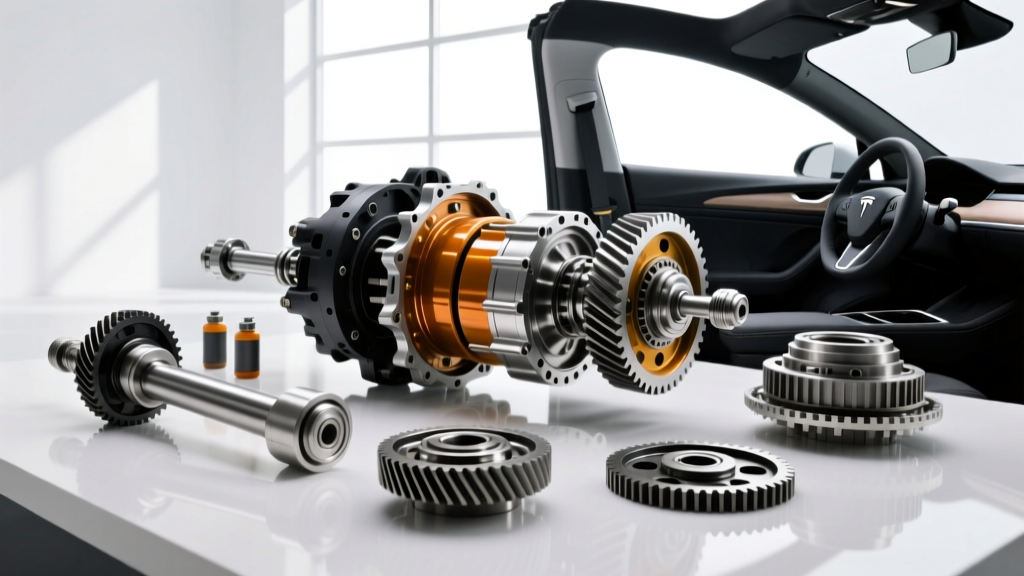
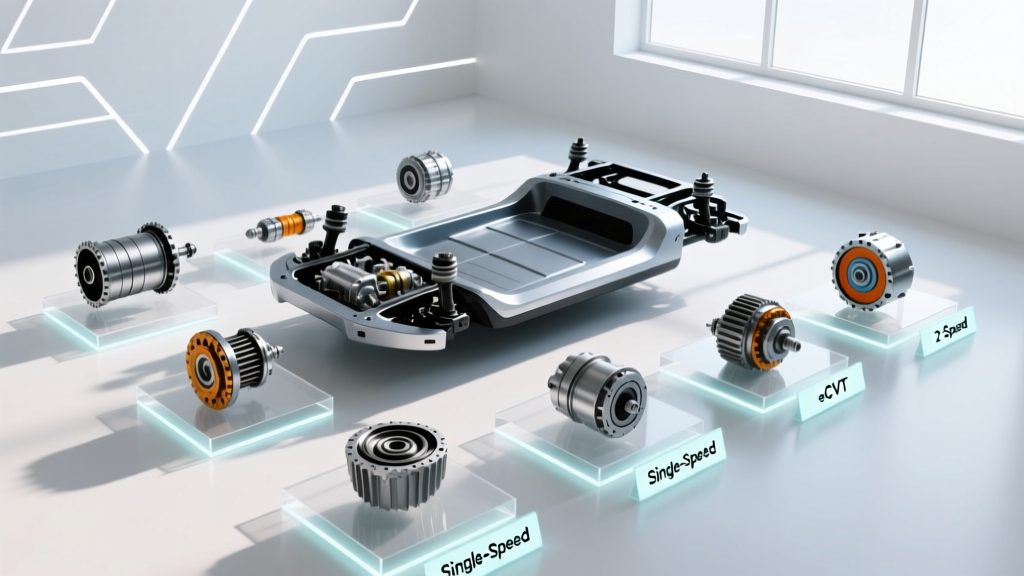
When automotive enthusiasts and prospective buyers ask, do electric cars need transmissions, the answer requires a nuanced understanding of modern drivetrain architectures. Pure battery electric vehicles (BEVs) typically rely on a single-speed reduction gear, eliminating the need for traditional multi-speed shifting. However, hybrid vehicles represent a completely different engineering paradigm. To seamlessly blend the torque curve of an internal combustion engine (ICE) with the instant thrust of electric motors, hybrids utilize highly sophisticated electronic continuously variable transmissions (eCVTs).
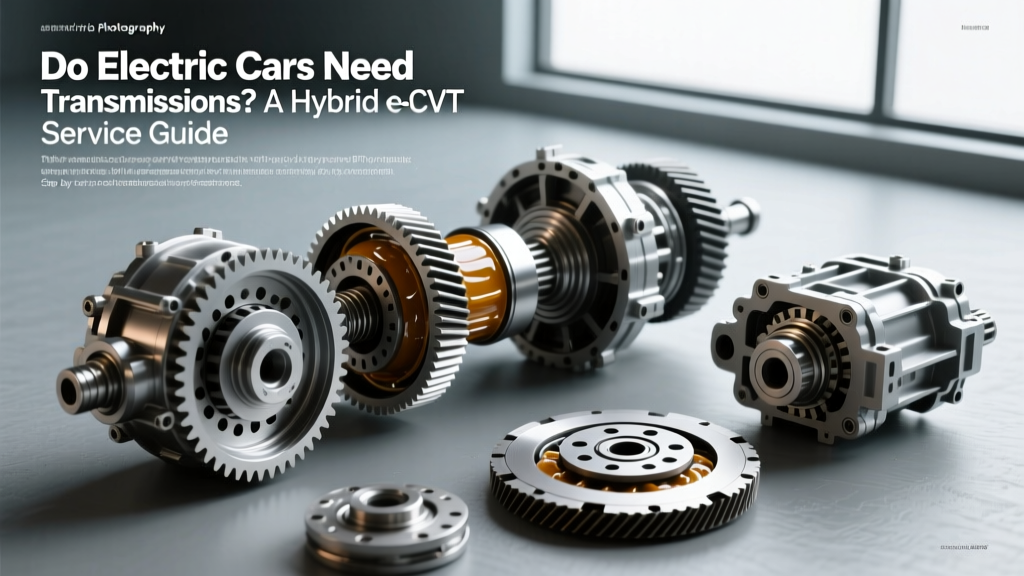
Expert Insight: Unlike belt-driven CVTs found in conventional ICE vehicles, a hybrid eCVT contains no belts or pulleys. Instead, it relies on a planetary gearset and motor-generators to manage power distribution. As we navigate the 2026 automotive landscape, thermal management and precise fluid maintenance in these eCVTs are more critical than ever due to increased torque densities.
In this step-by-step how-to guide, we will walk through the exact procedures for servicing, diagnosing, and maintaining the industry-standard Toyota P810 and Ford HF35 hybrid eCVT systems.
Phase 1: Understanding the Hybrid eCVT Architecture
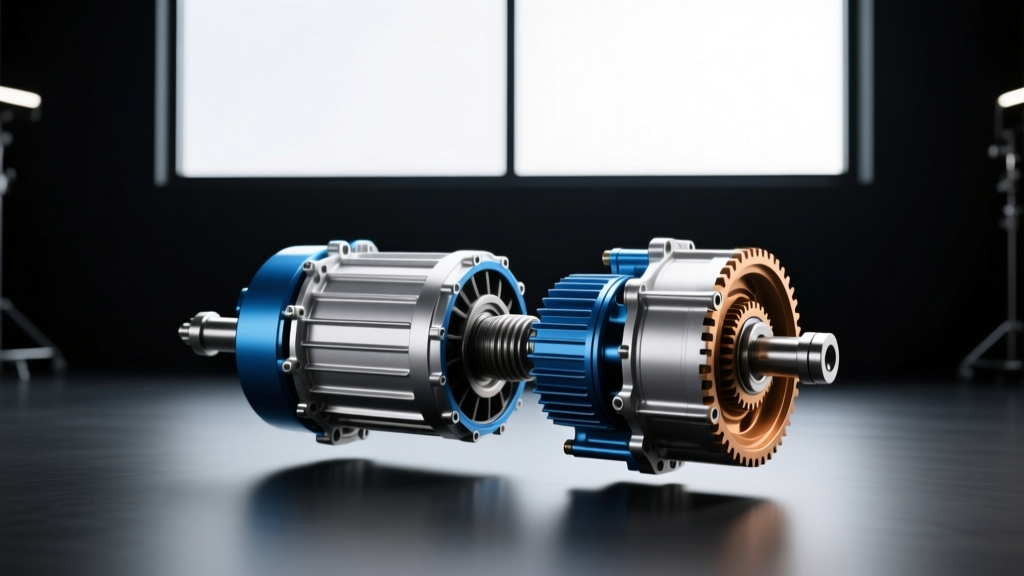
Before turning a single wrench, technicians must understand what they are servicing. The Toyota P810 eCVT (found in the RAV4 Hybrid and Camry Hybrid) and the Ford HF35 (found in the Escape Hybrid) both utilize a power-split device. This planetary gearset connects the ICE, Motor-Generator 1 (MG1 - primarily a starter and generator), and Motor-Generator 2 (MG2 - the primary traction motor).
Because MG2 can output upwards of 120 kW of electrical power directly into the transmission casing, the eCVT fluid must serve three distinct purposes: lubricate the planetary gears and bearings, cool the internal stator windings, and provide dielectric insulation for the high-voltage components routed through the case.
Phase 2: High-Voltage Safety & Preparation
Servicing a hybrid drivetrain involves working in close proximity to high-voltage (HV) cabling. A standard 12V service protocol is insufficient and potentially lethal.
Mandatory Tool List
- PPE: Class 0 High-Voltage Lineman Gloves (1000V rated, must be within the 6-month OSHA testing window) and safety glasses.
- Multimeter: Fluke 87V True-RMS Industrial Multimeter (CAT III 1000V / CAT IV 600V rated).
- Hand Tools: 3/8-inch drive torque wrench (inch-lb and ft-lb), 10mm hex socket (Toyota), T40 Torx (Ford), and a pneumatic fluid transfer pump.
- Software: OEM bi-directional scan tool (e.g., Toyota Techstream or Ford FDRS) for thermal calibration.
Step 1: High-Voltage Disablement
- Disconnect the 12V Auxiliary Battery: Isolate the negative terminal to prevent any accidental ECU wake-ups.
- Remove the HV Service Plug: Located on the HV battery pack (usually under the rear seat or in the cargo area). For Toyota, you must pivot the locking lever up before pulling the plug grip straight out.
- Capacitor Discharge Wait Time: Wait a minimum of 10 minutes. The inverter capacitor stores lethal voltage even after the battery is disconnected.
- Verify Zero Voltage: Wearing Class 0 gloves, remove the inverter terminal cover. Use your Fluke 87V to measure DC voltage across the positive and negative HV terminals. The reading must be below 3V before proceeding. For more on hybrid safety protocols, refer to the US Department of Energy Alternative Fuels Data Center.
Phase 3: The eCVT Fluid Exchange Procedure
Unlike traditional automatic transmissions, eCVTs do not have a dipstick or a traditional pan filter. They utilize a drain-and-fill methodology with an overflow check plug.
Step 2: Drain and Inspect
Ensure the vehicle is perfectly level on a two-post lift or jack stands. Crucial Rule: Always remove the fill/check plug before removing the drain plug. If the fill plug is seized or stripped, you do not want to drain a transmission you cannot refill.
- Place a clean, white drain pan beneath the eCVT.
- Remove the 10mm hex fill plug (Toyota) or T40 Torx fill plug (Ford).
- Remove the drain plug and allow the fluid to drain completely (approx. 15 minutes).
- Inspection: Examine the drain plug magnet. A fine, dark metallic paste is normal wear from the planetary gears and clutch packs. However, if you find distinct metallic chunks, glitter, or brass-colored shavings, this indicates catastrophic bearing or bushing failure, requiring a complete eCVT teardown.
Step 3: Precision Refill and Thermal Calibration
Hybrid eCVTs are incredibly sensitive to fluid levels. Overfilling causes aeration and churning losses, which drastically reduces MPG and can trigger inverter overheat codes. Underfilling leads to immediate MG2 stator burnout.
- Reinstall the drain plug with a new crush washer. Torque to spec (see table below).
- Using a fluid transfer pump, inject the exact OEM-specified fluid into the fill hole until it begins to weep out.
- Thermal Calibration (Toyota P810 specific): The fluid level must be checked when the transmission fluid temperature is exactly between 35°C and 45°C (95°F - 113°F). Connect your scan tool to monitor the 'ATF Temp' PID. Start the vehicle, shift through all gears to circulate fluid, and monitor the temp. Once in the 35-45°C window, crack the fill plug. If fluid drips out, the level is perfect. If not, add fluid until a steady drip occurs, then torque the fill plug.
Phase 4: OEM Specifications & Torque Data
Using the incorrect fluid in a hybrid eCVT will alter the dielectric properties of the fluid, potentially causing high-voltage isolation faults (DTC P0A0F). Always adhere to OEM part numbers. Detailed service manuals are available via Toyota TechInfo and Ford Motorcraft Support.
| Specification | Toyota P810 eCVT (RAV4/Camry Hybrid) | Ford HF35 eCVT (Escape Hybrid) |
|---|---|---|
| OEM Fluid Type | Toyota Genuine ATF WS | Motorcraft MERCON LV |
| Fluid Part Number | 00289-ATPWS | XT-10-QLVC |
| Total Dry Capacity | 3.6 Liters (3.8 qts) | 5.7 Liters (6.0 qts) |
| Drain & Refill Volume | 3.4 Liters (3.6 qts) | 5.0 Liters (5.3 qts) |
| Drain Plug Torque | 39 Nm (29 lb-ft) | 45 Nm (33 lb-ft) |
| Fill Plug Torque | 39 Nm (29 lb-ft) | 33 Nm (24 lb-ft) |
| Temp Check Window | 35°C - 45°C (95°F - 113°F) | 85°C - 93°C (185°F - 200°F) |
Phase 5: Diagnosing Common eCVT Failure Modes
When a hybrid vehicle exhibits harsh engagement, whining noises, or a 'Check Hybrid System' warning, the eCVT is often blamed. However, accurate diagnosis requires isolating mechanical faults from electrical anomalies.
Resolver Sensor Faults
The eCVT relies on resolver sensors to track the exact rotational position and speed of MG1 and MG2. These are essentially high-precision rotary transformers. If the wiring harness chafes against the transmission casing, or if the sensor calibration drifts, the inverter will send current to the motor at the wrong phase angle. This results in a violent shudder during EV-mode acceleration and triggers DTCs like P0A05 (Motor Control Module Performance) or P0A08 (Transaxle Control System). Fixing this rarely requires replacing the entire eCVT; often, it requires a harness repair and a resolver offset learning procedure via the OEM scan tool.
Inverter Coolant Intrusion
Many modern hybrids route the inverter's liquid cooling lines directly through a heat exchanger bolted to the eCVT casing. If the internal O-rings or the heat exchanger gasket fails, engine coolant can mix with the eCVT fluid. Because engine coolant is conductive, this will immediately trigger a High-Voltage Isolation Fault (DTC P0A0F), shutting down the hybrid system to prevent electrocution hazards. If you pull the eCVT drain plug and the fluid looks like a strawberry milkshake, do not attempt a flush. The transmission and inverter must be replaced or completely rebuilt.
Summary
So, do electric cars need transmissions? While pure EVs simplify the drivetrain with single-speed reducers, hybrid vehicles demand the complex, planetary-based eCVT to orchestrate the dance between gas and electric power. By adhering to strict high-voltage safety protocols, utilizing exact OEM dielectric fluids, and respecting thermal calibration windows, technicians can ensure these sophisticated hybrid gearboxes survive well past the 200,000-mile mark.