The Performance Axle Dilemma: Open vs. Locked
When building a performance truck, off-road rig, or dedicated track car, the factory open differential is often the first casualty of increased horsepower. While limited-slip differentials (LSDs) offer a compromise, true locking differentials remain the gold standard for maximum traction. However, upgrading your axle isn't just about the initial hardware purchase. The long-term maintenance, specifically the rear differential fluid cost, varies wildly depending on the locking mechanism you choose.
In this 2026 performance upgrade guide, we dissect the dominant locking differential types on the market, evaluate their mechanical architectures, and reveal how your selection directly impacts your axle's lifetime maintenance budget. Whether you are stuffing a Dana 60 into a rock crawler or upgrading a Ford 8.8 for drag radial launches, understanding the symbiotic relationship between locker mechanics and gear oil chemistry is critical.
Categorizing Locking Differentials for Modern Builds
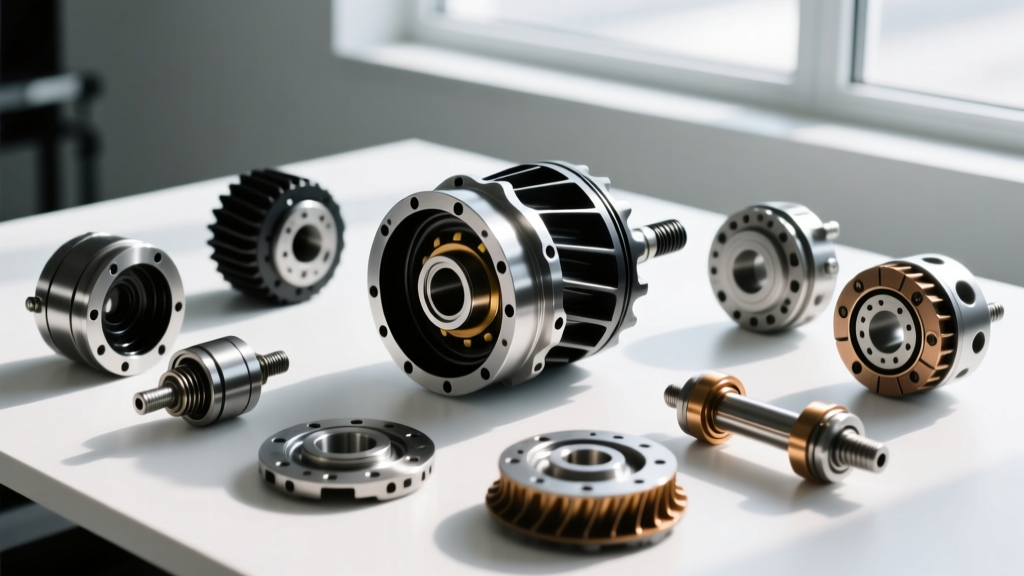
Selecting the right locker requires matching the differential's engagement mechanism to your vehicle's primary use case. The market is currently dominated by three distinct architectures.
1. Full Mechanical Lockers (Automatic Engagement)
Mechanical lockers, such as the iconic Detroit Locker (Eaton) or the Yukon Grizzly Locker, utilize a ratcheting gear mechanism that locks both axles together when torque is applied and unlocks during cornering to allow for wheel speed differentiation. Because they rely on heavy-duty steel dogs and gears rather than friction clutches, they are incredibly robust. Best for: Drag racing, heavy towing, and hardcore rock crawling where street manners are secondary to ultimate traction.
2. Selectable Lockers (On-Demand Engagement)
Selectable lockers function as open differentials until the driver commands them to lock. The ARB Air Locker (e.g., Part # RD116 for Dana 44) uses an onboard air compressor to push a piston that engages a locking collar. The Eaton E-Locker (e.g., Part # 19926-01 for GM 14-bolt) uses an electromagnetic actuator to achieve the same result. When unlocked, they provide factory-like street drivability; when locked, they offer 100% axle coupling. Best for: Daily-driven overlanders, trail rigs, and street/strip builds.
3. Clutch-Based Automatic Lockers
Often bridging the gap between LSDs and full lockers, units like the Auburn Pro-Series use high-capacity clutch packs and preload springs to aggressively transfer torque. While they offer progressive engagement, the reliance on friction material makes them highly sensitive to fluid chemistry and wear. Best for: Circle track racing, autocross, and high-horsepower street cars requiring smooth, progressive traction.
The Hidden Variable: How Locker Type Dictates Rear Differential Fluid Cost
Most enthusiasts budget $800 to $1,200 for a locker and overlook the ongoing fluid maintenance. The internal architecture of your chosen locker dictates the type of gear oil required, the necessity of friction modifiers, and the frequency of fluid changes. This is where the true rear differential fluid cost reveals itself over a 5-year ownership cycle.
| Locker Architecture | Popular Model | Hardware Cost (2026) | Friction Modifier Required? | Est. 5-Year Rear Differential Fluid Cost |
|---|---|---|---|---|
| Full Mechanical | Detroit Locker / Grizzly | $650 - $850 | No (Standard GL-5) | $110 - $140 |
| Selectable (Air/Elec) | ARB Air / Eaton E-Locker | $900 - $1,150 | No (Standard GL-5) | $110 - $140 |
| Clutch-Based Auto | Auburn Pro-Series | $700 - $900 | Yes (Mandatory) | $220 - $280 |
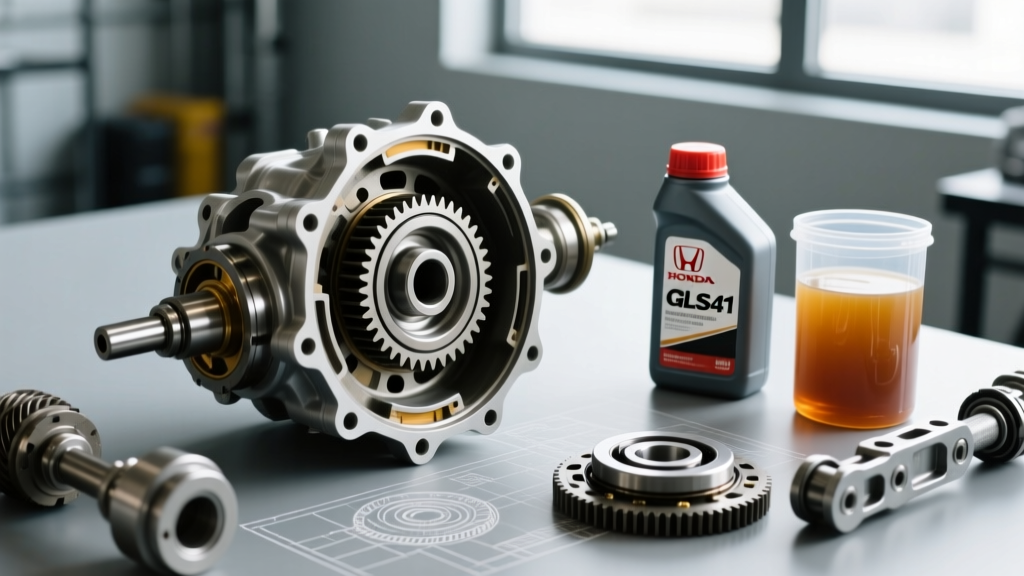
Analysis: Mechanical and selectable lockers do not utilize friction clutches to transfer torque. Therefore, they do not require expensive friction modifier additives. You can run a high-quality, standard GL-5 synthetic gear oil. Conversely, clutch-based automatic lockers require specialized limited-slip friction modifiers (such as GM Part # 88900333 or Red Line Limited Slip Friction Modifier) to prevent clutch chatter and premature wear. Furthermore, clutch packs generate microscopic metallic debris as they wear, necessitating fluid changes every 15,000 miles under heavy use, effectively doubling the 5-year rear differential fluid cost compared to a mechanical locker.
Fluid Specifications and Shear Stability
When upgrading to a locking differential, the factory 80W-90 mineral oil must be discarded. Locking differentials, particularly in performance applications, generate massive shock loads that can shear standard gear oils, leading to catastrophic ring and pinion failures.
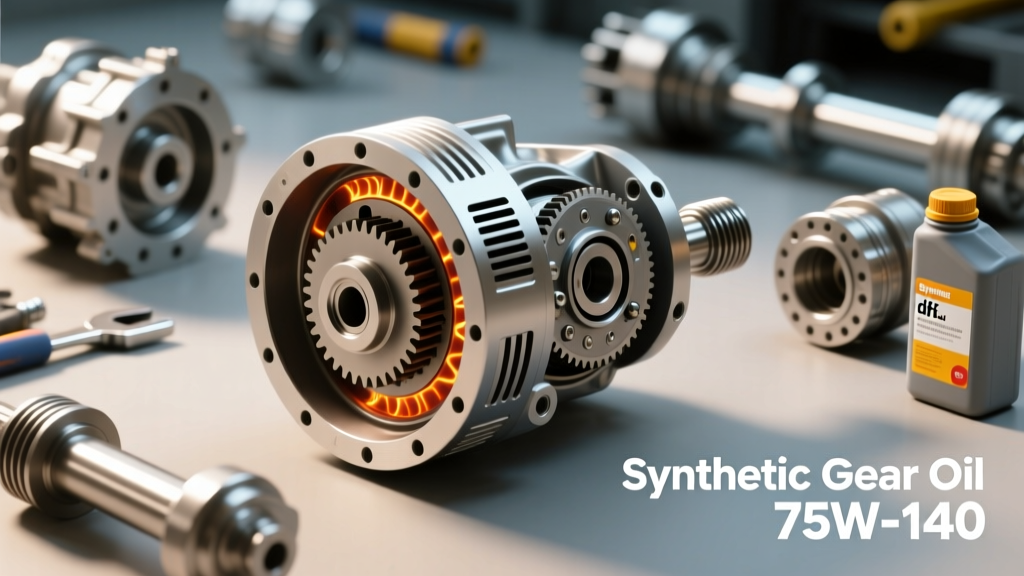
- Viscosity Upgrade: For performance applications, step up to a 75W-140 Full Synthetic (e.g., Red Line 75W140 or Amsoil Severe Gear). The higher 140-weight film strength protects the ring gear teeth during the violent shock-loading of a mechanical locker engaging at speed.
- The Break-In Flush: When installing a new locker and new ring/pinion gears, the initial fluid must be drained at 500 miles. This flush removes the metallic paste generated by the gear teeth lapping together and the locker's internal components seating. Failing to perform this $40 fluid change will result in abrasive paste circulating through your bearings.
- Capacity Considerations: Most standard passenger axles (Ford 8.8, GM 12-bolt) hold between 2.0 and 2.5 quarts. However, heavy-duty axles like the Dana 60 or GM 14-bolt 10.5" can require up to 3.5 to 4.0 quarts, directly increasing your baseline fluid expense per service interval.
Critical Installation Torque Specs & Carrier Breaks
A locking differential is only as reliable as its installation. Improper torque specs will lead to ring gear deflection, resulting in shattered teeth when the locker engages. Below are critical baseline specifications for popular performance axles. Always verify with the specific manufacturer's service manual.
Ford 8.8 (31-Spline Performance Build)
The Ford 8.8 is a staple for drag and street builds. When installing an Eaton E-Locker or Detroit Locker, pay strict attention to the ring gear hardware.
- Ring Gear Bolts: 70-85 lb-ft. You must use Grade 8 hardware and apply Loctite 271 (Red) to the threads. The shock load of a locker engaging will easily back out standard bolts treated only with Blue Loctite.
- Carrier Bearing Cap Bolts: 70-85 lb-ft. Ensure the bearing caps are installed in their exact original orientation (marked from the factory) to maintain bearing preload.
Dana 60 (Off-Road & Heavy Towing)
The Dana 60 requires precise bearing preload settings, especially when transitioning from an open carrier to a heavy selectable locker like the ARB Air Locker.
- Carrier Bearing Cap Bolts: 60-65 lb-ft.
- Ring Gear Bolts (1/2" - 20): 110-120 lb-ft with thread locker.
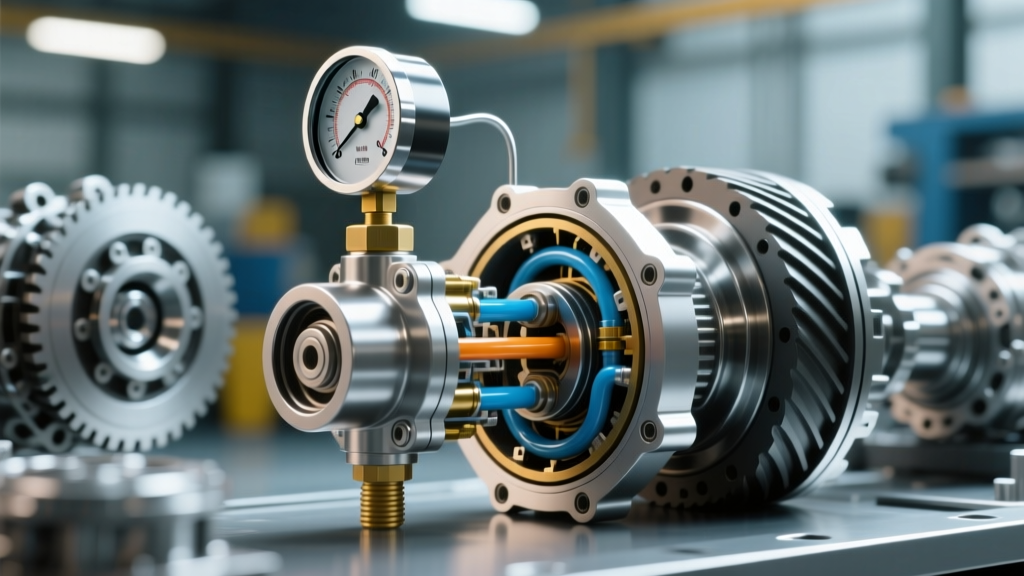
- Pinion Nut Torque: This is not a fixed torque value. You must torque the pinion nut incrementally until you achieve 25-30 in-lbs of rotational preload on new bearings (or 10-15 in-lbs on reused bearings). Using an impact gun without measuring rotational preload guarantees premature pinion bearing failure.
Carrier Breaks: The Hidden Hardware Cost
When selecting a locker, you must account for 'carrier breaks.' Axle manufacturers use different differential carriers to accommodate varying gear ratios. For example, the GM 12-bolt has a carrier break at 3.73. If your truck has 4.10 gears, you need a locker designed for the 'thick' carrier. If you buy the wrong locker, you will either need to purchase a new ring and pinion set or buy a specialized 'thick' ring gear to make it fit, instantly adding $400+ to your build cost. Always verify your exact gear ratio and spline count before ordering.
Final Selection Framework
Choosing the right locking differential is a balancing act between traction requirements, street drivability, and long-term maintenance. If your build is a dedicated trail rig or drag car, a mechanical locker like the Yukon Grizzly offers unparalleled strength and the lowest long-term rear differential fluid cost due to its clutch-free design. If your vehicle sees daily highway driving and requires civilized handling, the upfront premium of an Eaton E-Locker or ARB Air Locker is easily justified by the on-demand traction and standard fluid maintenance requirements.
By understanding the mechanical realities of your chosen locker and adhering to strict fluid specifications and torque sequences, your upgraded axle will reliably handle the horsepower and terrain you throw at it for years to come. For further technical specifications on axle components and gear sets, consult resources like Yukon Gear & Axle or ARB 4x4 Accessories to ensure your parts match your exact performance requirements.