The Real Cost to Replace Rear Differential Seal (2026 Breakdown)
When heavy-duty gear oil begins slinging off the driveshaft or pooling near the brake backing plates, the pinion seal has officially failed. For truck and SUV owners towing heavy loads or running modified drivetrains, researching the cost to replace rear differential seal hardware is only the first step. The true expense lies in addressing the root cause—whether that is harmonic vibration from oversized tires, improper pinion bearing preload, or degraded fluid shear stability.
In the performance and off-road community, a leaking seal is rarely just a rubber failure; it is a symptom of driveline stress. Below, we break down the exact pricing, OEM versus aftermarket part numbers, and the critical performance upgrades you should execute while the yoke is off the pinion gear.
Expert Insight: Never use an impact wrench to remove or install the pinion nut. The rotational torque required to seat the pinion bearings is measured in inch-pounds, not foot-pounds. Over-torquing the nut to stop a leak will crush the internal sleeve, destroying a $400 bearing set in under 500 miles.
Cost Comparison: Dealership vs. Independent vs. DIY
Labor rates for drivetrain work have climbed steadily, averaging $140 to $195 per hour at dealerships in 2026. However, because replacing a pinion seal does not require dropping the entire axle assembly, the labor time is relatively low (typically 1.2 to 1.8 hours). The primary cost variable is whether the pinion yoke sealing surface is grooved, requiring a replacement yoke or a repair sleeve.
| Vehicle / Axle Type | DIY Cost (Parts & Fluid) | Independent Shop | Dealership Estimate | OEM / Premium Seal Part # |
|---|---|---|---|---|
| Ford F-150 (9.75" Rear) | $65 - $95 | $310 - $420 | $580 - $750 | Motorcraft BRSD-1177 / Timken 710985 |
| Chevy Silverado 2500 (AAM 11.5") | $85 - $120 | $380 - $490 | $720 - $910 | ACDelco 22861594 / SKF 33175 |
| Jeep Wrangler (Dana 44 Rear) | $55 - $80 | $260 - $350 | $490 - $650 | Mopar 68252289AA / National 710983 |
| Toyota Tacoma (8" V6 Rear) | $45 - $70 | $290 - $380 | $550 - $680 | Toyota 90311-47027 / Timken 710128 |
Note: Pricing includes high-performance synthetic 75W-90 or 75W-140 gear oil and a new pinion nut, which is mandatory for crush-sleeve axles.
Why Truck & SUV Drivetrains Destroy Pinion Seals
Standard passenger car axles rarely suffer premature pinion seal failure. Trucks and SUVs, however, operate under conditions that compromise the seal lip and the mating surface of the pinion yoke. The three primary failure modes include:
- Harmonic Driveline Vibration: Installing 35-inch or larger tires without upgrading the driveshaft or adjusting pinion angles induces high-frequency vibrations. This vibration acts like a lathe, cutting a microscopic groove into the steel yoke where the rubber seal lip rides.
- Thermal Cycling & Towing: Sustained highway towing pushes differential temperatures past 230°F (110°C). Over time, standard nitrile rubber seals harden, lose their tension spring load, and begin to weep.
- Pinion Bearing Deflection: Worn pinion bearings allow the gear to wobble under load. This deflection pushes the yoke outside the seal's tolerance, tearing the inner lip.
The Speedi-Sleeve Performance Fix
If you remove the yoke and find a wear groove, do not immediately buy a new $180 forged yoke. The SKF Speedi-Sleeve is a precision-machined stainless steel cylinder that presses directly over the worn yoke surface, providing a pristine, hardened sealing diameter. For a GM AAM 11.5 axle, the SKF 99139 sleeve costs roughly $35 and saves hours of sourcing discontinued OEM yokes.
The Performance Upgrade: Solid Pinion Spacers vs. Crush Sleeves
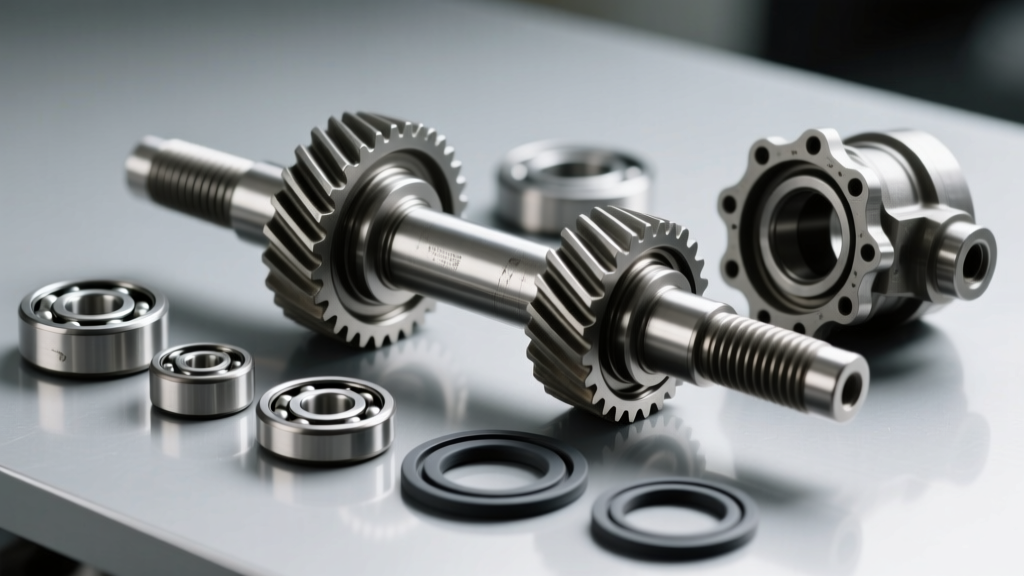
When calculating the cost to replace rear differential seal components, you must consider the internal crush sleeve. OEM differentials use a thin, collapsible steel sleeve between the pinion bearings to establish preload. Every time you tighten the pinion nut, the sleeve crushes slightly. If you over-torque it, the sleeve must be destroyed and replaced—a process that requires a specialized holding tool and immense force.
For trucks used in off-road racing, rock crawling, or heavy commercial towing, the crush sleeve is a weak point. The ultimate performance upgrade is the Solid Pinion Spacer Conversion.
Advantages of Solid Spacer Kits
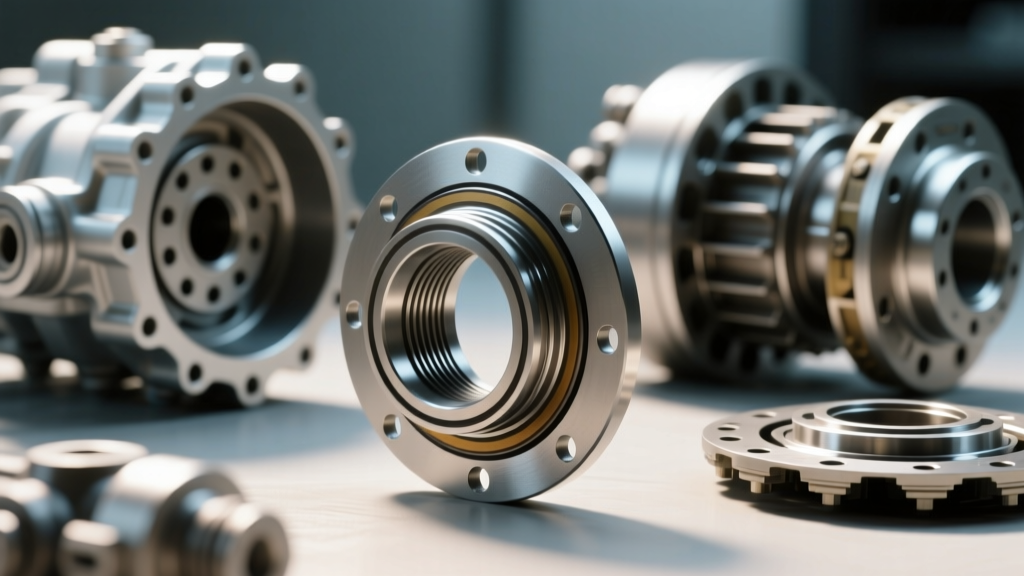
Brands like Yukon Gear & Axle offer solid spacer kits that replace the crush sleeve with a machined steel spacer and a set of precision shims. This upgrade provides several distinct advantages:
- Reusability: You can remove and reinstall the pinion yoke to replace a seal without needing a new spacer or worrying about over-crushing.
- Thermal Stability: Solid spacers do not relax under extreme differential heat, maintaining exact bearing preload during grueling off-road trails.
- Pinion Nut Security: You can torque the pinion nut to a massive 250+ ft-lbs and use a standard castellated nut and cotter pin, eliminating the need for thread-locker or staked nuts.
Step-by-Step Pinion Seal R&R: Critical Torque Specs
If you are executing this maintenance in your own garage, precision is mandatory. Here is the professional protocol for replacing the seal and setting preload on a standard crush-sleeve axle.
1. Measure Initial Rotational Torque
Before unbolting the driveshaft, use a beam-style inch-pound torque wrench on the pinion nut. Rotate the assembly and record the peak rotational torque required to spin the gears. For a broken-in Dana 44 or GM 9.5 with used bearings, this should read between 14 and 19 in-lbs. Write this number down; it is your target for reassembly.
2. Mark the Yoke and Nut
Use a paint pen to mark the exact relationship between the pinion shaft threads, the nut, and the yoke. While this is a secondary reference (rotational torque is primary), it provides a visual baseline to ensure you do not grossly over-crush the sleeve.
3. Extract and Inspect
Use a dedicated yoke holding tool (e.g., OTC 7249 or a custom welded nut). Never use a prybar against the ring gear to hold the pinion. Remove the seal using a dedicated seal puller to avoid scoring the aluminum or cast-iron housing bore.
4. Lubricate and Seat
Grease the outer rim of the new seal before pressing it into the housing. Fill the void between the seal's inner dust lips with high-temp wheel bearing grease. This prevents the seal lip from running dry during the first few minutes of operation before the gear oil splashes up to the pinion bore.
5. Re-torque to Rotational Spec
Install a brand new pinion nut. Tighten in 10 ft-lb increments, checking the rotational inch-pound torque after every pull. Stop exactly when you reach your recorded baseline plus 2 to 3 in-lbs (to account for the drag of the new, tight seal lip). If you exceed the target, the crush sleeve is over-compressed, and you must disassemble and install a new sleeve.
Selecting the Right Gear Oil for Upgraded Drivetrains
A new seal will not survive if the internal differential temperatures boil standard mineral oils, leading to pressure blow-by past the seal lip. For trucks running 35-inch tires, steep axle gears (4.56:1 or 4.88:1), or heavy towing packages, stepping up to a severe-duty synthetic is mandatory.
| Fluid Specification | Viscosity Grade | Best Application | Temperature Threshold |
|---|---|---|---|
| Standard Synthetic | 75W-90 | Stock trucks, highway driving, fuel economy focus | Up to 220°F (104°C) |
| Heavy-Duty Towing | 75W-110 | Light lifts (33" tires), mixed towing & daily driving | Up to 250°F (121°C) |
| Severe Off-Road / Max Tow | 75W-140 | 4.88+ gears, rock crawling, 10,000lb+ trailer towing | Up to 280°F (138°C) |
Products like AMSOIL Severe Gear 75W-110 offer an excellent middle ground. They provide the high-temperature shear stability of a 140-weight oil but maintain the cold-weather flow characteristics of a 90-weight, reducing parasitic drivetrain drag during winter commutes while protecting the pinion bearings under extreme summer towing loads.
Final Thoughts on Axle Maintenance
Understanding the true cost to replace rear differential seal hardware empowers truck and SUV owners to make informed decisions. Whether you opt for a $60 DIY repair using a Timken seal and a Speedi-Sleeve, or invest $300 into a solid pinion spacer conversion kit to bulletproof your axle for the trails, the key is addressing the underlying driveline geometry and fluid dynamics. Do not just wipe away the oil and tighten the nut; engineer a lasting solution that respects the massive torque your drivetrain produces.