The Intersection of Fluid Loss and Acoustic Anomalies
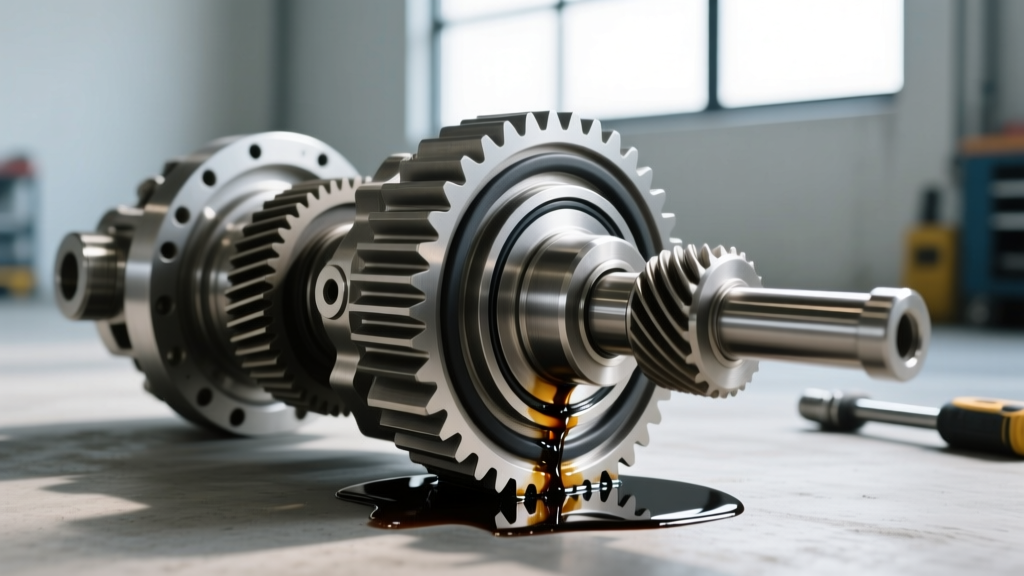
Differential noise diagnosis is one of the most misunderstood disciplines in drivetrain mechanics. By 2026, with the widespread adoption of ultra-low viscosity synthetic gear oils and tighter NVH (Noise, Vibration, and Harshness) tolerances in modern SUVs and trucks, separating acoustic symptoms from mechanical root causes requires a methodical approach. Often, a catastrophic gear failure begins with a seemingly minor fluid leak. Specifically, a compromised rear differential pinion seal initiates a chain reaction of fluid starvation, bearing degradation, and ultimately, ring-and-pinion misalignment. This guide provides expert-level diagnostic protocols and best practices for identifying, troubleshooting, and correcting differential noise linked to seal failures and internal wear.
Decoding Acoustic Signatures: Whine vs. Rumble vs. Chatter
Before tearing down the axle, a technician must accurately map the noise profile. Differential noises are load-dependent and speed-dependent. Understanding the difference between gear mesh noise and bearing noise is critical when tracing a leak back to a failing seal.
Drive vs. Coast Whine (Gear Mesh)
A high-pitched whine that changes pitch with vehicle speed (not engine RPM) indicates ring-and-pinion gear mesh issues. If the whine occurs under load (acceleration), the issue typically lies on the drive side of the gear teeth or insufficient backlash. If it whines on coast (deceleration), the coast side is worn, or backlash is excessive. When a rear differential pinion seal leaks severely, the resulting lack of lubrication causes extreme heat, altering the metallurgical properties of the gear teeth and accelerating wear.
Bearing Rumble (The Pinion Starvation Effect)
A low-frequency growl or rumble that shifts in intensity during left or right turns usually points to carrier bearings. However, a constant rumble that worsens under heavy acceleration points directly to the pinion bearings. Because the pinion yoke sits at the front of the axle, a failing rear differential pinion seal allows gear oil to sling forward and out of the housing. As the fluid level drops below the pinion bearing race, the bearings run dry, overheat, and develop micro-spalls on the rollers. This is the exact moment acoustic noise transitions from a fluid leak to a mechanical failure.
Limited-Slip Chatter
A rhythmic clunking or shuddering during tight, low-speed turns is rarely a hard-part failure. In positraction or clutch-type limited-slip differentials (LSD), this chatter indicates depleted friction modifier additives. While not directly caused by a pinion seal leak, if the seal was replaced recently and the differential was not properly refilled with the correct additive package, chatter will ensue.
2026 Diagnostic Matrix: Sound, Condition, and Correction
Use the following matrix to cross-reference driver complaints with physical inspections. For advanced diagnostics, utilize wireless chassis ears or digital NVH accelerometers attached directly to the differential housing to isolate frequencies.
| Acoustic Symptom | Operating Condition | Probable Root Cause | Expert Correction |
|---|---|---|---|
| Low-frequency growl | Constant speed, worsens on load | Pinion bearing spalling due to seal leak/starvation | Replace pinion seal, bearings, crush sleeve; check yoke surface |
| High-pitched whine | Deceleration (Coast) | Excessive backlash or worn coast-side gear teeth | Adjust backlash to 0.006"-0.010"; check gear pattern with compound |
| Clicking / Clunking | Taking off from a stop | Worn pinion yoke splines or loose U-joint straps | Replace yoke; torque U-joint straps to 25-35 lb-ft with Loctite |
| Shudder / Chatter | Tight turns at low speed | Depleted LSD friction modifier | Drain fluid, refill with 75W-90 + OEM friction modifier (e.g., XL-3) |
| Howling | Above 45 MPH, load independent | Pinion bearing preload loss (crush sleeve failure) | Reset pinion bearing preload using inch-pound torque wrench |
The Rear Differential Pinion Seal: Expert Repair Protocol
Replacing a rear differential pinion seal is frequently botched by general mechanics who treat it like a simple engine oil seal. The pinion nut secures the yoke and dictates the pinion bearing preload. If you simply use an impact wrench to remove the nut, swap the seal, and tighten it back down, you will almost certainly over-crush the crush sleeve, destroying the new pinion bearings within 500 miles.
Step 1: Yoke Inspection and the Speedi-Sleeve
The sealing lip of the pinion seal rides on the outer surface of the pinion yoke. Over tens of thousands of miles, the rubber lip cuts a microscopic groove into the steel yoke. If you install a new seal over a grooved yoke, it will leak immediately. According to SKF Automotive Aftermarket guidelines, if a groove is detectable by your fingernail, you must either replace the yoke or install a stainless steel Speedi-Sleeve (e.g., SKF part #99128 for many Ford 8.8 and GM 10-bolt applications) to provide a pristine sealing surface.
Step 2: Marking and Preload Measurement
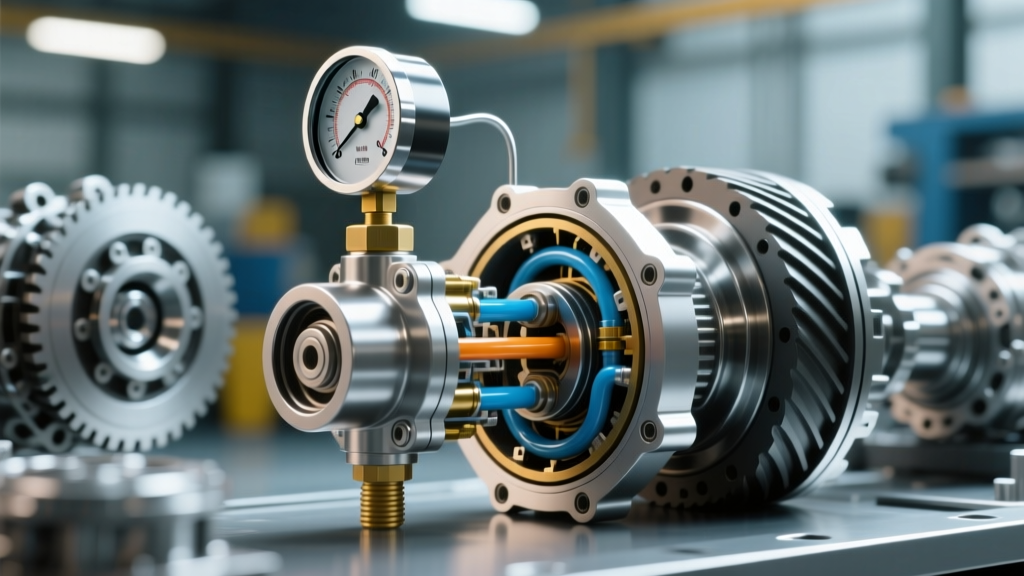
Before removing the pinion nut, mark the exact position of the nut relative to the pinion shaft threads using a paint pen. Count the exact number of threads exposed. When reinstalling, you will tighten the nut back to this exact mark to approximate the original preload. However, the only true professional method is using a beam-style inch-pound torque wrench.
- Used Bearings: Rotating torque should read between 8 and 14 in-lbs.
- New Bearings: Rotating torque should read between 16 and 29 in-lbs.
Step 3: Solid Spacer Upgrades
Many drivetrain experts now recommend eliminating the crush sleeve entirely. Companies featured in Randy's Ring & Pinion Tech Articles frequently endorse using a solid pinion spacer with precision machined shims. This allows you to set the bearing preload perfectly via shim thickness and torque the pinion nut to a high, secure specification (e.g., 250 lb-ft) without the risk of over-crushing and ruining the setup.
Fluid Dynamics: Viscosity, Additives, and Fill Levels
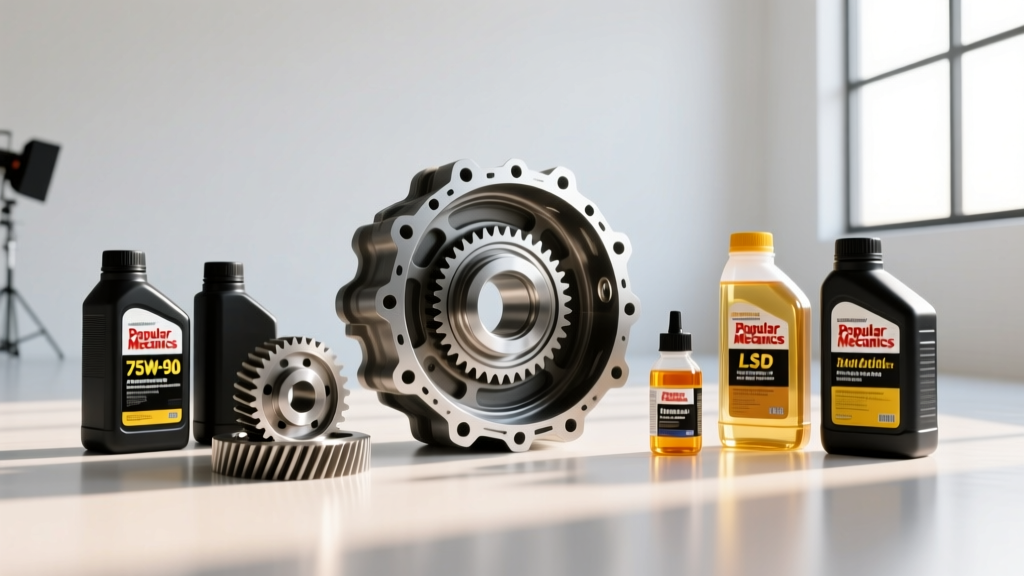
Once the rear differential pinion seal is replaced and preload is verified, the correct fluid must be installed. The era of using generic 80W-90 mineral oil is over. Modern differentials require advanced synthetic formulations to manage the heat generated by aggressive gear ratios (like 3.73:1 or 4.10:1) and locking differential clutches.
Viscosity and Thermal Stability
For most light-duty and heavy-duty truck applications (GM 9.5", Ford 10.5", Dana 60), a full synthetic 75W-90 gear oil (such as AMSOIL Severe Gear or Mobil 1 Synthetic) is the 2026 standard. These fluids maintain their shear stability and film strength even when the differential housing reaches 220°F+ during towing. If you are rebuilding a high-load differential, consult Yukon Gear & Axle Technical Resources for specific break-in fluid recommendations, as some synthetic fluids are too slippery for the initial 500-mile gear seating process.
The Friction Modifier Imperative
If the axle is equipped with a clutch-type limited-slip differential (Ford Traction-Lok, GM Gov-Lok, Auburn LSD), you must add a friction modifier. Failing to add 4 to 8 ounces of an ester-based modifier (like Ford XL-3 or GM ACDelco 10-4016) will result in immediate clutch chatter and premature wear.
Fill Level Best Practice: Do not simply fill until fluid runs out of the fill hole. On many modern axles, the fill hole is located higher than the optimal fluid level for pinion bearing lubrication. Use a dipstick or a bent zip-tie to verify the fluid level sits exactly 0.5 inches below the fill hole, or follow the manufacturer's exact volumetric capacity (e.g., 2.2 quarts for a standard Ford 8.8). Underfilling by even half a quart can lead to pinion bearing starvation on steep inclines.
Preventative Maintenance and Cost Analysis
Catching a rear differential pinion seal leak early saves thousands of dollars. A simple seal replacement (Part numbers like Timken 710984 for GM 10-bolts or National 710181 for Ford 8.8s cost under $15) takes roughly 1.5 hours of shop labor at 2026 rates ($140-$180/hr), totaling around $250.
Conversely, ignoring the leak leads to pinion bearing failure, gear scoring, and total axle replacement. A full ring-and-pinion rebuild kit (bearings, seals, crush sleeve, shims) costs between $150 and $300 in parts, but requires specialized setup tools and 4 to 6 hours of labor, pushing the repair cost well past $1,200. By mastering differential noise diagnosis and addressing fluid leaks at the first sign of gear oil on the driveshaft, you preserve the structural integrity of the drivetrain and ensure a quiet, reliable ride.