Decoding Drivetrain Health: The Acura Differential Fluid Color and Condition Guide
When it comes to maintaining the sophisticated all-wheel-drive systems in Acura vehicles, preventive maintenance is non-negotiable. Whether you are driving a 2026 MDX Type S with Super Handling All-Wheel Drive (SH-AWD) or an older RDX with Variable Torque Management (VTM-4), the lifeblood of your rear axle is its gear oil. While many owners blindly follow mileage intervals, true drivetrain preservation requires understanding Acura differential fluid color and condition. Visual and olfactory inspections of your gear oil can reveal internal wear, clutch degradation, and seal failures long before a catastrophic mechanical breakdown occurs.
In this comprehensive preventive maintenance guide, we will break down exactly what your differential fluid's appearance and smell are telling you, provide OEM part numbers, and outline the precise torque specifications required for a proper inspection and service.
The Baseline: Identifying Fresh Acura Differential Fluids
Before you can diagnose a problem, you must understand what healthy fluid looks like. Acura utilizes specialized fluids that differ significantly from standard 75W-90 hypoid gear oils found in conventional solid-axle trucks. Using the wrong baseline for comparison is a common diagnostic error.
- OEM DPSF (Dual Pump System Fluid): Used primarily in SH-AWD rear differentials and front transfer cases. Part Number: 08200-9007. Fresh DPSF is a translucent, light amber or pale yellow color with a mild, slightly sweet petroleum scent.
- OEM VTM-4 Fluid: Used in older MDX and Pilot models equipped with the VTM-4 rear axle. Part Number: 08200-VTM4. Fresh VTM-4 fluid is slightly darker out of the bottle, presenting as a clear golden-brown, with a distinct friction-modifier odor.
If your dipstick or drain sample matches these profiles, your differential is in excellent mechanical health, and the friction modifiers necessary for the electromagnetic clutch packs are fully intact.
Diagnostic Matrix: Acura Differential Fluid Color and Condition
Pull a sample from the rear differential fill plug using a clean, lint-free shop towel or a fluid extraction syringe. Compare your sample against the diagnostic matrix below to determine the internal state of your axle.
| Visual Condition | Olfactory Clue | Mechanical Meaning | Required Action |
|---|---|---|---|
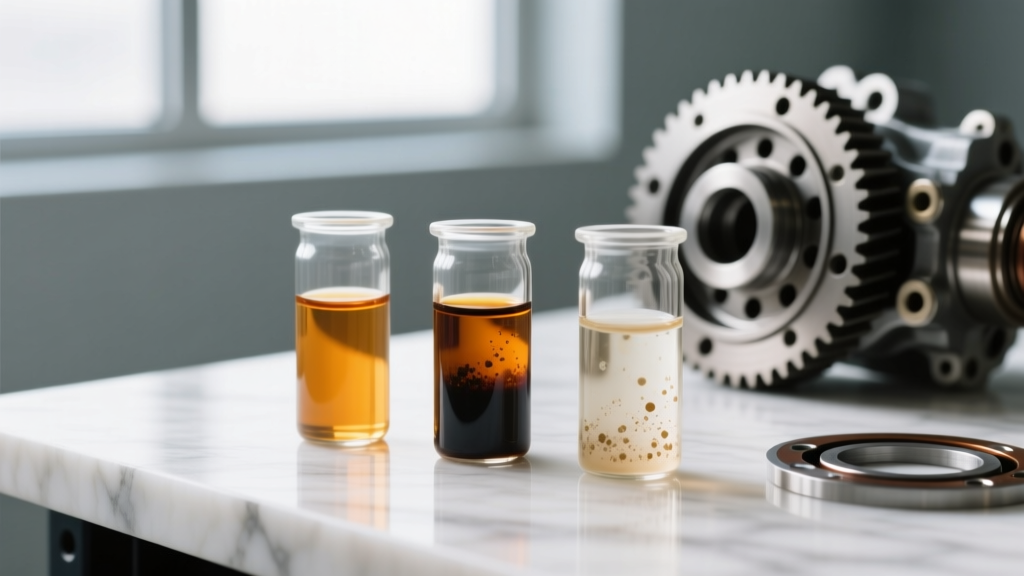
| Translucent Amber / Pale Yellow | Mild, sweet petroleum | Normal. Fluid is healthy; friction modifiers are active. | Reinstall plug. Resume normal interval. |
| Dark Brown / Opaque Black | Burnt toast or acrid sulfur | Severe oxidation. SH-AWD clutch packs are shedding material due to overheating. | Immediate flush. Inspect for clutch slip codes. |
| Milky / 'Chocolate Milk' | Damp, sour, or no distinct oil smell | Water ingress. Emulsification has destroyed the fluid's shear stability. | Flush immediately. Replace axle seals and breather tube. |
| Grey Sludge with Glitter | Heavy metallic / iron scent | Bearing or ring-and-pion gear degradation. Fine metal particulates are suspended. | Drop diff cover (if applicable) or pull axle. Magnetic plug inspection required. |
| Clear but contains black chunks | Normal or slightly burnt | Clutch pack friction material delamination. Common in neglected VTM-4 units. | Fluid flush and filter screen cleaning. Potential rebuild. |
Deep Dive: Dark Brown or Black Fluid (Oxidation and Clutch Wear)
The SH-AWD system relies on wet clutch packs to vector torque laterally across the rear axle. As explained by Car and Driver's technical analysis of the SH-AWD system, these clutches engage and disengage constantly to rotate the outside rear wheel faster than the inside wheel during cornering. This generates microscopic friction material shedding. Over 30,000 miles, this material turns the amber DPSF fluid opaque black. If the fluid smells burnt, the clutches have been slipping due to towing beyond the MDX's 5,000-lb capacity or aggressive track use, breaking down the fluid's viscosity.
Deep Dive: Milky or Emulsified Fluid (Water Ingress)
If your Acura differential fluid resembles a chocolate milkshake, water has breached the housing. This typically occurs when the differential breather tube becomes clogged, disconnected, or submerged during deep water fording. As the differential heats up and cools down, it creates a vacuum that sucks moisture past the axle seals. Emulsified fluid cannot protect hypoid gears or actuate hydraulic clutches, leading to rapid scoring of the ring and pinion.
Deep Dive: Metallic Glitter (Bearing and Gear Wear)
While the drain plug on most Acura rear differentials features a magnet to catch large ferrous shards, fine 'glitter' suspended in the fluid indicates advanced bearing wear or gear tooth spalling. If you see metallic flakes on the dipstick, a simple fluid change will not save the unit. The rear differential will require removal, teardown, and a complete rebuild using new OEM crush sleeves and bearings.
SH-AWD vs. VTM-4: System-Specific Preventive Nuances
Understanding the specific architecture of your Acura's drivetrain is critical when interpreting fluid condition.
VTM-4 Systems (Older MDX, RDX)
The VTM-4 rear differential uses a pair of electromagnetic clutches and a unique planetary gearset. The VTM-4 fluid contains proprietary friction modifiers. If the fluid turns black and loses its specific friction coefficient, the VTM-4 clutches will chatter during tight, low-speed turns (often felt as a shudder or binding sensation in the rear end). Preventive fluid changes every 30,000 miles are vital to replenish these modifiers.
SH-AWD Systems (Current MDX, RDX, TLX)
Modern SH-AWD units, including the high-performance variants in the 2026 Type S lineup, operate under immense hydraulic pressure to actuate the torque-vectoring clutches. The DPSF fluid acts as both a lubricant for the hypoid gears and a hydraulic actuation fluid. If the fluid degrades and forms varnish, the microscopic solenoid valves in the rear drive unit can clog, triggering the dreaded 'SH-AWD Warning' light on the dashboard. According to Acura's official owner resources, maintaining pristine fluid is the only way to prevent solenoid failure.
Step-by-Step Preventive Inspection and Service Protocol
Performing a condition check is best done during a complete drain and fill. Follow this professional protocol to ensure accuracy and safety.
- Preparation: Drive the vehicle for 15 minutes to bring the differential fluid to operating temperature. This suspends particulates and ensures a complete drain.
- Level the Vehicle: Lift the Acura on a four-post lift or jack stands. The vehicle must be perfectly level to ensure accurate fluid capacity.
- The Golden Rule - Fill Plug First: Always break the upper fill plug loose before removing the lower drain plug. If the fill plug is seized and you drain the fluid first, the vehicle is undrivable until the plug is freed.
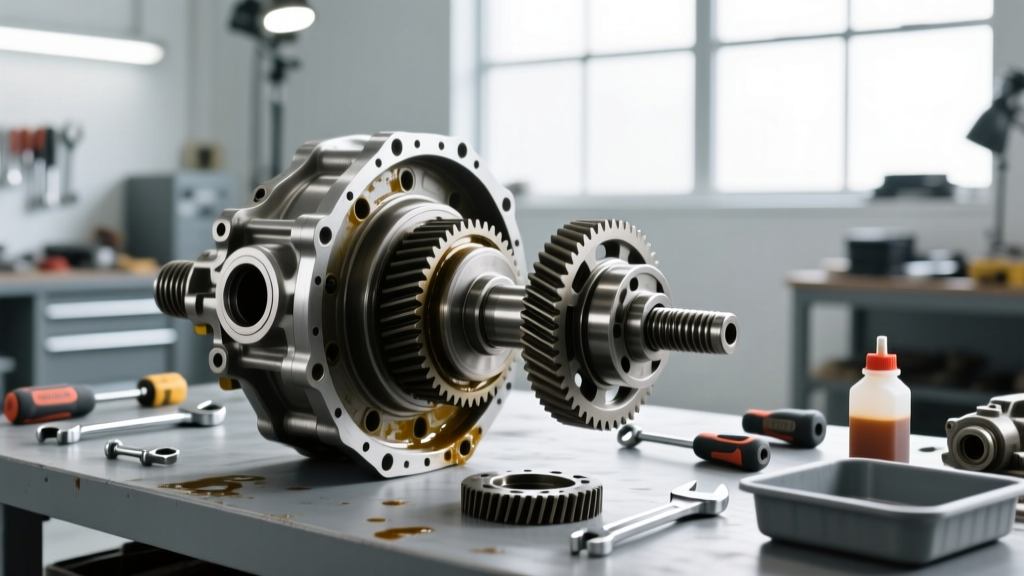
- Drain and Inspect: Remove the drain plug. Wipe the magnetic tip immediately to check for large metal chunks before the fluid washes them away. Catch the fluid in a clean, white drain pan to easily assess the color and condition against the matrix above.
- Replace Crush Washers: Never reuse aluminum crush washers. Install new OEM 14mm crush washers (Part Number: 94109-14000) on both the fill and drain plugs.
- Refill to Capacity: Pump fresh OEM DPSF or VTM-4 fluid until it begins to weep from the fill hole. For most modern SH-AWD rear differentials, capacity is approximately 2.7 to 3.0 quarts.
- Torque to Spec: Torque both the fill and drain plugs to 32 lb-ft (43 Nm) for SH-AWD units, or 29 lb-ft (39 Nm) for VTM-4 units. Do not overtighten, as the aluminum housings strip easily.
Pro-Tip for Techs and DIYers: If you are extracting fluid via a syringe through the fill hole for a quick color check without draining, ensure your extraction tube is pushed to the very bottom of the housing. Fluid near the top may look clean, while heavy water or metallic sludge settles at the bottom of the sump.
Maintenance Intervals and Cost Expectations
Acura's Maintenance Minder system will typically trigger a rear differential service code (Code 5 or specific sub-codes depending on the model year) between 15,000 and 30,000 miles for the first service, and every 30,000 to 60,000 miles thereafter. However, if you frequently tow, drive in mountainous terrain, or track your TLX Type S, you should inspect the fluid color every 15,000 miles.
Service Cost Breakdown (2026 Estimates)
- Dealership Service: Expect to pay between $160 and $240. This includes OEM DPSF fluid, new crush washers, and labor. Dealerships rarely perform a visual 'condition' diagnosis unless you specifically request to see the drain pan.
- Independent Specialist: Typically ranges from $120 to $180. Ensure they use genuine Honda/Acura OEM fluid, as aftermarket 'equivalent' fluids often lack the exact friction modifiers required for SH-AWD clutch actuation.
- DIY Preventive Service: Approximately $45 to $65. You will need 3 quarts of OEM fluid (~$14 per quart via online OEM parts distributors), two 14mm crush washers (~$2 each), and a 3/8-inch drive hex socket.
Conclusion
Ignoring the color and condition of your Acura differential fluid is a costly gamble. The SH-AWD and VTM-4 systems are engineering marvels that rely heavily on the chemical stability of their specialized fluids. By incorporating a visual and olfactory inspection into your preventive maintenance routine, you can catch clutch degradation, water ingress, and bearing wear before they result in a $3,000+ rear drive unit replacement. Pull a sample, check the matrix, and keep your Acura's torque vectoring system operating flawlessly.