Visualizing the Core: What Does a Rear Differential Look Like?
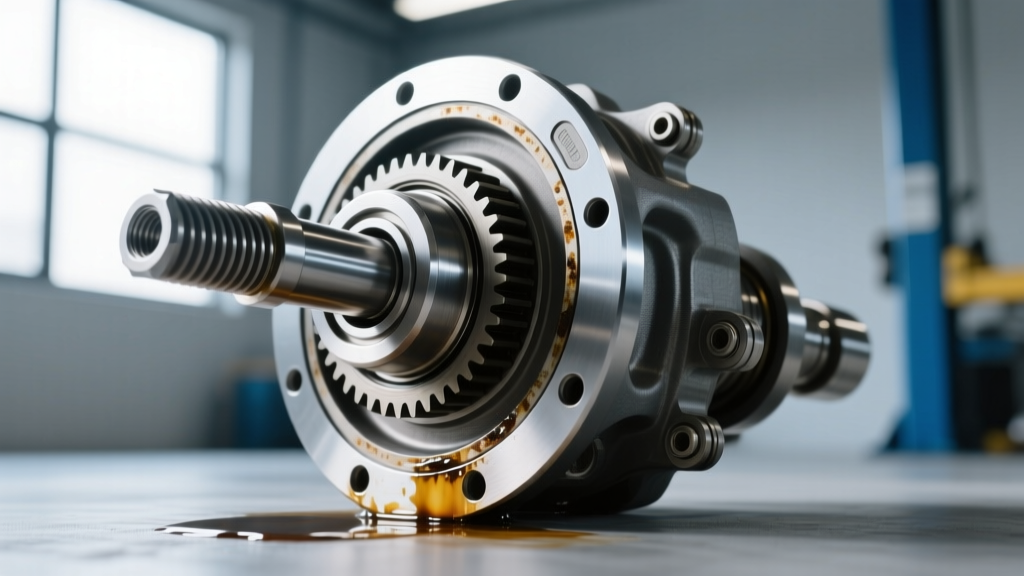
When peering under a truck or SUV, the immediate question for a novice builder is, what does a rear differential look like? Externally, the assembly is defined by a central cast-iron or aluminum housing—often referred to as the 'pumpkin' or third member—flanked by two heavy-duty steel axle tubes. You will see a pinion yoke protruding from the front or rear of the housing (where the driveshaft attaches), a removable stamped-steel or cast-aluminum differential cover, and axle shafts protruding from the backing plates at the wheel ends.
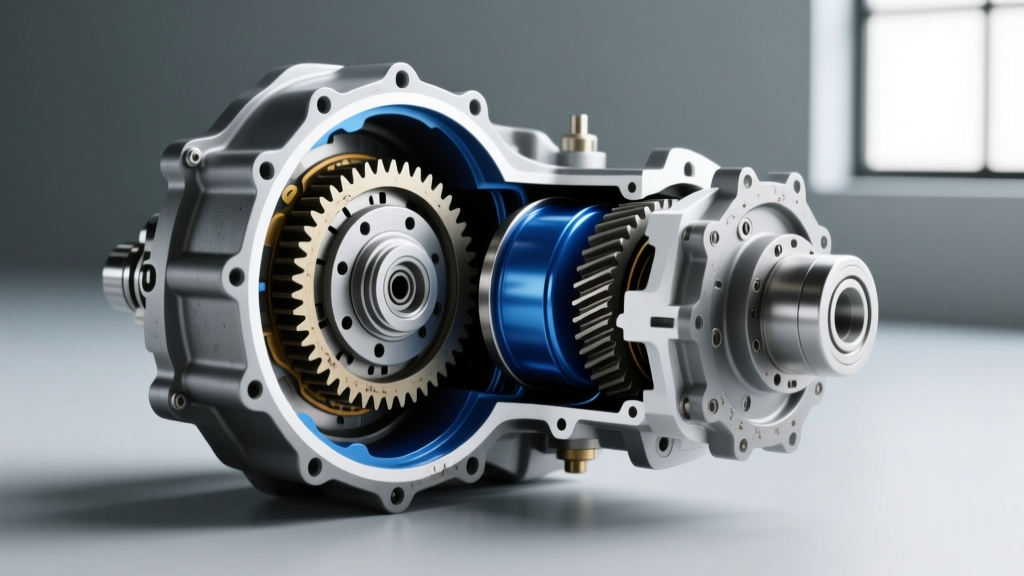
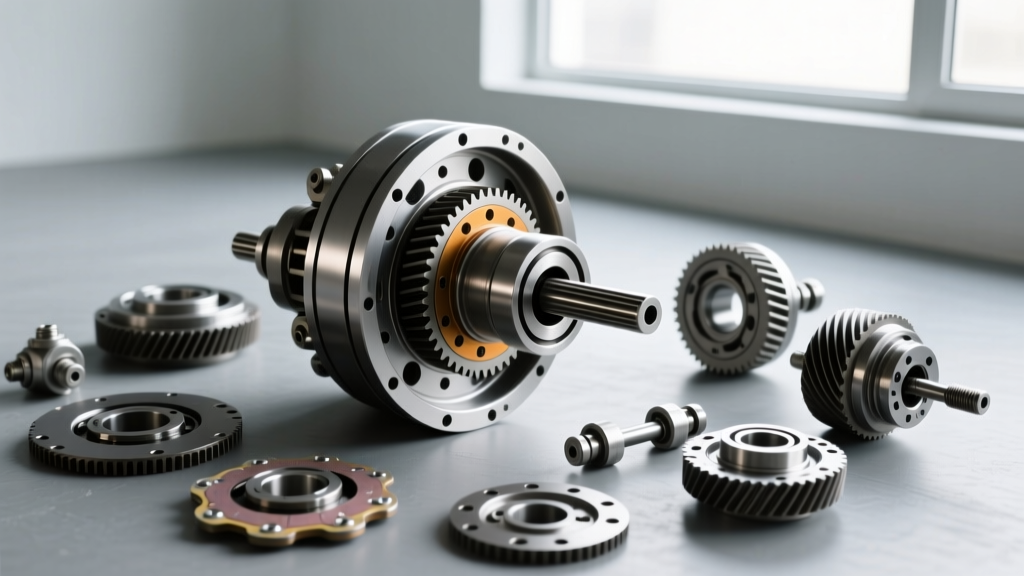
However, for performance and off-road enthusiasts in 2026, the external shell is merely a vault. The real magic—and the primary limitation of factory setups—lies hidden inside. The internal differential carrier is a cast-iron or forged steel cradle that houses the ring gear, the spider (side) gears, and the cross-pin. If your rig rolled off the assembly line with an 'open' carrier, it is engineered to send power to the path of least resistance. In off-road or high-horsepower scenarios, this means one spinning tire while the other sits dead. Upgrading this internal carrier to a locking differential is the single most transformative traction modification you can perform.
The Traction Deficit: Why Open Carriers Fail Off-Road
Before selecting an upgrade, it is vital to understand the mechanical failure points of open differentials. Under extreme binding—such as crawling over a boulder ledge in 4-Low—the spider gears inside an open carrier can jam. The immense torque bypasses the gears and shears the steel cross-pin, sending shrapnel through the ring and pinion gears. Furthermore, open carriers offer zero forward momentum if a single tire loses contact with the ground. To solve this, the aftermarket offers three primary locking solutions, each with distinct mechanical profiles.
1. Automatic Mechanical Lockers (Detroit / Spartan)
Automatic lockers replace the factory spider gears and cross-pin with a set of interlocking dog clutches and heavy-duty coil springs. When driving in a straight line, the axles are 100% locked together. When turning, the outboard clutch disengages, allowing the outer wheel to spin faster (ratcheting) while the inner wheel remains driven.
- Best Application: Dedicated rock crawlers, heavy-duty towing, and budget-conscious trail rigs.
- Notable Part: Eaton Detroit Locker (Part #225SL-19A for Dana 44, 30-spline).
- Street Manners: Notorious for 'bangs' and pops during tight parking lot turns due to the dog clutches engaging and disengaging.
2. Selectable Lockers (ARB Air / OX / Eaton E-Locker)
Selectable lockers represent the pinnacle of modern drivetrain engineering. They function as a standard open differential on the street (ensuring smooth, predictable handling and zero tire chirping) but lock into a solid spool at the push of a button or flip of a lever. According to ARB 4x4 Accessories, their Air Locker uses a pneumatic piston inside the carrier that pushes a clutch ring against the side gears, physically locking the carrier to the axle shaft.
- Best Application: Daily-driven overlanders, weekend trail rigs, and high-speed desert runners.
- Notable Part: ARB Air Locker RD116 (Dana 44, 35-spline upgrade).
- Street Manners: Flawless. Completely invisible to the driver until activated.
3. Spools and Mini-Spools
A full spool completely eliminates the differential carrier and spider gears, replacing them with a solid steel block that permanently locks both axles together. A mini-spool retains the factory carrier but replaces the internal spider gears with a solid steel coupler.
Expert Warning: Never install a full or mini-spool in a front steering axle or a street-driven rear axle. Spools force both tires to turn at the exact same speed in corners, causing severe axle-hop, binding, and eventual snapped axle shafts on high-traction pavement.
2026 Locker Selection Matrix
Choosing the right unit requires balancing budget, installation complexity, and drivability. Below is a comparative framework for the most common 8.8-inch and Dana 44 applications.
| Locker Type | Street Manners | Off-Road Traction | Avg. Cost (2026) | Install Complexity |
|---|---|---|---|---|
| Open (Factory) | Excellent | Poor (1-wheel drive) | $0 (Included) | N/A |
| Automatic (Detroit) | Poor (Ratcheting) | Excellent (100% Lock) | $600 - $750 | Moderate (Drop-in) |
| Selectable (ARB Air) | Excellent | Excellent (100% Lock) | $1,000 - $1,250 | High (Requires air lines/compressor) |
| Selectable (Eaton E-Locker) | Excellent | Excellent (100% Lock) | $950 - $1,150 | Moderate (Electrical routing) |
| Mini-Spool | Dangerous/Binding | Maximum (Track Only) | $150 - $250 | Low (Drop-in) |
Wrenching Specs: Carrier Swaps, Backlash, and Torque
Upgrading to a locking differential is not a simple 'bolt-in' job; it requires precision measurement. When swapping a carrier (especially moving from an open diff to an ARB Air Locker or a Detroit Locker), you are altering the physical dimensions of the carrier bearings and the ring gear mounting surface. Sourcing a high-quality master install kit from reputable manufacturers like Yukon Gear & Axle is mandatory to ensure proper bearing and seal fitment.
Critical Setup Measurements
When installing the new locking carrier and ring gear, you must verify two primary specifications:
- Backlash: The amount of rotational play between the ring gear and the pinion gear. For most street and trail applications (like the Ford 8.8 or GM 10-bolt 8.5'), target backlash is between 0.006' and 0.010'. Use a dial indicator mounted to the axle housing to measure this at three equidistant points around the ring gear.
- Gear Contact Pattern: Using yellow gear-marking compound on the ring gear teeth, rotate the assembly under light braking pressure. The pattern should be centered on the tooth face. A pattern too close to the toe or heel requires adjusting the pinion depth shims.
Essential Torque Specifications
Failure to adhere to torque specs will result in catastrophic drivetrain failure under load. Always use a calibrated torque wrench and fresh hardware.
- Ring Gear to Carrier Bolts (Ford 8.8 / GM 10-Bolt): 85 lb-ft. Critical: Apply Red Loctite 272 to the threads and use new Grade 8 or OEM bolts. Never reuse stretched ring gear bolts.
- Carrier Bearing Cap Bolts (Dana 44): 60 lb-ft. Ensure the caps are installed in their original orientation (most are line-bored at the factory and marked).
- Pinion Nut (Crush Sleeve Axles): 250 to 300 lb-ft. This requires a specialized 4-prong pinion flange holder and a heavy-duty torque multiplier or long breaker bar. Over-tightening will over-crush the sleeve, destroying the pinion bearing preload and requiring a complete teardown.
Gear Oil Protocols for Locked Axles
The type of locking differential you install directly dictates your differential fluid maintenance protocol. This is a common area where builders make costly mistakes.
If your vehicle originally came with a clutch-type Limited Slip Differential (LSD), the factory manual likely calls for a friction modifier additive to prevent the clutches from chattering. However, full locking differentials (Detroit, ARB, Spools) do not contain friction clutches. Adding a limited-slip friction modifier to a locked axle is unnecessary and, in some cases, can reduce the effectiveness of the dog-clutch engagement in automatic lockers.
For severe off-road use, towing, or vehicles running 35-inch tires and larger, step up to a 75W-140 Full Synthetic Gear Oil (such as Amsoil Severe Gear or Lucas Oil Heavy Duty). The higher viscosity provides a thicker hydrodynamic film over the ring and pinion gears, protecting against the extreme shock loads generated when a locked axle suddenly bites into rock or pavement. Always pack the wheel bearings and carrier bearings with the same gear oil during assembly to prevent dry-start scoring.
Final Verdict: Which Locker Should You Choose?
If your rig is a dedicated trail toy or a heavy-duty work truck where tight-turning street manners are irrelevant, the Eaton Detroit Locker remains an indestructible, cost-effective choice. However, for the modern overlander or daily-driven 4x4, the selectable ARB Air Locker or Eaton E-Locker is the undisputed champion. The ability to maintain open-differential steering geometry on the highway, then instantly lock both axles for a technical climb, provides a level of versatility that automatic lockers simply cannot match. Understand your internal carrier anatomy, respect the setup tolerances, and your drivetrain will conquer any terrain.