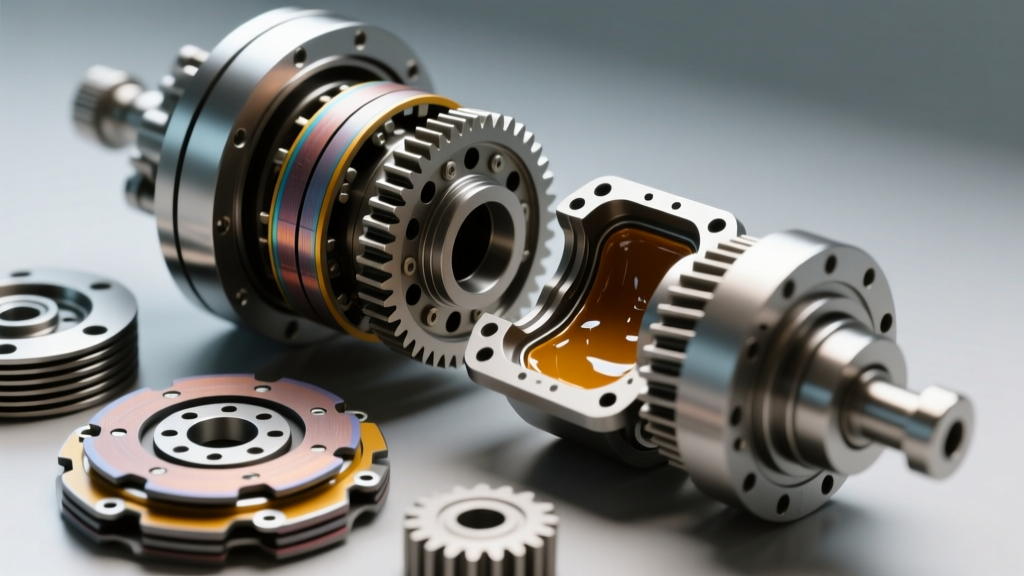
The Diagnostic Pivot: When a Fluid Change Becomes a Rebuild
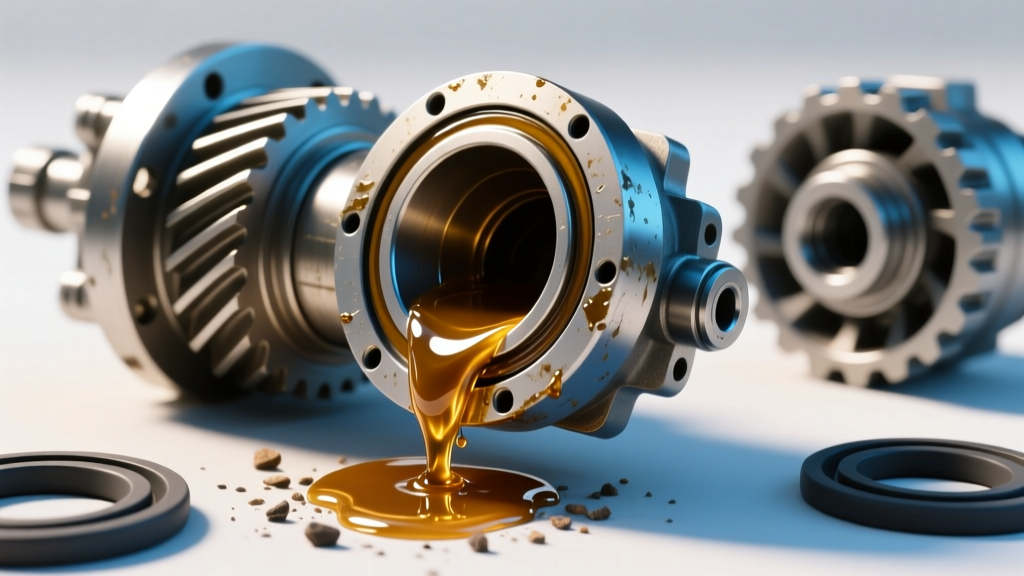
You initially pulled into the shop or lifted your truck in the garage to calculate the cost to replace rear differential fluid, expecting a straightforward $150 service. But after pulling the drain plug, a cascade of glittering metal flakes and a milky, water-logged emulsion tells a vastly different story. In 2026, with the rising complexity of modern drivetrains and the heavy towing demands placed on half-ton and heavy-duty trucks, a simple fluid swap is often the gateway to discovering deeper mechanical faults.
As an automotive drivetrain specialist, I see this scenario daily. A customer comes in for routine maintenance, but the magnetic drain plug is coated in a thick, fuzzy layer of ferrous shavings. This is the universal sign of differential bearing degradation. When the cost to replace rear differential fluid suddenly balloons into a bearing and seal replacement job, understanding the 'why' and 'how' is critical to saving your ring and pinion gears from catastrophic failure.
2026 Cost Breakdown: Fluid Service vs. Full Bearing and Seal Overhaul
Before tearing into the axle housing, it is vital to understand the financial landscape. The pricing below reflects current 2026 national averages for labor and OEM-equivalent aftermarket parts (such as Timken bearings and National seals) for common axles like the Ford 8.8, GM 10-bolt, and Dana 44.
| Service Procedure | Parts Cost | Labor Cost | Total 2026 Estimate |
|---|---|---|---|
| Rear Diff Fluid Change Only | $40 - $85 | $100 - $170 | $140 - $255 |
| Pinion Seal Replacement | $25 - $60 | $250 - $350 | $275 - $410 |
| Axle Shaft Seals (Pair) | $30 - $75 | $300 - $450 | $330 - $525 |
| Full Bearing & Seal Rebuild | $250 - $450 | $600 - $1,100 | $850 - $1,550 |
Note: If the ring and pinion gears show signs of pitting, spalling, or severe edge-loading, a full gear replacement will add $600 to $1,200 in parts and setup labor to the final invoice.
Expert Teardown: Best Practices for Pinion and Carrier Bearings
Replacing differential bearings is not a 'swap and pray' endeavor. It requires precision measurement and an understanding of preload dynamics. If you are stepping beyond the standard cost to replace rear differential fluid and moving into a rebuild, adhere to these expert protocols:
1. The Crush Sleeve Dilemma
Most light-duty axles (Ford 8.8, GM 8.5/8.6, Dana 44) use a crush sleeve to establish pinion bearing preload. Never reuse a crush sleeve. Once compressed, the metal yields and cannot provide consistent tension upon re-torquing. For high-horsepower or heavy-towing applications, I highly recommend installing a solid pinion spacer kit with shims (such as the Ratech 4100 for the Ford 8.8). This eliminates the risk of over-crushing the sleeve and ruining your new Timken M88048 pinion bearings.
2. Measuring Rotational Preload
You cannot set pinion preload by simply tightening the nut to a 'feels right' torque spec. You must use a beam-style or dial inch-pound torque wrench to measure rotational drag.
- Ford 8.8-inch: Target 8 to 14 inch-pounds of rotational preload (with the carrier removed and seals dry).
- GM 10-bolt (8.5/8.6 ring gear): Target 10 to 20 inch-pounds.
- Dana 44: Target 14 to 19 inch-pounds.
To achieve this on a crush sleeve axle, you tighten the pinion nut in small increments (typically 160 to 250 lb-ft of nut torque), checking the rotational drag after every 10 lb-ft of nut torque. If you overshoot the preload, the crush sleeve must be discarded and replaced.
3. Carrier Bearing Preload and Backlash
When pressing new Timken SET 10 carrier bearings onto the differential case, use a hydraulic press and the appropriate bearing race tube. Never press on the bearing cage. Backlash should be set between 0.006 and 0.010 inches, measured at three equidistant points on the ring gear using a dial indicator. According to Yukon Gear & Axle Technical Support, varying backlash across the gear indicates a warped carrier case or improper bearing seating, which will lead to premature gear whine.
Seal Installation Masterclass: Avoiding the 'Comeback'
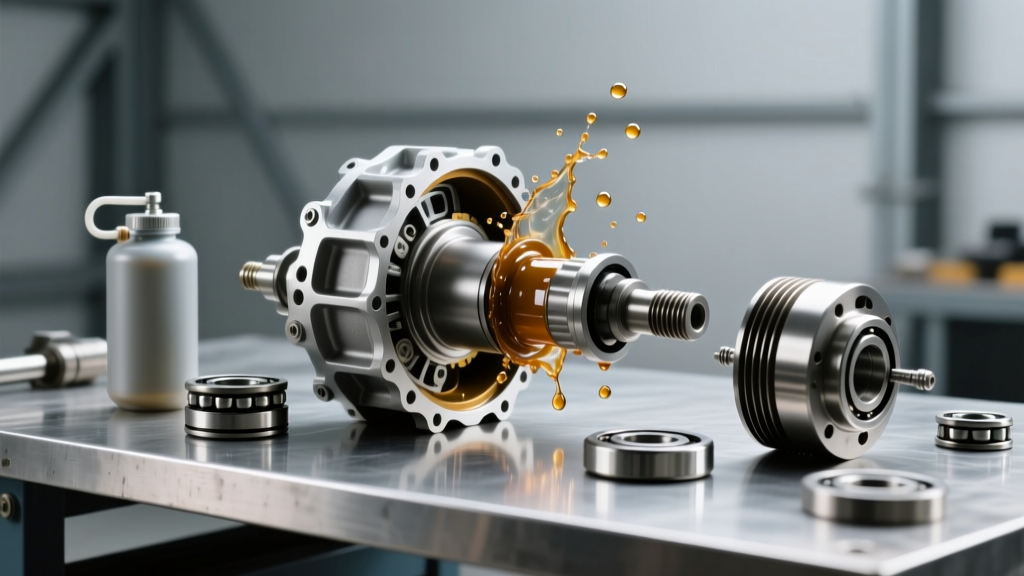
A leaking pinion or axle seal is the most common reason owners investigate drivetrain maintenance. However, simply prying out the old seal and hammering in a new National 8660S (Ford 8.8 pinion seal) is a recipe for a quick comeback. Here is the professional methodology for seal installation:
Pro-Tip: The Slip Yoke Inspection
Before installing a new pinion seal, inspect the slip yoke (the part of the driveshaft that slides into the pinion). High-mileage trucks often develop a wear groove or rust pitting on the yoke sealing surface. If you install a brand-new seal over a pitted yoke, it will leak within 500 miles. Polish the yoke with emery cloth, or if the groove is deep, replace the yoke or install a speedi-sleeve repair kit.
Step-by-Step Seal Driving Technique
- Clean the Bore: Use brake cleaner and a lint-free shop towel to remove all old RTV, rust, and debris from the axle tube or pinion housing bore.
- Lubricate the Lip: Coat the inner rubber lip of the new seal with the exact same gear oil you will be filling the differential with. Do not use multi-purpose grease; grease can cause a 'dry startup' scenario where the seal lip burns against the yoke before the gear oil splashes up to it.
- Use a Proper Driver: Never use a hammer and socket. Use a dedicated seal driver tool (like the Lisle 14900 or OEMTOOLS 27150) that contacts the outer metal rim of the seal evenly. Drive it in until it is perfectly flush with the axle housing face.
Gear Oil Selection and Break-In Procedures
Once the bearings are preloaded and the seals are seated, the final step is fluid selection. The AMSOIL Synthetic Gear Lube Guide highlights the importance of matching the fluid viscosity to the operational demands of the vehicle. For most modern daily drivers and light tow rigs, a full synthetic 75W-90 API GL-5 gear oil provides the best balance of cold-weather flow and high-temperature shear stability. For heavy-duty towing (e.g., Ford F-250s with Dana 60s or GM 2500HDs with AAM 11.5 axles), step up to a 75W-140 synthetic.
The Limited-Slip Additive Rule
If your rear end features a clutch-type limited-slip differential (LSD) like the Ford Trac-Lok or Auburn Gear LSD, you must add a friction modifier (such as Ford XL-3 or GM 88900401) during the fill process. Failure to do so will result in severe clutch chatter during low-speed turns. Conversely, if your vehicle uses a torque-biasing gear-driven LSD (like a Torsen or Detroit Truetrac), no friction modifier is required or recommended, as these units rely on gear mesh friction rather than clutch packs.
Final Thoughts on Drivetrain Longevity
While the initial cost to replace rear differential fluid is minimal compared to a full drivetrain overhaul, that routine service is your best diagnostic tool. By paying attention to the condition of the drained fluid and the magnetic plug, you can catch bearing wear before it destroys a $1,500 ring and pinion set. Whether you are swapping out a weeping axle seal in your driveway or performing a full bearing preload setup in the shop, precision, proper tooling, and adherence to torque specs are the hallmarks of a lasting repair.