Spotting a puddle of thick, sulfurous-smelling gear oil on your driveway is a universal automotive dread. If you suspect your differential fluid leaking is more than just a surface sweat, immediate action is required. In 2026, with the rising cost of replacement ring and pinion sets and shop labor rates averaging $140 to $195 per hour, ignoring a minor seal weep can escalate into a catastrophic bearing failure. A differential relies on a precise film of extreme-pressure (EP) gear oil to keep the hypoid gears and carrier bearings from welding together under immense shear forces. When that fluid escapes, the clock starts ticking on your drivetrain.
This preventive maintenance guide breaks down the exact costs, failure modes, and technical specifications you need to address a differential fluid leaking issue before it destroys your axle assembly.
The True Cost of a Differential Fluid Leak (2026 Pricing Breakdown)
The cost to repair a leak varies wildly depending on the failure point. A simple cover reseal is a beginner-friendly DIY job, while a pinion seal replacement requires specialized torque tools and an understanding of gear preload. Below is the current 2026 national average pricing for professional service on standard light-duty truck and SUV solid axles (e.g., Ford 8.8-inch, GM 9.5-inch, Dana 44).
| Leak Source | Part Cost (OEM/Premium) | Average Labor Time | Estimated Total Cost |
|---|---|---|---|
| Pinion Seal Replacement | $18 - $45 | 1.5 - 2.5 Hours | $230 - $530 |
| Axle Shaft Seal (Per Side) | $12 - $35 | 1.0 - 2.0 Hours | $150 - $425 |
| Differential Cover Reseal | $15 - $30 (Gasket/RTV) | 0.8 - 1.2 Hours | $125 - $265 |
| Axle Breather Valve Replacement | $5 - $15 | 0.2 Hours | $35 - $55 |
| Full Rebuild (If Run Dry) | $450 - $900 (Master Kit) | 6.0 - 10.0 Hours | $1,300 - $2,850 |
Diagnosing the Source: Where is the Fluid Escaping?
Before throwing parts at the axle, you must clean the housing with brake cleaner and identify the exact origin of the differential fluid leaking. Gravity and wind will disguise the true source once the vehicle is in motion.
1. Pinion Seal Leaks (The Most Common Culprit)
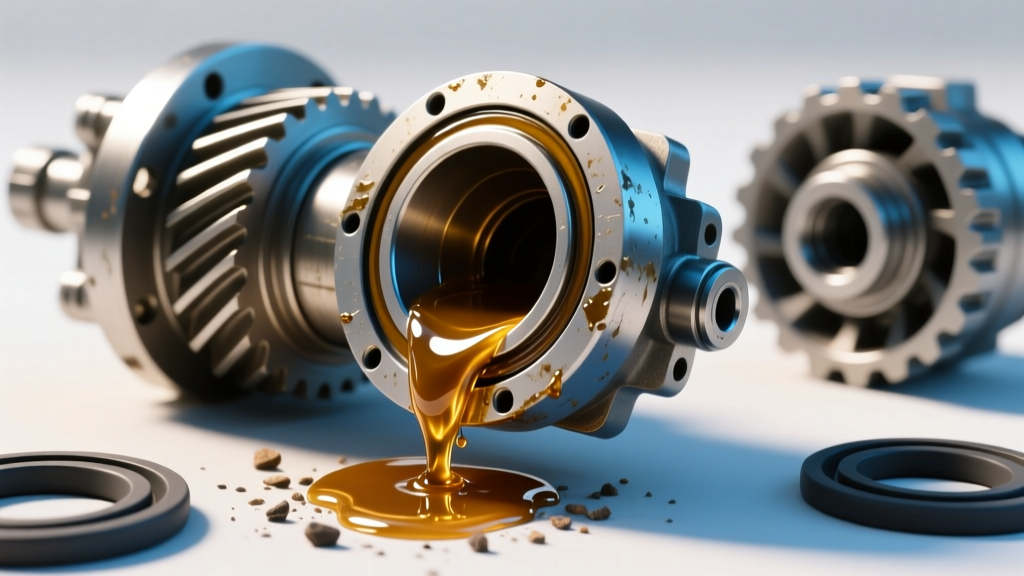
The pinion seal sits behind the driveshaft yoke and prevents oil from escaping the nose of the differential. Over time, the rubber lip hardens from thermal cycling, or the sealing surface on the yoke develops a microscopic groove from friction.
Technical Insight: If you are replacing a pinion seal, you must address the yoke surface. According to SKF Automotive Seals, installing a Speedi-Sleeve (such as SKF part 99187 for many standard 1310/1350 yokes) provides a brand-new, mirror-finish sealing surface without requiring a complete yoke replacement. Furthermore, removing the pinion nut requires a heavy-duty 1/2-inch or 3/4-inch impact wrench, as factory torque specs often exceed 250 ft-lbs. When reinstalling, you must measure rotating preload with an inch-pound torque wrench. For example, a Ford 8.8-inch with a solid spacer upgrade requires 8-14 inch-pounds of rotating preload, while a GM 9.5-inch 14-bolt typically targets 20-30 inch-pounds.
2. Axle Shaft Seal Failures
If you find fluid coating the inside of your brake rotors or drums, the axle shaft seals have failed. This is particularly dangerous because gear oil contaminating brake friction material will cause a severe loss of stopping power. Premium replacement seals from manufacturers like Timken feature PTFE (Teflon) lips that run cooler and seal better against minor axle shaft pitting than traditional nitrile rubber seals.
3. Differential Cover and RTV Blowouts
Many enthusiasts overtighten differential cover bolts, warping the stamped steel pan and creating channels for oil to escape. If your differential fluid leaking originates here, abandon cheap cork gaskets and black RTV silicone. Upgrade to a reusable, O-ring-sealed gasket like the LubeLocker series, which guarantees a leak-free seal without the risk of silicone beads breaking off and clogging the oil pickup tube inside the housing.
Preventive Maintenance: Stopping Leaks Before They Start
As a core tenet of drivetrain preventive maintenance, fixing a leak is only half the battle. You must understand why the seal failed to prevent the new one from blowing out in another 10,000 miles.
The Hidden Danger of Clogged Axle Breathers
The number one cause of premature pinion and axle seal failure is a clogged differential breather valve. As the differential operates, gear friction heats the housing and the air inside to temperatures exceeding 200°F (93°C). This thermal expansion drastically increases internal air pressure. The breather valve is designed to vent this pressure. However, off-road vehicles, winter drivers, and lifted trucks frequently submerge or pack these vents with mud and road grime.
Pro-Tip: If the breather clogs, the expanding hot air has nowhere to go. It will push past the weakest point—usually the pinion seal lip—forcing gear oil out onto your driveway. When the axle cools, it creates a vacuum that sucks in water and debris. Always route a remote breather line up into the engine bay or bed of the truck if you traverse water or deep snow.
Fluid Shear Stability and Thermal Breakdown
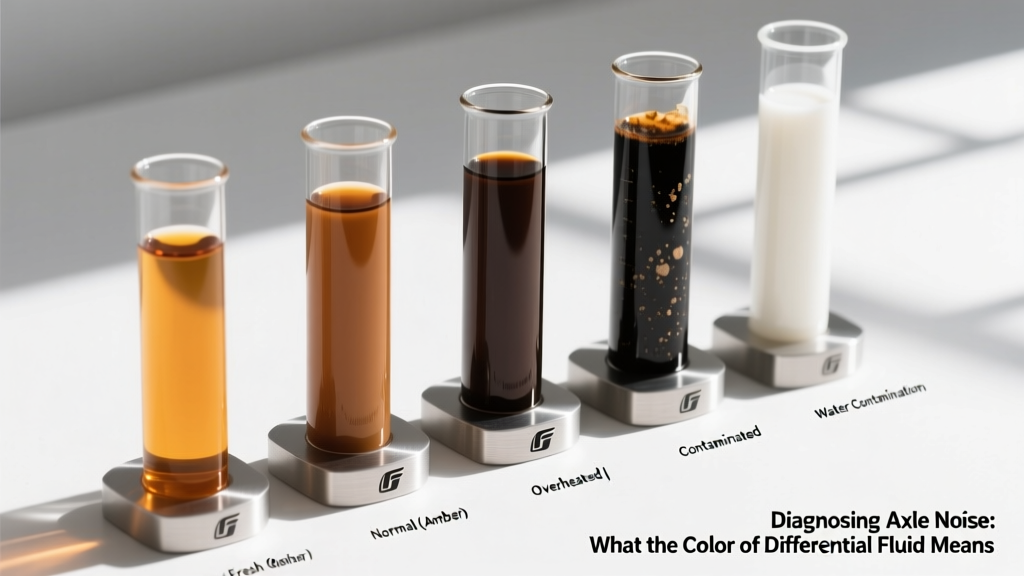
Not all gear oils are created equal. Conventional 80W-90 mineral oils suffer from severe viscosity shear under the extreme sliding friction of hypoid gears. By 50,000 miles, the fluid can thin out, increasing operating temperatures and accelerating the degradation of your rubber seals.
Upgrading to a high-quality synthetic like Red Line 75W-90 Synthetic Gear Oil or Amsoil Severe Gear provides superior shear stability. Synthetic esters maintain their protective film strength at high temperatures, keeping the differential running cooler and preserving the elasticity of your rubber lip seals. Note: If your vehicle is equipped with a clutch-type limited-slip differential (LSD), ensure you add the required friction modifier additive to prevent chatter and clutch pack destruction.
Proper Fluid Level Verification
Overfilling the differential is a common DIY mistake that leads to differential fluid leaking. The correct fluid level is not 'until it pours out the fill hole on lifted vehicles.' The level should be exactly even with the bottom of the fill plug hole when the vehicle is sitting on level ground. If the vehicle is lifted and the axle hangs at full droop, the fluid level dynamics change, and filling to the plug can result in an overfilled axle once it sits back on its tires, leading to immediate breather and seal blowouts.
When to Seek Professional Drivetrain Service
While swapping a differential cover gasket or an axle shaft seal is well within the capabilities of a weekend wrench, pinion seal replacements carry inherent risks. If you do not own an inch-pound torque wrench to verify gear mesh preload, or if you are dealing with a crush-sleeve setup that requires precise, massive torque to crush the sleeve to spec, it is highly recommended to seek a professional drivetrain shop. Incorrect pinion preload will result in rapid bearing failure, gear whine, and ultimately, a shattered ring and pinion set—a mistake that turns a $250 seal job into a $2,500 axle rebuild.
Summary
Ignoring a differential fluid leaking issue is a gamble you will eventually lose. By diagnosing the exact source, upgrading to premium PTFE seals and synthetic lubricants, and ensuring your axle breather is flowing freely, you can protect your drivetrain investment for hundreds of thousands of miles. Stay ahead of the leak, and your differentials will stay quiet, cool, and reliable on the road and the trail.