Preventive Maintenance for the AAM 11.5 Axle
Heavy-duty trucks operate under extreme mechanical and thermal stress, making the drivetrain's lubrication system a critical focal point for preventive maintenance. For owners of the Ram HD platform, understanding the health of your axle lubricant goes far beyond simply adhering to a mileage interval. By analyzing differential fluid color and condition, you can diagnose internal wear, seal failures, and thermal degradation long before a catastrophic ring-and-pinion failure occurs. As of 2026, synthetic gear oil formulations offer exceptional baseline protection, but the extreme towing capacities of modern trucks still demand rigorous visual and olfactory inspections during every service interval.
Decoding Differential Fluid Color and Condition
The color, texture, and smell of your gear oil are direct indicators of the chemical and mechanical environment inside the axle housing. The American Petroleum Institute (API) classifies heavy-duty axle lubricants under the API GL-5 specification, which relies on sulfur-phosphorus extreme pressure (EP) additives. When these additives deplete or the base oil oxidizes, the fluid's physical characteristics change dramatically.
| Fluid Appearance | Odor / Texture | Diagnostic Meaning | Required Action |
|---|---|---|---|
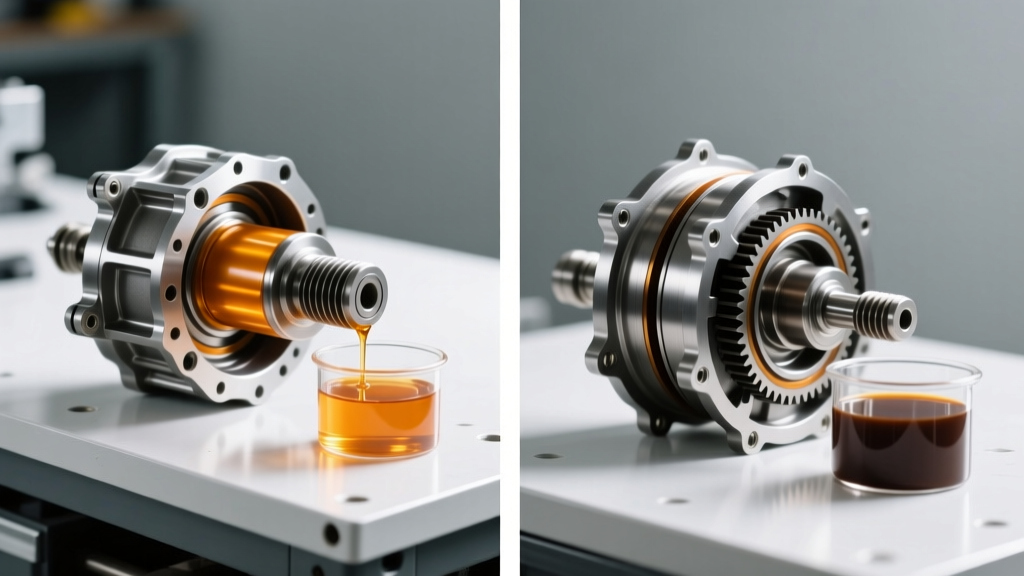
| Clear / Golden Amber | Mild sulfur smell, smooth | New or excellent condition. Additives are fully active. | None. Reinstall fill plug and monitor. |
| Dark Brown / Opaque | Sharp burnt smell, thin | Thermal oxidation from heavy towing or high ambient temps. | Immediate fluid flush. Inspect for dragging brakes. |
| Black / Sludgy | Acrid, burnt, thick sludge | Severe overheating. Base oil carbonization and additive failure. | Flush immediately. Inspect pinion bearing for heat bluing. |
| Milky / Chocolate Brown | Musty, frothy, emulsified | Water intrusion. Axle submerged or breather tube failure. | Flush twice. Replace axle seals and upgrade breather tube. |
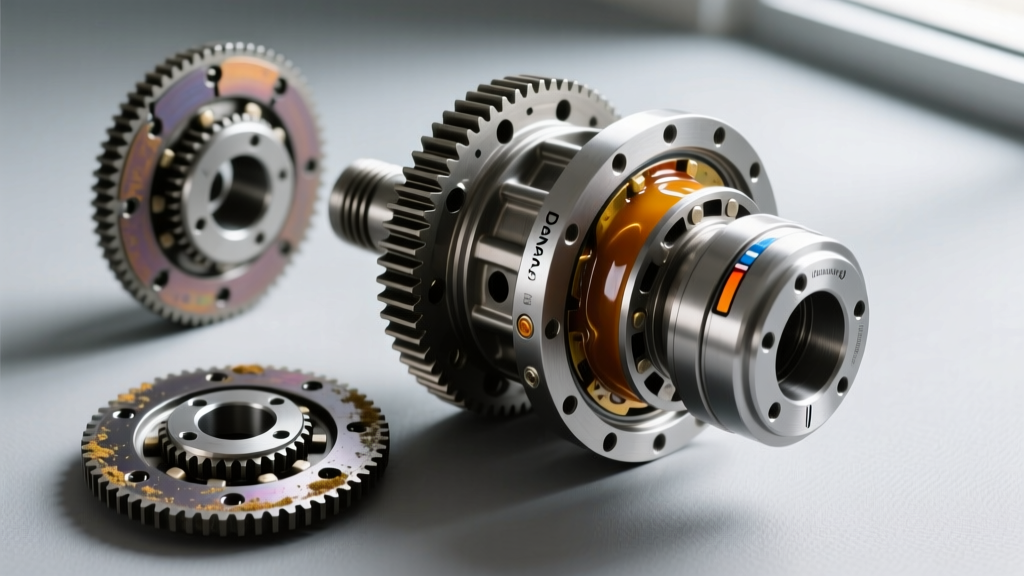
| Glitter / Metallic Flakes | Gritty between fingers | Active mechanical wear. Ring/pinion gear spalling or bearing failure. | Drop cover, clean housing. Magnetic plug analysis required. |
Verifying the 2016 Ram 2500 Rear Differential Fluid Capacity
When planning your service, knowing the exact 2016 Ram 2500 rear differential fluid capacity is critical to purchasing the right amount of lubricant and ensuring the housing is filled to the correct level. The vast majority of 2016 Ram 2500 models are equipped with the robust American Axle & Manufacturing (AAM) 11.5-inch rear axle.
- AAM 11.5" Axle Capacity: 74 fluid ounces (approx. 2.2 liters or 2.3 quarts).
- Fluid Specification: SAE 75W-90 Synthetic API GL-5.
- OEM Part Reference: Mopar 75W-90 Synthetic Gear Lubricant (Part #05083149AC).
Expert Note on Friction Modifiers: Unlike lighter-duty trucks equipped with clutch-type limited-slip differentials (which require friction modifiers to prevent chatter), the AAM 11.5 axle in the 2500 typically utilizes an open differential or an electronic locking differential (eLocker). The eLocker operates via an electromagnetic collar and does not require limited-slip friction modifier additives. Adding unnecessary modifiers can alter the fluid's frictional properties and potentially interfere with the engagement mechanism over time. Always verify your specific RPO/build sheet codes via the Mopar Parts catalog or your VIN decoder before adding aftermarket additives.
The Chemistry of Gear Oil: Why Color Changes Matter
To truly master preventive maintenance, you must understand why GL-5 gear oil turns dark brown or black. The extreme pressure required to protect the hypoid gear set of the ring and pinion is achieved through sulfur-phosphorus compounds. Under normal operating temperatures (150°F to 180°F), these compounds remain stable. However, when towing heavy fifth-wheel trailers up prolonged grades, differential temperatures can easily exceed 250°F.
At these elevated temperatures, the base oil undergoes thermal oxidation. The sulfur-phosphorus additives begin to chemically react with oxygen and moisture, forming acidic byproducts and sludge. This is why severely oxidized fluid smells sharply acrid, almost like rotten eggs mixed with burnt toast. If left unchecked, this acidic sludge will etch the precision-machined surfaces of the pinion bearings and accelerate wear on the carrier assembly.
Water Intrusion and the 'Milky' Emulsion
If your inspection reveals a milky, mayonnaise-like consistency, water has breached the axle housing. This occurs when the axle is submerged in water (such as during boat launching or off-road fording) while hot. The rapid cooling creates a vacuum inside the axle, sucking water past the axle shaft seals or the pinion seal. Furthermore, the factory axle breather tube can become clogged with mud or debris, exacerbating the vacuum effect. When water mixes with GL-5 gear oil, the mechanical churning of the ring gear creates a stable emulsion. This emulsified fluid loses its hydrodynamic film strength, leading to metal-on-metal contact and rapid gear scoring.
Step-by-Step Inspection and Service Procedure
The AAM 11.5 rear axle on the 2016 Ram 2500 generally does not feature a factory drain plug. Therefore, condition inspection requires either using a fluid evacuator pump through the fill hole or removing the 10-bolt differential cover. For a true preventive maintenance inspection, removing the cover is mandatory to inspect the RTV sealant bead, the internal magnets, and the gear teeth.
Hardware and Torque Specifications
When removing the differential cover to inspect the fluid condition, you must properly reseal the housing. While many technicians rely on RTV silicone, the industry standard for 2026 heavy-duty maintenance is the use of a reusable elastomer gasket, such as the LubeLocker AAM 11.5 Gasket. This eliminates cure times and prevents rogue RTV from breaking off and clogging the oil pickup or bearing journals.
- Cover Bolt Size: 13mm (typically 10 bolts on the AAM 11.5).
- Cover Bolt Torque Spec: 35 ft-lbs (47 Nm). Use a star-pattern sequence to ensure even clamping force and prevent housing distortion.
- Fill Plug Torque Spec: 25 ft-lbs (34 Nm). Ensure the threads are wrapped with PTFE tape or coated with a thread sealant if the plug is tapered (NPT).
- Fill Level: Fluid should be level with the bottom of the fill hole threads. If the truck has a suspension lift, the fill volume may slightly exceed the standard 74 oz capacity due to the altered pinion angle; always fill until it weeps from the hole.
Establishing a Condition-Based Maintenance Schedule
While the factory manual may suggest extended intervals for 'normal' driving, a 2016 Ram 2500 used for towing, hauling, or off-road work operates in 'severe' conditions. We recommend extracting a 10ml sample via the fill plug using a syringe every 15,000 miles to check for thermal darkening or metallic particulates. A full cover-removal service should be performed every 30,000 to 40,000 miles. By coupling your knowledge of the exact fluid capacity with a rigorous visual and olfactory diagnostic routine, you ensure the longevity of your AAM 11.5 axle and prevent costly drivetrain downtime.