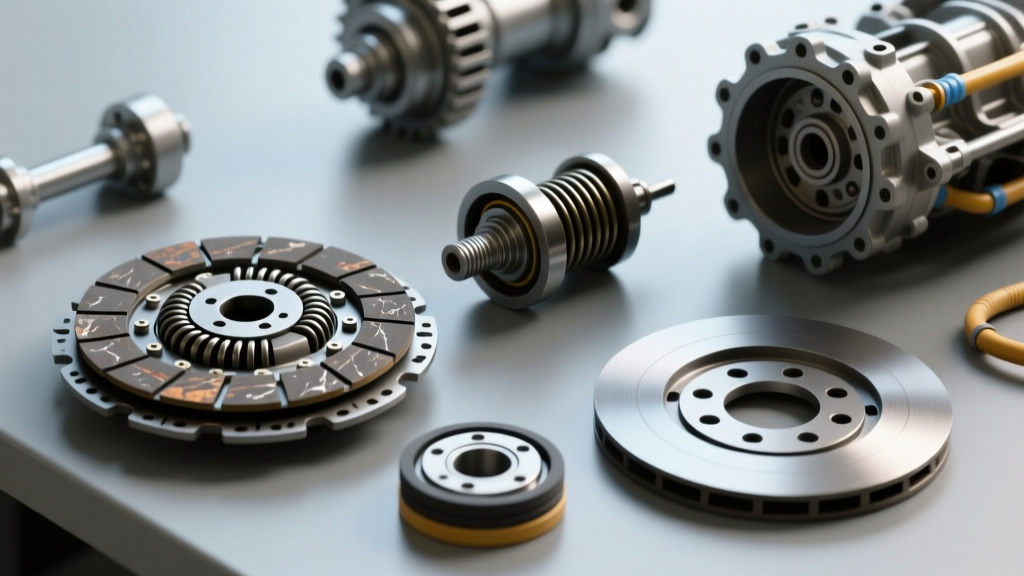
The Olfactory Warning: Decoding PTO Clutch Burns
An acrid, burning smell emanating from a Power Take-Off (PTO) assembly is never a symptom to ignore. Whether you are operating a commercial freightliner with a heavy-duty Chelsea PTO or maintaining agricultural equipment utilizing a Warner Electric electromagnetic clutch, a burning odor indicates immediate thermal degradation. In the drivetrain diagnostics field, identifying the exact origin of this smell—whether it is vaporizing friction material, melting coil varnish, or cooking hydraulic fluid—is the critical first step before you decide to replace PTO clutch components. As of 2026, with the increased integration of high-torque electric PTOs in hybrid commercial vehicles, thermal management and precise air-gap tolerances are more vital than ever.
Thermal Anatomy: Friction Glazing vs. Electrical Meltdown
Before tearing down the driveline, technicians must distinguish between the two primary categories of PTO clutch burns. The olfactory profile provides the first clue:
- Friction Material Burn (Acrid, Carbon-like Smell): Occurs when the clutch disc or armature slips against the mating surface under load. The organic or sintered bronze friction material exceeds its thermal threshold (typically 400°F to 500°F), causing the binding resins to break down and release carbon-heavy smoke.
- Electrical Coil Burn (Sweet, Plastic/Ozone Smell): Specific to electromagnetic PTO clutches. If the magnetic field is insufficient to fully lock the armature, micro-slipping generates immense heat. This heat transfers to the copper windings, melting the insulating varnish and producing a distinct, sharp chemical odor.
"A slipping PTO clutch doesn't just destroy the friction disc; the resulting thermal runaway can warp the output shaft, score the transmission PTO gear, and destroy the pilot bearing. Smell is your earliest, most cost-effective diagnostic tool." — Drivetrain Diagnostics Manual, 2026 Edition
Diagnostic Matrix: Smell Profiles and Immediate Actions
| Odor Profile | Probable Root Cause | Diagnostic Next Step |
|---|---|---|
| Burnt Toast / Carbon | Friction disc glazing, weak hydraulic pressure, or excessive free-play. | Inspect clutch pack wear; measure hydraulic line pressure. |
| Melting Plastic / Ozone | Electromagnetic coil overheating due to wide air gap or voltage drop. | Check air gap with feeler gauge; test circuit voltage under load. |
| Burnt Gear Oil | PTO shaft seal failure; fluid leaking onto hot exhaust or slipping clutch. | Inspect SAE mounting flange for weeping; check fluid levels. |
Electromagnetic PTO Diagnostics: The Air Gap Imperative
For light-to-medium duty applications (e.g., agricultural mowers, snow blowers, and utility trucks), electromagnetic clutches like the Warner Electric 521-Series are industry standards. The most common cause of a burning smell in these units is an out-of-spec air gap.
Measuring and Adjusting the Air Gap
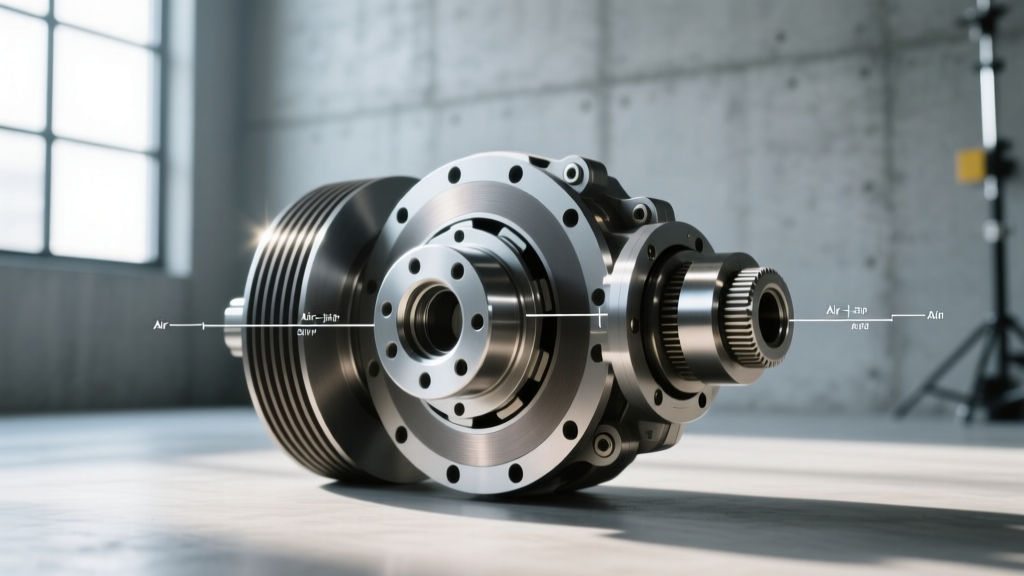
When the clutch is disengaged, the space between the armature and the rotor face is the air gap. Over time, friction wear increases this gap. If the gap exceeds 0.030 inches, the magnetic pull weakens exponentially. The clutch will engage, but it will micro-slip under heavy PTO loads, generating massive friction heat and that tell-tale burning smell.
- Initial Measurement: Use a brass feeler gauge (to avoid magnetic interference) to measure the gap at three equidistant points around the circumference.
- Target Specification: Most 12V/24V electric PTO clutches require an air gap between 0.015" and 0.020".
- Adjustment Protocol: If the gap is too wide, loosen the armature retaining nuts and remove the adjustment shims. Re-torque the nuts to the manufacturer's spec (typically 60 lb-ft for 5/8" hardware) and re-measure.
Multimeter Testing for Coil Degradation
If the air gap is correct but the burning smell persists, the coil itself may be failing. Heat degrades the internal copper windings, altering electrical resistance. Set your multimeter to Ohms (Ω). A healthy 12V Warner Electric coil should read between 2.4Ω and 3.0Ω. If your reading spikes above 4.5Ω or drops below 1.5Ω, the internal varnish has melted and shorted. At this stage, you must replace PTO clutch assemblies entirely, as the coil is rarely serviceable independently.
Heavy-Duty Commercial PTOs: Hydraulic and Manual Clutch Packs
In Class 8 trucks and heavy industrial machinery, PTOs (such as those manufactured by the Chelsea PTO Group or Dana Spicer) utilize internal multi-disc clutch packs engaged by hydraulic pressure or mechanical linkages. A burning smell here indicates that the internal bronze or paper-faced friction discs are slipping inside the oil bath.
Hydraulic Pressure and Shift Collar Wear
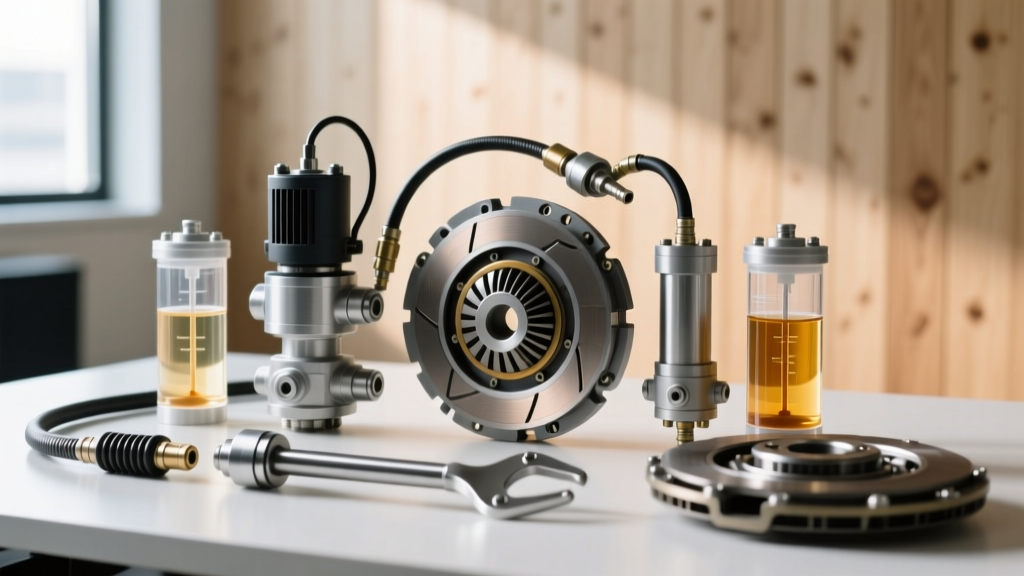
If you smell burning friction material on a hydraulically engaged PTO, the first suspect is inadequate clamping force. Hook up a hydraulic test gauge to the PTO engagement port. For a standard Chelsea 8-bolt SAE pattern PTO, engagement pressure should instantly spike to 250-300 PSI. If pressure bleeds off or fails to reach 200 PSI, the internal piston O-rings have likely blown, or the shift collar is worn, allowing the clutch pack to slip and burn the transmission fluid.
Mechanical Linkage Free-Play
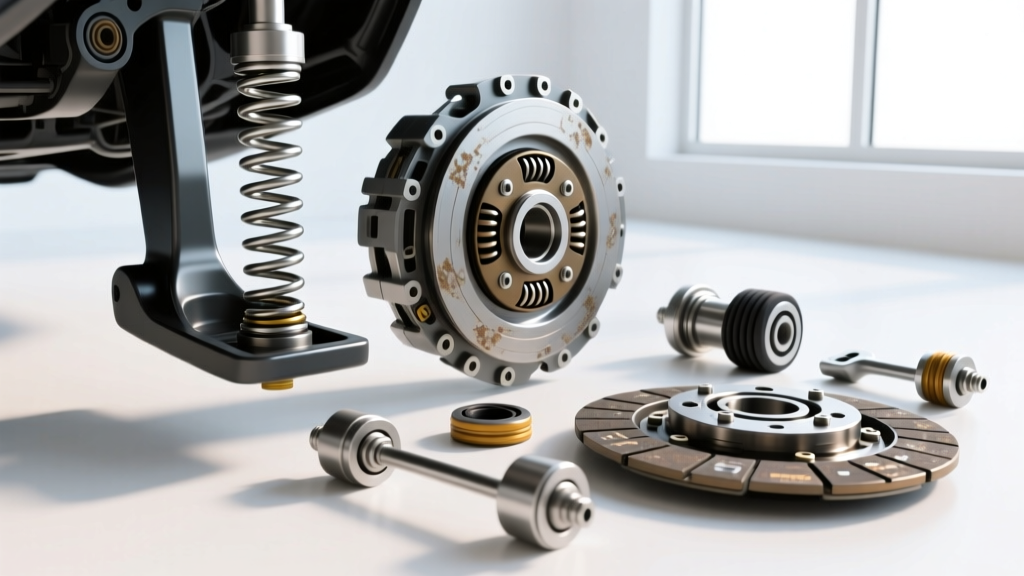
For manually engaged PTOs, improper linkage adjustment is the primary culprit for burnt clutches. The throw-out bearing must have adequate clearance. If the linkage is too tight, the bearing rides constantly against the pressure plate, preventing full clamping force. Verify 1/8" to 3/16" of free-play at the engagement lever before condemning the internal clutch pack.
When Diagnosis Dictates You Must Replace PTO Clutch Assemblies
Diagnosis is only half the battle; knowing the economic and mechanical thresholds for replacement is where senior technicians separate themselves from parts-changers. If your friction discs show deep thermal bluing, or if the armature face is warped beyond 0.005" of runout, rebuilding is no longer viable.
Cost and Part Number Reference Guide (2026 Estimates)
| Equipment Type | Common Part / Series | Failure Mode | Estimated Replacement Cost |
|---|---|---|---|
| Ag / Landscaping (Electric) | Warner Electric 521-101-025 | Coil burnout / Armature warp | $280 - $450 (Complete Unit) |
| Commercial Truck (Hydraulic) | Chelsea 277 Series PTO | Internal clutch pack glazing | $950 - $1,600 (Rebuild Kit & Labor) |
| Industrial / Pump Drive | Twin Disc / Spicer Wet Clutch | Sintered bronze disc delamination | $2,200 - $4,500 (Full Assembly) |
Critical Torque Specifications for Reinstallation
When you replace PTO clutch components or reinstall the PTO onto the transmission, precise torque is non-negotiable to prevent housing warpage and subsequent fluid leaks or gear misalignment.
- SAE 8-Bolt PTO Mounting Bolts (5/8"-11): Torque to 150 - 175 lb-ft in a star pattern. Use a high-temperature thread locker if specified by the OEM.
- PTO Output Flange Yoke Nut: Torque to 250 - 300 lb-ft and stake the nut or install a new cotter pin. Failure to secure this nut will result in catastrophic driveline separation under load.
- Electric Clutch Armature Nuts: Torque to 60 lb-ft. Over-torquing will distort the armature plate, causing uneven air gaps and immediate recurrence of the slipping/burning issue.
Preventative Maintenance to Prevent Future Burns
Once the burning smell is resolved and the new or rebuilt PTO clutch is installed, implement a strict maintenance schedule. For electric PTOs, inspect the air gap every 500 operating hours and clean the mating surfaces with compressed air to prevent debris-induced slipping. For heavy-duty hydraulic PTOs, sample the transmission fluid annually; a high concentration of bronze particulates in the oil analysis is a leading indicator of internal clutch pack wear long before the burning smell ever returns to the cab.