The Fundamentals of Clutch Retention Systems
When enthusiasts and mechanics discuss clutch systems, the conversation often splinters into two entirely different mechanical worlds: manual transmission pressure plates and automatic transmission clutch packs. While both serve the fundamental purpose of engaging and disengaging power transfer, their retention methods, failure modes, and upgrade paths are vastly different. For beginners entering the world of drivetrain rebuilding, understanding these distinctions is critical. In this guide, we will break down the mechanics of manual clutch pressure plate bolt patterns and contrast them directly with the hydraulic retention systems found in heavy-duty automatics, specifically focusing on the notorious 68rfe overdrive clutch pack found in Ram Cummins applications.
Manual Transmissions: Clutch Pressure Plate Bolt Patterns Explained
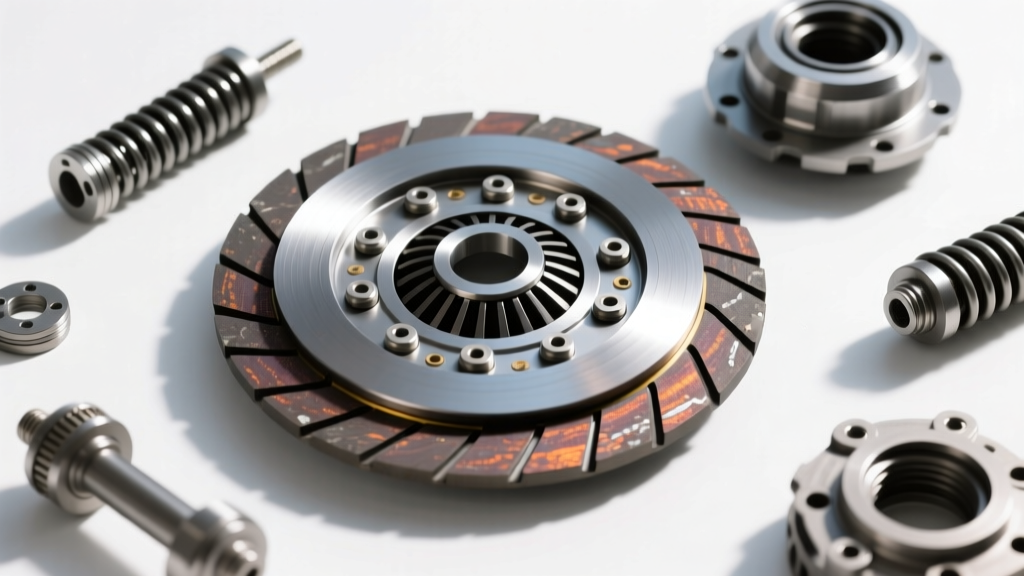
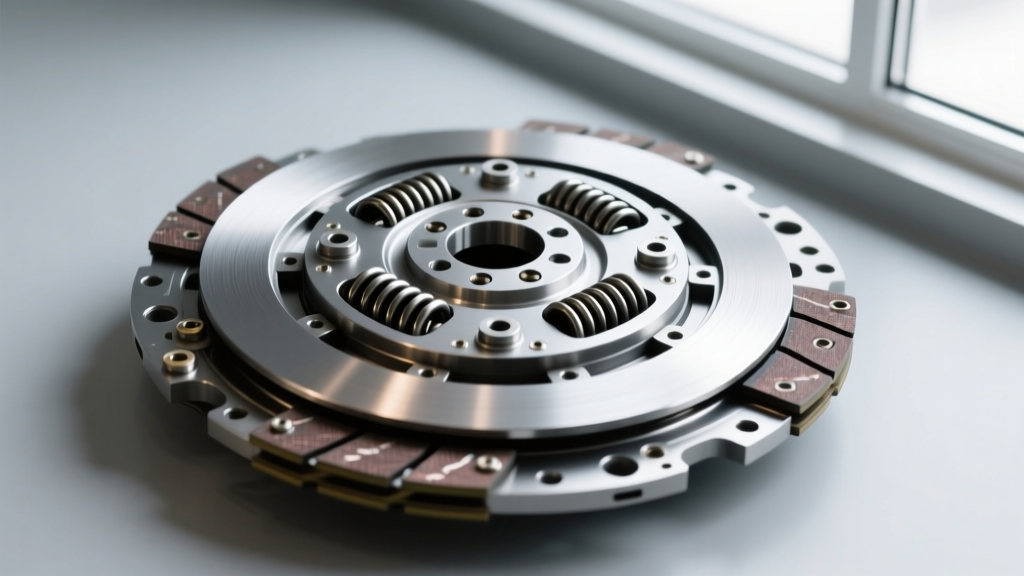
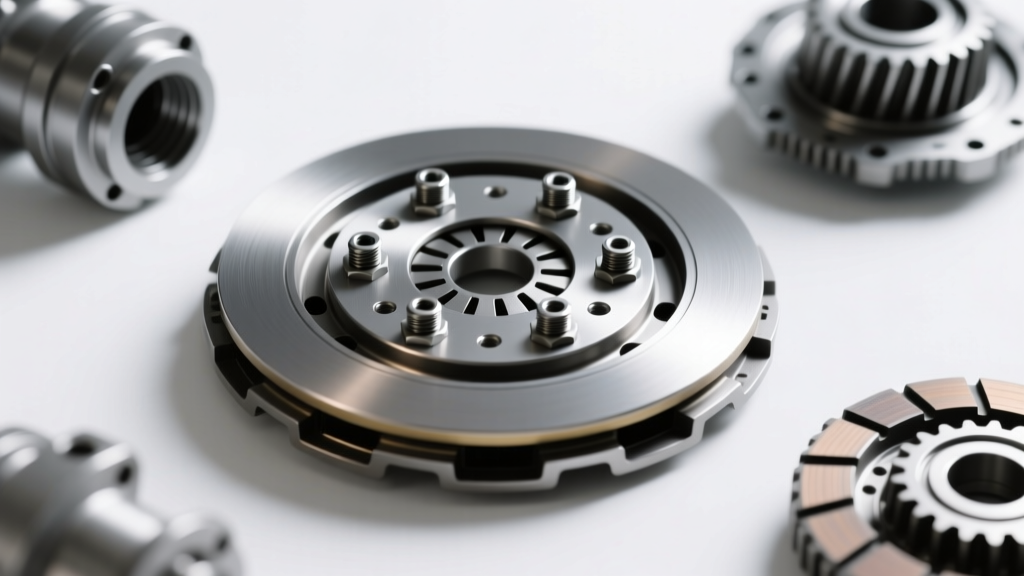
In a manual transmission, the clutch pressure plate is the muscle of the operation. Bolted directly to the engine's flywheel, the pressure plate houses a heavy-duty diaphragm spring that clamps the friction disc against the flywheel's mating surface. Because the entire assembly rotates at engine RPM and must withstand immense torsional shock, the bolt pattern securing the pressure plate is a critical engineering specification.
Common Bolt Configurations and Flywheel Mating
Unlike automatic transmissions that use internal snap rings and hydraulic pistons, manual clutches rely on external fasteners. The bolt pattern is dictated by the engine manufacturer and the specific flywheel casting. Here are the most common configurations you will encounter in the shop:
- GM LS/LT Engines (8-Bolt Metric): The standard for modern GM V8s. These utilize an 8-bolt pattern requiring precise step-height machining on the flywheel to maintain correct diaphragm spring geometry.
- Ford Modular & Coyote (6-Bolt and 8-Bolt): Early 4.6L engines often used a 6-bolt pattern, while modern 5.0L Coyote engines use an 8-bolt metric pattern. Ford is also famous for the legacy 9-bolt pattern found on early 5.0L pushrod engines.
- Chrysler Hemi & Cummins G56 (6-Bolt): Heavy-duty manual applications like the Dodge Ram G56 utilize a robust 6-bolt pattern with larger diameter Grade 10.9 hardware to handle diesel torque.
- Multi-Pattern Flywheels: Many aftermarket manufacturers (like McLeod or Centerforce) machine flywheels with dual-drilled or multi-pattern bolt circles to allow cross-compatibility between different transmission bellhousings and pressure plates.
According to McLeod Racing's technical documentation, proper alignment of the pressure plate relies not just on the bolts, but on the flywheel's dowel pins. These pins ensure the pressure plate is perfectly concentric with the crankshaft, preventing catastrophic vibration and premature release bearing wear.
Automatic Transmissions: Inside the 68RFE Overdrive Clutch Pack
Switching gears to automatic transmissions, we find a completely different architecture. Automatics do not use a single, massive pressure plate bolted to a flywheel. Instead, they utilize multiple multi-disc clutch packs housed inside rotating drums. A prime example of this is the 68RFE transmission, a heavy-duty 6-speed automatic developed by Chrysler and Aisin, commonly paired with the 5.9L and 6.7L Cummins turbo diesels.
The 68rfe overdrive clutch pack is responsible for applying the overdrive gears (4th, 5th, and 6th). Instead of bolts, this clutch pack is retained internally by a thick steel snap ring seated in a groove inside the cast aluminum transmission case or drum. The pack consists of alternating friction discs (lined with specialized paper or Kevlar material) and smooth steel reaction plates.
Why the 68RFE OD Clutch Fails Under Load
When a driver demands high torque in overdrive—such as towing a 12,000-pound trailer up a grade—the 68RFE OD clutch pack is subjected to immense slip and heat. Unlike a manual pressure plate that is either fully clamped or fully released, an automatic clutch pack can 'micro-slip' if hydraulic line pressure is insufficient. This slip generates extreme heat, glazing the friction materials and eventually burning through the steels, resulting in a loss of 5th and 6th gears. As noted by the Automatic Transmission Rebuilders Association (ATRA), tuning the transmission control module (TCM) to increase OD line pressure is a mandatory step when upgrading the 68RFE for heavy towing to prevent this exact failure mode.
Head-to-Head: Pressure Plate Bolts vs. 68RFE Snap Ring Retention
To help beginners visualize the differences between these two clutch retention philosophies, review the comparison table below:
| Feature | Manual Pressure Plate (Bolted) | 68RFE Overdrive Clutch Pack (Automatic) |
|---|---|---|
| Retention Method | Grade 10.9/12.9 Bolts into Flywheel | Internal Steel Snap Ring & Apply Piston |
| Actuation | Mechanical Diaphragm Spring | Hydraulic Fluid Pressure (ATF+4) |
| Primary Failure Point | Friction Disc Wear / Spring Fatigue | Friction Burnout due to Line Pressure Drop |
| Installation Complexity | Moderate (Requires Alignment Tool) | High (Requires Full Transmission Teardown) |
| Hardware Reusability | Bolts (Replace if stretched/yielded) | Snap Rings (Always replace during rebuild) |
Critical Torque Specifications and Installation Protocol
For those working on manual applications, respecting the clutch pressure plate bolt pattern torque specs is non-negotiable. Overtorquing can strip the aluminum threads of a lightweight aftermarket flywheel or warp the pressure plate cover, leading to uneven clamping and severe clutch chatter. Undertorquing will result in the bolts backing out at 6,000 RPM, destroying the bellhousing.
Always follow a criss-cross or 'star' tightening pattern to ensure the pressure plate seats evenly against the flywheel. Here are standard baseline torque specifications for popular platforms (always verify with your specific manufacturer's spec sheet):
- GM LS/LT 8-Bolt: 37 lb-ft (Use medium-strength threadlocker like Loctite 243).
- Ford Coyote 5.0L 8-Bolt: 25 to 35 lb-ft (Sequential star pattern).
- Dodge Cummins G56 6-Bolt: 50 to 60 lb-ft (Heavy-duty diesel application).
- Subaru EJ25 6-Bolt: 29 lb-ft (Ensure flywheel step height is machined to 0.020 inches).
Before installing any manual pressure plate, the flywheel mating surface must be measured for runout. Using a dial indicator, verify that the total indicated runout (TIR) does not exceed 0.005 inches. A warped flywheel will cause the pressure plate bolts to experience cyclical shear stress, eventually leading to catastrophic bolt failure.
Upgrading the 68RFE Overdrive Clutch Pack for Heavy Towing
If you are maintaining a Ram diesel and need to address the 68rfe overdrive clutch pack, simply replacing the factory frictions is rarely enough for modified trucks. The factory OD pack typically utilizes a specific stack-up of standard-thickness frictions and steels. When rebuilding, experts recommend upgrading to high-energy friction materials, such as the Raybestos GPZ or Alto Red Eagle lines.
According to Sonnax transmission engineering resources, increasing the clutch capacity in the 68RFE can be achieved by utilizing thinner steel plates to fit an additional friction disc into the drum, effectively increasing the surface area and torque capacity by up to 25%. Furthermore, replacing the factory cast aluminum apply piston with a billet aluminum or reinforced steel piston prevents the piston from flexing or cracking under the extreme hydraulic pressures required to hold 5th and 6th gears under load.
When assembling the 68RFE OD pack, it is imperative to pre-soak the friction discs in genuine Mopar ATF+4 fluid for a minimum of two hours before installation. Dry-installation of automatic clutch packs will cause immediate glazing and failure upon the first engagement. Finally, ensure the retaining snap ring is fully seated in its groove; a poorly seated snap ring will pop out under hydraulic pressure, instantly dumping the OD clutch and leaving you stranded on the highway.
Summary: Choosing the Right Retention Strategy
Whether you are torquing down an 8-bolt manual pressure plate on a weekend track car or packing a 68RFE overdrive clutch drum for a heavy-duty tow rig, the underlying physics remain the same: clamping force must exceed engine torque. Manual systems rely on the mechanical integrity of bolt patterns, flywheel runout, and diaphragm springs. Automatic systems rely on hydraulic line pressure, snap ring retention, and precise friction stack-ups. By understanding the unique requirements of both systems, you can ensure your drivetrain survives the abuse of the road, the track, and the job site.