The Anatomy of a Predator 212 Manual Clutch Conversion
The Harbor Freight Predator 212cc OHV engine has become the undisputed king of custom go-kart, mini-bike, and mini-truck builds. While centrifugal clutches and torque converters (like the Comet TAV2) are common, serious builders and racers frequently adapt a true manual clutch to the Predator 212’s horizontal crankshaft. This setup usually involves a billet aluminum or steel taper adapter mating the engine’s 3/4-inch (or 7/8-inch for stroker cranks) crankshaft to a multi-plate dry or wet clutch basket sourced from a 125cc dirt bike (such as a Honda CR125) or a specialized competition kart clutch.
Because the Predator 212 was originally designed for industrial applications with simple belt or chain drives, adapting a manual clutch introduces unique drivetrain shock loads and wear patterns. Understanding the specific wear signs and lifespan indicators of a Predator 212 manual clutch conversion is critical for preventing catastrophic crankshaft failure, stranded karts, and degraded lap times. In this 2026 technical deep-dive, we will examine the exact micrometer measurements, failure modes, and maintenance intervals required to keep your manual-swapped Predator 212 performing at its peak.
5 Critical Wear Signs of a Failing Manual Clutch
Unlike automotive clutches that are enclosed in a bell housing, Predator 212 manual clutch setups are often exposed or semi-enclosed, making visual and tactile diagnostics highly effective. Watch for these five primary indicators of clutch degradation:
1. High-RPM Slipping Under Load
If your Predator 212 revs freely but the kart fails to accelerate proportionally under heavy load or on inclines, the friction plates have likely glazed or worn past their service limit. In high-torque, low-gearing kart setups, slipping generates immense heat, rapidly degrading the cork or Kevlar friction material and warping the interleaved steel plates.
2. Spongy or Inconsistent Lever Feel
While a spongy lever can indicate air in a hydraulic master cylinder or cable stretch, it frequently points to pressure plate warping or uneven clutch spring fatigue. If the engagement point wanders or the lever requires significantly less force to pull than when new, the clutch springs have suffered from heat-induced sag.
3. Chatter During Low-Speed Engagement
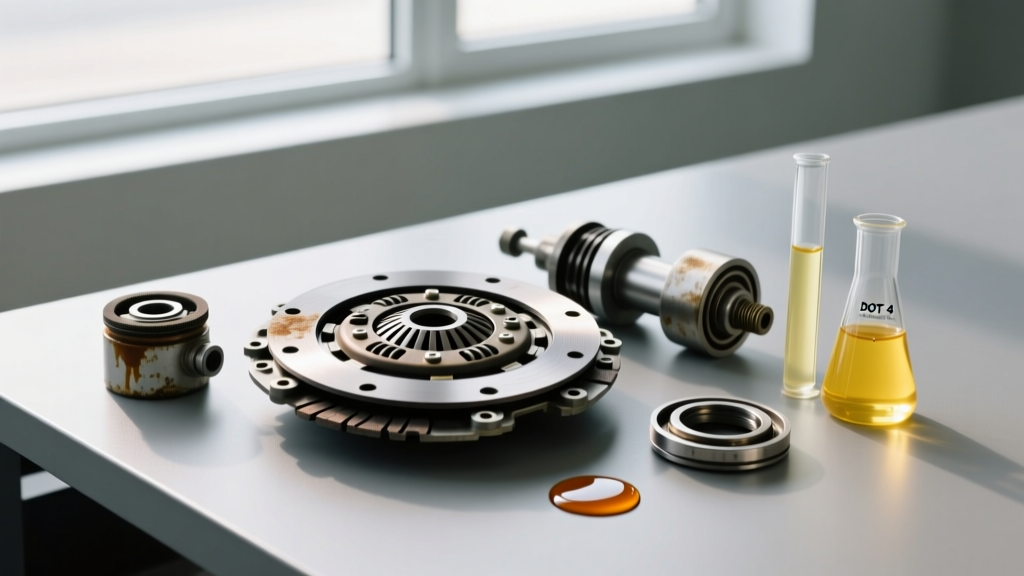
Violent shuddering when releasing the clutch lever at low RPMs is a classic sign of warped steel plates or contaminated friction surfaces. In Predator 212 builds using oil-bath (wet) multi-plate clutches, using the wrong viscosity oil or oil contaminated with engine blow-by can cause the friction material to swell and grab erratically.
4. Difficulty Finding Neutral
If the clutch drags or you cannot easily slot the transmission into neutral while the engine is running, the clutch is not fully disengaging. This is almost always caused by severe notching in the aluminum clutch basket fingers, which prevents the friction plates from sliding freely when the lever is pulled.
5. Crankshaft Keyway Shearing
A uniquely catastrophic sign in Predator 212 conversions is a sheared crankshaft keyway. If the engine revs but the clutch basket does not turn, the 3/16-inch woodruff or square key has failed. This is usually the result of improper torque on the crank adapter nut or severe drivetrain shock loads from dumping the clutch at high RPMs.
Technical Deep-Dive: Measuring Clutch Components
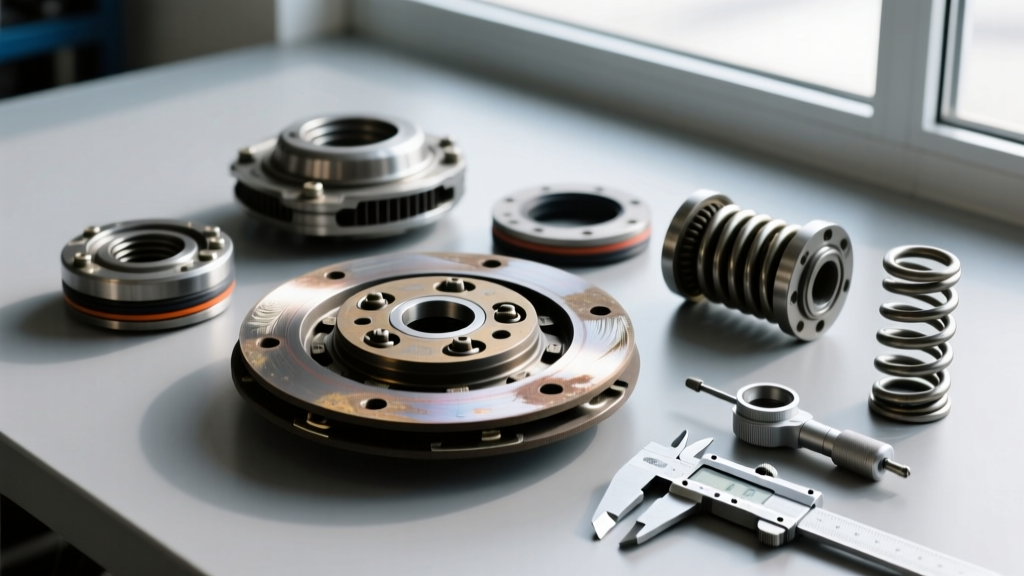
To accurately assess the lifespan of your Predator 212 manual clutch, you must move beyond visual inspections and use precision measuring tools. According to drivetrain engineering standards referenced by Partzilla for OEM multi-plate clutch assemblies, the following tolerances apply to most 125cc-250cc donor clutches used in these conversions:
- Friction Plate Thickness: Measure at four equidistant points using a digital micrometer. A new plate typically measures 3.0mm. The absolute service limit is 2.6mm. If any plate falls below 2.6mm, replace the entire pack.
- Steel Plate Flatness: Place the steel plates on a machined surface plate and attempt to slide a 0.20mm feeler gauge underneath. If the gauge passes under the plate, it is warped and must be replaced. Warped steel plates cause localized hot spots and accelerate friction material wear.
- Clutch Spring Free Length: Use calipers to measure the springs uncompressed. Standard heavy-duty springs measure around 41.5mm new. The service limit is typically 39.0mm. Springs that have sagged beyond this limit will fail to provide adequate clamping force, leading to slip.
The Silent Killer: Clutch Basket and Inner Hub Notching
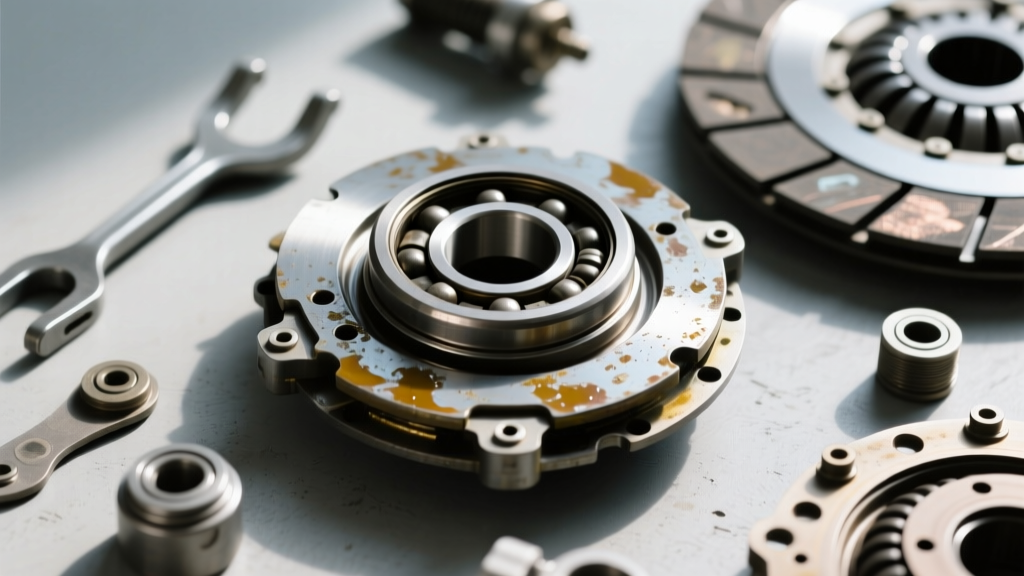
The most overlooked lifespan indicator in a Predator 212 manual clutch build is the condition of the clutch basket and inner hub. The tangs of the steel and friction plates slam against the aluminum fingers of the outer basket during every engagement. Over time, this impacts the soft aluminum, creating deep grooves or 'notches.'
Expert Insight: Minor notching can sometimes be smoothed with a flat file to extend the basket's life temporarily. However, deep notching will cause the clutch plates to hang up, resulting in clutch drag, false neutrals, and eventual transmission gear damage. Upgrading to a billet 6061-T6 aluminum clutch basket (approximately $140-$180 in 2026) is highly recommended for high-horsepower Predator 212 builds.
For further technical specifications on heavy-duty small engine clutch components and torque-a-verter alternatives, builders frequently consult the engineering manuals provided by Comet Clutches and Hilliard Corporation.
Predator 212 Clutch Lifespan and Maintenance Matrix
The lifespan of a manual clutch on a 212cc engine varies wildly based on the vehicle's weight, gearing, and the driver's left foot. Below is a structured maintenance matrix for a typical 250lb driver in a racing go-kart application.
| Component | Inspection Interval | Wear Limit / Failure Sign | 2026 Est. Replacement Cost |
|---|---|---|---|
| Friction Plates (Pack) | Every 15-20 hours | < 2.6mm thickness / Glazing | $35 - $65 |
| Steel Plates (Pack) | Every 20-30 hours | > 0.20mm warpage / Bluing | $40 - $70 |
| Clutch Springs | Every 15 hours | < 39.0mm free length / Heat discoloration | $15 - $25 |
| Clutch Basket (Outer) | Every 40 hours | Deep tang notching / Lateral runout | $140 - $180 (Billet) |
| Crank Taper Adapter | Every 10 hours | Wall-out / Keyway deformation | $60 - $110 |
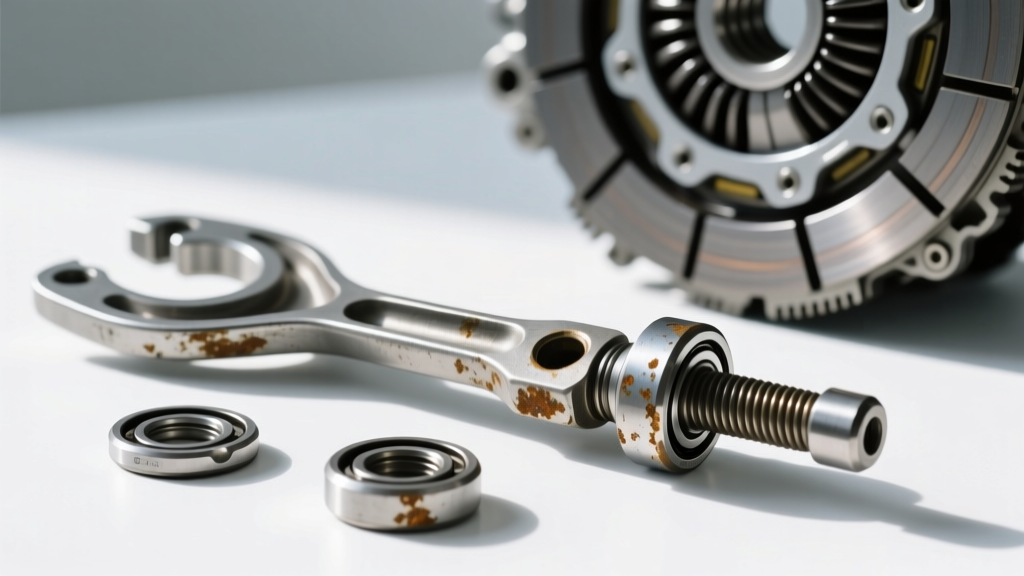
| Release Bearing | Every 30 hours | Axial play / Grinding noise | $20 - $45 |
Torque Specifications and Assembly Best Practices
The Predator 212 crankshaft is not designed to handle the extreme torsional shock of a manual clutch dumping at 6,000 RPM. Proper assembly and torque specifications are non-negotiable to prevent the clutch adapter from spinning on the taper and destroying the crankshaft.
Crankshaft Adapter Installation
Whether you are using a standard 3/4-inch (19.05mm) or a stroker 7/8-inch (22.22mm) crankshaft, the mating surfaces must be impeccably clean. Apply a high-quality threadlocker, such as Loctite 243 (Blue), to the crank threads. The crank adapter retaining nut must be torqued to 35-40 lb-ft. Never use an impact wrench to tighten the crank nut, as the rotational mass of the clutch basket can easily shear the crankshaft or strip the threads.
Clutch Basket and Hub Torque
The inner hub and outer basket nuts must be torqued to the specific donor clutch’s specifications. For a common Honda CR125 clutch swap, the clutch center lock nut requires 54 lb-ft of torque, secured with a staked lock washer or Loctite. Ensure that the clutch release pushrod and bearing are perfectly aligned with the crankshaft centerline; any angular misalignment will cause premature release bearing failure and uneven pressure plate wear.
Conclusion
Adapting a manual clutch to a Predator 212 engine transforms a simple industrial motor into a highly responsive, race-capable powerplant. However, this conversion demands rigorous maintenance and precise diagnostic skills. By regularly measuring friction plate thickness, monitoring spring fatigue, and inspecting the clutch basket for notching, you can maximize the lifespan of your drivetrain. Always adhere to strict torque specifications and utilize high-quality billet adapters to ensure your Predator 212 manual clutch build survives the rigors of the track.