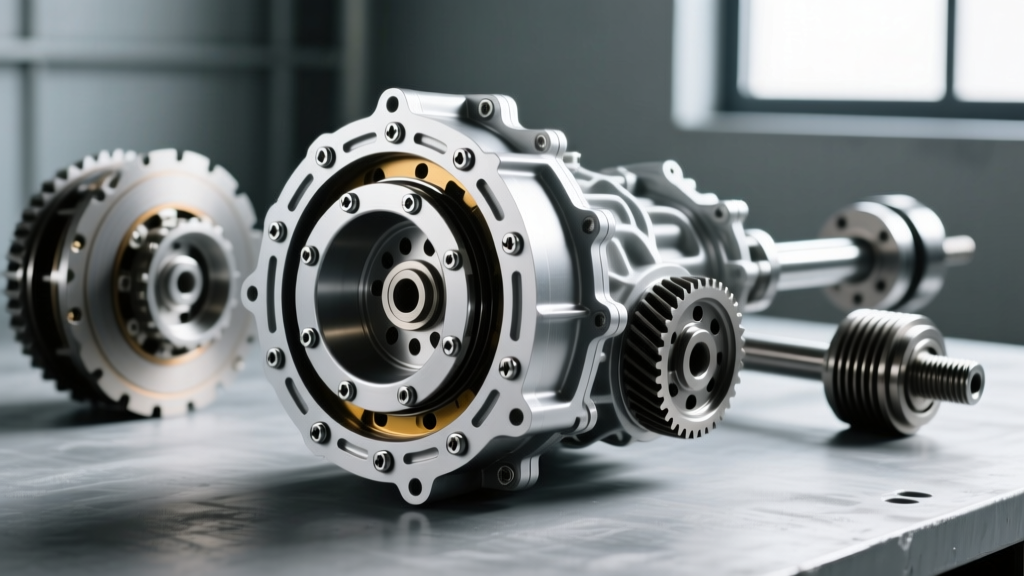
The 5R110W TorqShift Transmission and TCC Hydraulics
The 2003-2007 Ford Super Duty equipped with the 6.0L Powerstroke engine relies on the heavy-duty 5R110W TorqShift automatic transmission. Designed to handle the massive low-end torque of the 6.0L diesel, this transmission utilizes a sophisticated hydraulic valve body and a Pulse Width Modulated (PWM) Torque Converter Clutch (TCC) solenoid. The TCC solenoid is responsible for precisely metering hydraulic fluid pressure to apply the internal lockup clutch inside the torque converter. When functioning correctly, this creates a 1:1 mechanical link between the engine and transmission at cruising speeds, eliminating parasitic slip, reducing exhaust gas temperatures (EGTs), and improving fuel economy.
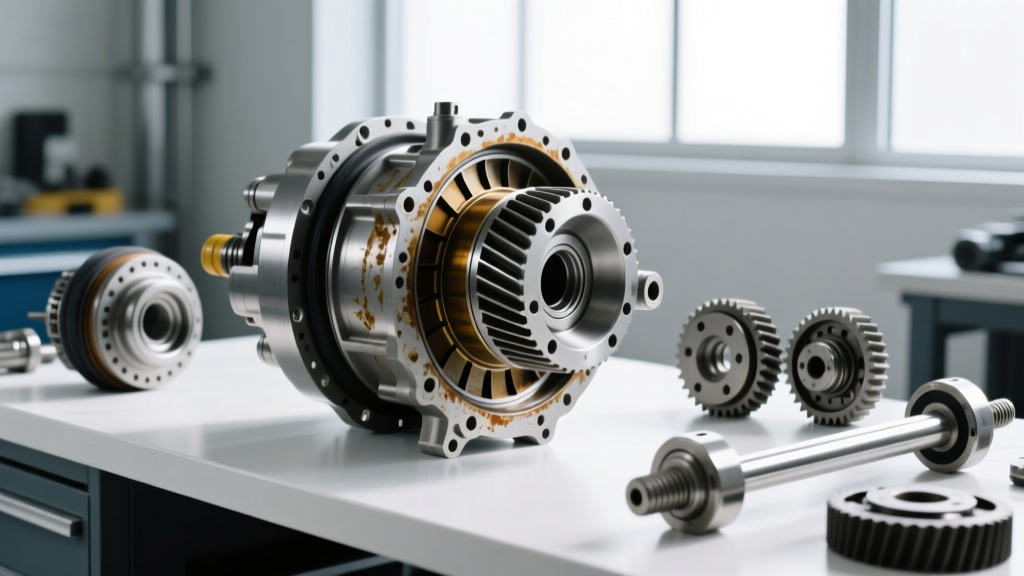
However, as we navigate the heavy-duty diesel maintenance landscape in 2026, aging 5R110W units are increasingly prone to TCC solenoid problems. Continuous heavy towing generates extreme transmission fluid temperatures and accelerates the wear of internal friction materials. This microscopic clutch debris circulates through the valve body, eventually lodging in the delicate spool valve of the TCC solenoid. When diagnosing a highway shudder, many owners immediately blame the 6.0 powerstroke torque converter itself, but the root cause frequently originates in the solenoid or the hydraulic pathways feeding it.
Identifying TCC Solenoid Problems on the 6.0L Powerstroke
A failing or restricted TCC solenoid will manifest through several distinct drivability symptoms and diagnostic trouble codes (DTCs). Recognizing these early is critical to preventing catastrophic damage to the torque converter friction lining.
- Highway Shudder (35-55 MPH): The most common complaint is a rhythmic vibration or 'shudder' felt through the chassis when the transmission attempts to lock the torque converter in overdrive. This is caused by the solenoid rapidly cycling on and off due to a stuck spool valve.
- DTC P0741 (TCC Stuck Off): The Powertrain Control Module (PCM) commands lockup, but the solenoid fails to route adequate pressure, resulting in excessive RPM slip.
- DTC P0742 (TCC Stuck On): Debris forces the solenoid spool into the open position. The torque converter remains mechanically locked even at idle, which will cause the 6.0L engine to stall when coming to a stop.
- Elevated Transmission Fluid Temperatures: Without a solid lockup, the constant fluid shearing inside the converter generates massive heat, often pushing fluid temps past 220°F under load.
Critical FORScan PIDs for Pinpointing Slip
Before dropping the transmission pan, expert technicians rely on Ford-Trucks.com technical archives and FORScan software to monitor live data. The standard OBD2 scanner is insufficient for 5R110W diagnostics. You must monitor the TCC_SLIP Parameter ID (PID).
With the engine at operating temperature, cruising at 60 MPH in 5th gear on level ground, command the TCC to lock via FORScan. A healthy system will show a TCC Slip RPM of less than 20 RPM. If your TCC Slip PID fluctuates wildly between 50 and 150 RPM, or steadily climbs above 100 RPM under light throttle, you have a hydraulic apply issue. This confirms the PCM is requesting lockup, but the mechanical or hydraulic execution is failing.
The 'Fake' Solenoid Failure: Stator Support Ring Wear
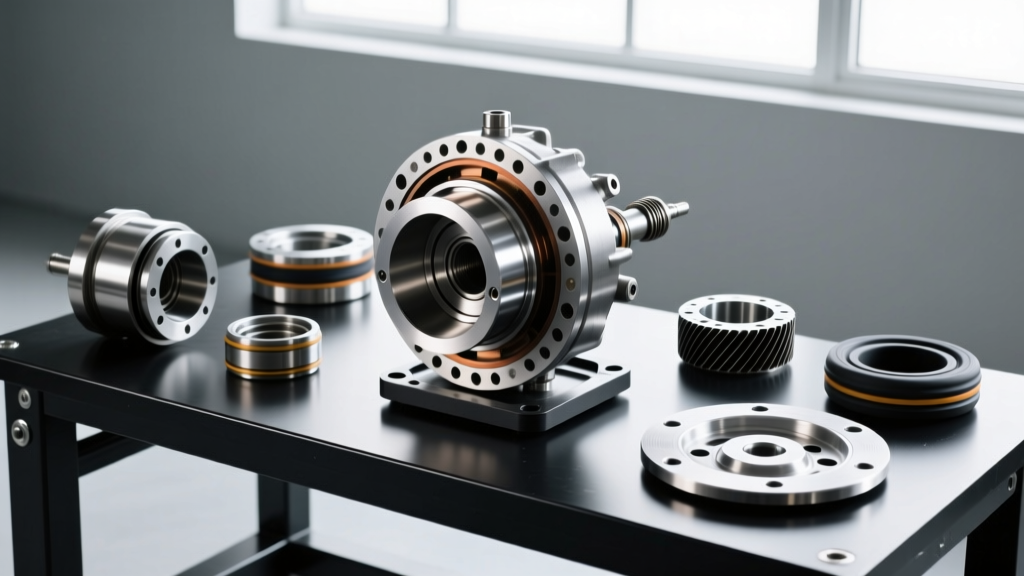
Here is an expert-level caveat that saves thousands of dollars in misdiagnosed repairs. On the 5R110W, the hydraulic fluid must travel from the valve body, through the solenoid, and down the stator support tube to reach the torque converter clutch piston. This tube utilizes Teflon sealing rings (and later models use O-rings) to maintain pressure.
If these stator support rings wear down, apply pressure bleeds off into the transmission pan before it ever reaches the clutch. This mimics a failed TCC solenoid perfectly. You will experience shudder, high slip RPMs, and P0741 codes. Replacing the TCC solenoid will not fix this issue. To differentiate, perform a static air-pressure test on the stator support apply port with the valve body removed. If the system cannot hold 40 PSI of compressed air without leaking internally, your stator rings are compromised, requiring a complete transmission teardown rather than a simple solenoid swap.
Solenoid vs. Torque Converter Failure: The Diagnostic Matrix
Use this diagnostic matrix to isolate the exact point of failure before ordering parts from Motorcraft Official Parts or aftermarket suppliers.
| Diagnostic Metric | Failing TCC Solenoid | Worn Stator Support Rings | Glazed 6.0 Powerstroke Torque Converter |
|---|---|---|---|
| FORScan TCC Slip | Erratic, fluctuating wildly | High, steady slip under load | High slip, worsens as fluid heats up |
| Electrical Resistance | Out of spec (Open/Short) | Normal (11-15 Ohms) | Normal (11-15 Ohms) |
| Fluid Condition | Dark, contains fine clutch dust | Clean or slightly dark | Burnt smell, heavy metallic glitter |
| Stall Test RPM | Normal (1800-2100 RPM) | Normal (1800-2100 RPM) | Abnormally low or high depending on damage |
| Idle Stall Behavior | Normal idle | Normal idle | May drag or stall if TCC is fused |
Expert Repair Protocol: Replacing the TCC Solenoid
If electrical testing and hydraulic diagnostics confirm the solenoid is the culprit, follow this strict replacement protocol. The 5R110W TCC solenoid (Motorcraft Part # 5C3Z-7G234-A or equivalent SW-6348) is mounted directly to the valve body solenoid bracket.
Electrical Resistance Testing
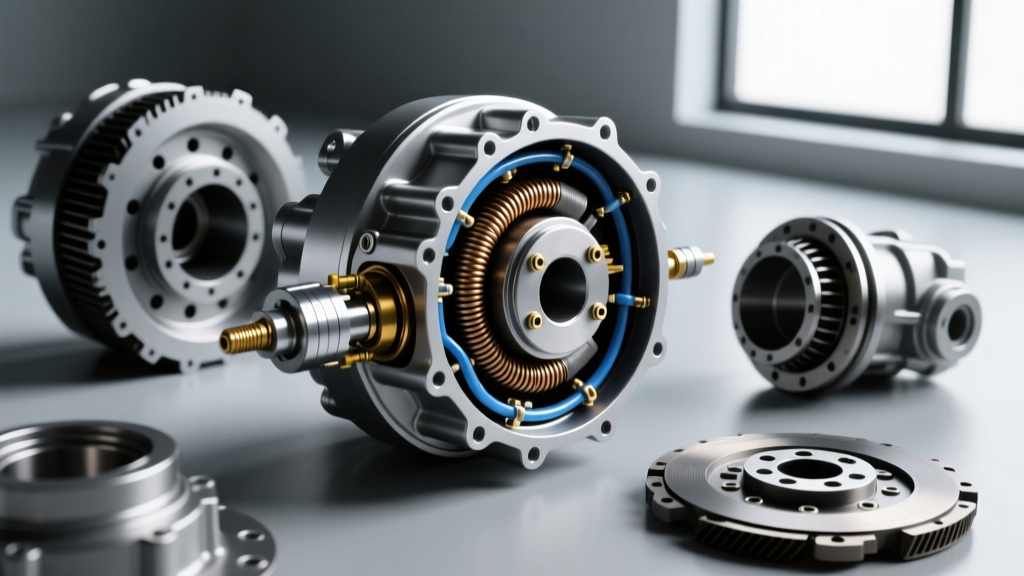
Before removing the solenoid, test it at the external transmission harness connector. Locate the TCC solenoid pins (refer to a 5R110W pinout diagram, typically pins 3 and 11 on the 12-way connector). Using a digital multimeter, measure the resistance. A healthy PWM solenoid should read between 11.0 and 15.0 Ohms at room temperature. If the reading is infinite (open circuit) or near zero (shorted), the internal copper windings have failed due to heat degradation.
Pan Drop and Solenoid Swap Procedure
- Fluid Drain and Pan Removal: Safely elevate the Super Duty. Remove the 26 pan bolts (Torx T-40). Note that the 5R110W pan does not have a drain plug. Expect to catch approximately 8 quarts of fluid.
- Filter and Bracket Access: Remove the reusable transmission filter. Unbolt the solenoid retaining bracket. Carefully disconnect the internal wiring harness plugs from the solenoid block.
- Solenoid Extraction: Pull the faulty TCC solenoid straight out of the valve body bore. Inspect the bore for scoring. Expert Tip: Use a lint-free shop towel and brake cleaner to flush the bore. Do not use compressed air directly into the valve body bores, as this can dislodge check balls or damage delicate cross-valves.
- Installation and Torque Specs: Lubricate the O-rings on the new Motorcraft solenoid with fresh MERCON SP fluid. Seat it firmly into the bore. Reinstall the bracket and torque the retaining bolts to exactly 8 Nm (71 lb-in). Overtightening will warp the solenoid casing and bind the internal spool valve.
- Fluid Refill: Reinstall the pan with a new gasket, torquing the bolts to 11 Nm (97 lb-in) in a crisscross pattern. Refill with exactly 8 quarts of Motorcraft MERCON SP.
Preventative Best Practices to Save Your Drivetrain
Replacing the solenoid is only half the battle; preventing a recurrence is where true expertise lies. The primary killer of the TCC solenoid on the 6.0L Powerstroke is debris ingestion. To protect your investment, implement the following best practices:
- Install an Inline Magnefine Filter: Splice a 1/2-inch Magnefine magnetic inline filter into the transmission cooler return line. This captures microscopic ferrous metals and clutch friction material before it can cycle back into the valve body and jam the TCC spool valve.
- Strict Fluid Adherence: Never substitute MERCON V or generic multi-vehicle fluids in a 5R110W. The friction modifiers in Motorcraft MERCON SP (XT-10-QSP) are specifically engineered for the torque converter clutch material and the PWM solenoid's hydraulic requirements.
- Auxiliary Cooler Upgrades: If you tow over 8,000 lbs, install a secondary transmission cooler to keep fluid temperatures below 190°F. Heat accelerates the breakdown of the fluid's detergent packages, leading to sludge that clogs the solenoid screens.
Cost Breakdown: DIY vs. Professional Service
As of 2026, the cost of addressing TCC solenoid problems varies wildly based on your mechanical aptitude. The Motorcraft TCC solenoid itself retails between $65 and $95. A DIY repair, including 8 quarts of MERCON SP fluid and a new pan gasket, will cost approximately $180 to $220 in materials.
If you opt for a professional diesel shop, expect to pay for 3.5 to 4.5 hours of labor. With shop rates averaging $145-$185 per hour, a professional solenoid replacement will range from $650 to $950. However, if you ignore the shudder and allow the slip to glaze the internal clutch disc, you will be forced to replace the entire 6.0 powerstroke torque converter. A remanufactured billet torque converter, combined with the 10+ hours of labor required to pull the transmission and replace the stator support rings, will easily push the repair invoice past $2,800 to $3,500. Early diagnosis via FORScan and prompt solenoid maintenance remains the most cost-effective strategy for preserving the legendary 5R110W transmission.
For further community-driven troubleshooting and wiring diagrams, consult the Powerstroke.org 6.0L Forums to connect with veteran Super Duty owners and transmission specialists.