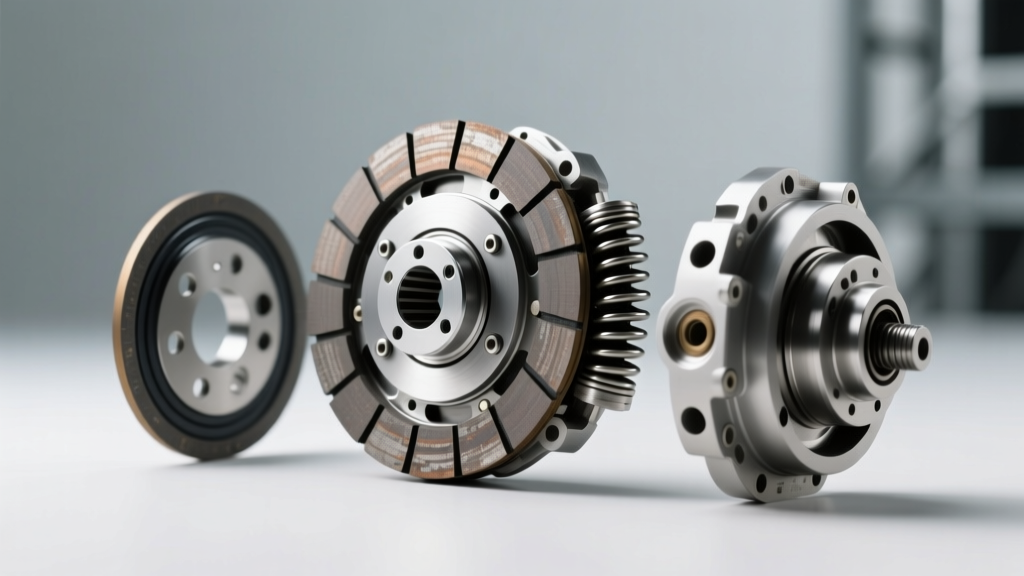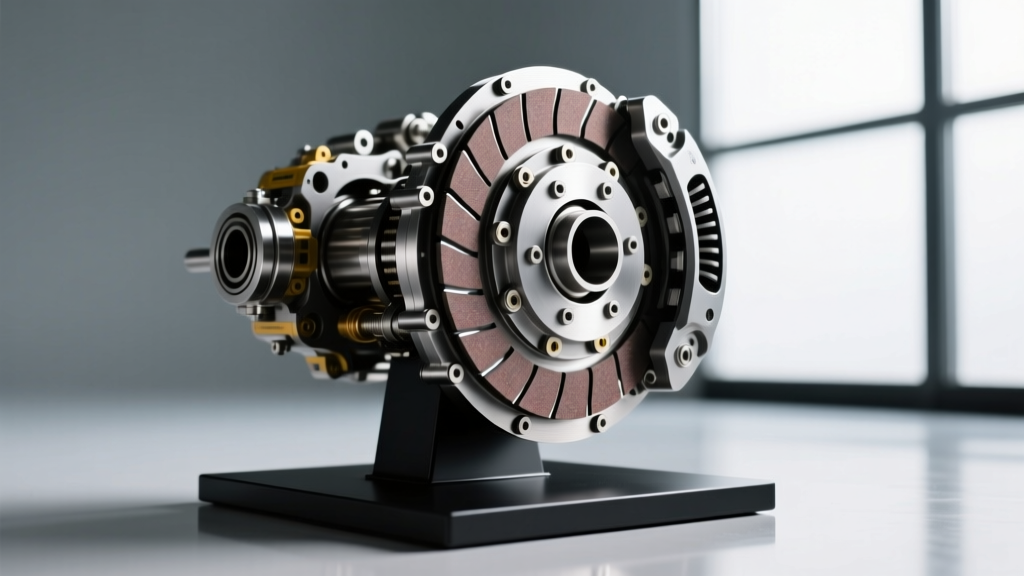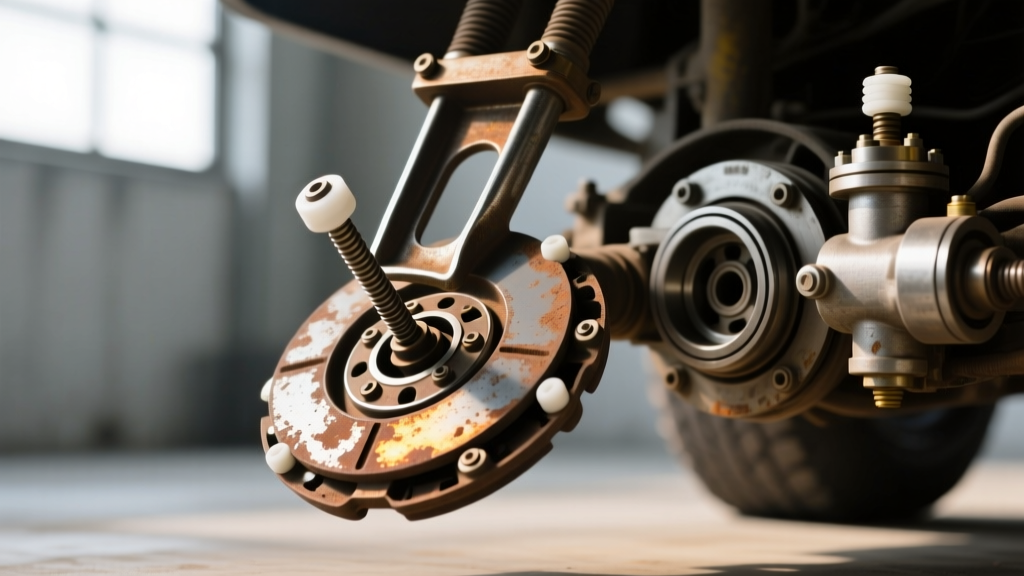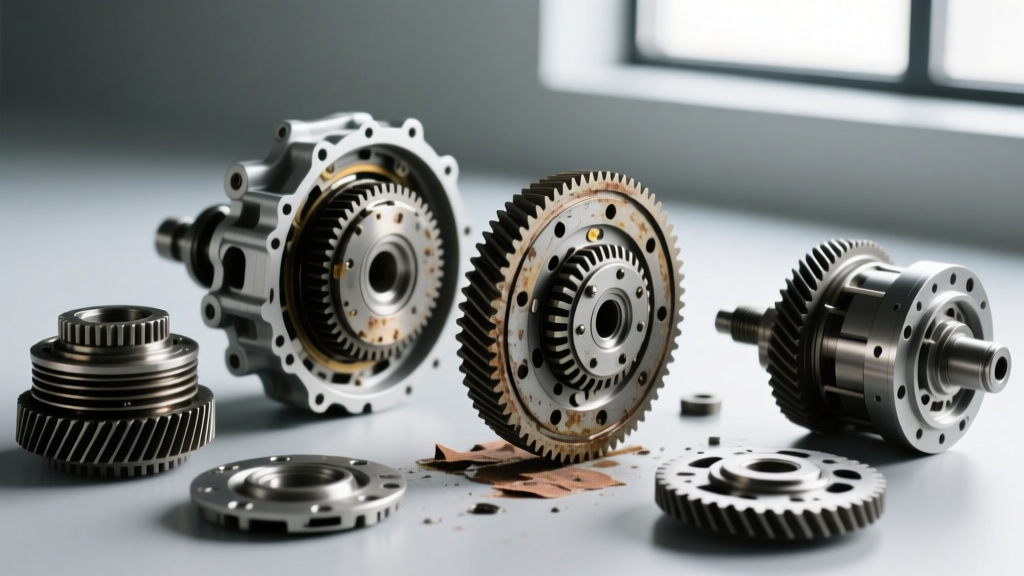
As of 2026, the global fleet of vehicles equipped with a powershift dual clutch transmission (DCT) is aging into critical mileage thresholds. Whether you are diagnosing a Ford Focus with the notorious 6DCT250 (DPS6) dry clutch or maintaining a Volkswagen Golf with the DQ250 (02E) wet clutch system, clutch slipping remains the most prevalent and destructive failure mode. Unlike traditional torque-converter automatics, a DCT relies on precise electromechanical or electrohydraulic clamping force to manage friction materials. When that force degrades, or the friction surface glazes, slipping occurs—generating catastrophic heat and accelerating wear.
This preventive maintenance and diagnostic guide will walk you through identifying early slip symptoms, reading manufacturer-specific PIDs, and executing hardware-level interventions before a minor slip turns into a complete mechatronic or clutch pack failure.
Anatomy of DCT Clutch Slip: Dry (DPS6) vs. Wet (DQ250)
To diagnose slipping accurately, you must first understand the architectural differences between the two dominant powershift dual clutch transmission designs on the road today. Dry clutches operate similarly to a traditional manual transmission, while wet clutches operate in an oil bath, relying on hydraulic pressure and fluid friction modifiers.
| Specification | Ford DPS6 (6DCT250) | VW / Audi DQ250 (02E) |
|---|---|---|
| Clutch Type | Dry (Electromechanical) | Wet (Electrohydraulic) |
| Actuation Method | Electric Motors & Plastic Forks | Mechatronic Solenoids & Hydraulics |
| Gearset Fluid Capacity | 1.9L (Motorcraft XT-11-QDC) | 4.5L (OEM G 052 182 A2) |
| Primary Slip Trigger | Fork pivot ball wear / TCM motor burnout | Fluid degradation / Clogged mechatronic filter |
| Common Dash Warning | Transmission Overheating / Wrench Light | Gear Flashing / Limp Mode |
Early Warning Signs of Powershift Clutch Slip
Clutch slipping in a DCT rarely happens overnight. It begins as micro-slippage during torque hand-offs and escalates into noticeable RPM flares. Watch for these specific symptoms:
- RPM Flares During Upshifts: The engine RPM spikes by 300-500 RPM during the 1st-to-2nd or 2nd-to-3rd gear transition without a corresponding increase in vehicle speed.
- Low-Speed Shudder (Stick-Slip): A violent vibration between 15-20 mph. While technically a friction coefficient issue, severe shudder is the precursor to total glazing and slip.
- Delayed Engagement on Inclines: When stopped on a hill, releasing the brake results in a 1-to-2-second delay before the clutch bites, often accompanied by a burning smell (dry DCT) or degraded shift quality (wet DCT).
- Frequent Overheating Warnings: Slipping generates immense friction heat. If the dash displays a transmission temperature warning in normal traffic, the clutches are slipping internally.
Step-by-Step Diagnostic Protocol for DCT Slip
Do not immediately condemn the clutch pack. Modern powershift dual clutch transmissions rely on adaptive learning algorithms. As the clutch friction material wears, the Transmission Control Module (TCM) adjusts the actuator travel. If the mechanical hardware degrades beyond the TCM's adaptive window, the system induces slip.
Step 1: Analyze Manufacturer-Specific Data PIDs
Connect an advanced bi-directional scan tool (e.g., Ford IDS, VCDS, or Autel MaxiSys) and monitor the following live data streams under load:
- CLTCH_A_SLIP_RPM / CLTCH_B_SLIP_RPM: This PID measures the delta between engine speed and transmission input shaft speed. Under steady throttle, this value should be 0-10 RPM. If you observe values consistently above 50 RPM, active slipping is confirmed.
- Clutch Position Sensor (CPS) Voltage: On the Ford DPS6, monitor the clutch fork position voltage. A healthy resting clutch reads around 1.2V - 1.5V. If the TCM is commanding upwards of 2.8V to achieve engagement, the plastic clutch fork has worn down at the pivot ball, forcing the actuator motor to over-travel and slip under load.
- Mechatronic Line Pressure (Wet DCT): On the VW DQ250, monitor hydraulic line pressure. It should hold steady between 45-50 bar during engagement. If pressure drops below 35 bar during a shift, the slip is hydraulic, not mechanical—often pointing to a failing accumulator or clogged filter.
Step 2: The Adaptive Reset and Relearn Procedure
Before tearing down the transmission, you must force the TCM to forget its worn clutch maps and relearn the physical bite points. According to the Ross-Tech VCDS Wiki, performing a DSG Basic Settings adaptation (Group 060 or 061 depending on the TCM generation) forces the mechatronic unit to physically stroke the clutches and recalibrate the kissing point (the exact millimeter where friction begins).
Expert Note: If the adaptive reset fails to complete, or if the scan tool returns an error code stating 'Adaptation Limits Exceeded,' the mechanical wear has surpassed the TCM's software compensation window. A physical teardown is now mandatory.
Preventive Maintenance: Stopping Slip Before It Starts
Preventing clutch slip in a powershift dual clutch transmission requires strict adherence to fluid intervals and proactive hardware upgrades. As outlined by Sonnax Technical Resources, ignoring DCT maintenance intervals is the primary catalyst for premature friction material degradation.
Wet DCT (VW DQ250) Fluid and Filter Service
The DQ250 relies on specialized fluid containing friction modifiers that prevent the wet clutch packs from glazing. Over 40,000 miles, these modifiers shear down, leading to a stick-slip condition that rapidly evolves into severe slipping.
- Interval: Strictly every 40,000 miles (64,000 km).
- Fluid Spec: OEM G 052 182 A2. Do not substitute with generic ATF.
- Filter Part Number: 02E 305 051 C. Failing to replace the internal mechatronic filter allows clutch debris to clog the solenoid screens, causing low hydraulic pressure and subsequent slip.
- Drain & Fill Torque: The DSG drain plug with integrated leveler tube must be torqued to exactly 45 Nm to prevent fluid starvation.
Dry DCT (Ford DPS6) Hardware Upgrades
The DPS6 does not use fluid for its clutches, meaning fluid changes won't prevent slip. Instead, slip is caused by mechanical deflection in the clutch actuation forks. The OEM plastic pivot balls wear into the plastic forks, creating slop. To prevent this, aftermarket manufacturers like LuK (Schaeffler Group) and various specialty shops offer steel pivot ball upgrade kits and reinforced aluminum forks. Replacing the pivot balls and applying high-temp ceramic grease to the fork contact pads during a clutch replacement ensures the TCM maintains accurate clamping force for the life of the vehicle.
Cost Analysis: Reset vs. Replacement
Understanding the financial breakdown of DCT repairs helps owners and technicians make informed decisions when diagnosing slip.
| Service / Repair | Estimated Cost (Parts & Labor) | Preventive Value |
|---|---|---|
| TCM Adaptive Reset & Relearn | $100 - $150 | High (Resolves false slip caused by software drift) |
| DQ250 Fluid & Filter Service | $350 - $500 | Critical (Prevents hydraulic slip and clutch glazing) |
| DPS6 Clutch Pack & Fork Upgrade | $1,200 - $1,800 | Moderate (Corrects mechanical slip and shudder) |
| Complete TCM Replacement | $1,500 - $2,500 | N/A (Required only if actuator motors are burnt out) |
Final Torque Specs for Reassembly
If your diagnosis confirms that the clutch packs must be replaced, precision during reassembly is non-negotiable to prevent immediate post-repair slipping. When installing a new LuK RepSet dual clutch assembly:
- Dual Mass Flywheel (DMF) to Crankshaft: Torque M10x1.25 bolts to 60 Nm, followed by an additional 90-degree turn. Use new stretch bolts.
- Clutch Pressure Plate to DMF: Torque the perimeter bolts to 22 Nm in a multi-pass star pattern to ensure even diaphragm spring tension.
- Actuator Motor Alignment: On the DPS6, the electric clutch actuator motors must be mechanically retracted using the factory alignment tool before installation, or the internal plastic gears will strip upon the first TCM initialization, causing instant slip.
By combining rigorous scan tool diagnostics with strict preventive maintenance intervals, you can effectively eliminate clutch slipping in a powershift dual clutch transmission, extending the life of the drivetrain well past the 150,000-mile mark.