Introduction to F1 Carbon-Carbon Clutch Diagnostics
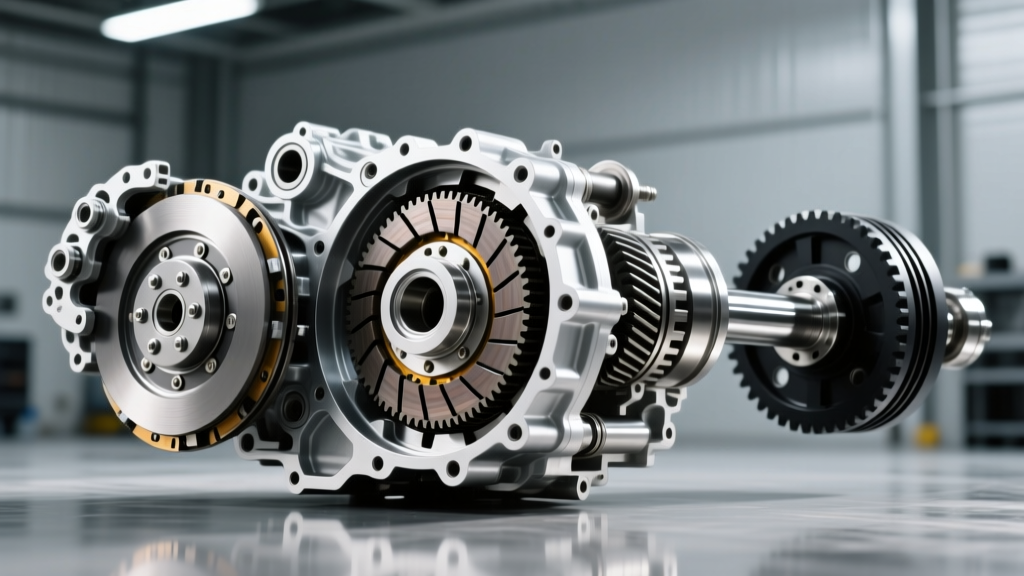
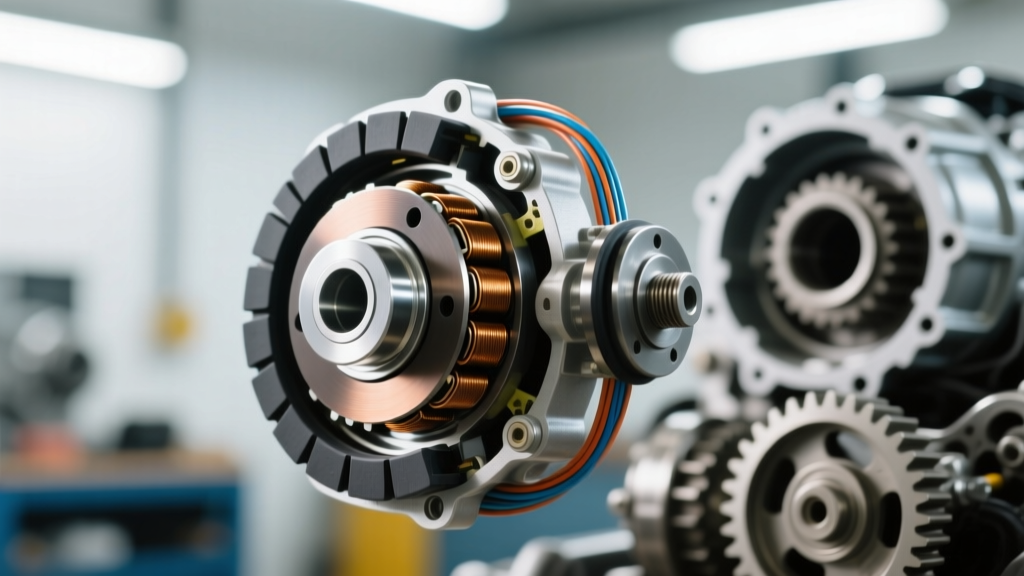
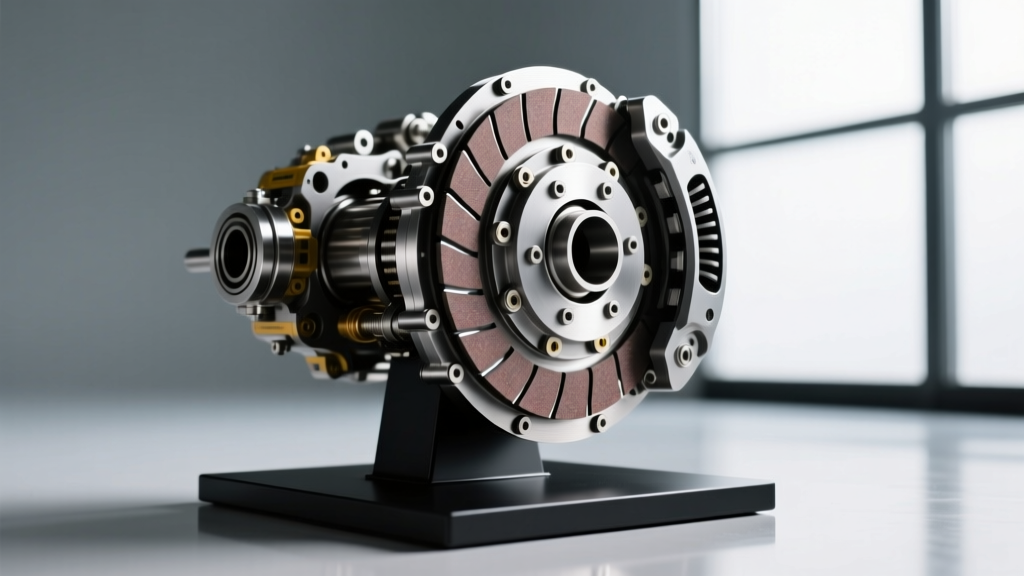
Diagnosing an F1 car clutch requires a radically different approach than troubleshooting a traditional road vehicle. In Formula 1, the clutch is not a single organic friction disc operated by a foot pedal, but a highly specialized, multi-plate carbon-carbon (C/C) assembly. Typically supplied by elite motorsport manufacturers like AP Racing or ZF Sachs, these clutches measure barely 95mm to 100mm in diameter yet must handle the violent torque delivery of a 1.6L V6 turbo-hybrid power unit combined with the 120kW MGU-K (Motor Generator Unit-Kinetic).
Because F1 drivers do not use a clutch pedal for upshifts or downshifts—relying instead on electro-hydraulic actuators and seamless-shift gearboxes—the concept of 'diagnosing by symptom' is split between real-time telemetry analysis (for 'feel' and slip) and post-session physical teardowns (for vibration and noise). This step-by-step guide details how race engineers isolate and diagnose F1 car clutch symptoms based on bite-point migration, harmonic judder, and acoustic signatures.
Phase 1: Diagnosing 'Feel' via Telemetry and Bite-Point Mapping
In a road car, a slipping clutch is diagnosed by a spongy pedal or RPM flares under load. In an F1 car, 'feel' is strictly relevant during standing starts, safety car restarts, and pit-lane launches. The driver manages the clutch via steering wheel paddles equipped with Linear Variable Differential Transformer (LVDT) sensors, which provide millimeter-accurate positional data to the ECU.
Step 1: Overlaying Telemetry Channels
If a driver reports over the radio that the clutch 'feels soft' or 'grabbed too late' off the grid, engineers immediately pull the data traces. The diagnostic workflow involves overlaying three specific telemetry channels:
- Clutch Paddle Position (LVDT): Measured in millimeters of piston travel.
- Rear Axle Torque Sensors: Measured via strain gauges on the driveshafts (in Nm).
- Engine RPM vs. Driveshaft Speed: To calculate slip percentage.
Step 2: Identifying Bite-Point Migration
The 'bite point' is the exact millimeter of paddle travel where the C/C plates make contact and begin transferring torque. Carbon-carbon materials are highly sensitive to thermal expansion. As the clutch heats up from 50°C (pit lane) to 400°C (grid start), the bite point migrates. Engineers map this dynamically. If the bite point migrates more than 0.8mm outward from the baseline mapping, it indicates excessive carbon wear or hydraulic fluid degradation in the pull-type actuator. A 'soft' feel usually points to aeration in the electro-hydraulic mineral oil circuit or a failing release bearing seal.
Phase 2: Isolating Vibration and Judder at Launch
Vibration in an F1 car clutch manifests as severe longitudinal judder during the first 1.5 seconds of a standing start. This is not just a comfort issue; it can cause the rear tires to break traction, resulting in a botched launch and lost positions.
Step 1: Analyzing the Stick-Slip Phenomenon
C/C friction materials require high operating temperatures (typically 500°C to 700°C) to achieve their optimal Coefficient of Friction (CoF), which sits between 0.25 and 0.35. If the clutch is under-temperature, the CoF drops, leading to a violent 'stick-slip' oscillation. Engineers diagnose this by analyzing the longitudinal G-sensor data for 5Hz to 15Hz frequency oscillations during launch. If the oscillation matches this frequency, the issue is thermal management, not mechanical failure.
Step 2: Physical Teardown and Spline Inspection
If the judder occurs even at optimal temperatures, the mechanical hardware must be inspected. The clutch bell (basket) is machined from aerospace-grade 7075-T6 aluminum. The friction plates mate to the bell via internal splines.
Engineering Note: Spline backlash is a critical failure point. If the clearance between the carbon plate tabs and the aluminum bell splines exceeds 0.05mm, the microscopic impact during torque transfer creates harmonic resonance, felt by the driver as severe chassis vibration.
Phase 3: Acoustic Diagnostics (Noise Signatures)
Because F1 clutches are dry and run incredibly hot, they generate distinct acoustic signatures that pit-wall microphones and onboard sensors can pick up. Diagnosing noise requires distinguishing between material squeal and mechanical rattle.
High-Frequency Squeal (Low-Speed Slip)
When pulling away from the pit box, the clutch is often below its 300°C minimum operational threshold. A high-pitched squeal is the sound of high-frequency stick-slip friction. While alarming to the untrained ear, race engineers treat this as normal tribological behavior for cold carbon. However, if squeal persists into high-speed upshifts (where the clutch actuator 'blips' for torque-cutting), it indicates the separator plates have warped due to localized hot-spotting, requiring immediate replacement.
Metallic Rattle (Actuator and Bearing Wear)
A distinct metallic rattle at idle or during low-RPM downshifts points to the electro-hydraulic release bearing. The pull-type diaphragm spring fingers can wear against the bearing face. If the acoustic signature shifts from a smooth whir to a rhythmic clicking, the bearing cage is failing, and the entire actuator assembly (costing upwards of $8,000) must be rebuilt.
Comparative Data: F1 vs. High-Performance Road Car Clutches
To understand the severity of F1 clutch diagnostics, it is helpful to compare the hardware and failure tolerances against top-tier road cars.
| Parameter | F1 Car Clutch (C/C Multi-Plate) | Porsche 911 GT3 RS (PDK Wet Clutch) | Ford Mustang Dark Horse (Dry Single Plate) |
|---|---|---|---|
| Friction Material | Carbon-Carbon (C/C) | Sintered Bronze / Paper (Wet) | Organic / Cerametallic |
| Operating Temp | 500°C - 750°C | 80°C - 120°C (Fluid cooled) | Ambient - 250°C |
| Diameter | ~95mm | ~140mm (Multi-plate pack) | 240mm - 280mm |
| Actuation | Electro-Hydraulic Pull-Type | Electro-Hydraulic (Mechatronic) | Hydraulic Concentric Slave |
| Replacement Cost | $15,000 - $25,000+ | $3,500 - $5,000 | $400 - $900 |
Phase 4: Micrometer Measurement and Wear Limits
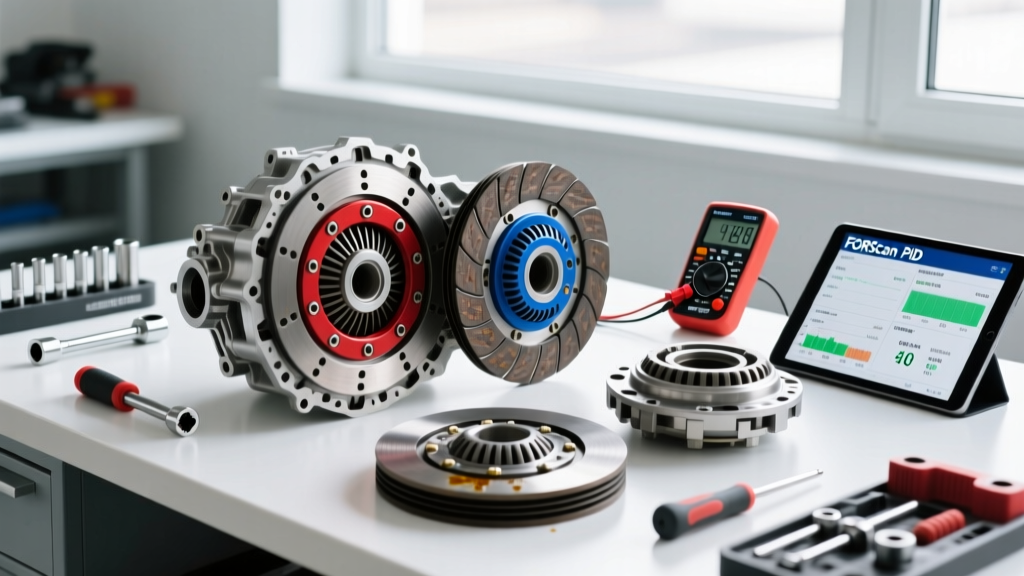
The final step in the diagnostic workflow is the physical measurement of the C/C plates. Unlike organic road clutches that show visible scoring or heat bluing, carbon wear is measured in microns using a digital micrometer.
Step-by-Step Measurement Protocol
- Cool Down: Allow the assembly to reach ambient temperature. Measuring hot carbon yields false thickness readings due to thermal expansion.
- Clean: Use compressed air and isopropyl alcohol to remove carbon dust from the friction faces. Never use wire brushes, as they will embed metal into the porous carbon matrix.
- Measure: Take micrometer readings at four equidistant points around the friction ring. A new F1 friction plate typically measures 2.00mm thick.
- Evaluate Taper: If the variance between the four measurement points exceeds 0.03mm, the plate has developed a taper. This taper causes uneven clamping pressure, leading directly to the judder symptoms diagnosed in Phase 2.
- Check Wear Limits: The absolute discard limit for most F1 C/C plates is 1.60mm (0.40mm of total wear). If any plate falls below 1.65mm, the entire pack is replaced as a matched set to maintain uniform thermal mass.
Summary of Diagnostic Workflows
Diagnosing an F1 car clutch is an exercise in data synthesis. 'Feel' is mapped via LVDT sensors and torque traces to track bite-point migration. Vibration is isolated through G-sensor oscillation analysis and spline backlash inspections. Noise is categorized by thermal thresholds and bearing acoustics. By combining the advanced motorsport engineering principles of telemetry with rigorous micrometer-level teardowns, race engineers ensure that the critical link between the hybrid powertrain and the tarmac remains flawless.