The Critical Role of Thermal Clutches in Heavy-Duty Diagnostics
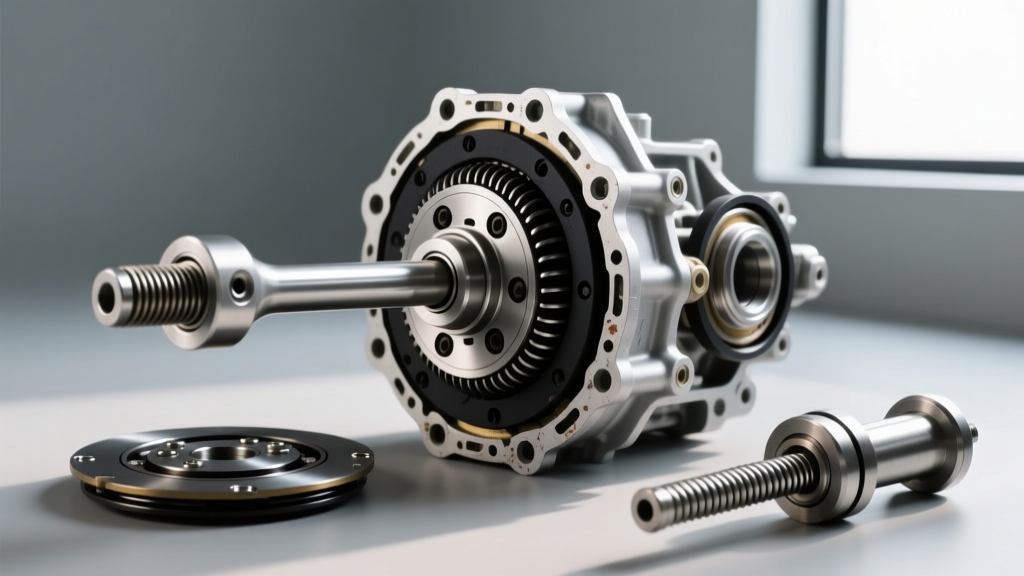
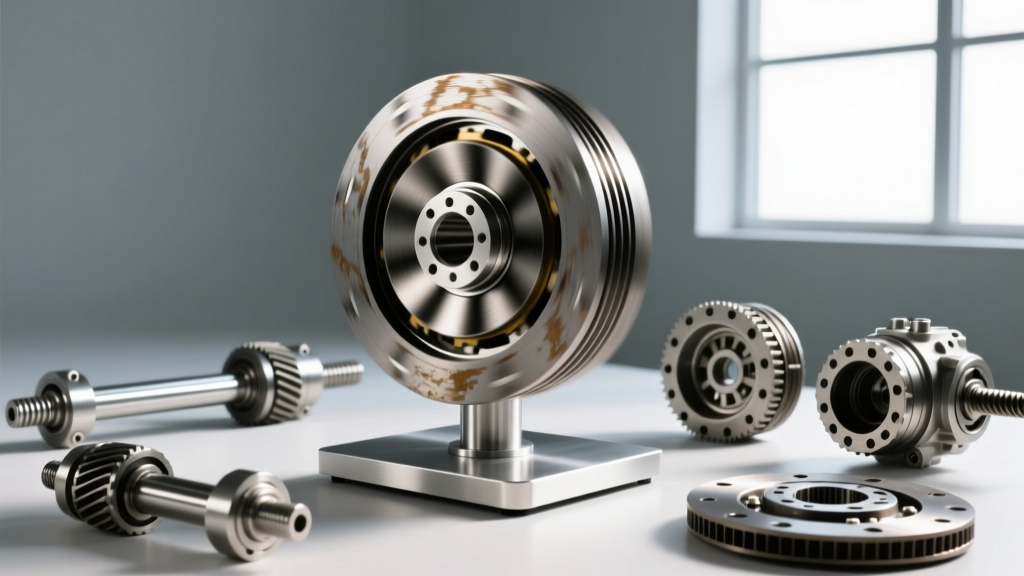
When executing a comprehensive maintenance routine on medium and heavy-duty commercial vehicles, understanding the specific fan clutch International DT466 configurations is the difference between a reliable workhorse and a catastrophic overheating event. The legendary International DT466 (and its later MaxxForce DT evolution) is renowned for its durable wet-sleeve cylinder liner design. However, this design is highly sensitive to thermal fluctuations. If the primary engine fan clutch fails to engage during high-load scenarios, the resulting heat soak can lead to localized coolant boiling, cylinder liner cavitation, and eventual O-ring blowout—mixing engine oil and coolant into a destructive emulsion.
At AutoGearNexus, our clutch system diagnostics extend beyond the bellhousing. A holistic approach to drivetrain and powertrain health requires inspecting all friction and engagement systems. This technical deep-dive provides a master inspection checklist for the DT466 fan clutch, alongside cross-diagnostic procedures for the primary drivetrain clutch (such as the Eaton Fuller Solo or Advantage series) to ensure complete system integrity in 2026 and beyond.
Anatomy of the DT466 Fan Clutch Architecture
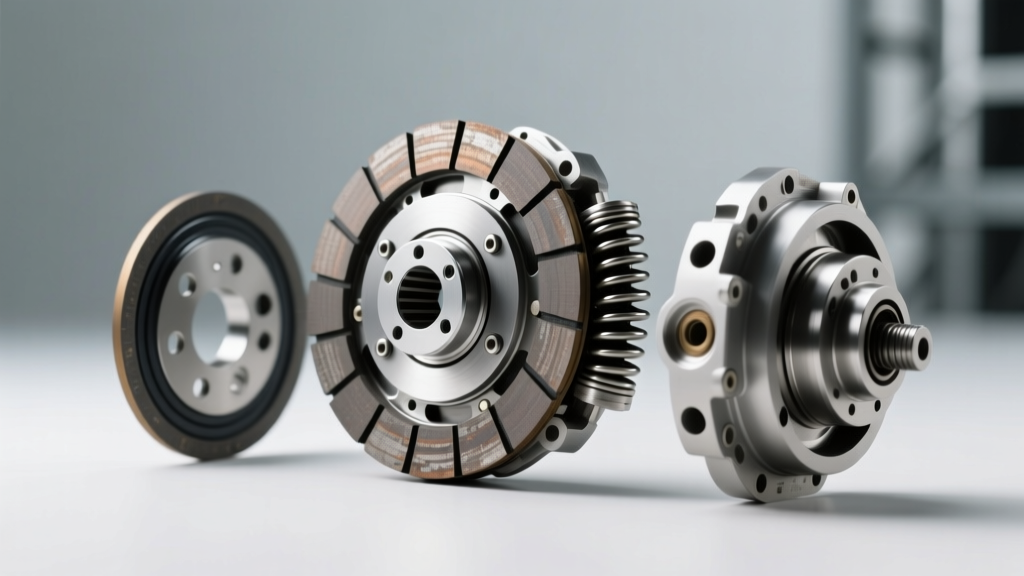
Before turning a wrench, technicians must identify which clutch architecture is bolted to the water pump hub. The DT466 platform typically utilizes one of two primary fan drive systems:
- Spring-Engaged, Air-Disengaged (SEAD): Commonly manufactured by Horton or Kysor. These rely on vehicle air pressure to compress a spring and disengage the clutch. If air pressure drops below a safe threshold (typically 50-60 PSI), the spring forces the clutch to engage, failing safely to the 'ON' position to protect the engine.
- Viscous/Thermal Shear Drives: Utilizing a silicone-based shear fluid and a bimetallic thermostatic strip. As the radiator exit air temperature rises, the strip opens a valve, allowing fluid to enter the shear gap between the rotor and housing, transferring torque to the fan blades.
- Electronic PWM (Pulse Width Modulated): Found on later MaxxForce DT variants, controlled directly by the Engine Control Module (ECM) via a magnetic coil and armature assembly.
The Ultimate Fan Clutch Inspection Checklist
Use this structured matrix during your next preventive maintenance (PM) service interval. This checklist assumes the engine is cold and the vehicle is parked on a level surface with the parking brakes set and wheels chocked.
| Inspection Point | Specification / Target | Diagnostic Action |
|---|---|---|
| Silicone Fluid Weep | Zero active leaks | Inspect the bimetallic strip seal and reservoir plug. Minor dust adherence is normal; wet streaks mandate replacement. |
| SEAD Air Pressure Threshold | Disengage at >70 PSI | Connect a manifold gauge to the fan clutch air line. Verify clutch disengages audibly when system pressure exceeds 70 PSI. |
| Bearing Radial Play | < 0.010 inches | Grasp the fan blade at 12 and 6 o'clock. Attempt to rock the hub. Any perceptible clunk indicates bearing failure. |
| Electromagnetic Air Gap (PWM) | 0.015" - 0.030" | Use a feeler gauge between the armature and the rotor face. Adjust shims if outside tolerance. |
| Blade to Shroud Clearance | Minimum 0.75 inches | Measure radially. Ensure engine motor mounts haven't collapsed, pushing the fan into the radiator shroud. |
Step 1: The Cold Spin and Hot Engagement Test
For viscous fan clutches, perform a cold spin test. With the engine off and cold, the fan should rotate freely with moderate resistance. Start the engine and let it idle; the fan should remain relatively quiet. Using an OBD-II scanner or Navistar ServiceMaxx software, command the engine load or monitor the coolant temperature. As the thermostat opens (typically 190°F - 195°F on the DT466), the fan should audibly 'roar' as the viscous fluid engages the shear gap. If the fan remains silent at 210°F, the bimetallic strip is seized or the internal fluid reservoir is depleted.
Step 2: Pneumatic Circuit Verification (SEAD Systems)
According to Horton Fan Clutch Diagnostics, air-actuated systems are highly dependent on clean, dry air. Moisture in the air lines can freeze in winter or cause internal valve corrosion in summer. Disconnect the air line at the fan clutch pilot valve. With the engine running and air tanks fully charged, you should read full system pressure (110-130 PSI) at the line. If pressure is present but the clutch remains engaged, the internal diaphragm or actuation spring has failed.
Cross-Diagnosis: Heat Soak and the Drivetrain Clutch
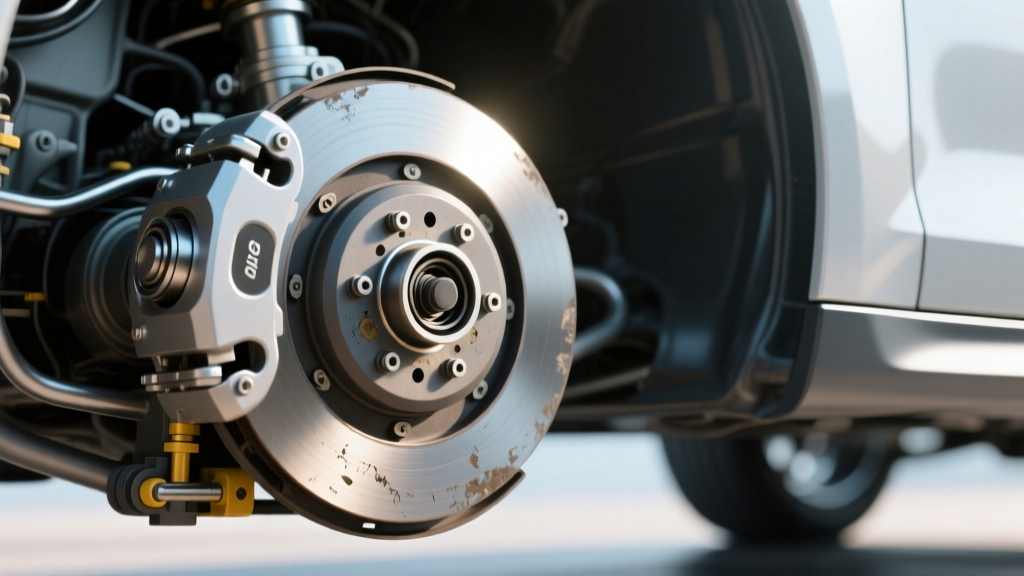
Why include a drivetrain clutch inspection in a fan clutch guide? Because thermal management directly impacts transmission and bellhousing components. A failing DT466 fan clutch that continuously runs in the 'engaged' position creates massive parasitic drag, robbing the engine of up to 40-50 horsepower. This forces the driver to ride the primary drivetrain clutch (e.g., an Eaton Fuller 10-speed manual) to maintain momentum on inclines, accelerating friction disc wear and glazing the flywheel.
Expert Insight: If a vehicle presents with a slipping drivetrain clutch, always verify the engine cooling system first. A chronically overheating DT466 will transfer radiant heat through the cast-iron bellhousing, baking the friction disc resins and causing premature clutch chatter and failure.
Drivetrain Clutch Free-Travel Verification
While inspecting the fan drive, verify the primary clutch linkage. For standard Eaton heavy-duty clutches, measure the pedal free travel. It should be exactly 1.50 to 2.00 inches. Furthermore, check the release bearing clearance through the bellhousing inspection cover. You must have 0.500 inches (13mm) of clearance between the release bearing face and the clutch brake pad. If a failing fan clutch has caused the driver to over-torque the drivetrain, the clutch fingers may be bent, altering this critical clearance.
Torque Specifications and Reassembly Data
Improper torque on the fan hub or drivetrain flywheel is a leading cause of catastrophic failure. Always use a calibrated torque wrench and follow SAE Grade 8 hardware specifications. Below are the critical torque values for the DT466 platform and associated heavy-duty drivetrain components.
| Component | Hardware Size / Grade | Torque Specification |
|---|---|---|
| Fan Blade to Fan Hub | 3/8" - 16 (Grade 8) | 35 - 45 lb-ft |
| Fan Clutch Hub to Water Pump/Fan Drive | 7/16" - 14 (Grade 8) | 65 - 80 lb-ft |
| Drivetrain Flywheel to Crankshaft (DT466) | M16 x 2.0 (Grade 12.9) | 170 - 190 lb-ft |
| Clutch Cover to Flywheel (Eaton Solo) | 3/8" - 16 (Grade 8) | 35 - 45 lb-ft (Star Pattern) |
Cost Analysis and Replacement Intervals
Proactive replacement of the fan clutch is vastly cheaper than the collateral damage caused by overheating. In 2026, expect the following pricing structures for heavy-duty commercial repairs:
- Viscous Fan Clutch Assembly (Horton/Kysor): $450 to $750 (Part Only)
- SEAD Air-Actuated Fan Clutch: $600 to $950 (Part Only)
- Complete Drivetrain Clutch Kit (Eaton Advantage/Solo): $900 to $1,600 (Part Only)
- Collateral Cost (DT466 Wet Sleeve O-Ring Repair due to Cavitation): $3,500 to $6,000+ (Requires engine tear-down and in-frame overhaul kit).
For fleet managers, we recommend replacing viscous fan clutches every 300,000 miles or 5 years, regardless of apparent function, as the internal silicone fluid degrades and loses its shear-transfer properties over time. For air-actuated units, replace the pneumatic pilot valve and filter screen annually during the chassis PM service.
Final Diagnostic Synthesis
Diagnosing clutch systems on the International DT466 requires looking past the pedal and into the engine bay. The fan clutch is the first line of defense against thermal degradation that ruins both the engine block and the drivetrain friction materials. By adhering to this inspection checklist, verifying air gaps, testing pneumatic thresholds, and cross-referencing drivetrain free-play, technicians can ensure maximum uptime and protect the core integrity of one of the most robust diesel platforms ever engineered. For further technical documentation on heavy-duty friction systems, consult the Eaton Heavy-Duty Clutch Systems portal or reference Navistar International Trucks service bulletins for ECM-specific PWM fan control updates.