The Bitter Brew: When a 'New' Clutch Fails
Waiting in the lobby of a transmission shop, you might find yourself mindlessly scrolling through your phone, perhaps even stumbling upon a bizarre internet search anomaly like a clutch coffee nutrition facts pdf. But while artisanal caffeine might give you a morning jolt, it will not fix the sinking feeling in your stomach when you drive away from a shop with a brand-new clutch replacement, only to experience violent chatter, slipping, or a pedal that refuses to disengage. Post-repair clutch symptoms are a notorious issue in the automotive aftermarket, often stemming from improper installation procedures, overlooked flywheel tolerances, or hydraulic misdiagnoses.
In 2026, with specialized drivetrain labor rates averaging $165 to $225 per hour, a 'comeback' job is not just an inconvenience; it is a severe financial liability. At AutoGearNexus, we specialize in the hard data of drivetrain diagnostics. This cost analysis breaks down the exact financial and mechanical realities of clutch problems after repair or replacement, examining specific failure modes, precise torque specifications, and the true cost of rectifying a botched manual transmission job.
The Real 'Nutrition Facts' of a Clutch Replacement
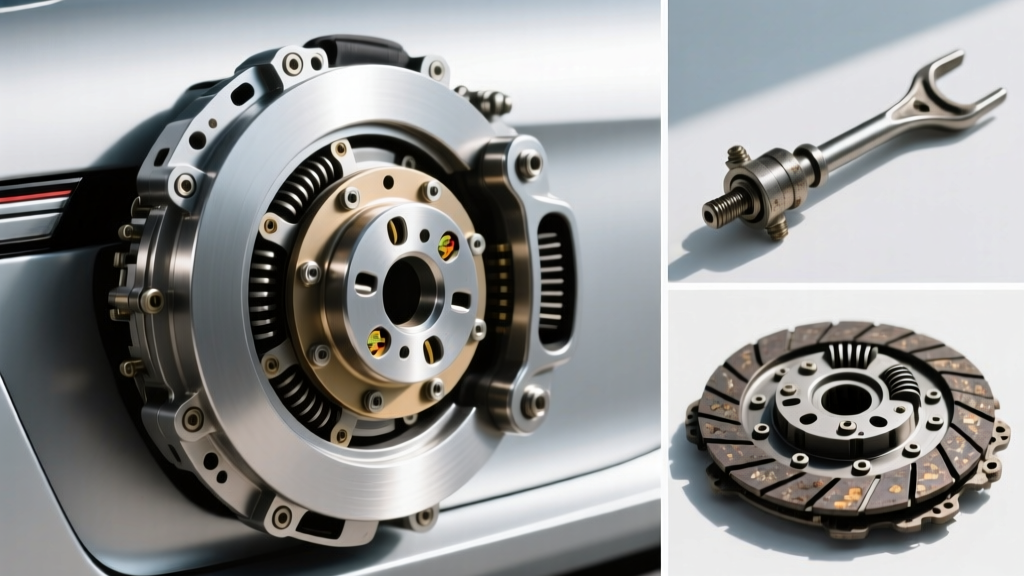
When evaluating a newly installed clutch kit—whether it is an OEM LuK RepSet, a Sachs Performance kit, or an Exedy twin-disc setup—the 'ingredients' that matter are not listed on a cafe's PDF. They are found in the factory service manual. A standard clutch replacement involves the friction disc, pressure plate, release bearing, and often a pilot bushing. However, the hidden variable that causes over 60% of post-repair vibrations and chatter is the flywheel and its mating surfaces.
Below is a comprehensive cost breakdown for diagnosing and correcting common post-repair clutch symptoms in the current market.
| Post-Repair Symptom | Root Cause / Component | Correction Procedure | Estimated 2026 Cost (Parts + Labor) |
|---|---|---|---|
| Violent Chatter | Excessive Flywheel Runout / DMF Failure | R&R Transmission, Replace Flywheel, Measure Runout | $1,400 - $2,200 |
| Clutch Drag / Grinding | CSC Over-extension / Air in Hydraulics | Hydraulic Flush, CSC Replacement, Stack Height Check | $650 - $1,100 |
| Premature Slipping | Glazed Disc / Oil Contamination | R&R Transmission, Replace Disc, Fix Rear Main Seal | $1,200 - $1,800 |
| Input Shaft Binding | Bellhousing Misalignment | Install Offset Dowel Pins, Machine Bellhousing | $400 - $800 (if caught early) |
Failure Mode 1: Flywheel Runout and Violent Chatter
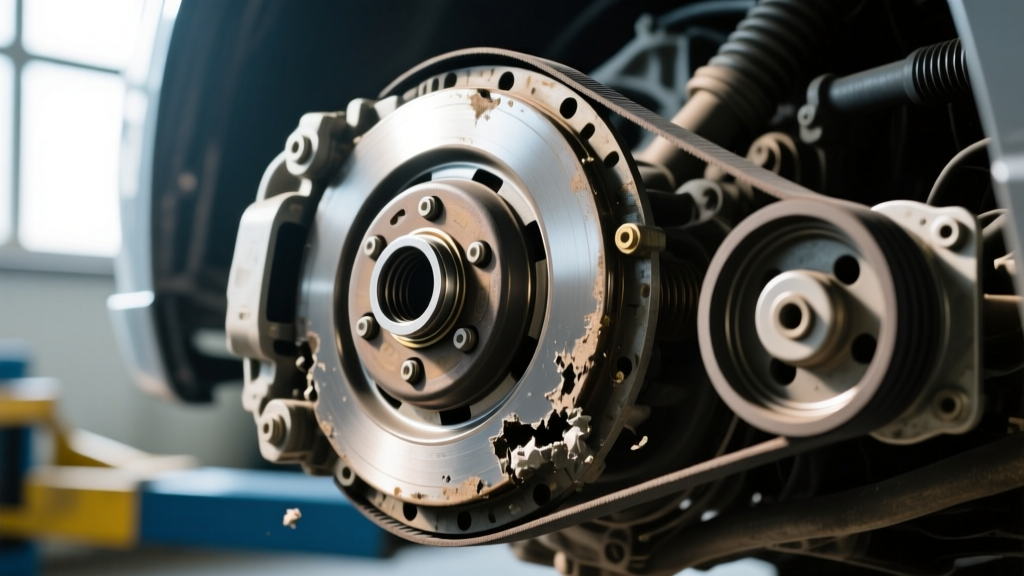
Clutch chatter immediately after a replacement is rarely the fault of the friction disc itself. It is almost always a result of excessive flywheel runout or improper bellhousing alignment. According to LuK's RepXpert technical guidelines, maximum allowable flywheel runout is typically 0.005 inches (0.127 mm). If a shop installs a new clutch on a used Dual Mass Flywheel (DMF) without measuring runout with a dial indicator, or if they attempt to resurface a DMF (which is strictly prohibited by manufacturers due to internal damping springs), the resulting harmonic imbalance will tear through the driveline.
The Cost of Ignoring Tolerances
Furthermore, bellhousing bore runout must be verified. For heavy-duty applications like the Tremec T-56 Magnum or the Ford MT82, bellhousing misalignment exceeding 0.005 inches Total Indicator Runout (TIR) will cause the input shaft to bind. This leads to premature release bearing failure and gear rattle. Correcting this requires pulling the transmission, machining or replacing the flywheel, and potentially installing offset dowel pins (such as Lakewood or Moroso adjustable dowels). If a shop skipped the $40 dial indicator check during the initial install, the consumer or shop is now on the hook for an additional 6 to 9 hours of labor to pull the unit again.
Failure Mode 2: Hydraulic Stack Height and Clutch Drag
If your newly replaced clutch refuses to disengage fully, resulting in gear grinding or creeping at stoplights, you are experiencing clutch drag. In modern hydraulic systems utilizing a Concentric Slave Cylinder (CSC), the 'stack height' or air gap is critical. When a shop fails to measure the distance from the bellhousing mating surface to the clutch fingers, and compares it to the CSC extension, the slave cylinder can either over-extend (causing internal seal blowout) or fail to fully actuate the pressure plate diaphragm.
Fluid Specs and Bleeding Protocols
Bleeding a CSC system is notoriously difficult. Air trapped in the hydraulic line or the use of incorrect fluid will result in a spongy pedal and incomplete release. For example, using standard DOT 3 instead of the required OEM-specific DOT 4 Low Viscosity (or mineral oil for certain European models like ZF 6-speed manual applications) will degrade seals and alter pedal feel. A complete hydraulic flush and CSC replacement, if the internal seals were damaged during dry-cycling on the bench, will add $300 to $500 in parts and fluid costs alone.
Failure Mode 3: Premature Slipping, Glazing, and Torque Errors
A clutch that slips under heavy load shortly after installation is often the victim of improper break-in procedures, contaminated friction surfaces, or incorrect torque application. The friction material on organic and cerametallic discs requires a bedding-in period—typically 500 miles of mixed stop-and-go driving—to transfer an even layer of friction material onto the flywheel. If a customer immediately subjects the vehicle to high-RPM launches, the disc will glaze.
Pressure Plate Torque Specifications
Equally important is the installation torque. Technicians must follow a strict star-pattern sequence when tightening pressure plate bolts to prevent warping the stamped steel cover. For most standard M8 (8mm) pressure plate bolts, the torque spec is 18-22 lb-ft. For heavier M10 (10mm) bolts found on high-torque diesel applications, specs often range from 30-35 lb-ft, sometimes requiring an additional 90-degree torque-to-yield turn. Failure to use a calibrated torque wrench, or reusing old stretched bolts without applying a medium-strength threadlocker like Loctite 243, can result in uneven clamping force and localized slipping.
Warranty Implications and The 'Comeback' Penalty
Most premium clutch manufacturers will void their warranty if proper diagnostic steps are not performed and logged prior to installation. As noted by industry analysts at Transmission Digest, the rise in complex DMF and CSC systems has drastically increased the rate of post-repair disputes between shops and consumers. If a shop replaces a clutch without addressing a leaking $15 rear main seal, and oil contaminates the new disc within 1,000 miles, the manufacturer will deny the claim based on environmental contamination.
Ultimately, while internet distractions and viral search trends come and go, the physics of manual drivetrains remain absolute. Demanding precise measurements, proper fluid specifications, and documented break-in procedures is the only way to ensure your clutch repair investment survives past the warranty period.