Understanding Clutch Drag: The Mechanics of Incomplete Disengagement
Clutch drag occurs when the friction disc fails to fully disengage from the flywheel and pressure plate, even when the clutch pedal is depressed to the floor. Instead of interrupting power flow, the transmission input shaft continues to spin. This results in severe gear grinding when attempting to shift into first or reverse, a tendency for the vehicle to creep forward with the clutch engaged, and in extreme cases, engine stalling when coming to a stop. Performing a successful car clutch repair requires isolating whether the fault lies in the hydraulic release system, the mechanical linkage, or the internal friction components themselves.
Modern manual transmissions, such as the Ford MT-82 or the GM Tremec T56 Magnum, rely heavily on Concentric Slave Cylinders (CSCs) and precise hydraulic pressure. A failure to achieve the required 0.450 to 0.550 inches of clutch fork or CSC travel will leave the diaphragm spring fingers partially engaged, maintaining clamping force on the friction disc. Below is a comprehensive, step-by-step diagnostic and repair protocol to resolve clutch drag and release problems.
Step 1: Verify Clutch Pedal Free Play and Travel
Before dropping the transmission, you must verify the external mechanical and hydraulic inputs. If the clutch master cylinder pushrod is adjusted too tightly against the piston, it blocks the internal compensation port. This prevents fluid from returning to the reservoir, leading to hydraulic pressure buildup and severe clutch drag as the fluid expands from engine bay heat.
Measuring Pedal Specifications
Using a steel ruler, measure the clutch pedal free play (the distance the pedal moves before you feel hydraulic resistance). Most OEM specifications require between 0.75 inches and 1.0 inches (19mm - 25mm) of free play. If your vehicle features an adjustable pushrod on the master cylinder, loosen the locknut and adjust the rod to introduce a minimum of 1/16-inch (1.5mm) of clearance between the pushrod tip and the piston cup at rest.
| Parameter | Target Specification | Consequence of Deviation |
|---|---|---|
| Pedal Free Play | 0.75" - 1.0" (19-25mm) | Too little: Clutch drag & slipping. Too much: Incomplete shifts. |
| Master Pushrod Clearance | 0.062" - 0.125" (1.5-3mm) | Zero clearance blocks compensation port, causing drag. |
| Slave Cylinder Travel | 0.450" - 0.550" (11-14mm) | Insufficient travel prevents full pressure plate release. |
| Flywheel Runout Limit | Max 0.005" (0.127mm) | Excessive runout causes cyclical drag and chatter. |
Step 2: Inspect and Bleed the Hydraulic System
Air in the hydraulic lines is the most common culprit for a spongy pedal and incomplete clutch release. Because air is a gas, it compresses under pressure, meaning pedal travel is wasted compressing bubbles rather than moving the slave cylinder. According to AutoZone's technical DIY guides, proper hydraulic bleeding is essential to restore firm pedal feel and full stroke volume.
Pressure Bleeding vs. Manual Bleeding
While the traditional two-person manual bleed (pump the pedal, hold, open bleeder, close bleeder, release) works in a pinch, it often fails to purge air trapped in the high loops of the hydraulic line common in modern chassis routing. For a definitive car clutch repair, use a pressure bleeder (such as the Motive Products 0109) set to 15-20 PSI. Connect the bleeder to the master cylinder reservoir filled with fresh DOT 3 or DOT 4 fluid. Never use DOT 5 silicone fluid, as it is incompatible with the EPDM rubber seals used in OEM master and slave cylinders, leading to rapid seal swelling and failure.
Expert Diagnostic Tip: If the pedal feels firm but the clutch still drags, the issue is likely internal bypassing inside the master cylinder. The primary cup seal has worn, allowing fluid to slip past the piston under load rather than pushing it forward. Replace the master cylinder with an OEM-equivalent unit, such as a LuK or Sachs assembly.
Step 3: Evaluate the Master and Slave Cylinders
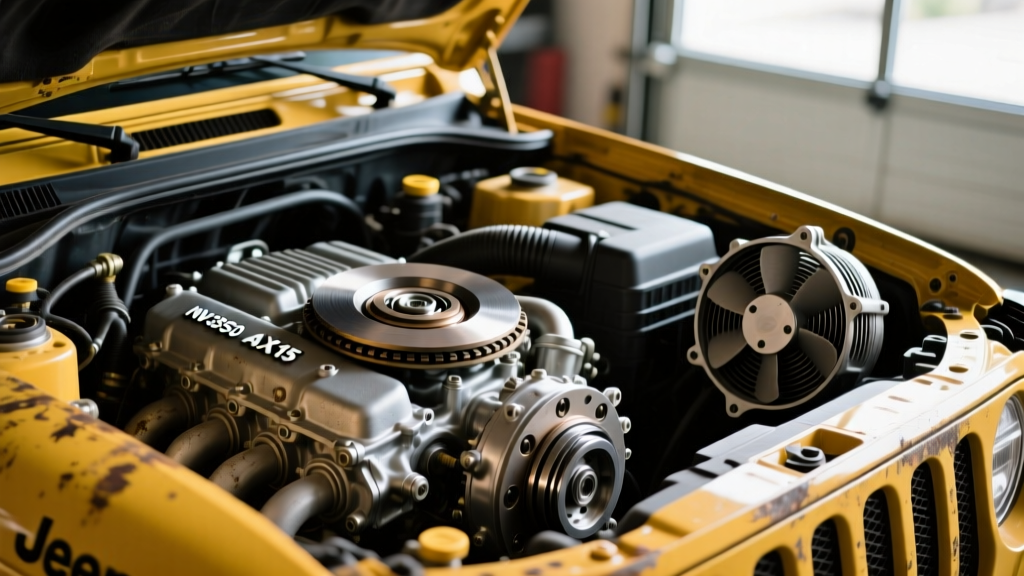
If bleeding the system yields a firm pedal but travel remains insufficient, inspect the slave cylinder. Vehicles with external slave cylinders (common on older Honda K-Series or Jeep AX15 setups) allow for easy visual inspection of the fork travel. However, modern performance vehicles utilize Concentric Slave Cylinders (CSCs) housed inside the bellhousing. A failing CSC will often exhibit internal seal bypass or external weeping, which contaminates the clutch disc and causes erratic engagement.
When replacing a CSC, it is mandatory to bench-bleed the unit or perform a reverse-bleed through the system to ensure no air is trapped behind the concentric piston. Part numbers vary by application, but premium kits like the LuK RepSet Pro Gold (which includes the master, slave, and clutch assembly) typically range from $450 to $750 in 2026, ensuring matched hydraulic volumes.
Step 4: Transmission Drop and Internal Inspection
If the hydraulic system is flawless and pedal travel meets specifications, the clutch drag is mechanical. This requires removing the transmission to inspect the friction assembly. As noted in CarID's clutch diagnostic literature, warped friction materials, incorrect installation, or a failing pressure plate diaphragm will physically prevent disengagement.
Flywheel Runout and Pressure Plate Diagnostics
Mount a magnetic dial indicator to the engine block and rest the probe on the friction surface of the flywheel. Rotate the crankshaft 360 degrees. If the runout exceeds 0.005 inches (0.127mm), the flywheel is warped. A warped flywheel pushes the pressure plate fingers unevenly, meaning half the clutch is released while the other half remains clamped, resulting in drag. The flywheel must be resurfaced on a lathe or replaced.
The Backwards Clutch Disc Mistake
One of the most frequent DIY errors during a car clutch repair is installing the friction disc backwards. The disc hub is asymmetrical; one side protrudes further than the other. The side marked 'Flywheel Side' must face the engine. If installed backwards, the protruding hub strikes the flywheel mounting bolts before the pressure plate can fully clamp the disc. When you press the clutch pedal, the pressure plate releases, but the disc remains wedged against the bolts, causing massive, unresolvable drag.
| Component | Fastener Size | Torque Specification | Pattern / Notes |
|---|---|---|---|
| Flywheel to Crankshaft | M10 x 1.5 or 7/16" | 60 - 75 lb-ft (81 - 101 Nm) | Star pattern, use Red Loctite 272 |
| Pressure Plate to Flywheel | M8 x 1.25 or 5/16" | 25 - 35 lb-ft (34 - 47 Nm) | Star pattern, gradually increase torque |
| Bellhousing to Engine Block | M10 or 3/8" | 35 - 50 lb-ft (47 - 67 Nm) | Check dowel pin alignment first |
| Transmission Crossmember | M10 or M12 | 35 - 45 lb-ft (47 - 61 Nm) | Ensure mount is not pre-loaded |
Step 5: Reassembly and Final Calibration
During reassembly, lubricate the transmission input shaft splines and the release bearing collar sparingly with a high-temperature molybdenum disulfide (moly) grease. Over-application is a critical error; excess grease will sling off the shaft under rotation, contaminating the friction material and transitioning your problem from clutch drag to severe clutch slip. Use a clutch alignment tool to center the disc perfectly within the pilot bearing or bushing; a misaligned disc will bind on the input shaft splines, physically preventing the disc from sliding back and forth, which guarantees clutch drag upon reassembly.
For comprehensive teardown procedures and model-specific bellhousing dowel pin checks, referencing Haynes Manuals' tutorial database ensures strict adherence to OEM tolerances. Bellhousing runout (misalignment between the crankshaft centerline and the transmission input shaft) exceeding 0.005 inches will cause the release bearing to bind on the transmission bearing retainer collar, severely limiting fork travel and causing drag.
Cost Breakdown: DIY vs. Professional Car Clutch Repair
Understanding the financial scope of a clutch drag repair helps in deciding whether to tackle the hydraulic bleed at home or commission a full teardown. Below is a 2026 market estimate for resolving clutch release issues.
| Repair Scenario | DIY Parts Cost | Professional Shop Cost (Parts + Labor) |
|---|---|---|
| Hydraulic Fluid Flush & Bleed | $15 - $25 | $120 - $180 |
| Master Cylinder Replacement | $80 - $180 | $250 - $450 |
| External Slave Cylinder | $60 - $150 | $250 - $400 |
| Full Clutch Kit & CSC (Trans Drop) | $450 - $850 | $1,200 - $2,400+ |
By methodically working through the hydraulic system, verifying pedal geometry, and meticulously inspecting internal clearances, you can permanently eliminate clutch drag and restore crisp, predictable gear changes.