The UTV Drivetrain: Where is the Transfer Case?
When transitioning from a traditional 4x4 pickup truck to a modern side-by-side, the drivetrain layout can confuse many newcomers. In a full-size truck equipped with a transmission like the ZF 8HP or Ford 10R80, you have a dedicated transfer case (such as a BorgWarner 4406) bolted to the back of the transmission, which splits torque to a front differential and a rear differential via heavy driveshafts. But what happens when you look underneath a Polaris Ranger? If you are searching for the transfer case to perform a fluid change, you might be looking for a component that doesn't exist in the traditional sense.
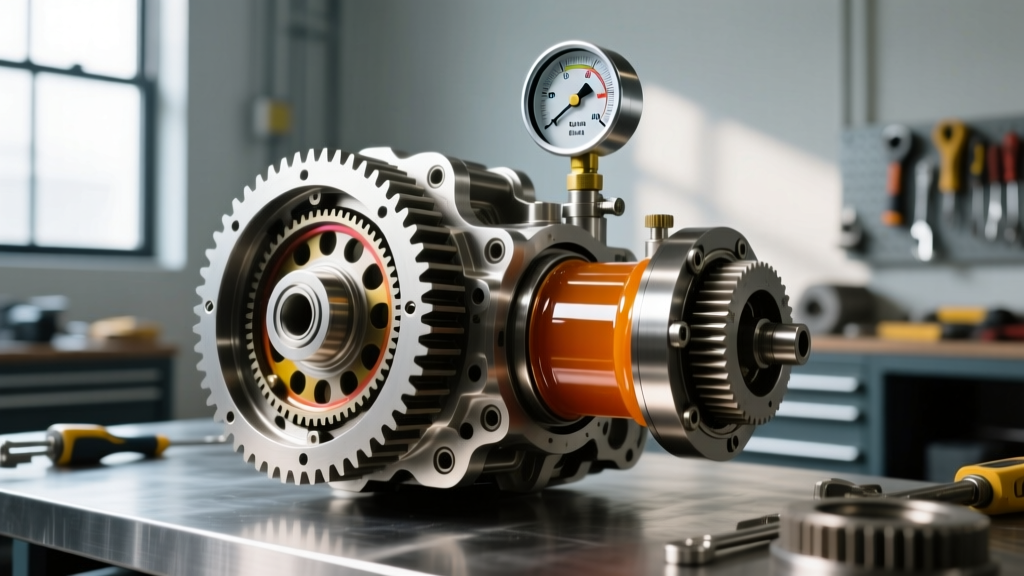
As we navigate the 2026 riding season, understanding the unique transfer case and differential relationship in your UTV is critical for longevity. In the Polaris Ranger platform (including the popular XP 1000 and 900 models), the traditional transfer case is effectively eliminated. Instead, the Continuously Variable Transmission (CVT or PVT) handles primary gear reduction and directs power rearward to the transaxle, while a front prop shaft sends power to the Front Gearcase. This Front Gearcase is the true marvel of UTV engineering: it acts as both a differential and an on-demand AWD engagement hub, fulfilling the role that a transfer case would normally play in locking the front axle.
The Front Gearcase: A Differential and Transfer Case Hybrid
To properly maintain your machine, you must understand how torque flows through the front axle. The Polaris Ranger Front Gearcase houses a traditional ring and pinion gear set, alongside a set of spider gears that allow the left and right front wheels to rotate at different speeds during a turn. However, it also houses an overrunning sprague clutch—often referred to in the industry as a Hilliard clutch.
This clutch is the mechanical link that replaces the transfer case. When the rear wheels lose traction and spin faster than the front wheels, the RPM difference causes the sprague clutch to wedge and lock, instantly engaging the front axle. When traction is regained, the clutch releases, allowing the front wheels to freewheel and preventing drivetrain binding. Because this intricate clutch mechanism shares the same housing as the ring and pinion, selecting the correct Polaris Ranger differential fluid is not just about lubricating gears; it is about providing the exact friction modifiers required for the AWD clutch to engage and disengage smoothly.
The Danger of the Wrong Fluid Chemistry
A common and catastrophic beginner mistake is draining the factory fluid and replacing it with standard automotive 75W-90 or 80W-90 gear oil. While standard gear oil is excellent for hypoid gears, it lacks the specialized friction modifiers required by the Hilliard clutch. If you use standard gear oil in the front gearcase, the clutch will either slip under heavy load (leaving you stuck in the mud with only rear-wheel drive) or grab aggressively and fail to disengage (causing severe drivetrain binding, axle shaft twisting, and broken CV joints on dry pavement).
Fluid Specifications and Capacity Chart
Because the transfer case function and differential function are split across different housings in the Ranger, you must use two entirely different fluids. Below is the definitive specification chart for the most common Polaris Ranger XP 1000 and 900 models.
| Component | Required Fluid Type | OEM Part Number (1 Qt) | Approx. Capacity | Plug Torque Spec |
|---|---|---|---|---|
| Front Gearcase (AWD Hub) | Polaris Demand Drive Fluid | 2877922 | 9.5 oz (280 ml) | 14 ft-lbs (19 Nm) |
| Rear Gearcase (Differential) | Polaris AGL (All Gear Lube) | 2878068 | 8.5 oz (250 ml) | 15 ft-lbs (20 Nm) |
| Transmission / PVT Gearcase | Polaris AGL | 2878068 | Varies by year | 15 ft-lbs (20 Nm) |
Note: Capacities can vary slightly based on the exact model year and whether the gearcase is completely dry from a rebuild. Always fill to the bottom of the fill hole threads.
Step-by-Step: Servicing the Ranger Gearcases
Servicing the differential and AWD hub is a straightforward process, but it requires precision to avoid stripping the aluminum housings. According to technical bulletins from UTV Action, stripped drain plugs are one of the most common DIY failures on side-by-sides.
Tools Required
- 3/8-inch drive hex socket (for drain and fill plugs)
- Calibrated inch-pound or low-range foot-pound torque wrench
- Fluid transfer pump or squeeze bottle with a hose
- Shop towels and brake cleaner
- Feeler gauge or small zip-tie (for measuring fluid level)
The Service Procedure
- Level the Machine: Park the Ranger on a perfectly flat surface. If the machine is tilted, you will either overfill or underfill the gearcases, leading to foaming or gear starvation.
- Remove the Fill Plug First: Always remove the top fill plug before the bottom drain plug. If the drain plug is stripped and you cannot remove the fill plug, you will be left with an empty differential and no way to refill it.
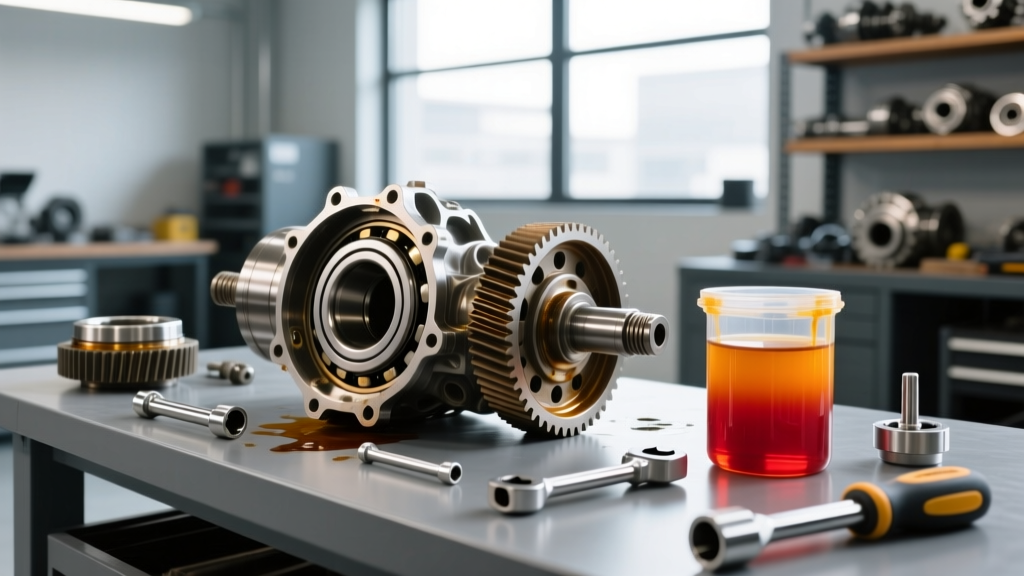
- Drain and Inspect: Remove the drain plug. The factory plugs are magnetic. A fine, glitter-like metallic paste is normal wear from the ring and pinion gears breaking in. However, if you find large metal shards or chunks of the sprague clutch cage, the front gearcase requires a complete rebuild.
- Clean and Reinstall Drain Plug: Wipe the magnet clean with a lint-free rag. Reinstall the drain plug with a new crush washer and torque to exactly 14 ft-lbs (Front) or 15 ft-lbs (Rear). Do not overtighten; the aluminum housing will strip easily.
- Fill to the Brim: Using your transfer pump, fill the gearcase with the correct fluid until it begins to weep out of the bottom of the fill hole threads. Insert a small zip-tie into the hole; it should touch the fluid level immediately.
- Reinstall Fill Plug: Install the fill plug with a new washer and torque to spec.
Troubleshooting Drivetrain Binding and AWD Failure
Understanding the relationship between the transfer case function and the differential allows you to diagnose issues that baffle less experienced mechanics. Here are the most common symptoms of fluid-related drivetrain issues in the Polaris Ranger:
AWD Will Not Engage (Front Wheels Spinning)
If your rear tires are digging into the mud but the front tires are doing nothing, the Hilliard clutch is slipping. This is almost always caused by contaminated Demand Drive Fluid, the use of incorrect 75W-90 gear oil, or water ingress past a damaged axle seal. The friction modifiers in the OEM fluid are required to allow the sprague rollers to bite into the clutch housing. Flush the front gearcase immediately with fresh Polaris Demand Drive Fluid.
Severe Binding and Popping on Pavement
If your Ranger feels like the brakes are dragging when making tight turns on hard-packed dirt or pavement, and you hear a loud 'popping' noise from the front end, your AWD system is stuck in the engaged position. This happens when the incorrect fluid causes the clutch to bind, or when the 4x4 switch is accidentally left on while driving on high-traction surfaces. Polaris Engineered Lubricants explicitly warn that driving with the AWD engaged on high-traction surfaces will cause the sprague clutch to wedge permanently, requiring a gearcase teardown.
Rear Differential Whine
A high-pitched whine from the rear of the Ranger under deceleration usually points to improper gear lash or worn pinion bearings in the rear gearcase, rather than the front AWD hub. While changing the rear AGL fluid is a good first step, if the whine persists, the ring and pinion must be inspected for pitting and the backlash must be measured with a dial indicator.
Expert Drivetrain Tip: While you are under the Ranger changing the differential fluids, take five minutes to inspect the front prop shaft U-joints and the center carrier bearing. The transfer of torque from the transmission to the front AWD hub relies entirely on this shaft. A failing U-joint will introduce harmonic vibrations that can prematurely wear the pinion gear bearings in the front gearcase, mimicking the sound of a failing differential.
Final Thoughts on UTV Drivetrain Maintenance
The Polaris Ranger eliminates the heavy, traditional transfer case in favor of an elegant, integrated front gearcase that handles both differential duties and on-demand AWD engagement. By respecting this unique engineering layout and strictly adhering to the correct fluid chemistry—Demand Drive for the front, AGL for the rear—you ensure that torque is distributed exactly when and where you need it. Never compromise on fluid specifications, always torque your plugs to factory standards, and your Ranger's drivetrain will reliably conquer the trails for years to come.