The Dana 80 Axle: Heavy-Duty Towing and Gear Ratio Dynamics
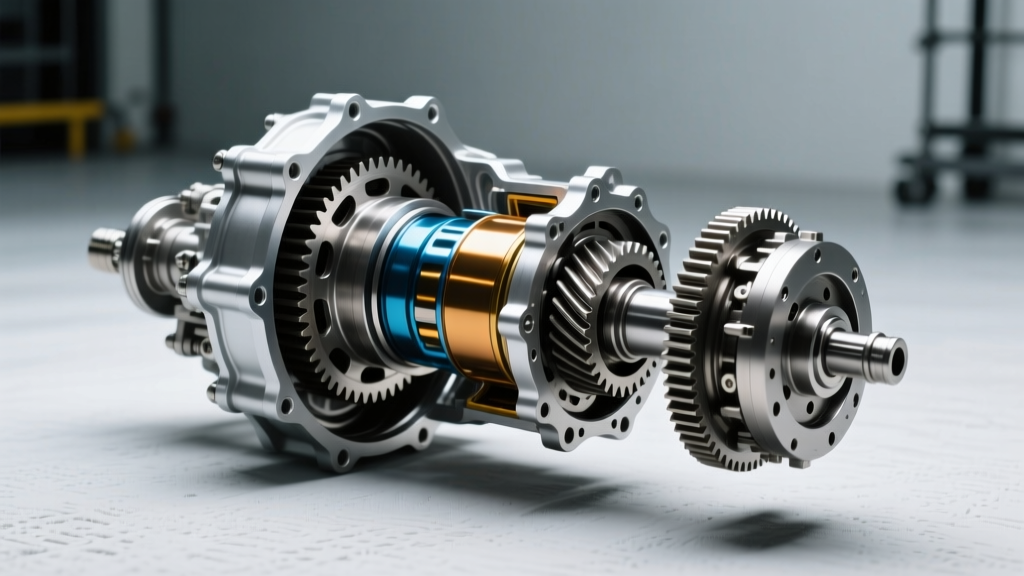
When optimizing heavy-duty trucks for extreme towing and commercial payloads, the rear axle gear ratio is the single most critical drivetrain variable you can alter. While modern 2026 heavy-duty platforms have largely transitioned to the Dana S130 or AAM 11.5 axles, the legendary Dana 80 remains a cornerstone of the commercial towing, heavy-haul, and off-road aftermarket. Originally deployed in Ford F-350 Dual Rear Wheel (DRW) and Chevrolet C3500HD applications, the Dana 80 features a massive 11.25-inch ring gear and 35-spline axle shafts, making it virtually bulletproof when properly configured.
However, altering the differential gear ratio to compensate for oversized tires or steep-grade towing introduces severe thermal and mechanical variables. Swapping from a highway-friendly 3.73:1 ratio to a low-range 4.88:1 ratio drastically increases pinion gear rotational speed. This generates exponential friction, elevating differential fluid temperatures and creating internal crankcase pressure spikes that can compromise axle seals. This model-specific repair guide explores the intersection of differential gear ratio performance, heavy-duty fluid dynamics, and advanced housing pressure diagnostics.
Selecting the Optimal Gear Ratio for Performance
Choosing the right ring and pinion setup requires balancing engine RPM, towing load, and transmission shift points. In 2026, with modern turbo-diesel engines producing over 1,000 lb-ft of torque at the crank, over-geared axles can lead to transmission hunting and excessive exhaust gas temperatures (EGTs). Conversely, under-geared axles result in sluggish acceleration and torque converter slip.
Performance Breakdown: 3.73 vs. 4.30 vs. 4.88
Below is a performance comparison for a Dana 80 axle equipped with 35-inch tires and a modern 10-speed automatic transmission, cruising at 70 MPH.
| Gear Ratio | Engine RPM @ 70 MPH | Towing Temp Delta | Recommended Fluid Viscosity | Best Application |
|---|---|---|---|---|
| 3.73:1 | 2,150 RPM | Baseline | 75W-90 Synthetic | Highway / Light Towing |
| 4.30:1 | 2,480 RPM | +18°F | 75W-140 Synthetic | Heavy Towing / 35" Tires |
| 4.88:1 | 2,815 RPM | +34°F | 75W-140 + Friction Mod | Steep Grades / 37"+ Tires |
As the data illustrates, moving to a 4.88:1 ratio keeps the engine in its optimal torque band but increases the baseline operating temperature of the differential fluid by up to 34°F under continuous load. This thermal increase is where fluid selection and housing pressure management become paramount.
Differential Fluid Selection for High-Ratio Setups
When running lower numerical gear ratios (like 4.88:1), the pinion gear teeth experience higher sliding velocities. Standard 75W-90 gear oil will suffer from shear breakdown and viscosity loss when differential sump temperatures exceed 230°F. For any Dana 80 ratio swap intended for heavy towing, upgrading to a 75W-140 full synthetic API GL-5 fluid is mandatory.
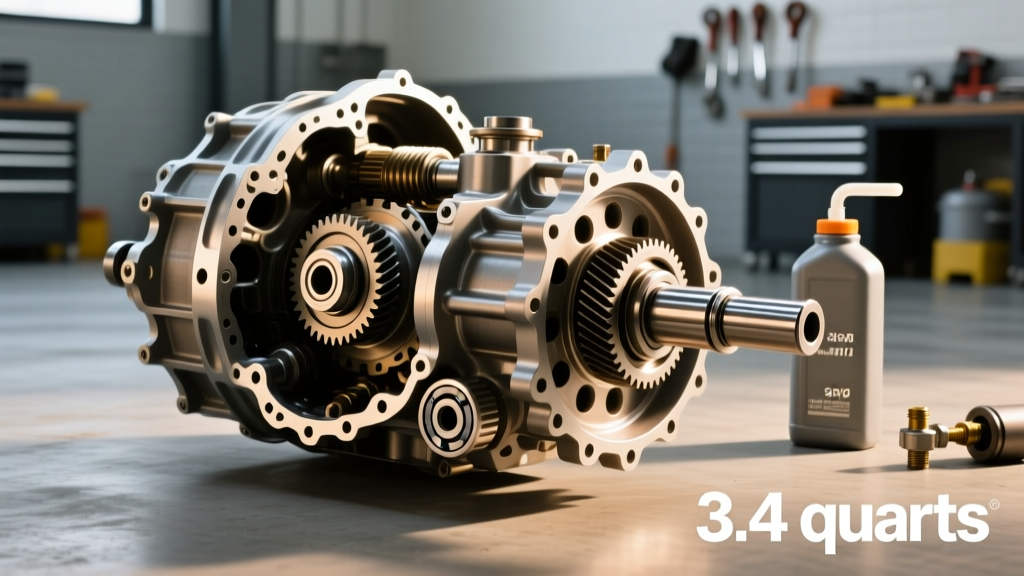
Products like AMSOIL Severe Gear 75W-140 utilize proprietary synthetic base stocks that maintain their hydrodynamic film strength even when subjected to extreme shock loads. The Dana 80 requires approximately 3.5 to 4.0 quarts of fluid, depending on the specific differential cover and whether a deep-sump finned cover is installed. If your Dana 80 is equipped with a factory limited-slip differential (LSD), you must also add 4 to 6 ounces of a specialized friction modifier to prevent clutch pack chatter during low-speed cornering.
The Thermal Expansion Problem: Axle Housing Pressure
One of the most overlooked consequences of a gear ratio swap is internal axle housing pressure. As the 75W-140 differential fluid absorbs heat from the ring and pinion mesh, the air volume trapped inside the sealed axle tube expands. Under heavy towing conditions, internal axle temperatures can easily reach 250°F, causing the internal air pressure to rise significantly above atmospheric pressure.
Factory axle breather valves are designed to vent this expanding air. However, on lifted trucks, modified vehicles with extended breather tubes, or older commercial fleet trucks with clogged differential breathers, this pressure becomes trapped. When internal housing pressure exceeds 2.5 to 3.0 PSI, it will bypass the path of least resistance: the inner axle seals and the pinion seal. This results in differential fluid weeping onto the brake backing plates, leading to catastrophic brake contamination and differential starvation.
Using a Diaphragm Differential Pressure Gauge for Diagnostics
To accurately diagnose whether a clogged breather or excessive thermal expansion is causing seal leaks after a gear ratio upgrade, standard mechanical pressure gauges are insufficient. They lack the sensitivity to measure low-pressure crankcase deltas. Instead, heavy-duty drivetrain diagnostic shops utilize a diaphragm differential pressure gauge.
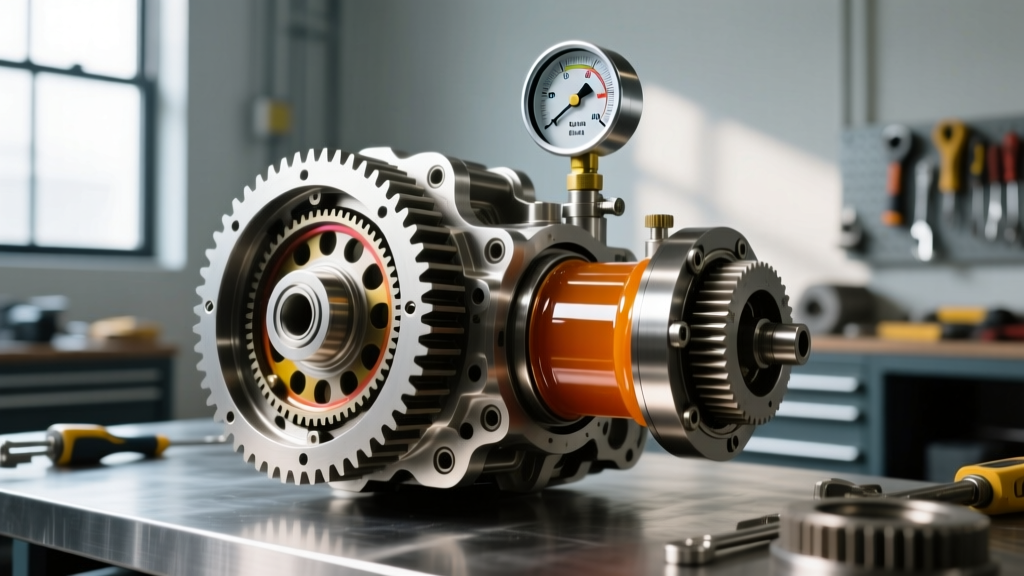
Unlike a standard gauge that measures absolute pressure, a diaphragm differential pressure gauge (such as the Dwyer Series 2000 Magnehelic or similar industrial Dwyer Instruments) measures the exact pressure difference between two ports. By connecting the high-pressure port to the Dana 80 filler plug adapter and leaving the low-pressure port open to the atmosphere, technicians can monitor the exact PSI delta inside the axle housing in real-time during a dyno pull or loaded road test.
Step-by-Step Pressure Testing Procedure
- Preparation: Ensure the Dana 80 is filled to the bottom of the fill hole with the correct 75W-140 synthetic fluid. Install a specialized threaded test plug with a 1/8-inch NPT barb fitting into the differential cover.
- Gauge Connection: Connect flexible tubing from the test plug to the high-pressure port of the diaphragm differential pressure gauge. Leave the low-pressure port exposed to ambient shop air.
- Load Testing: Place the vehicle on a chassis dyno or perform a controlled road test with a loaded trailer. Simulate a 4% grade at 65 MPH to induce maximum pinion friction and heat generation.
- Monitoring the Delta: Watch the gauge as the axle reaches operating temperature. A healthy, properly vented Dana 80 axle will maintain a pressure delta of less than 0.5 PSI. If the gauge reads above 1.5 PSI, the breather tube is restricted, or the internal fluid volume is overfilled.
By utilizing this precise diagnostic method, technicians can guarantee that a newly installed 4.88:1 ring and pinion set will not destroy its axle seals on its maiden towing voyage.
Ring and Pinion Installation: Torque Specs and Clearances
Executing a gear ratio swap on a Dana 80 requires meticulous attention to setup tolerances. The massive 11.25-inch ring gear requires immense clamping force, and improper torque will lead to ring gear bolt shearing under high-torque diesel loads.
- Ring Gear Bolts: Use new Grade 8 or OEM Spicer hardware. Apply a high-strength retaining compound like Loctite 680. Torque to 130 lb-ft in a star pattern.
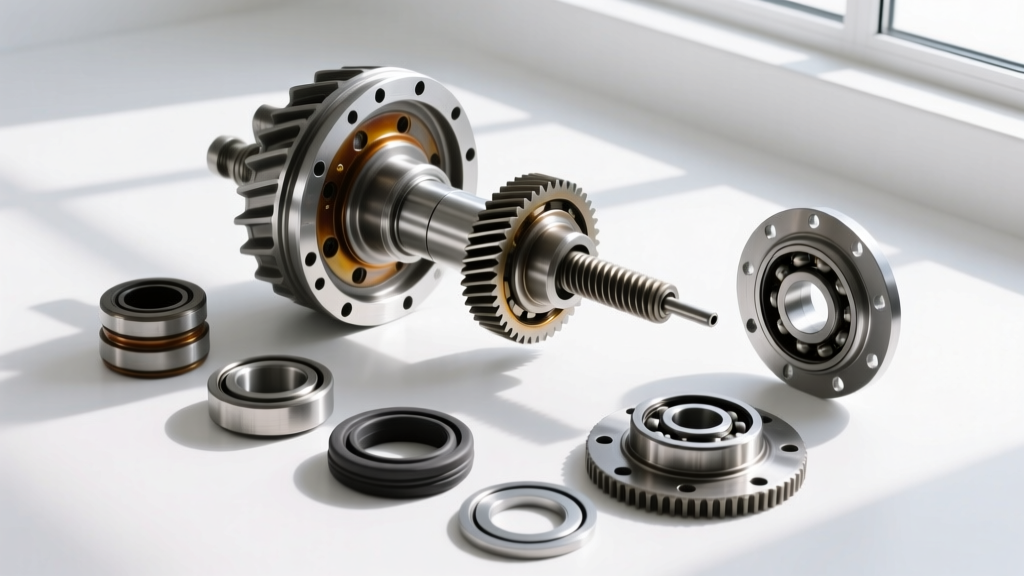
- Pinion Bearing Preload: The Dana 80 utilizes a crush sleeve or solid spacer setup. For new bearings, target a rotating torque of 25 to 35 in-lb. For reused bearings, target 15 to 20 in-lb.
- Backlash: Set ring and pinion backlash between 0.006" and 0.010" using a dial indicator mounted to the differential case.
- Gear Pattern: Apply yellow setup paste to the ring gear teeth. Under heavy load simulation, the drive pattern should sit centered on the tooth face, slightly biased toward the heel to account for case deflection under 1,000 lb-ft of torque.
Cost Breakdown and 2026 Pricing
Budgeting for a Dana 80 gear ratio swap requires accounting for both high-quality components and specialized labor. As of 2026, expect the following pricing structure for a complete overhaul:
- Ring and Pinion Kit (e.g., Yukon Gear 4.88): $450 - $650
- Master Bearing Install Kit (Timken Bearings): $180 - $240
- Heavy-Duty Diff Cover & Breather Upgrade: $120 - $200
- 75W-140 Synthetic Fluid & Additives: $90 - $130
- Professional Labor (Setup & Diagnostics): $1,200 - $1,800
For comprehensive component selection and aftermarket ratio availability, reputable manufacturers like Yukon Gear & Axle provide detailed setup manuals and application-specific kits that include all necessary shims and crush sleeves.
Conclusion
Upgrading the differential gear ratio in a Dana 80 axle is one of the most effective ways to restore performance and towing capability to a modified heavy-duty truck. However, the mechanical installation is only half the battle. By selecting the correct 75W-140 synthetic differential fluid and validating the axle's ventilation using a diaphragm differential pressure gauge, you ensure that your drivetrain can handle the thermal and mechanical stresses of modern heavy hauling without suffering premature seal failure or fluid starvation.